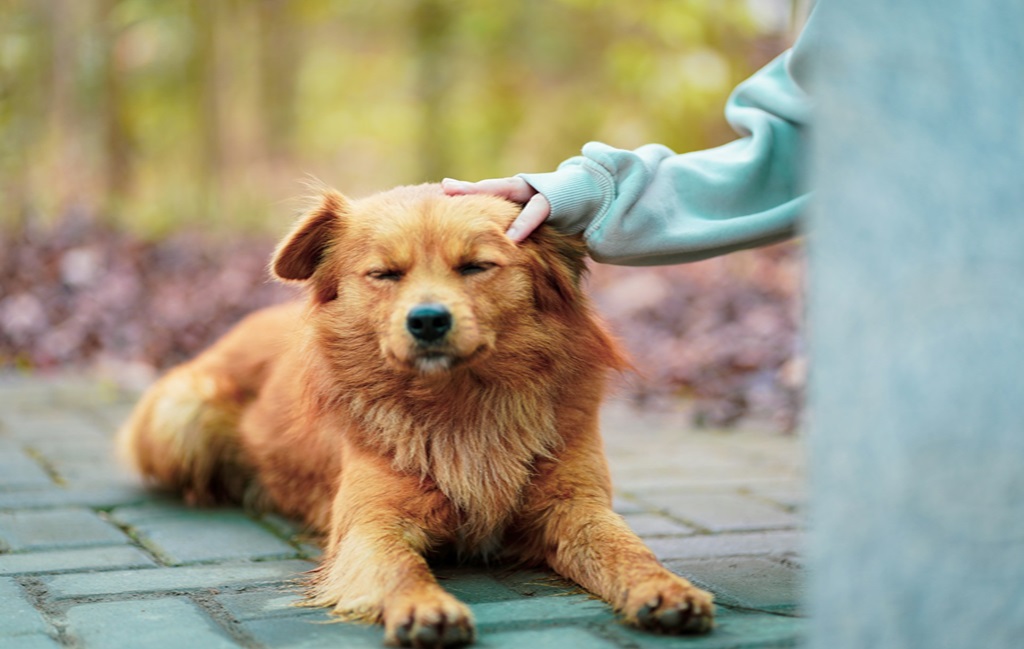
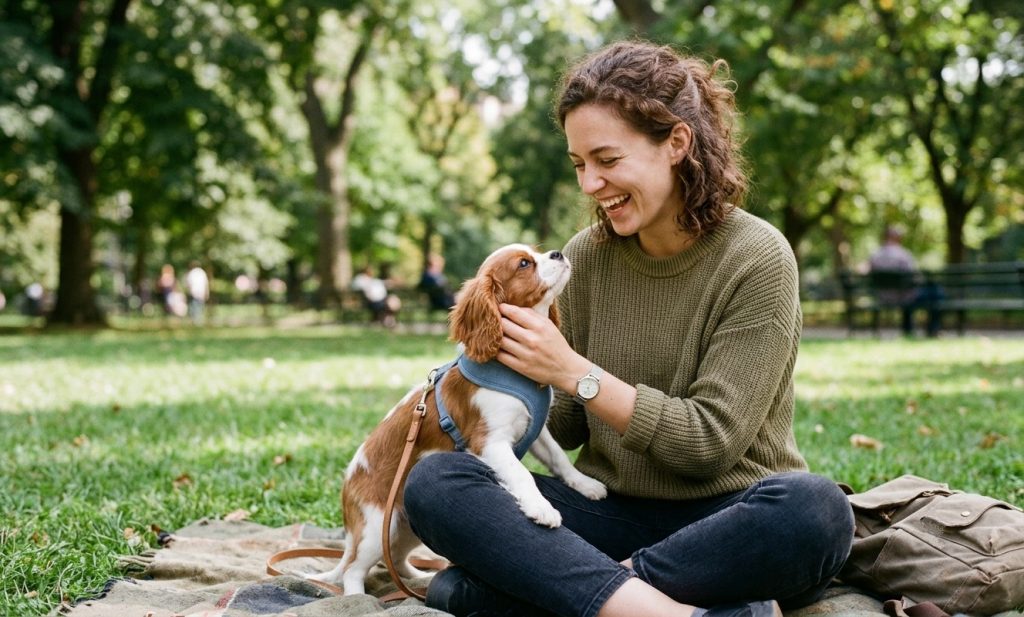
Bichon Frise, Cavalier King Charles Spaniel, and French Bulldog are top picks for first-time owners.
I have worked with dogs as a trainer and shelter volunteer for over eight years. I know what new owners need to succeed. This guide on the best small breed dogs for first time owners combines hands-on experience, common-sense advice, and research-backed tips. Read on to find breeds that match your lifestyle, plus clear steps to choose and care for your new companion.
Why small breeds suit first-time owners
Small dogs often fit apartment life. They usually need less space and can be easier to groom and transport. Many small breeds have calm temperaments and adapt quickly to routines.
Small breeds also tend to cost less in food and require smaller supplies. Training and socialization remain essential, but many small dogs respond well to consistent, gentle guidance. Choosing from the best small breed dogs for first time owners can reduce stress and increase the chance of a happy match.
:strip_icc()/Dogs-adjusted-f267f1f11298417e91eff0fcae3feff1.jpg)
Top picks: best small breed dogs for first time owners
Below are reliable small breeds that are great for beginners. Each entry highlights temperament, care needs, and why the breed suits a first-time owner.
Bichon Frise
Bichons are cheerful and social. They are eager to please and learn quickly. Their small size and friendly nature make them ideal for apartments and families.
Cavalier King Charles Spaniel
Cavaliers are affectionate and gentle. They love lap time but enjoy play too. They bond quickly with owners and are forgiving of training mistakes.
French Bulldog
Frenchies are low-energy and quiet. They need short walks and plenty of companionship. Their easygoing attitude suits busy or new owners.
Pug
Pugs are playful and people-focused. They handle training well when rewards are used. Watch for breathing issues and manage their weight carefully.
Shih Tzu
Shih Tzus are calm and companionable. They do well indoors and enjoy steady routines. Regular grooming is important for their coat.
Miniature Schnauzer
Mini Schnauzers are bright and trainable. They are alert without being overly nervous. They require moderate exercise and routine grooming.
Maltese
Maltese dogs are gentle and adaptable. They enjoy short walks and close contact. Their small size makes them easy to carry and manage.
Boston Terrier
Boston Terriers are friendly and low-maintenance. They adapt well to families and single owners. Their short coat is easy to care for.
These breeds are among the best small breed dogs for first time owners because they balance temperament, trainability, and manageable care needs. When choosing, consider your routine, living space, and time for training.
How to choose the right small breed
Choosing the right dog is about fit. Match energy level to your daily life. Consider grooming needs and health concerns.
Ask yourself key questions:
- How much time can I spend on walks and training each day?
- Do I want a dog that needs daily grooming?
- Is my housing pet-friendly and stable for a dog?
Practical steps to decide:
- Meet dogs in person before adopting.
- Spend a weekend fostering if possible.
- Talk to breeders or rescue volunteers about temperament.
PAA-style questions
What is the best small breed for an apartment?
Breeds like the Bichon Frise, Shih Tzu, and French Bulldog adapt well to apartment life due to low exercise needs and quiet behavior.
How much exercise do small breeds need?
Most small breeds need 20–40 minutes of activity per day. Short walks and play sessions usually meet their needs.
Can first-time owners train a small dog easily?
Yes. Many small breeds are eager to learn. Short, consistent training sessions with positive rewards work best.
Choosing from the best small breed dogs for first time owners means balancing personality, health, and lifestyle. Take time. Meet dogs. Trust your instincts.
Care essentials for small breeds
Small dogs need basic care that is easy to manage with a plan. Cover training, health, diet, and grooming.
Training and socialization
- Start training early. Use short, positive sessions.
- Expose your dog to new people and places.
- Enroll in a basic obedience class for structure.
Health and vet care
- Schedule regular vet visits and vaccinations.
- Know breed-specific risks like breathing problems or dental disease.
- Keep a preventive plan for parasites and dental care.
Diet and weight
- Feed a high-quality diet sized for small dogs.
- Measure meals to avoid overfeeding.
- Monitor weight and adjust food with vet advice.
Grooming
- Brush regularly based on coat type.
- Trim nails and clean ears weekly.
- Use a groomer for breeds that need trims.
Daily life and safety
- Use a harness for walks to protect the neck.
- Small dogs can hide pain; monitor behavior closely.
- Puppy-proof the home for falls, small spaces, and toxins.
Caring for any of the best small breed dogs for first time owners is straightforward when you follow consistent routines. Small steps yield big results.

Common challenges and practical fixes
Small dogs can come with predictable issues. Tackle these early to prevent long-term problems.
Problem: Barking and small-dog syndrome
Fix: Teach a “quiet” cue and reward calm behavior. Increase exercise and mental work.
Problem: House training delays
Fix: Use a regular schedule, praise success, and avoid punishment. Crate training helps.
Problem: Health costs for breed-specific issues
Fix: Budget for routine care and emergency savings. Choose a reputable breeder or rescue that shares health records.
Problem: Separation anxiety
Fix: Build independence with short absences and enrichment toys. Gradually increase time alone.
Problem: Over-handling by guests
Fix: Train your dog to have a safe space. Teach gentle greetings and supervise interactions.
These fixes work well for the best small breed dogs for first time owners when applied consistently. Patience and clear routines prevent many common setbacks.
Personal experience and lessons learned
I have placed many small dogs in new homes. I often saw anxious owners pick a breed based on looks alone. The best outcomes came when owners matched lifestyle to breed needs.
One family chose a high-energy small dog for a quiet apartment. It caused stress and a returned adoption. After a better match, both dog and family thrived. I learned to ask simple lifestyle questions before recommending breeds.
My practical tips:
- Try fostering a small breed before committing.
- Set up training within the first month.
- Build a budget for vet care and grooming.
Choosing the best small breed dogs for first time owners is about fit, not fashion. Use real-life trials and honest reflection to make the right choice.

Frequently Asked Questions of best small breed dogs for first time owners
What is the easiest small dog to train for a new owner?
Many find the Cavalier King Charles Spaniel and Miniature Schnauzer easy to train. Their eagerness to please and focus on people speeds learning.
Are small breeds good with children?
Several small breeds are patient with gentle kids, but supervision is always needed. Teach children how to handle dogs respectfully.
How long do small breeds typically live?
Small dogs often live longer than large dogs, commonly 12–16 years depending on breed and care. Regular vet checks support a long life.
Do small breeds need a lot of exercise?
Most small breeds need moderate daily activity, such as short walks and play. Tailor exercise to breed energy and age.
Should first-time owners adopt or buy from a breeder?
Adoption gives a home to a dog in need and many rescues help match temperament to owners. Reputable breeders provide health records and breed education. Choose based on research and readiness.
Conclusion
Selecting one of the best small breed dogs for first time owners starts with honest self-assessment. Choose a breed that fits your energy, time, and living space. Use fostering, meet dogs in person, and commit to training and preventive care to create a lasting bond.
Take action: make a short checklist of your daily routine, meet three local small dogs, and enroll in an obedience class. Share your progress or ask questions below — your next best friend could be closer than you think.