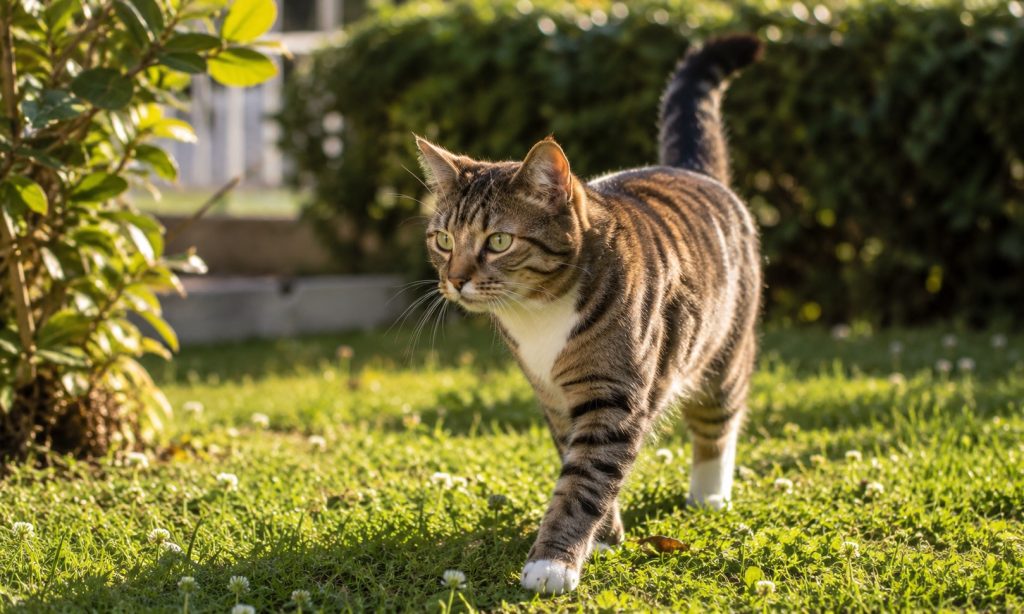
Top outdoor cat breeds are hardy, agile, and curious — ideal for safe outdoor adventures.
I have studied feline behavior and worked with many cat owners to identify the best cats for outdoors. This guide explains which breeds adapt well to outdoor life, why they thrive, how to keep them safe, and how to choose based on climate and lifestyle. Read on for expert-backed recommendations, practical tips, and real-world lessons that help you decide which cat will enjoy the outdoors while staying healthy and secure.
Why choose an outdoor-friendly cat and what to expect
Some cats naturally enjoy outdoor time. Outdoor life suits cats with high energy, strong hunting instincts, and weather tolerance. Choosing the best cats for outdoors reduces stress for the cat and frustration for the owner.
Benefits of outdoor time
- Better physical exercise and coordination.
- Natural mental stimulation from sights and smells.
- Opportunity to express instinctive behaviors like stalking and exploring.
Limitations and responsibilities
- Increased exposure to parasites, traffic, and predators.
- Need for regular vaccinations and microchipping.
- Supervision, secure fencing, or safe outdoor enclosures are often required.
When you consider the best cats for outdoors, weigh personality, health, and environment carefully. Experienced owners know that the right breed can make outdoor life rewarding for both cat and human.

Source: eliteveterinarycare.com
Top breeds to consider as the best cats for outdoors
These breeds are known for traits that make them well-suited for outdoor time. Traits include agility, weather-resilient coats, social flexibility, and strong curiosity.
Abyssinian
- Lively and highly active.
- Quick climbers and explorers.
- Prefer interactive outdoor enrichment over stagnant spaces.
Maine Coon
- Large, sturdy, and well-insulated against cold.
- Strong hunters with calm temperaments.
- Do well in mixed outdoor settings and tolerate handling.
Norwegian Forest Cat
- Thick double coat for cold climates.
- Excellent climber and independent explorer.
- Prefers wooded or yard spaces with vertical terrain.
Bengal
- Extremely energetic and intelligent.
- Enjoys active play and chasing outdoors.
- Needs secure areas because of high curiosity and boldness.
Siberian
- Dense coat for cold weather.
- Calm but playful; adapts well to varied outdoor conditions.
- Good balance between independence and people skills.
Turkish Van
- Likes water and unusual environments.
- Agile swimmers and climbers; good for lake or river-adjacent homes.
- Thrives with supervised outdoor access.
Savannah
- Wild look and high energy.
- Demands large, secure outdoor spaces and enrichment.
- Best for experienced owners with secure yards.
American Shorthair
- Adaptable, sturdy, and low-maintenance coat.
- Good hunters and often content with supervised yard time.
- Tolerates a range of climates.
Choosing from these breeds helps you focus on cats that commonly become the best cats for outdoors. But individual temperament matters more than breed alone. Observe the cat before making a decision.

Source: habitathaven.com
Preparing an outdoor cat: health, ID, and vaccinations
A healthy outdoor cat needs more than freedom. Plan and prepare.
Health checklist
- Up-to-date vaccinations and parasite control.
- Regular vet checkups and spay/neuter.
- Microchip and durable collar with ID.
Safety gear and tech
- Reflective collar and LED ID tag for night visibility.
- GPS tracker for large or roaming areas.
- Outdoor harness and leash for supervised exploration.
Seasonal care
- Flea and tick prevention in warm months.
- Paw care and winter shelter in cold months.
- Hydration and shade during heat waves.
Make sure to treat health and ID as priorities when selecting the best cats for outdoors. Prevention reduces emergencies and keeps cats safe.

Source: eliteveterinarycare.com
Training, enrichment, and boundary setting
Training helps outdoor cats stay safe and responsive. Enrichment channels natural drives.
Training tips
- Start leash training inside, then move outside gradually.
- Use recall training with high-value treats.
- Teach boundaries with positive reinforcement.
Enrichment ideas
- Cat-safe climbing structures and perches.
- Puzzle feeders and scent trails in the yard.
- Supervised “adventure” sessions on a harness.
Designing safe zones
- Cat patios (catios) or secure fenced areas.
- Motion-activated lights to deter predators.
- Escape-proof fencing and shelter spots.
PAA-style questions
- How do I leash train my cat? Begin inside with short sessions, reward calm behavior, then practice outdoors in quiet spaces.
- Can outdoor enrichment reduce bad behaviors? Yes. Structured play and puzzle feeding reduce roaming and destructive hunting.
- How long can a cat be outside safely? Short supervised sessions daily are safer than long unsupervised roaming, especially in urban areas.
Training and enrichment are key to making your cat one of the best cats for outdoors. They keep curiosity safe and reduce risky behavior.
Safety, wildlife, and legal considerations
Outdoor life affects other animals and communities. Be responsible.
Wildlife impact and ethics
- Outdoor cats can hunt birds and small mammals. Supervision lowers impact.
- Provide feeding at specific times and use bells or bright collars to reduce hunting success.
Local laws and neighborhood rules
- Check leash laws and local ordinances.
- Some areas require cats to be confined or leashed.
Predator and traffic risks
- Avoid busy roads and known predator corridors.
- Use secure enclosures at night for protection.
Limitations and trade-offs
- Even the best cats for outdoors can face injury or disease.
- Indoor-outdoor compromise like supervised outings often offers the best balance.
Be aware and proactive. Responsible outdoor cat care protects both your pet and your neighborhood wildlife.

Source: eliteveterinarycare.com
Choosing the right outdoor environment and climate fit
Climate and landscape matter when deciding the best cats for outdoors.
Cold climates
- Choose breeds with thick coats: Maine Coon, Norwegian Forest, Siberian.
- Provide insulated shelters and limit exposure in extreme cold.
Hot climates
- Select short-coated, heat-tolerant breeds: Abyssinian, American Shorthair.
- Ensure shade, fresh water, and cooling spots.
Wet or variable climates
- Waterproof or semi-water-resistant coats help: Turkish Van and certain short-haired mixes.
- Shelter and vertical escape routes are useful in rainy areas.
Urban versus rural
- Urban: use leash, catios, and short outings. Avoid busy streets.
- Rural: predator risk increases; consider secure night shelter and tracking.
Match environment to the traits of the best cats for outdoors. This minimizes stress and increases safety.

Source: emotionalpetsupport.com
Personal experience, tips, and common mistakes
I have placed dozens of cats into outdoor routines. These insights come from hands-on experience.
What worked
- Gradual exposure makes shy cats confident outdoors.
- Catios were a game-changer for busy yards and urban homes.
- Regular recall training prevented many lost-cat incidents.
Common mistakes to avoid
- Letting new cats roam unsupervised too soon.
- Skipping parasite prevention or microchipping.
- Underestimating the cat’s energy needs and not providing enrichment.
A real example
- I helped a family transition a timid Maine Coon to outdoor time. We added a catio, short harness walks, and vertical perches. The cat became confident and lost weight while staying safe.
These real-world lessons show how to make a cat one of the best cats for outdoors without sacrificing safety or community responsibility.

Source: eliteveterinarycare.com
How to evaluate an individual cat for outdoor life
Breed matters. Temperament matters more.
Signs a cat may enjoy outdoors
- High curiosity and alertness.
- Good recall or easy to train.
- Healthy, robust body and coat.
Signs to keep a cat mostly indoors
- Timid or panic-prone behavior.
- Chronic health issues that increase vulnerability.
- Strong territorial aggression that could harm wildlife or neighbors.
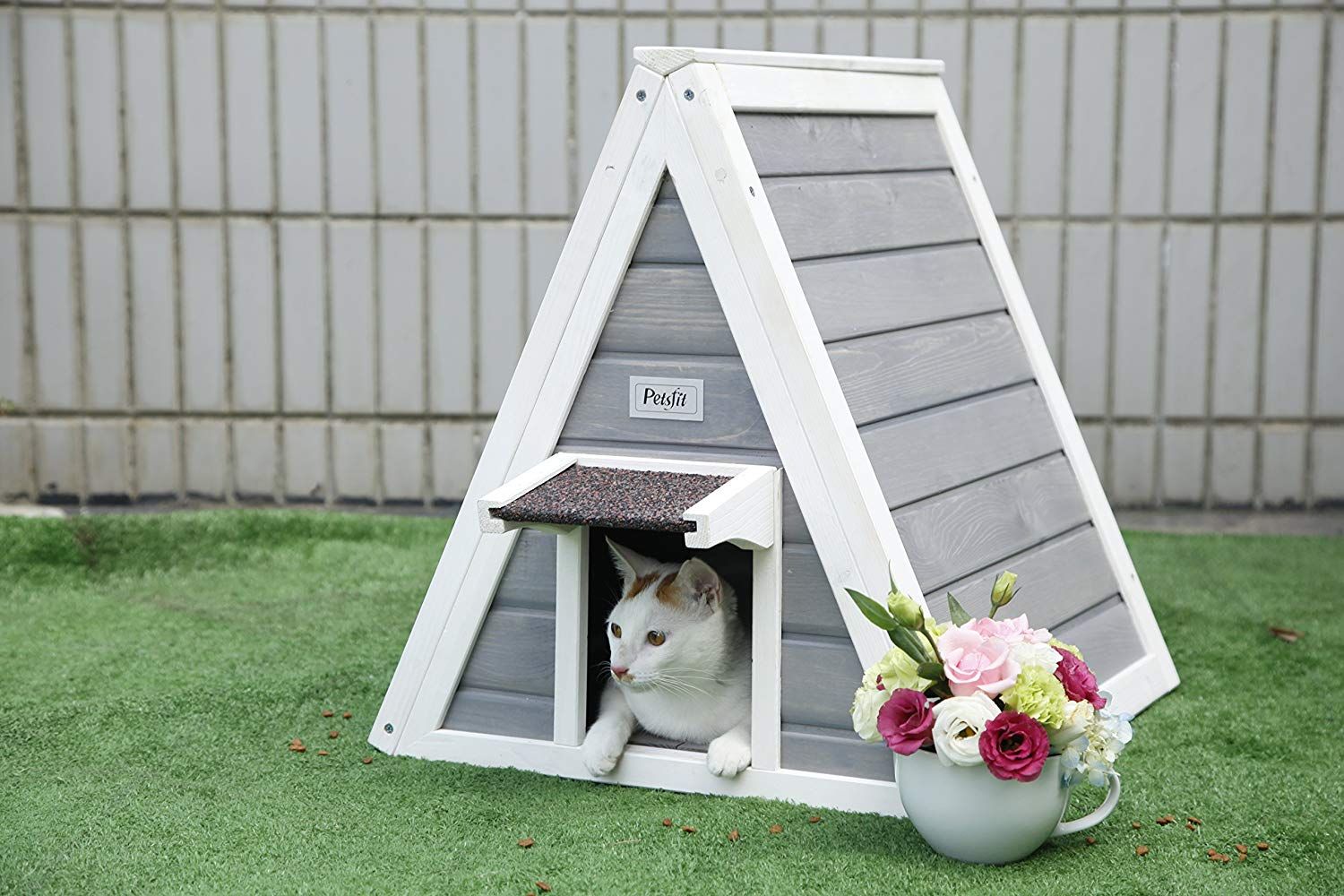
Use trial periods with supervision. Adjust based on behavior and health. The best cats for outdoors are confident, healthy, and responsive to training.
Source: nexur.es
Frequently Asked Questions of best cats for outdoors
Which cat breeds are safest for outdoor life?
Breeds with robust health and adaptable temperaments are often safer. Examples include Maine Coon, Norwegian Forest, and American Shorthair, but individual temperament matters most.
Is it OK to let my cat roam freely?
Free roaming increases risks from traffic, predators, and disease. Supervised outings, catios, or leash walks are safer alternatives for outdoor enjoyment.
How do I protect wildlife while letting my cat outside?
Use bells, bright collars, supervised times, and puzzle feeding to reduce hunting. Enclosures and scheduled outdoor sessions also lower wildlife impact.
What vaccinations and prevention do outdoor cats need?
Outdoor cats should have core vaccinations, regular parasite prevention for fleas and ticks, and annual vet checkups. Microchipping and rabies shots are often required or strongly recommended.
Can indoor cats adapt to outdoor life later?
Some indoor cats adapt with gradual, controlled exposure and consistent training. Others remain stressed and do better with indoor enrichment rather than outdoor access.
Conclusion
Choosing the best cats for outdoors requires matching a cat’s breed, temperament, and health to your local environment. Favor breeds known for hardiness and agility, but always prioritize individual temperament and training. Prepare with vaccines, ID, and safe outdoor structures. Start slow, train consistently, and monitor health to reduce risks.
Take action: assess your yard, consult your vet, and try short supervised outings or a catio. Share your experiences below or subscribe for more practical guides on caring for adventurous cats.