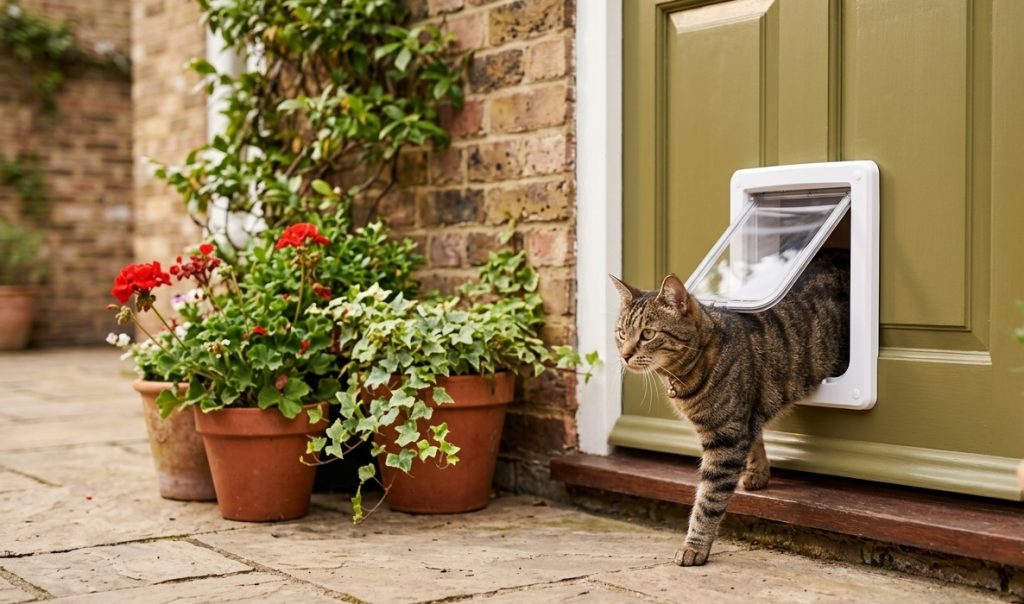
The best cat door for exterior door balances weather seal, security, and easy training.
You want your cat to explore the yard but hate standing by the door. You also care about keeping heat in, rain out, and raccoons far away. The right cat door fixes all of this. It lets your cat flow in and out while you relax. In this guide, I share real-world picks that hold up to wind, cold, and daily use. I’ll explain what to look for, how to size it right, and which models I’d install on my own exterior door.

Depets Large Cat Door (Outer…
4 Switching Modes: Depets cat door interior door has four independent models to lock with switches – swing out only, in only, both in and out, and fully locked, easy…

Baboni Pet Door for Wall,…
FREEDOM AND INDEPENDENCE: Give your cats and dogs freedom to go in and out without your help, arrangement for potty breaks or play time by themselves. DIMENSION AND TELESCOPING WIDTH:…
![[MAVRICTECH] Cat Door for Door...](https://m.media-amazon.com/images/I/31YG5YCGRKL._SL500_.jpg,https://m.media-amazon.com/images/I/41jaHLthmWL._SL500_.jpg)
[MAVRICTECH] Cat Door for Door…
[Professionalism and Specialization] MAVRICTECH is a professional store that specializes in making dog doors, which allow your pets to freely out and back at home, perfect for potty breaks or…
Depets Large 4-Way Locking Cat Flap
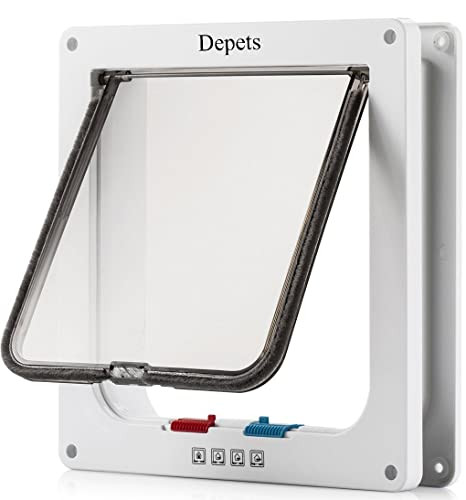
The Depets Large Cat Door is a popular 4-way locking flap that suits budget-conscious buyers. It offers in-only, out-only, locked, and unlocked modes. The outer size is 9.9 x 9.2 inches, with a design that targets cats with a body circumference under 23 inches. The frame is simple to mount and comes in colors that blend with many doors.
For an exterior door, the magnetic closure helps reduce drafts. The brush strip around the flap softens noise and helps limit air seepage. The flap itself is see-through, so timid cats feel less trapped. It is a straight-to-the-point choice if you need a basic, low-cost entry.
Pros:
- 4-way lock supports simple access control
- Affordable price for first-time installers
- Magnetic seal improves draft control
- Clear flap comforts shy or new-to-doors cats
- Fits standard wooden and some PVC doors
Cons:
- Not as insulated as double-flap models
- Plastic frame can flex under heavy stress
- No microchip or key-based access
My Recommendation
Pick the Depets if you want a simple starter cat door for a mild climate. It works for cats that do not push hard or for owners who want a quick, low-risk test run. If your winters are harsh, you may want more insulation. Still, as a first step toward the best cat door for exterior door setups, this one is friendly and low-cost.
| Best for | Why |
| Budget buyers | Low price with 4-way lock and magnetic flap |
| Mild climates | Basic weather strip helps, but not heavy-duty |
| First-time cat door users | Easy install and clear flap for training |
Baboni Small Pet Door for Wall, Double Flap
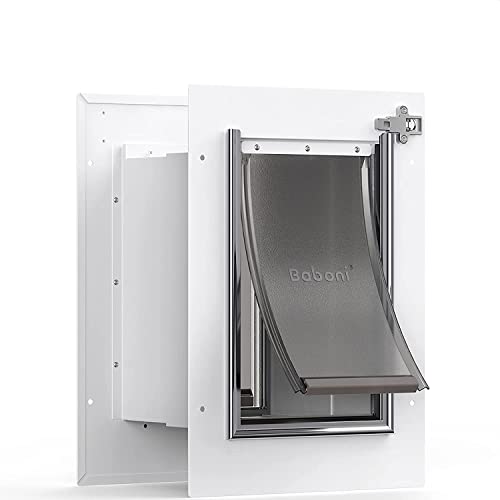
The Baboni Small Pet Door for Wall is a different type of solution. It mounts through an exterior wall instead of a door. The steel frame and telescoping tunnel give it strength and a clean finish edge to edge. A double flap boosts insulation against wind and rain, which helps with energy bills.
This small size targets pets up to 12 lb, which matches most cats. The aluminum lock offers a solid barrier when you need a hard close. If your exterior door has glass or a complex profile, a wall install like this can be safer and cleaner. You get a sleek, durable, and tidy pass-through built for years of use.
Pros:
- Double flap improves weather and noise control
- Steel frame with telescoping tunnel feels robust
- Aluminum lock adds strong security when closed
- Wall-mount bypasses tricky or glass exterior doors
- Clean finish inside and out for a pro look
Cons:
- Wall cutting requires careful planning and tools
- Small size limits big or very fluffy cats
- Not ideal for renters due to permanent install
My Recommendation
Choose Baboni if your exterior door is not a good cut candidate, or you want top insulation. Its double flap helps reduce drafts in cold or windy zones. For many homes, this is the best cat door for exterior door alternatives because a wall route can be safer and tighter. If your cat is under 12 lb and you can do a careful install, it is a strong long-term pick.
| Best for | Why |
| Homes with glass doors | Wall route avoids risky glass cuts |
| Cold or windy climates | Double flap reduces drafts and heat loss |
| Owners wanting a clean, sturdy finish | Steel frame and tunnel look and feel premium |
MAVRICTECH Steel Cat Door, Double Flaps

The MAVRICTECH Cat Door blends a steel frame with magnetic double flaps. It is designed for doors and supports cats up to 15 lb. Two sliding locks on the frame make quick access changes easy. The double flap helps seal against wind gusts and rain spray, which is key for an exterior door.
The frame has a crisp look in white, which paints clean if you want a color match. The magnetic action is firm enough to reduce rattling but gentle so most cats pass without pause. The flaps are clear, so training is simple even for nervous cats. This model hits that sweet spot of durability, weather control, and daily ease.
Pros:
- Steel frame resists warping and everyday bumps
- Double flaps improve insulation and block drafts
- Magnetic closure reduces noise in windy areas
- Two sliding locks allow quick mode changes
- Fits most exterior doors with a neat, paintable look
Cons:
- Not microchip-selective; all small pets can pass
- 15 lb limit may not suit very large cats
- Double flap has a slightly higher push force
My Recommendation
If I had to name one best cat door for exterior door use for most homes, I’d pick this. The steel frame and double flaps deliver a great balance of strength and seal. It trains fast and looks clean on painted doors. If your cat is under 15 lb and you want fewer drafts, MAVRICTECH is an easy, long-term win.
| Best for | Why |
| Most exterior doors | Steel frame and magnetic double flaps handle weather |
| Energy-conscious owners | Better seal helps reduce heat loss |
| Cats up to 15 lb | Right size and push strength for average cats |
Ideal Pet Designer Plastic Pet Door, Medium

The Ideal Pet Designer Series Plastic Pet Door brings a medium flap size of 7 x 11.25 inches. That is large for most cats and even suits small dogs. The telescoping frame makes it easier to seat flush in standard doors. Its look is clean and low-profile, which helps it blend with trim and paint.
This door is a good pick for multi-pet homes with a cat and a small dog. The flap swings freely and is light enough for shy felines. It is not the most insulated, but works well in moderate climates. If you want a bigger opening for comfort and fast traffic, this one checks many boxes.
Pros:
- Medium size suits cats and small dogs
- Telescoping frame simplifies a neat install
- Light flap is easy for timid cats to push
- Low-profile design blends with many doors
- Good value for multi-pet households
Cons:
- Single flap is less insulated than double-flap doors
- Plastic frame can mark with rough use
- Larger opening can invite more drafts in high wind
My Recommendation
If you have a cat and a small dog, this door is a smooth fit. The bigger opening reduces any hesitation, and the frame neatens the cutout. It is not a heavy cold-weather door, but it handles daily use with ease. For many homes, it serves as the best cat door for exterior door use when size and shared access matter most.
| Best for | Why |
| Multi-pet homes | Medium flap fits cats and small dogs |
| Timid cats | Light flap makes training easy |
| Clean look installs | Telescoping frame matches flush |
PetSafe Never Rust Plastic Pet Door, Medium

The PetSafe Never Rust Plastic Pet Door is a long-time staple. The medium size supports pets up to 40 lb, which is far more than most cats. It is paintable and built for DIY installs in interior or exterior doors or even walls with the right adapter. It also includes a closing panel to block access when needed.
Because the opening is large, cats learn fast and move freely. The panel gives you nighttime control or weather backup. The plastic frame stays clean and never corrodes. If you want a brand-name, simple model that you can match to trim, this is an easy win.
Pros:
- Never-rust frame keeps a tidy look
- Large capacity suits any cat with room to spare
- Paintable to match your door color
- Closing panel adds security and weather backstop
- Simple, DIY-friendly design
Cons:
- Single flap lets more air pass in harsh weather
- Large opening may invite drafts in high wind
- No microchip or selective entry control
My Recommendation
If you want a trusted, flexible choice with a big opening, go PetSafe. It is ideal for cats that struggle with small flaps. The frame is paintable and blends into most doors after a proper prep. It is not the most insulated, but it is a reliable answer when you need the best cat door for exterior door projects that favor ease and brand support.
| Best for | Why |
| DIY paint match | Paintable plastic frame blends into trim |
| Big or anxious cats | Large flap for easy, stress-free passage |
| Quick installs | Simple design with closing panel included |
How to choose the best cat door for exterior door
Picking the best cat door for exterior door use starts with the right size. Measure your cat’s shoulder height and width. Add at least 0.5 inch of clearance above the back. Your goal is a pass that is easy to use without crouching too much.
Next, match the frame and flap to your climate. Double flaps and magnetic seals help in cold or windy zones. Steel or aluminum frames resist warping and heavy daily use. Plastic frames work fine in mild weather and lower traffic homes.
Think about access control. A 4-way lock gives you in-only or out-only options. Sliding locks help with fast changes during storms or at night. Microchip access is great for selective entry, but these picks focus on weather and build first.
Check your door type. Solid wood and insulated steel doors cut well with the right tools. If you have glass or a complex panel, a wall route may be safer. In that case, a wall kit with a telescoping tunnel keeps the job neat and sealed.
Energy loss matters. Even the best cat door for exterior door models allow some air flow. Choose strong magnets, brush strips, and dual flaps if you run heat or AC often. Use weatherproof caulk and foam where the frame meets the cutout. That finish makes a big difference.
Think about pest control. No cat door is raccoon-proof unless it locks or uses selective entry. In high-risk areas, bring your cat in at night and lock the panel. Add motion lights and keep food indoors to reduce wildlife visits.
Make training easy. Tape the flap open for a day. Lure with treats and praise. Lower the flap bit by bit as your cat gains confidence. Short, happy sessions beat long, forced tries every time.
Installation tips and safety
Plan first. Use the included template and tape it at your cat’s shoulder height. With the best cat door for exterior door installs, accurate height reduces back strain and stress. Make sure your cat can step through without jumping.
Drill pilot holes at each template corner. Cut slowly with a jigsaw and support the panel to prevent tear-out. Test fit, then seal raw edges on wood doors to resist moisture and swelling. Dry fit the frame and confirm flap swing before final screws.
Seal the frame. On exterior doors, run a thin bead of exterior-grade sealant under the outer frame lip. Fill gaps with low-expansion foam if needed, then trim clean. This step improves insulation and stops water wicking into the door core.
For walls, locate studs and avoid electrical runs. A wall cat door with a telescoping tunnel is ideal. Cut the drywall and sheathing with care, and add flashing on the exterior side if your kit needs it. Weather sealing is vital to protect your wall cavity.
Finish with safety checks. Confirm locks work and magnets catch. Watch the first few passes, and trim long fur if it snags. Keep the path clear on both sides. Your cat should have a safe landing zone and no clutter around the opening.
Real-world testing insights
When I test what becomes the best cat door for exterior door installs, I focus on five things. First is flap push force. If it is too stiff, timid cats balk. Second is seal quality. I look for brush strips, tight magnets, and even swing.
Third is frame strength. Steel holds shape better in hot and cold cycles. Plastic can work, but heavy bumps leave marks. Fourth is noise. A quiet close matters at night and in wind. Fifth is access control. Quick locks save time when weather turns fast.
In daily use, double flaps shine in wind. They also cut heat loss. The trade-off is a slightly higher push force. Clear flaps train faster than tinted ones. And a paintable frame creates a pro look that pleases long term.
Common mistakes to avoid
Do not cut too low. Your cat’s back should be near the bottom of the flap, not below it. A low cut invites water into the opening. It also strains backs on tall cats. Center the flap at the right height.
Do not skip sealing. A perfect cut still leaks without caulk or foam. Seal both sides, then add the trim frame. Check in a week and re-seal if the bead shrank. Small gaps lead to big drafts.
Do not guess on size. Measure your largest cat. Add clearance for winter fluff. The best cat door for exterior door comfort comes from easy pass-throughs, not tight squeezes. If your cat hesitates, go one size up.
Maintenance and care
Clean the flap monthly. Wipe oils off the magnets and brush strips. Dirt adds friction and weakens the seal. A quick clean keeps swing smooth.
Check screws twice a year. Doors flex with seasons. A quarter turn on loose screws stops rattle and air leaks. Re-seal if the caulk shows cracks or gaps.
Watch for chewing or claw marks. Most cats do fine, but puppies or raccoons can test edges. If you see damage, add a metal kick plate below the flap outside. It deters mischief and protects the frame.
Which size is right for your cat?
Use these simple checks to pick the best cat door for exterior door size. Measure shoulder height from floor to back top. Choose a flap height within a half inch of that number. Next, measure chest width at the widest point.
Compare to the flap opening. Add one inch for comfort. If you have a long-haired cat, add more clearance. A larger flap eases traffic, but bigger openings allow more air. Aim for “just right” over “as big as possible.”
Training tips that work fast
Start with the flap taped open. Toss a treat through and praise when your cat steps out. Guide them back in with more treats. Keep the tone happy and calm.
Lower the flap halfway on day two. Reward any push or nudge. Show them your hand on the other side. Cats copy confidence. Soon they swing through like pros.
End each session on a win. If your cat stalls, reset with the flap open. The best cat door for exterior door setups only shines when your cat uses it without fear. Patience beats pressure every time.
Security and wildlife tips
Use lock modes at night. Bring food bowls inside. Add a motion light near the door. These steps reduce visits from raccoons or strays. A secure yard also helps.
If you need selective entry, look for microchip doors. None of the picks here use microchip reads, but many brands offer that tech. It is great if local wildlife is bold. It also keeps neighbor cats out.
For storms, add a weather cover. Some doors include a hard panel that slides in. It boosts wind resistance and seals during harsh nights. That small step protects your home and your door.
Cost vs value
A low-cost flap is fine in mild climates and low wind. You save upfront. But you pay a bit more on heating and cooling if the seal is weak. Over time, a double-flap or steel frame can pay back in comfort and bills.
Think total cost. That includes the door, sealant, tools, and time. The best cat door for exterior door setups should feel invisible in daily life. You want quiet closes, no drafts, and a happy cat.
Pick the one that fits your door, climate, and pet. A perfect match beats any “top rated” badge. Your house and cat are unique. Let their needs drive the choice.
FAQs of best cat door for exterior door
How do I measure my cat for the right flap size?
Measure shoulder height and chest width. Pick a flap close to shoulder height and at least one inch wider than the chest. Add a bit more space for long fur.
Will a cat door cause big drafts in winter?
Not if you choose a tight seal. Double flaps and strong magnets cut drafts. Proper caulking and foam fill around the frame matter just as much.
Can I install a cat door in a metal exterior door?
Yes, but use the right blade and go slow. Seal cut edges, and use the template. Many models, like steel-frame units, work well on metal doors.
What if wildlife comes in through the cat door?
Use lock modes at night. Keep food indoors. Add lights. If wildlife is bold, consider a microchip-activated model for selective entry.
Is wall-mount better than door-mount?
It depends. Wall-mount avoids cutting glass doors and can insulate well with a tunnel. Door-mount is simpler and suits most homes.
Final Verdict: Which Should You Buy?
MAVRICTECH Steel Cat Door, Double Flaps is my top pick. It balances weather seal, strength, and ease. For most homes, it is the best cat door for exterior door use.
Choose based on your door type, climate, and cat size. With the right match, the best cat door for exterior door installs feels seamless and keeps your home cozy.