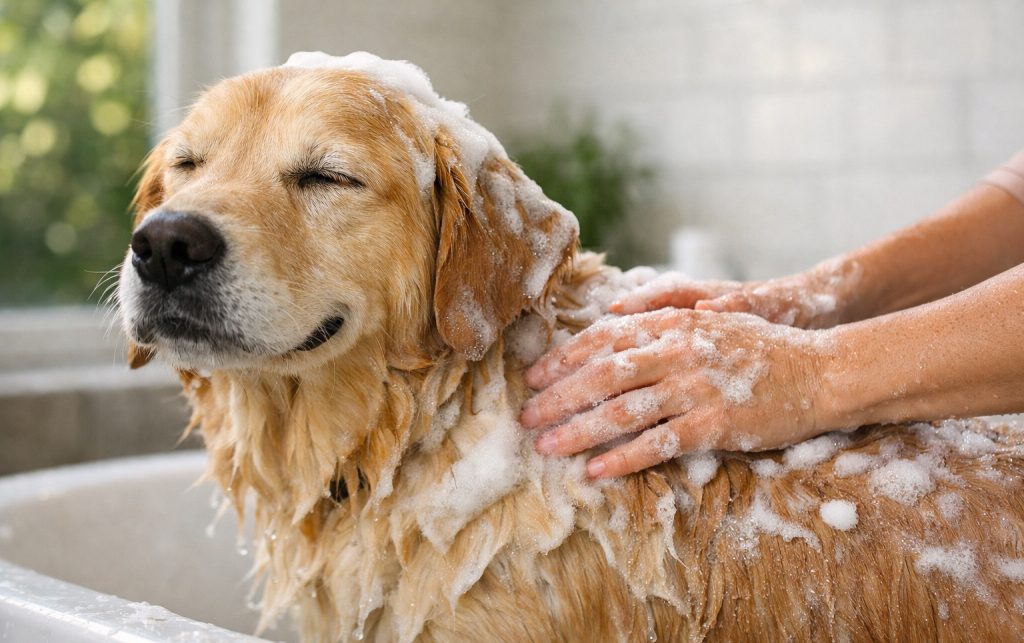
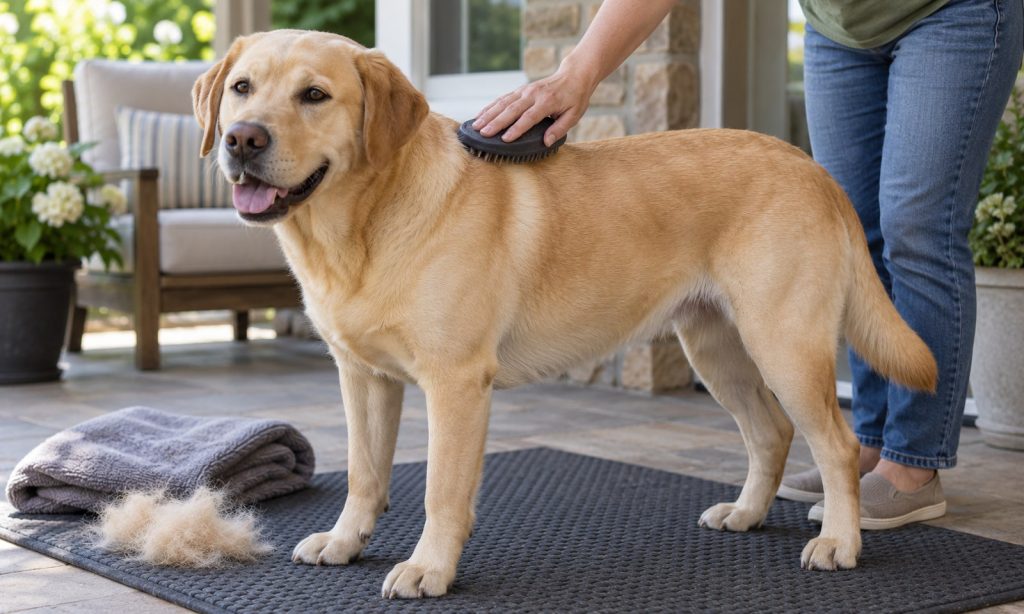
Short dog hair has a way of working itself into couch cushions, car seats, and the sleeves of your favorite sweatshirt. A smooth-looking coat can still leave a surprising amount of fur behind, but buying the most aggressive brush is rarely the best answer. The best deshedding tool for short hair dogs depends on what sits beneath that short outer coat: some dogs need help lifting loose surface hair, while others also shed a dense undercoat. This guide compares six useful options, from rubber brushes and grooming gloves to dedicated metal shedding tools. My recommendations focus on coat suitability, handling, cleanup, and the limits that matter during an ordinary grooming session. You will also find a practical way to choose between them and use them gently. The aim is a comfortable routine that collects loose fur before it spreads through your home, without chasing an unrealistic promise of zero shedding.
As an Amazon Associate I earn from qualifying purchases.
Quick Answer: Match the Tool to the Coat
For everyday grooming on a healthy smooth coat, my first choice is the KONG ZoomGroom. For a large short-haired dog with a suitable dense undercoat, the FURminator Large Dog Short Hair tool is the more targeted choice. These recommendations address different coats; neither is the best tool for every short-haired dog.
Quick Picks
| Product | Best For | Key Advantage | Buy | |
|---|---|---|---|---|
| KONG ZoomGroom, Large Blue | Everyday smooth-coat grooming | Rubber fingers for dry brushing and bathing | View on Amazon | Jump to Review |
| FURminator Large Dog Short Hair Undercoat Tool | Large short-coated dogs with an undercoat | Dedicated short-hair undercoat edge | View on Amazon | Jump to Review |
| SleekEZ Original Grooming Tool, 5 Inch | Medium to large dogs needing a handheld shedding tool | Broad 5-inch grooming format | View on Amazon | Jump to Review |
| EquiGroomer Deshedding Brush, 5 Inch Purple | Owners comfortable with short sectional strokes | Clear dry-coat grooming method | View on Amazon | Jump to Review |
| HandsOn Grooming Gloves, Black Medium | Owners who prefer grooming with their hands | Finger-and-palm nodules for wet or dry use | View on Amazon | Jump to Review |
| FURminator Curry Comb | Routine short-coat care with a hand strap | Molded rubber teeth and strapped grip | View on Amazon | Jump to Review |
How I Chose These Tools
This is a research-based comparison of product identities, manufacturer instructions, and practical grooming tradeoffs. The selections cover rubber brushing, hands-based grooming, dedicated undercoat removal, and two handheld shedding-blade formats. Recommendations are editorial judgments; they do not describe hands-on testing or a measured comparison of hair removal. I have not assigned star scores or repeated unverified customer-review claims.
Six tools offer enough useful choices here. A seventh overlapping undercoat rake would add less value than explaining when each type belongs in your grooming routine. Product variations matter, so the linked sizes and colors are identified in each section.
1. KONG ZoomGroom, Large Blue
What We Like
- Flexible rubber fingers
- Useful during shampooing
- Gentle circular brushing technique
- Simple handheld design
What We Don’t Like
- No dedicated undercoat edge
- Large version can feel broad on small areas
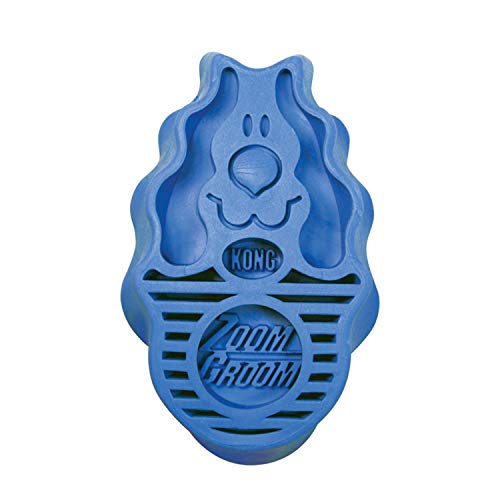
For a smooth-coated dog that mostly leaves short hairs on your clothes, the KONG ZoomGroom is my first option to consider. Its rubber fingers offer a different approach from a narrow metal shedding edge: you work gently over the coat to loosen and collect hair rather than trying to comb deeply through it. KONG describes the brush as suitable for dry grooming and shampooing, so it can serve two ordinary jobs in the same grooming kit. The manufacturer recommends gentle circular motions for brushing. That makes it a practical choice when you want a straightforward routine without learning the angle of a steel blade. This listing is the large blue dog version, which matters if you are comparing it with smaller versions or the separate cat model. Match the size to your hand and the area you need to groom, rather than treating every ZoomGroom listing as interchangeable.
The main tradeoff is depth. A rubber brush may be enough for surface shedding on a smooth coat, but it is not a direct substitute for a dedicated undercoat tool when a suitable double-coated dog is releasing dense loose fur. I would use this as the starting point for comfort and routine maintenance, then ask a groomer whether another tool is needed if substantial undercoat remains. During bathing, follow KONG’s shampooing instructions and rinse the coat thoroughly. Between baths, keep the pressure light and move around the body instead of repeatedly rubbing one spot. Plan to gather released hair from the grooming area afterward; buying a brush does not eliminate cleanup. A dog that flinches, turns toward your hand, or develops redness needs a pause and a gentler assessment, even with flexible fingers.
My Recommendation
I would choose the ZoomGroom first for a healthy smooth coat and an owner who wants one uncomplicated tool for routine brushing and baths. Choose a suitable undercoat tool instead when your dog actually has substantial loose undercoat; do not increase pressure to make rubber do a different job.
2. FURminator Large Dog Short Hair Undercoat Tool

What We Like
- Short-hair-specific design
- Stainless steel grooming edge
- Dedicated loose-undercoat removal
- Large-dog size clearly identified
What We Don’t Like
- Unsuitable for particularly sensitive skin
- Requires correct coat and size matching
Heavy undercoat shedding calls for a more specific purchase, and the FURminator Large Dog Short Hair tool fits that role. The verified listing is the short-hair, large-dog version, rather than a long-hair tool or a generic brush using a similar name. FURminator describes its large short-hair model for dogs over 50 pounds and designs the stainless steel edge to reach through the outer coat to remove loose undercoat. That makes it worth considering for a large dog whose short coat also has a dense layer beneath it. The important qualification is coat structure: short hair alone does not establish that your dog needs this tool. Before buying, confirm the current size guidance and your dog’s suitability with the manufacturer’s instructions or a groomer. I would prioritize that check over any headline percentage about reducing shedding.
This is the option in the lineup that most needs a measured technique. FURminator instructs owners to work gently in the direction of hair growth and avoid staying on the same area for an extended period. Its general guidance suggests one or two sessions a week, with session length varying by coat and dog; that is not a reason to keep brushing an uncomfortable pet until a timer runs out. Use the undercoat tool on a dry coat and inspect the skin before starting. The brand warns against using it on non-shedding breeds or pets with particularly sensitive skin. It also does not replace professional help for tight mats, sores, or an unexplained change in hair loss. In my view, it is a targeted grooming purchase for the right coat, while the rubber options are easier choices for routine surface maintenance.
My Recommendation
My recommendation is conditional: choose this exact large short-hair version for an appropriately sized dog with a suitable undercoat and healthy skin. For a thin smooth coat, uncertain coat type, or pronounced skin sensitivity, I would begin with veterinary or groomer advice and a less intensive tool.
3. SleekEZ Original Grooming Tool, 5 Inch

What We Like
- Five-inch working size
- Wooden handle format
- Manufacturer supports short coats
- No powered parts to manage
What We Don’t Like
- Smaller size better for tiny dogs
- Released fur still needs collection
A broad handheld format is the appeal of the 5-inch SleekEZ. This verified product combines a wooden handle with a metal grooming blade and is offered for short, medium, and long coats. The manufacturer’s FAQ specifically includes short-haired and double-coated dogs, while recommending its medium size for medium to large dogs. That gives this model a clearer role than simply calling it a brush for every pet. I would consider it when you want to cover a larger dog’s back and sides with a compact tool held close to the coat. The five-inch size is the model being compared here; the small and large SleekEZ tools have different handling implications. On a small dog, a narrower option may be easier to place accurately, particularly around curves and smaller grooming areas.
Technique and cleanup remain part of the decision. SleekEZ describes this as a shedding and grooming tool, not a shaving device, but that does not justify forcing the edge into the coat or making unlimited passes. Follow the manufacturer’s demonstration, begin lightly, and stop if the dog shows discomfort or the skin becomes irritated. Work somewhere easy to clean because removed hair needs to be gathered after it leaves the coat. I would not choose a broad blade to work through a knot that resists normal grooming, or to investigate a sore patch that needs professional attention. Its appeal is the simple handle-and-edge arrangement rather than accessories, electronics, or a complicated routine. If your dog accepts a rubber brush comfortably and has little loose hair remaining, there may be no practical need to add this second tool.
My Recommendation
I would shortlist the 5-inch SleekEZ for a medium to large short-haired dog when its grooming demonstration suits your handling style. Select the smaller format for a small pet, and favor a rubber tool if a metal edge makes your dog tense or encourages you to press too firmly.
4. EquiGroomer Deshedding Brush, 5 Inch Purple

What We Like
- Compact five-inch format
- Short-stroke grooming method
- Works in manageable body sections
- Maker provides detailed use guidance
What We Don’t Like
- Not intended for wet coats
- Cannot break apart mats
Rather than using long sweeping passes, the EquiGroomer asks you to groom in short sections. The verified listing is the purple 5-inch brush for dogs and cats, and the brand’s guidance describes short strokes in the direction of hair growth. Its fine blade teeth are intended to engage loose dead hair, with the manufacturer explaining that the initial passes may bring hair toward the surface before it releases. I see that instruction as useful because it discourages judging the entire session by the first stroke. However, visible fur is not the only measure of success: the dog should stay comfortable and the coat should not show signs of damage. Start cautiously, keep the tool moving between sections, and reduce pressure whenever you feel resistance. A careful demonstration from a groomer can help if you are unfamiliar with this style of tool.
The clearest limitation is moisture. EquiGroomer’s current instructions advise against wet or damp coats, explaining that moisture can accelerate rust and wet hair is more vulnerable to breakage. That places it in your dry grooming routine, separate from a rubber shampooing brush. The manufacturer also says the tool is not designed to break apart mats, so do not treat a stubborn knot as an invitation to rake harder. I would compare its short-stroke approach with SleekEZ’s handling before buying either; you may only need one of these formats. The purple color identifies the linked variation but should not decide whether the tool suits your dog’s coat. Choose it for the method and appropriate fit, store it dry, and reassess if your pet pulls away or your grooming session starts to become repetitive and forceful.
My Recommendation
I would pick the EquiGroomer for an owner who prefers deliberate, short strokes on a dry coat and will follow the manufacturer’s instructions closely. Choose the ZoomGroom or a suitable curry comb for bathing, and use professional help for mats instead of this blade.
5. HandsOn Grooming Gloves, Black Medium
What We Like
- Individual finger control
- Textured palms and fingers
- Wet-and-dry grooming versatility
- Hand-shaped contact follows body curves
What We Don’t Like
- Medium sizing must fit your hands
- Gloves may still worry a reluctant dog
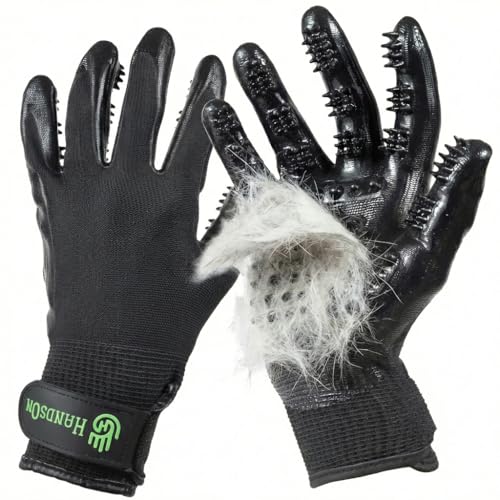
If holding a brush interrupts the way you naturally pet your dog, HandsOn gloves offer a different starting point. This listing is the black medium pair, with grooming nodules across the fingers and palms. The manufacturer supports wet and dry use, so the same format can help with a brushing session or shampooing. Individual fingers allow you to follow the shape of the dog’s body instead of keeping a broad brush face flat against every curve. I would consider them for a smooth coat and an owner who prefers close hand control. Their usefulness still depends on the dog accepting the textured contact; the glove shape does not automatically make grooming feel like ordinary petting. Let your dog inspect them first and begin with an easy area of the back, using a calm approach and light pressure.
Hand sizing is the practical detail to check before ordering. A medium glove that fits one owner well may be loose or restrictive on another, so consult the brand’s current sizing information and choose your hand size deliberately. The linked medium variation should not be treated as the default for every household. I would also keep expectations realistic about dense undercoat: a glove can loosen and lift hair, but a dog with significant retained undercoat may need a different suitable tool. Plan for a controlled grooming space and collect loose fur after the session. Keep textured fingers away from eyes, raw skin, and any area your dog guards. For me, the strongest reason to choose HandsOn is the hands-based format and wet-or-dry flexibility, rather than a promise that every dog will instantly relax or that one pair will replace every grooming tool.
My Recommendation
I would choose HandsOn for a healthy smooth-coated dog and an owner who likes using their hands to control contact. Confirm the glove size first. If your dog dislikes textured gloves or needs targeted undercoat care, a well-matched handheld brush is the better purchase.
6. FURminator Curry Comb

What We Like
- Hand strap aids handling
- Molded rubber grooming teeth
- Suitable for wet or dry fur
- Useful for brief maintenance sessions
What We Don’t Like
- Different job from an undercoat deshedder
- Repeated rubbing can irritate skin
The hand strap is the detail that makes the FURminator Curry Comb worth comparing with the ZoomGroom. Its molded rubber teeth and strapped grip create a straightforward maintenance tool for short, dense coats. The verified Amazon listing identifies the curry comb, which is important because the FURminator name also appears on metal undercoat tools. These products perform different jobs, despite sharing a brand. The manufacturer’s curry-comb guidance allows wet or dry use and describes gently stroking in the direction of hair growth. I would consider it when you want to keep a grooming tool positioned against your palm during an ordinary session. That grip may suit your preferences better than holding an unstrapped rubber brush, although comfort is personal and should not be assumed from the product’s name alone.
Think of this as regular coat care rather than a shortcut to aggressive undercoat removal. The manufacturer describes rubber teeth that massage the skin and help distribute natural oils, but a curry comb does not remove the need to assess unusual shedding or skin changes. Begin on a healthy section of coat and keep sessions brief enough that the dog stays comfortable. FURminator specifically warns that excessive strokes in one area may irritate the fur and skin. It also advises seeking veterinary treatment for sores, bruises, or skin conditions before resuming brushing. I would use that caution to guide the routine, especially on a dog with thin hair over sensitive areas. If you already own a rubber brush that handles well, this may be an alternative rather than an essential extra purchase; the strap is the most useful point of distinction.
My Recommendation
I would pick the curry comb when a hand strap makes gentle maintenance easier for you. It is an alternative to the ZoomGroom for routine coat care, while a suitable metal undercoat tool serves a separate purpose on dogs that need it.
How to Choose a Deshedding Tool for Your Short-Haired Dog
Check the coat beneath the short hair
Separate the hair gently and look at its structure. A very smooth coat and a short coat with dense, soft undercoat can need different tools. If you are unsure, have a groomer identify the coat before buying a metal deshedder. VCA Animal Hospitals identifies flexible grooming gloves and short-bristled brushes as suitable options for smooth-coated dogs. That supports starting with a simple surface-grooming approach when deeper undercoat removal is unnecessary.
Buy for the job you actually need
For routine surface hair and bathing, compare the ZoomGroom, HandsOn gloves, and FURminator Curry Comb. For a suitable large dog with loose undercoat, investigate the short-hair FURminator. For dry grooming with a handheld blade format, compare SleekEZ and EquiGroomer instructions. Do not choose a metal edge simply because more hair looks impressive in a demonstration. The better purchase is the tool that does the required job comfortably.
Check size, grip, and cleanup
Match a glove to your hand, a brush to the dog’s body, and an undercoat tool to the maker’s weight and coat guidance. Broad tools may be convenient on a large back but less precise around small curves. Think about whether you prefer a wooden grip, rubber brush, or hand strap. Use a washable towel or an easy-clean grooming area and collect released hair promptly. No tool makes normal shedding disappear.
A Gentle Grooming Routine That Avoids Overbrushing
Start by checking the coat and skin. Skip irritated or painful areas and get professional advice for tight mats or unexplained hair loss. Let your dog sniff the tool and reward calm behavior. Begin with a few light passes over the back, then inspect the skin and check how your dog responds.
Follow the instructions for the exact tool. KONG recommends gentle circular brushing with the ZoomGroom; the curry comb uses strokes with hair growth. For metal shedding tools, work carefully in the hair’s direction and keep moving between sections. EquiGroomer and the FURminator undercoat tool belong on dry coats. Wet-or-dry permission for a rubber brush does not transfer to a different metal tool.
End the session if your dog flinches, repeatedly turns toward the tool, tries to leave, or develops redness. Do not keep working one patch because it continues to produce fur. Review the product instructions and get help from a groomer if you cannot find a comfortable technique. Brushing should collect loose hair while protecting the coat and skin.
If loose hair still accumulates in your rooms, our guide to brooms for dog hair on hardwood floors covers the separate cleanup task. For a household with cats as well, use our cat deshedding brush guide to compare feline grooming options; do not assume the dog tool or technique is appropriate for every cat.
When Shedding Needs Veterinary Attention
Normal loose fur is different from bald patches, persistent itching, inflamed skin, or a sudden unexplained change in the coat. The American Kennel Club advises veterinary guidance for thinning fur, bald areas, and irritated skin. Increasing brushing pressure does not address the cause of those changes. Arrange an assessment before turning an uncomfortable skin problem into a more intensive grooming routine.
Frequently Asked Questions
What is the best deshedding tool for short hair dogs?
For a healthy smooth coat, I would start with the KONG ZoomGroom or a well-fitting grooming glove. A large short-coated dog with a suitable undercoat may benefit more from the FURminator Large Dog Short Hair tool. Coat structure, size, skin condition, and handling determine the better choice.
Can I use a FURminator on every short-haired dog?
No. Its undercoat tool is intended for appropriate shedding coats, and the manufacturer warns against using it on non-shedding breeds or pets with particularly sensitive skin. Verify coat suitability and the exact size before buying. A rubber curry comb is a different product with different instructions.
How often should I deshed a short-haired dog?
There is no schedule that fits every tool and coat. FURminator’s general undercoat-tool guidance is one or two sessions weekly, adjusted to the dog and coat. Gentle maintenance brushing may follow a different routine. Follow your tool’s directions and your groomer’s advice, and stop sooner if the dog is uncomfortable.
Should I brush before or after a bath?
Remove loose debris and address tangles safely before bathing. Metal tools that specify dry grooming should be used only after the coat is fully dry. The ZoomGroom, HandsOn gloves, and curry comb support wet use under their own instructions. Always rinse shampoo thoroughly.
Will a deshedding brush stop my dog from shedding?
No. Grooming collects loose hair and can make household fur easier to manage, but it does not stop the normal hair cycle. If shedding changes suddenly or comes with bald areas, itching, or redness, speak with your veterinarian rather than buying a stronger brush.
Final Verdict
The most useful choice is the one that matches the coat you have. I would start with the KONG ZoomGroom for a healthy smooth-coated dog, select HandsOn gloves for a hands-based routine, or choose the FURminator Curry Comb when a strapped grip suits you. For a suitable large short-haired dog with dense loose undercoat, the short-hair FURminator deserves the closer look. SleekEZ and EquiGroomer offer alternative dry grooming methods when their size and technique fit your needs.
Choose one suitable tool first, use it gently, and judge success by your dog’s comfort as well as the loose hair collected. Check the exact linked variation and current instructions before ordering.