Taking your dog on a plane starts well before you reach the airport. The carrier has to protect your pet, fit the aircraft, and remain manageable through security and boarding. A bag advertised as airline approved is not automatically accepted on every route. Airlines set different limits, and even aircraft within one airline can vary. More importantly, your dog must fit without uncomfortable compression. This guide compares seven identifiable carriers with different layouts, entry points, and carrying styles. We focus on practical choices, not blanket promises about gate approval. You will learn how to compare interior space, ventilation, closures, bedding, and under-seat fit. We also explain why expandable panels and backpack shapes require extra checks. Before booking, confirm the carrier rules for your exact flight. Introduce the bag at home with short, calm sessions. The goal is a safer, less stressful trip for both of you.
Quick Picks
| Product | Best For | Key Advantage | Buy | |
|---|---|---|---|---|
| Sherpa Original Deluxe Travel Pet Carrier | frequent cabin trips with a small dog | compressible spring-wire frame | View on Amazon | Jump to Review |
| Mr. Peanut’s Gold Series Low-Profile Tote | dogs that settle comfortably lying down | low-profile tote form | View on Amazon | Jump to Review |
| Sleepypod Air Pet Carrier | owners wanting one carrier for cabin and car trips | adjustable travel-bag shape | View on Amazon | Jump to Review |
| Henkelion Soft-Sided Pet Carrier | occasional flights and everyday errands | lightweight polyester body | View on Amazon | Jump to Review |
| EliteField Expandable Soft Pet Carrier | dogs that benefit from extra lounge space during permitted stops | expandable side panels | View on Amazon | Jump to Review |
| Petsfit Airline Pet Carrier | smaller dogs needing a structured soft-side layout | dual-position padding | View on Amazon | Jump to Review |
| PetAmi Four-Way Entry Backpack Carrier | owners combining airport walking with short transfers | multiple access points | View on Amazon | Jump to Review |
Detailed Product Reviews
1. Sherpa Original Deluxe Travel Pet Carrier
What We Like
- Spring-wire frame for limited height adjustment
- Top and side loading
- Removable washable liner
- Locking zipper design
What We Don’t Like
- Dog must still turn comfortably
- Carrier size varies by aircraft
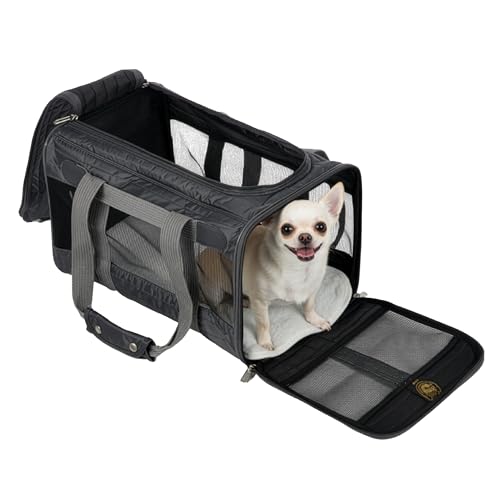
The Sherpa Original Deluxe Travel Pet Carrier is an option for frequent cabin trips with a small dog. Its main practical features include compressible spring-wire frame, ventilated panels, and top and side access. That combination can make handling your dog easier during a busy travel day. Start by looking at the bag’s actual interior space. Advertised capacity alone is not enough for a comfortable fit. Place your dog inside the closed carrier at home. Look for a natural resting position and room to shift weight. Check the opening before assuming loading will be easy. A nervous dog may hesitate at a narrow zipper opening. Mesh panels matter because airflow can change after the bag goes beneath a seat. Keep those panels clear during boarding. The carrier should stay stable when you lift it by its intended handles. Try walking with the complete travel load before the departure day. Comfort for the human carrier also affects how smoothly you can move through an airport.
For this model, remember that soft-sided flexibility helps with under-seat placement but never overrides a flight’s size limit. Inspect the closure each time you load your dog. Make sure bedding lies flat and does not crowd the air openings. Check any removable pad after washing and before reassembly. Use a familiar scent to introduce the carrier, without adding bulky blankets. Practice entering, settling, and exiting in quiet surroundings. Reward calm behavior before adding airport-like movement. On travel day, allow extra time for check-in and security instructions. Never rely on the words airline approved without checking the airline directly. The specific route, aircraft, and cabin layout matter more than a general product claim. Also confirm the airline’s current pet booking rules and required documents. If your dog cannot turn comfortably in the closed bag, choose a roomier permitted carrier. For breathing difficulties or previous travel distress, ask your veterinarian about safer alternatives before flying.
My Recommendation
Consider the Sherpa Original Deluxe Travel Pet Carrier for frequent cabin trips with a small dog, provided your dog fits safely. Its key trade-off is that soft-sided flexibility helps with under-seat placement but never overrides a flight’s size limit. If this is unsuitable, compare a different shape from the picks above.
2. Mr. Peanut’s Gold Series Low-Profile Tote
What We Like
- Low-profile cabin shape
- Supportive bottom insert
- Breathable mesh panels
- Padded carry strap
What We Don’t Like
- Interior space is smaller than outside size
- Not suited to tall dogs
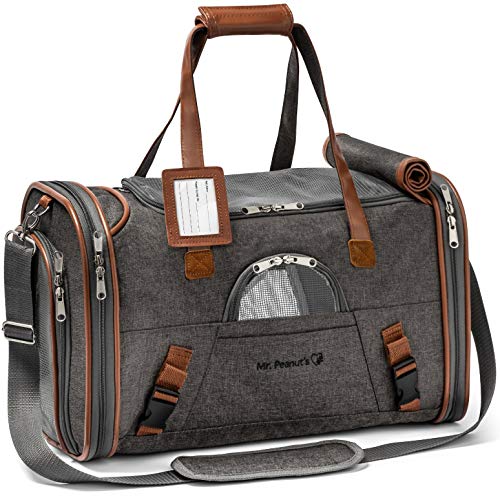
The Mr. Peanut’s Gold Series Low-Profile Tote is an option for dogs that settle comfortably lying down. Its main practical features include low-profile tote form, supportive base, fleece bedding, and mesh ventilation. That combination can make handling your dog easier during a busy travel day. Start by looking at the bag’s actual interior space. Advertised capacity alone is not enough for a comfortable fit. Place your dog inside the closed carrier at home. Look for a natural resting position and room to shift weight. Check the opening before assuming loading will be easy. A nervous dog may hesitate at a narrow zipper opening. Mesh panels matter because airflow can change after the bag goes beneath a seat. Keep those panels clear during boarding. The carrier should stay stable when you lift it by its intended handles. Try walking with the complete travel load before the departure day. Comfort for the human carrier also affects how smoothly you can move through an airport.
For this model, remember that a short exterior profile helps in some rows, while a dog needing more height may not fit comfortably. Inspect the closure each time you load your dog. Make sure bedding lies flat and does not crowd the air openings. Check any removable pad after washing and before reassembly. Use a familiar scent to introduce the carrier, without adding bulky blankets. Practice entering, settling, and exiting in quiet surroundings. Reward calm behavior before adding airport-like movement. On travel day, allow extra time for check-in and security instructions. Never rely on the words airline approved without checking the airline directly. The specific route, aircraft, and cabin layout matter more than a general product claim. Also confirm the airline’s current pet booking rules and required documents. If your dog cannot turn comfortably in the closed bag, choose a roomier permitted carrier. For breathing difficulties or previous travel distress, ask your veterinarian about safer alternatives before flying.
My Recommendation
Consider the Mr. Peanut’s Gold Series Low-Profile Tote for dogs that settle comfortably lying down, provided your dog fits safely. Its key trade-off is that a short exterior profile helps in some rows, while a dog needing more height may not fit comfortably. If this is unsuitable, compare a different shape from the picks above.
3. Sleepypod Air Pet Carrier
What We Like
- Cabin and car use options
- Padded carry strap
- Soft washable bedding
- End and top openings
What We Don’t Like
- Premium-style design may be bulky
- Check usable interior length
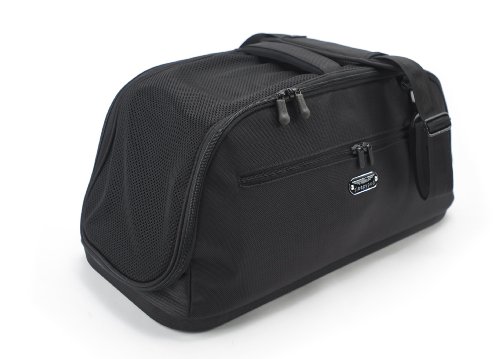
The Sleepypod Air Pet Carrier is an option for owners wanting one carrier for cabin and car trips. Its main practical features include adjustable travel-bag shape, padded strap, plush bedding, and side storage. That combination can make handling your dog easier during a busy travel day. Start by looking at the bag’s actual interior space. Advertised capacity alone is not enough for a comfortable fit. Place your dog inside the closed carrier at home. Look for a natural resting position and room to shift weight. Check the opening before assuming loading will be easy. A nervous dog may hesitate at a narrow zipper opening. Mesh panels matter because airflow can change after the bag goes beneath a seat. Keep those panels clear during boarding. The carrier should stay stable when you lift it by its intended handles. Try walking with the complete travel load before the departure day. Comfort for the human carrier also affects how smoothly you can move through an airport.
For this model, remember that versatility matters only if the chosen configuration fits the specific airplane and dog. Inspect the closure each time you load your dog. Make sure bedding lies flat and does not crowd the air openings. Check any removable pad after washing and before reassembly. Use a familiar scent to introduce the carrier, without adding bulky blankets. Practice entering, settling, and exiting in quiet surroundings. Reward calm behavior before adding airport-like movement. On travel day, allow extra time for check-in and security instructions. Never rely on the words airline approved without checking the airline directly. The specific route, aircraft, and cabin layout matter more than a general product claim. Also confirm the airline’s current pet booking rules and required documents. If your dog cannot turn comfortably in the closed bag, choose a roomier permitted carrier. For breathing difficulties or previous travel distress, ask your veterinarian about safer alternatives before flying.
My Recommendation
Consider the Sleepypod Air Pet Carrier for owners wanting one carrier for cabin and car trips, provided your dog fits safely. Its key trade-off is that versatility matters only if the chosen configuration fits the specific airplane and dog. If this is unsuitable, compare a different shape from the picks above.
4. Henkelion Soft-Sided Pet Carrier
What We Like
- Lightweight soft-sided body
- Ventilation from mesh sides
- Hands-free shoulder option
- Folds for storage
What We Don’t Like
- Weight limit needs checking
- Less structure than rigid carriers
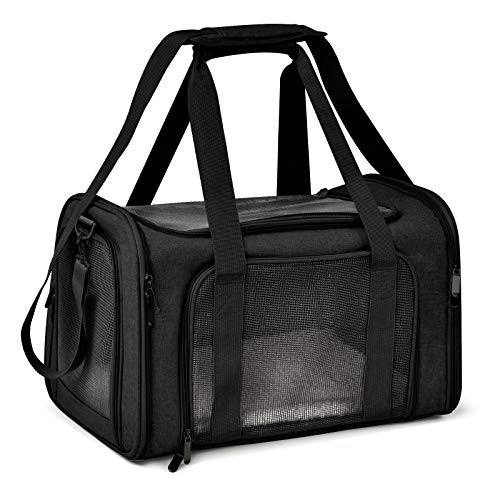
The Henkelion Soft-Sided Pet Carrier is an option for occasional flights and everyday errands. Its main practical features include lightweight polyester body, mesh sides, shoulder strap, and collapsible construction. That combination can make handling your dog easier during a busy travel day. Start by looking at the bag’s actual interior space. Advertised capacity alone is not enough for a comfortable fit. Place your dog inside the closed carrier at home. Look for a natural resting position and room to shift weight. Check the opening before assuming loading will be easy. A nervous dog may hesitate at a narrow zipper opening. Mesh panels matter because airflow can change after the bag goes beneath a seat. Keep those panels clear during boarding. The carrier should stay stable when you lift it by its intended handles. Try walking with the complete travel load before the departure day. Comfort for the human carrier also affects how smoothly you can move through an airport.
For this model, remember that a light bag simplifies handling, but floor support and pet measurements still deserve attention. Inspect the closure each time you load your dog. Make sure bedding lies flat and does not crowd the air openings. Check any removable pad after washing and before reassembly. Use a familiar scent to introduce the carrier, without adding bulky blankets. Practice entering, settling, and exiting in quiet surroundings. Reward calm behavior before adding airport-like movement. On travel day, allow extra time for check-in and security instructions. Never rely on the words airline approved without checking the airline directly. The specific route, aircraft, and cabin layout matter more than a general product claim. Also confirm the airline’s current pet booking rules and required documents. If your dog cannot turn comfortably in the closed bag, choose a roomier permitted carrier. For breathing difficulties or previous travel distress, ask your veterinarian about safer alternatives before flying.
My Recommendation
Consider the Henkelion Soft-Sided Pet Carrier for occasional flights and everyday errands, provided your dog fits safely. Its key trade-off is that a light bag simplifies handling, but floor support and pet measurements still deserve attention. If this is unsuitable, compare a different shape from the picks above.
5. EliteField Expandable Soft Pet Carrier

What We Like
- Expandable lounge configuration
- Removable washable bed cover
- Support board below bedding
- Mesh side ventilation
What We Don’t Like
- Expansion is not for use under a seat
- Check longer external footprint
The EliteField Expandable Soft Pet Carrier is an option for dogs that benefit from extra lounge space during permitted stops. Its main practical features include expandable side panels, washable fleece bedding, a support board, and mesh openings. That combination can make handling your dog easier during a busy travel day. Start by looking at the bag’s actual interior space. Advertised capacity alone is not enough for a comfortable fit. Place your dog inside the closed carrier at home. Look for a natural resting position and room to shift weight. Check the opening before assuming loading will be easy. A nervous dog may hesitate at a narrow zipper opening. Mesh panels matter because airflow can change after the bag goes beneath a seat. Keep those panels clear during boarding. The carrier should stay stable when you lift it by its intended handles. Try walking with the complete travel load before the departure day. Comfort for the human carrier also affects how smoothly you can move through an airport.
For this model, remember that extended sections should stay closed when airline staff require the bag beneath a seat. Inspect the closure each time you load your dog. Make sure bedding lies flat and does not crowd the air openings. Check any removable pad after washing and before reassembly. Use a familiar scent to introduce the carrier, without adding bulky blankets. Practice entering, settling, and exiting in quiet surroundings. Reward calm behavior before adding airport-like movement. On travel day, allow extra time for check-in and security instructions. Never rely on the words airline approved without checking the airline directly. The specific route, aircraft, and cabin layout matter more than a general product claim. Also confirm the airline’s current pet booking rules and required documents. If your dog cannot turn comfortably in the closed bag, choose a roomier permitted carrier. For breathing difficulties or previous travel distress, ask your veterinarian about safer alternatives before flying.
My Recommendation
Consider the EliteField Expandable Soft Pet Carrier for dogs that benefit from extra lounge space during permitted stops, provided your dog fits safely. Its key trade-off is that extended sections should stay closed when airline staff require the bag beneath a seat. If this is unsuitable, compare a different shape from the picks above.
6. Petsfit Airline Pet Carrier

What We Like
- Two placement orientations
- Reinforced soft-sided structure
- Removable cushioned pads
- Security-focused closures
What We Don’t Like
- Compact width limits larger pets
- Aircraft clearance still varies
The Petsfit Airline Pet Carrier is an option for smaller dogs needing a structured soft-side layout. Its main practical features include dual-position padding, reinforcing rods, lockable closure design, and front access. That combination can make handling your dog easier during a busy travel day. Start by looking at the bag’s actual interior space. Advertised capacity alone is not enough for a comfortable fit. Place your dog inside the closed carrier at home. Look for a natural resting position and room to shift weight. Check the opening before assuming loading will be easy. A nervous dog may hesitate at a narrow zipper opening. Mesh panels matter because airflow can change after the bag goes beneath a seat. Keep those panels clear during boarding. The carrier should stay stable when you lift it by its intended handles. Try walking with the complete travel load before the departure day. Comfort for the human carrier also affects how smoothly you can move through an airport.
For this model, remember that the layout may suit a compact dog, yet carrier orientation changes usable interior dimensions. Inspect the closure each time you load your dog. Make sure bedding lies flat and does not crowd the air openings. Check any removable pad after washing and before reassembly. Use a familiar scent to introduce the carrier, without adding bulky blankets. Practice entering, settling, and exiting in quiet surroundings. Reward calm behavior before adding airport-like movement. On travel day, allow extra time for check-in and security instructions. Never rely on the words airline approved without checking the airline directly. The specific route, aircraft, and cabin layout matter more than a general product claim. Also confirm the airline’s current pet booking rules and required documents. If your dog cannot turn comfortably in the closed bag, choose a roomier permitted carrier. For breathing difficulties or previous travel distress, ask your veterinarian about safer alternatives before flying.
My Recommendation
Consider the Petsfit Airline Pet Carrier for smaller dogs needing a structured soft-side layout, provided your dog fits safely. Its key trade-off is that the layout may suit a compact dog, yet carrier orientation changes usable interior dimensions. If this is unsuitable, compare a different shape from the picks above.
7. PetAmi Four-Way Entry Backpack Carrier

What We Like
- Several loading openings
- Backpack carrying option
- Internal tether point
- Mesh ventilation panels
What We Don’t Like
- Tall profile may not fit under-seat
- Weight is concentrated on your back
The PetAmi Four-Way Entry Backpack Carrier is an option for owners combining airport walking with short transfers. Its main practical features include multiple access points, mesh sections, carrying straps, and internal tether. That combination can make handling your dog easier during a busy travel day. Start by looking at the bag’s actual interior space. Advertised capacity alone is not enough for a comfortable fit. Place your dog inside the closed carrier at home. Look for a natural resting position and room to shift weight. Check the opening before assuming loading will be easy. A nervous dog may hesitate at a narrow zipper opening. Mesh panels matter because airflow can change after the bag goes beneath a seat. Keep those panels clear during boarding. The carrier should stay stable when you lift it by its intended handles. Try walking with the complete travel load before the departure day. Comfort for the human carrier also affects how smoothly you can move through an airport.
For this model, remember that its tall backpack shape may conflict with stricter under-seat requirements despite marketing language. Inspect the closure each time you load your dog. Make sure bedding lies flat and does not crowd the air openings. Check any removable pad after washing and before reassembly. Use a familiar scent to introduce the carrier, without adding bulky blankets. Practice entering, settling, and exiting in quiet surroundings. Reward calm behavior before adding airport-like movement. On travel day, allow extra time for check-in and security instructions. Never rely on the words airline approved without checking the airline directly. The specific route, aircraft, and cabin layout matter more than a general product claim. Also confirm the airline’s current pet booking rules and required documents. If your dog cannot turn comfortably in the closed bag, choose a roomier permitted carrier. For breathing difficulties or previous travel distress, ask your veterinarian about safer alternatives before flying.
My Recommendation
Consider the PetAmi Four-Way Entry Backpack Carrier for owners combining airport walking with short transfers, provided your dog fits safely. Its key trade-off is that its tall backpack shape may conflict with stricter under-seat requirements despite marketing language. If this is unsuitable, compare a different shape from the picks above.
How to Choose a Dog Carrier for Air Travel
Measure your dog while standing and resting. Compare those measurements with the usable interior space, not just the exterior bag dimensions. Ask your airline about its current route-specific carry-on pet policy. Some flights impose tighter under-seat space than others. Confirm the carrier can close without squeezing your dog. Look for sturdy zippers, mesh ventilation, stable flooring, and a removable washable pad. Backpack-style and expandable designs need special scrutiny because their travel configurations can differ from the shapes airlines accept.
Final Verdict
The Sherpa Original Deluxe is a sensible place to start for a small dog needing a flexible cabin carrier. The Sleepypod Air offers another layout for multi-purpose travel. Expandable and backpack designs suit particular situations, not every seat. The best choice is the one that satisfies both your dog’s comfort needs and the exact airline restrictions.
Frequently Asked Questions
Does airline approved mean every airline must accept the carrier?
No. Confirm each flight’s current rules, aircraft restrictions, and pet booking process before buying.
Can my dog travel in a backpack carrier?
Only when the carrier’s size, orientation, and ventilation meet the airline’s rules. Tall designs can be unsuitable under seats.
Can I open expandable carrier sides during the flight?
Follow crew instructions. Keep the bag secured and within required under-seat space whenever directed.
Should the carrier fit my dog by weight alone?
No. Measure length, height, and resting posture. Your dog must fit comfortably in the closed carrier.
Should I sedate my dog before flying?
Do not sedate your dog without veterinary advice. Travel sedatives can present risks, especially for dogs with breathing problems.
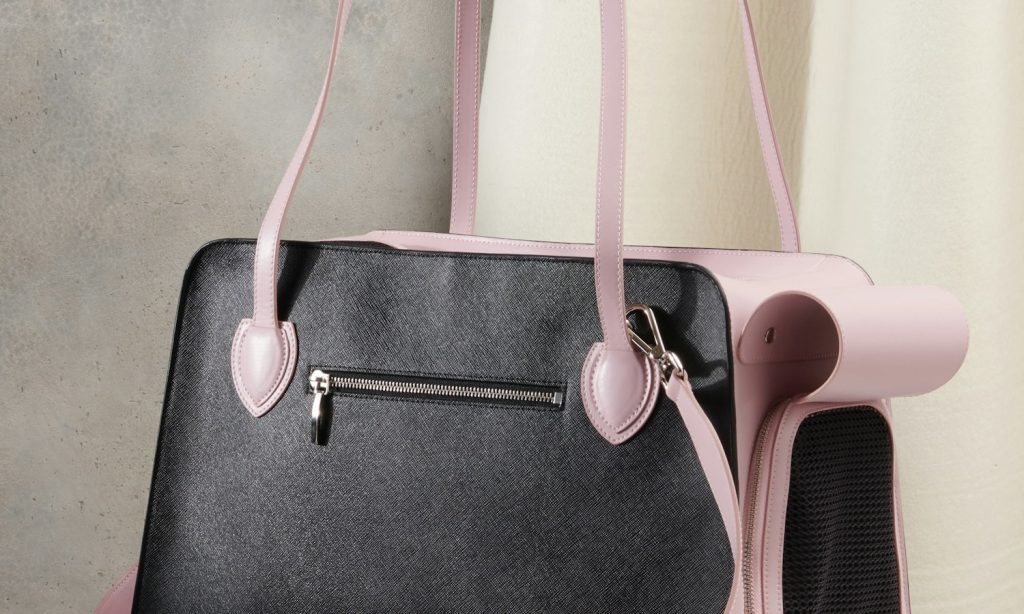
Feature photo: an illustrative travel-carrier image by Shaya Pets, used under the Unsplash License; it is not a reviewed product photo.
For related reading
See our guide to portable dog crates for travel.
Affiliate disclosure
As an Amazon Associate, PetAdvisorPro earns from qualifying purchases.