The best dog treats for large dogs should match the dog’s chewing style, size, and daily calorie needs. I compared seven biscuits, chews, jerky treats, and soft rewards by their listed ingredients, texture, and intended size. Large dogs still vary in how they chew and swallow, so supervise treats and choose a piece they can manage safely. Check the package directions and include treats in the daily feeding plan. Compare the package size, calories, ingredients, texture, and intended use before choosing a reward. Include treats in the daily food allowance, select a piece your dog can manage, and supervise chewing because size alone does not predict safe swallowing.
For safer chew choices, see our guides to long-lasting chews for aggressive chewers, durable chew toys, and our dog nutrition guide for routine feeding basics.
Quick Picks
| Product | Best For | Key Advantage | Buy | |
|---|---|---|---|---|
| Milk-Bone Original Large Biscuits | Large dogs preferring crunchy biscuits | Large crunchy biscuit format | View on Amazon | Jump to Review |
| Greenies Large Original Dental Treats | 50–100 lb dogs needing dental chews | Weight-labeled dental chew | View on Amazon | Jump to Review |
| Purina Busy Bone Adult Large Dog Chews | Large adult dogs that enjoy chew treats | Rawhide-free chew with real-meat center | View on Amazon | Jump to Review |
| K9 Connoisseur Beef Lung Treats | Owners seeking single-ingredient treats | Single-ingredient beef lung | View on Amazon | Jump to Review |
| Pur Luv Chicken Jerky Treats | Dogs that tolerate chicken jerky | Chicken-first jerky | View on Amazon | Jump to Review |
| Blue Buffalo True Chews Chicken Jerky Cuts | Dogs preferring tender jerky cuts | Tender chicken jerky cuts | View on Amazon | Jump to Review |
| Rare Breed Soft Beef Treats | Large dogs needing soft training treats | Soft beef treat pieces | View on Amazon | Jump to Review |
1. Milk-Bone Original Large Biscuits

- Large biscuit size
- Different textures and formats to compare
- Sold in a 10-pound box
- “large” label does not mean the product suits every large dog:
- Milk-Bone Original Large Biscuits is sold in a 10-pound box
- Treat calories need to fit the daily feeding plan
Milk-Bone Original Large Biscuits is sold in a 10-pound box, with large biscuits listed for dogs over 60 pounds; product details mention a crunchy texture and added vitamins and minerals. That makes it a candidate for owners comparing reward size, texture, and use for a larger dog. The “large” label does not mean the product suits every large dog: jaw size, chewing habits, age, and dental health also matter. Check the current package for calorie information, recommended serving amounts, and a piece size your dog can handle without gulping.
Treats should fit into the normal daily feeding plan. The product details also note that the size is intended for larger dogs, but check the biscuit dimensions and feeding chart against your dog’s chewing style and daily calories. Use the current package directions rather than relying only on an online listing, which can group sizes or variants. Introduce a new treat in a small amount and watch for digestive upset or an unexpected reaction. If your dog has food sensitivities or a prescribed diet, ask your veterinarian before adding a new snack.
For chews, remain nearby while the dog eats and discard fragments that become small enough to swallow whole. This pick may suit a large-dog household if its texture and portion size match the individual dog. Break soft treats into smaller pieces for training when appropriate, and count them with other snacks so they do not displace balanced meals. Store the package as directed and keep fresh water available. Treats are useful for rewards and enrichment, but no chew is risk-free; choose an appropriate size, supervise use, and stop if your dog struggles to chew or swallow.
My Recommendation
Milk-Bone Original Large Biscuits stands out for a 10-pound box of large biscuits listed for dogs over 60 pounds; the listing mentions a crunchy texture and added vitamins and minerals. I like that the product listing gives a size, texture, or ingredient detail you can compare with your dog’s needs.
2. Greenies Large Original Dental Treats

- Weight-labeled dental chew
- Dental chew labeled for dogs 50
- Treats should fit into the normal daily feeding plan
- Greenies Large Original Dental Treats is a dog treat listed for a
- Firm dental chews require supervised chewing
Greenies Large Original Dental Treats is a dog treat listed for a dental chew labeled for dogs 50 to 100 pounds, with a flexible texture and daily dental-care positioning. That makes it a candidate for owners comparing reward size, texture, and intended use for a larger dog. The “large” label does not mean the product suits every large dog: jaw size, chewing habits, age, and dental health also matter. Check the current package for calorie information, recommended serving amounts, and a piece size your dog can handle without gulping.
Treats should fit into the normal daily feeding plan. Follow the package’s weight-based serving directions and supervise chewing. A dental treat does not replace brushing or veterinary dental care. Use the current package directions rather than relying only on an online listing, which can group sizes or variants. Introduce a new treat in a small amount and watch for digestive upset or an unexpected reaction. If your dog has food sensitivities or a prescribed diet, ask your veterinarian before adding a new snack.
For chews, remain nearby while the dog eats and discard fragments that become small enough to swallow whole. This pick may suit a large-dog household if its texture and portion size match the individual dog. Break soft treats into smaller pieces for training when appropriate, and count them with other snacks so they do not displace balanced meals. Store the package as directed and keep fresh water available. Treats are useful for rewards and enrichment, but no chew is risk-free; choose an appropriate size, supervise use, and stop if your dog struggles to chew or swallow.
My Recommendation
Greenies Large Original Dental Treats stands out for a dental chew labeled for dogs 50 to 100 pounds, with a flexible texture and daily dental-care positioning. I like that the product listing gives a size, texture, or ingredient detail you can compare with your dog’s needs.
3. Purina Busy Bone Adult Large Dog Chews

- Rawhide-free large chew
- Rawhide-free chew with a real-meat center
- Supervise your dog and remove small pieces that could become
- Purina Busy Bone Adult Large Dog Chews is a dog treat listed for
- Large chews may not suit dogs that swallow quickly
Purina Busy Bone Adult Large Dog Chews is a dog treat listed for a rawhide-free chew with a real-meat center, sized in the listing for adult dogs 35 pounds and over. That makes it a candidate for owners comparing reward size, texture, and intended use for a larger dog. The “large” label does not mean the product suits every large dog: jaw size, chewing habits, age, and dental health also matter. Check the current package for calorie information, recommended serving amounts, and a piece size your dog can handle without gulping.
Treats should fit into the normal daily feeding plan. The product details also note that the product page says the firm texture may help clean teeth. Supervise your dog and remove small pieces that could become choking risks. Use the current package directions rather than relying only on an online listing, which can group sizes or variants. Introduce a new treat in a small amount and watch for digestive upset or an unexpected reaction. If your dog has food sensitivities or a prescribed diet, ask your veterinarian before adding a new snack.
For chews, remain nearby while the dog eats and discard fragments that become small enough to swallow whole. This pick may suit a large-dog household if its texture and portion size match the individual dog. Break soft treats into smaller pieces for training when appropriate, and count them with other snacks so they do not displace balanced meals. Store the package as directed and keep fresh water available. Treats are useful for rewards and enrichment, but no chew is risk-free; choose an appropriate size, supervise use, and stop if your dog struggles to chew or swallow.
My Recommendation
Purina Busy Bone Adult Large Dog Chews stands out for a rawhide-free chew with a real-meat center, sized in the listing for adult dogs 35 pounds and over. I like that the product listing gives a size, texture, or ingredient detail you can compare with your dog’s needs.
4. K9 Connoisseur Beef Lung Treats

- Single-ingredient treat
- Single-ingredient beef-lung treat listed as high-protein
- Break them into appropriate portions and supervise dogs that gulp
- Introduce a new treat in a small amount and watch for digestive
- K9 Connoisseur Beef Lung Treats is a dog treat listed for a
- Single-ingredient treats still need portion control
K9 Connoisseur Beef Lung Treats is a dog treat listed for a single-ingredient beef-lung treat listed as high-protein, low-calorie, and suitable for all sizes. That makes it a candidate for owners comparing reward size, texture, and intended use for a larger dog. The “large” label does not mean the product suits every large dog: jaw size, chewing habits, age, and dental health also matter. Check the current package for calorie information, recommended serving amounts, and a piece size your dog can handle without gulping.
Treats should fit into the normal daily feeding plan. The product details also note that these are dried treats and piece size may vary. Break them into appropriate portions and supervise dogs that gulp food. Use the current package directions rather than relying only on an online listing, which can group sizes or variants. Introduce a new treat in a small amount and watch for digestive upset or an unexpected reaction. If your dog has food sensitivities or a prescribed diet, ask your veterinarian before adding a new snack.
For chews, remain nearby while the dog eats and discard fragments that become small enough to swallow whole. This pick may suit a large-dog household if its texture and portion size match the individual dog. Break soft treats into smaller pieces for training when appropriate, and count them with other snacks so they do not displace balanced meals. Store the package as directed and keep fresh water available. Treats are useful for rewards and enrichment, but no chew is risk-free; choose an appropriate size, supervise use, and stop if your dog struggles to chew or swallow.
My Recommendation
K9 Connoisseur Beef Lung Treats stands out for a single-ingredient beef-lung treat listed as high-protein, low-calorie, and suitable for all sizes. I like that the product listing gives a size, texture, or ingredient detail you can compare with your dog’s needs.
5. Pur Luv Chicken Jerky Treats
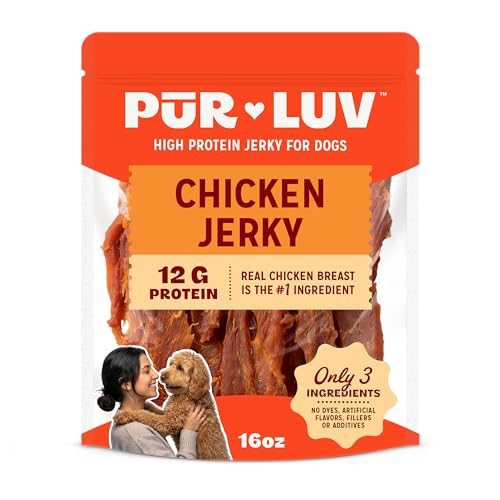
- Chicken-first jerky
- 16-ounce chicken jerky snack with chicken
- Pur Luv Chicken Jerky Treats is a dog treat listed for a 16-ounce
- 16-ounce chicken jerky package
- Jerky size and texture may not suit every dog
Pur Luv Chicken Jerky Treats is a dog treat listed for a 16-ounce chicken jerky snack with chicken breast listed first, limited ingredients, and high-protein, low-fat positioning. That makes it a candidate for owners comparing reward size, texture, and intended use for a larger dog. The “large” label does not mean the product suits every large dog: jaw size, chewing habits, age, and dental health also matter. Check the current package for calorie information, recommended serving amounts, and a piece size your dog can handle without gulping.
Treats should fit into the normal daily feeding plan. The product details also note that Jerky pieces may need to be broken into smaller rewards. Check texture and size for your dog and supervise chewing. Use the current package directions rather than relying only on an online listing, which can group sizes or variants. Introduce a new treat in a small amount and watch for digestive upset or an unexpected reaction. If your dog has food sensitivities or a prescribed diet, ask your veterinarian before adding a new snack.
For chews, remain nearby while the dog eats and discard fragments that become small enough to swallow whole. This pick may suit a large-dog household if its texture and portion size match the individual dog. Break soft treats into smaller pieces for training when appropriate, and count them with other snacks so they do not displace balanced meals. Store the package as directed and keep fresh water available. Treats are useful for rewards and enrichment, but no chew is risk-free; choose an appropriate size, supervise use, and stop if your dog struggles to chew or swallow.
My Recommendation
Pur Luv Chicken Jerky Treats stands out for a 16-ounce chicken jerky snack with chicken breast listed first, limited ingredients, and high-protein, low-fat positioning. I like that the product listing gives a size, texture, or ingredient detail you can compare with your dog’s needs.
6. Blue Buffalo True Chews Chicken Jerky Cuts

- Tender chicken jerky cuts
- 4-ounce chicken-first jerky treat for
- Blue Buffalo True Chews Chicken Jerky Cuts is a dog treat listed
- Tender chicken jerky cut format
- Small pack size may not last long in a large-dog home
Blue Buffalo True Chews Chicken Jerky Cuts is a dog treat listed for a 4-ounce chicken-first jerky treat for all breed sizes, with no artificial preservatives, corn, wheat, or soy. That makes it a candidate for owners comparing reward size, texture, and intended use for a larger dog. The “large” label does not mean the product suits every large dog: jaw size, chewing habits, age, and dental health also matter. Check the current package for calorie information, recommended serving amounts, and a piece size your dog can handle without gulping.
Treats should fit into the normal daily feeding plan. The product details also note that the tender jerky format may be easier to portion than a large biscuit. Check ingredient sensitivities and use treats in moderation. Use the current package directions rather than relying only on an online listing, which can group sizes or variants. Introduce a new treat in a small amount and watch for digestive upset or an unexpected reaction. If your dog has food sensitivities or a prescribed diet, ask your veterinarian before adding a new snack.
For chews, remain nearby while the dog eats and discard fragments that become small enough to swallow whole. This pick may suit a large-dog household if its texture and portion size match the individual dog. Break soft treats into smaller pieces for training when appropriate, and count them with other snacks so they do not displace balanced meals. Store the package as directed and keep fresh water available. Treats are useful for rewards and enrichment, but no chew is risk-free; choose an appropriate size, supervise use, and stop if your dog struggles to chew or swallow.
My Recommendation
Blue Buffalo True Chews Chicken Jerky Cuts stands out for a 4-ounce chicken-first jerky treat for all breed sizes, with no artificial preservatives, corn, wheat, or soy. I like that the product listing gives a size, texture, or ingredient detail you can compare with your dog’s needs.
7. Rare Breed Soft Beef Treats

- Soft beef treat
- 12-ounce soft beef treat listing three
- Break soft treats into smaller pieces for training when
- Rare Breed Soft Beef Treats is a dog treat listed for a 12-ounce
- Soft treat texture may not suit every chewing style
Rare Breed Soft Beef Treats is a dog treat listed for a 12-ounce soft beef treat listing three ingredients and suitability for small, medium, and large dogs. That makes it a candidate for owners comparing reward size, texture, and intended use for a larger dog. The “large” label does not mean the product suits every large dog: jaw size, chewing habits, age, and dental health also matter. Check the current package for calorie information, recommended serving amounts, and a piece size your dog can handle without gulping.
Treats should fit into the normal daily feeding plan. The product details also note that the listing describes soft pieces for training across life stages. Check each piece size, ingredient list, and calories before frequent use. Use the current package directions rather than relying only on an online listing, which can group sizes or variants. Introduce a new treat in a small amount and watch for digestive upset or an unexpected reaction. If your dog has food sensitivities or a prescribed diet, ask your veterinarian before adding a new snack.
For chews, remain nearby while the dog eats and discard fragments that become small enough to swallow whole. This pick may suit a large-dog household if its texture and portion size match the individual dog. Break soft treats into smaller pieces for training when appropriate, and count them with other snacks so they do not displace balanced meals. Store the package as directed and keep fresh water available. Treats are useful for rewards and enrichment, but no chew is risk-free; choose an appropriate size, supervise use, and stop if your dog struggles to chew or swallow.
My Recommendation
Rare Breed Soft Beef Treats stands out for a 12-ounce soft beef treat listing three ingredients and suitability for small, medium, and large dogs. I like that the product listing gives a size, texture, or ingredient detail you can compare with your dog’s needs.
How to choose best dog treats for large dogs
Large dogs need treats sized and textured for the individual dog, with calories counted as part of the daily diet. Compare each product’s intended size, ingredients, chew supervision needs, and feeding directions; no treat is appropriate for every dog or every chewing style.
Match treat size and texture
Compare the current label and package instructions with the dog’s age, size, routine, and known sensitivities. A specific product feature is useful only when it fits those practical needs.
Dogs that gulp food need closer supervision and treats that can be safely broken into smaller pieces. For chews, select a size the dog cannot swallow whole and remove fragments that become small. Ask your veterinarian about treats if your dog has dental disease, a history of choking, or trouble chewing.
A large-dog label is a useful starting point, but check the actual shape, thickness, and texture. A large biscuit may be awkward for a dog with dental problems, while a soft jerky piece may be easier to portion.
Count calories and check ingredients
Treats add calories and should not replace a complete diet. Review the package’s feeding guidance and calorie statement, and account for training rewards, chews, and table scraps together. Compare ingredient lists if your dog has known sensitivities. When trying a new treat, offer a small amount first and watch for an unusual reaction or digestive change. If the dog is on a therapeutic or restricted diet, ask the veterinary team which treats are compatible before making a change.
Use treats for brief rewards, enrichment, or training, and keep fresh water available. Store them according to the label so texture and freshness are maintained. Stay nearby while your dog chews and stop the session if it struggles or swallows large pieces. The right product is the one that fits your dog’s size and behavior, your training purpose, and the household’s ability to supervise—not simply the largest treat in the aisle.
Look at treat durability as well as size. Some biscuits are meant to be eaten quickly, while chews can keep a dog occupied for longer; longer chewing also means more time to supervise. Choose a shape your dog can grasp without swallowing it whole, and avoid products that splinter or become too small. If several dogs share a home, separate them during treat time when competition might lead to gulping. Keep the original packaging so you can check ingredients, lot details, and manufacturer instructions if a question comes up.
Check labels again when switching treat size or formula.
Frequently Asked Questions
Are large dog treats safer for big dogs?
Size labels help, but individual chewing and swallowing habits matter. Choose a suitable piece and supervise your dog while it eats.
How many treats can I give a large dog?
Follow package guidance and count treats within the dog’s daily food plan. Ask your veterinarian about portions if your dog needs weight management.
Can large dogs have small training treats?
Yes, small rewards can be useful for training. Break treats into manageable pieces and include them in the daily calorie total.
Should I supervise my dog with chews?
Yes. Stay nearby, remove small fragments, and stop use if the dog has trouble chewing or swallowing.
What treats are suitable for dogs with food sensitivities?
Check the complete ingredient list and ask your veterinarian before offering a new treat to a dog with known sensitivities.
Final Verdict
For a large dog, choose treats by size, texture, ingredients, and calorie information, then supervise chewing. The seven picks include biscuits, dental chews, jerky, and soft rewards for different routines. Check the package each time you buy, since sizes and formulations can change. Ask your veterinarian if your dog has a dietary restriction or trouble chewing.
Affiliate disclosure: This article contains Amazon affiliate links. If you purchase through them, PetAdvisorPro may earn a commission. As an Amazon Associate I earn from qualifying purchases.