The best supplements for cats with kidney disease help hydration, balance phosphorus, and fight oxidative stress.
When your cat starts drinking more water, skipping meals, or losing weight, panic hits fast. Kidney disease is common in older cats, and it can feel like a moving target. The right support plan eases symptoms, protects organs, and helps them feel better day to day. The best supplements for cats with kidney disease focus on hydration, gut health, omega-3s, antioxidants, and gentle herbal support. I dug into what works, what to avoid, and how real cats respond. Below, I break down top picks, what sets them apart, and who each is best for, so you can shop with confidence and talk to your vet armed with the right questions.

Kidney Support for Cats, Cat…
【Kidney Support for Cats】 Formulated with a blend of natural restorative herbs that promote normal kidney function, balance body fluids, support regular urination, and strengthen the body’s immune system, keeping…

Pet Wellbeing Kidney Support Gold…
🐾 SUPPORTS DAILY ROUTINES – Helps maintain normal metabolism, weight, thirst, and urination patterns to support comfort and ease throughout the day. Encourages steady energy and hydration, helping cats feel…

Kidney Support for Cats, Cat…
Kidney Support for Cats: Helps maintain normal metabolism, weight, thirst, and urination patterns to support comfort and ease throughout the day. Encourages steady energy and hydration, keeping our beloved cats…
Kidney Support for Cats Liquid, 60 ml

This liquid is built for easy use and fast mixing. It targets normal urination, healthy hydration, and kidney comfort with a gentle, herbal profile. The dropper helps you dial in small servings, which is great for picky cats. I like liquids for senior cats who turn away from powders and chews.
As with all the best supplements for cats with kidney disease, this is support, not a cure. The formula aims to back up the body’s own balance and help day-to-day energy. Many cats accept it on wet food or in a lickable treat. Always speak with your vet before you start any new kidney support.
Pros:
- Liquid format is easy to mix into wet food or broth.
- Dropper helps fine-tune serving size for small cats.
- Herbal profile may support normal urination patterns.
- Works as an add-on to vet-directed renal diets.
- Neutral scent that many cats ignore in food.
Cons:
- Not ideal for cats who refuse any flavor change.
- Herbal blends vary; results can differ cat to cat.
- Does not replace core CKD care like fluids or phosphate control.
My Recommendation
I recommend this for cat parents who want a simple, gentle start. It suits cats who need soft kidney support while they adapt to a renal diet. It fits well for early-stage changes and for cats who accept liquids better than powders. It is one of the best supplements for cats with kidney disease when you need calm, daily support without a strong taste.
This works best alongside a low-phosphorus diet, good hydration, and regular labs. Ask your vet if an omega-3 and a probiotic should be added too. Most cats do well when support stacks are simple and steady.
| Best for | Why |
| Picky senior cats | Liquid blends well and has a mild profile. |
| Early-stage kidney changes | Gentle, daily support for hydration and comfort. |
| Families easing into supplements | Simple dropper use and easy serving control. |
Pet Wellbeing Kidney Support Gold, 2 oz

This NASC-certified liquid uses herbs like Rehmannia and Dong Quai to support kidney and vitality. The brand is known for vet-reviewed blends and tight quality checks. I find the dropper easy to use and the flavor light. It pairs well with renal foods and is a strong fit in steady care plans.
In my experience, this shines for cats who need broad support. The formula aims at hydration, detox balance, and energy. Like all the best supplements for cats with kidney disease, it does not cure CKD, but it can help your cat feel steadier. Always review any herb list with your veterinarian.
Pros:
- NASC quality seal for extra ingredient oversight.
- Herbs like Rehmannia and Dong Quai support vitality.
- Liquid is easy to adjust based on appetite days.
- Pairs well with low-phosphorus, renal support diets.
- Vet-formulated approach adds peace of mind.
Cons:
- Herbal taste may still be noticed by very picky cats.
- Premium price compared with basic blends.
- Not a stand-alone fix for advanced CKD signs.
My Recommendation
Choose this if you want vet-formulated, NASC-backed herbal support. It is a smart pick for adult and senior cats on a renal diet who need help with hydration and energy. It fits well for families who already use renal foods and want to round out the plan with one of the best supplements for cats with kidney disease.
I also like it for cats who need a smooth liquid format. You can split the serving during the day for sensitive stomachs. Match it with your vet’s plan for fluids, phosphorus control, and omega-3s.
| Best for | Why |
| Vet-guided support plans | NASC seal and vet input inspire trust. |
| Hydration and vitality goals | Herbs chosen to back kidney and energy balance. |
| Liquid-first households | Easy to mix into food or broth in tiny steps. |
Herbal Kidney Support for Cats, 60 ml

This herbal liquid aims to support normal kidney function and immune balance. The format is friendly for seniors and cats who hate pills. I appreciate its light texture and easy serving steps. It is a practical add-on for early to mid-stage support plans.
The blend is designed to back hydration and daily comfort. Results vary, but many cats keep eating better when stress on the kidneys is lower. As with the best supplements for cats with kidney disease, set clear goals with your vet. Track water intake, appetite, weight, and litter box changes over time.
Pros:
- Simple liquid for cats who spit out pills.
- Herbal focus on balance and daily comfort.
- Pairs with renal diets and omega-3 add-ons.
- Easy to start low and work up as accepted.
- Helpful for routine, steady kidney support.
Cons:
- Label may not show exact milligram levels of actives.
- Some cats still notice changes in taste.
- Use must be coordinated with existing meds.
My Recommendation
Pick this if you want a no-fuss herbal liquid at a friendly size. It is a nice fit for cats who do best with tiny, split servings. It also suits pet parents who want one of the best supplements for cats with kidney disease without many extra ingredients or strong flavors.
Make sure you keep a simple feeding plan. Offer fresh wet food often, encourage water with broth, and keep stress low. Ask your vet about blood pressure checks and phosphorus levels as you go.
| Best for | Why |
| Cats who reject powders | Liquid is smooth and easy to blend into food. |
| Early support add-on | Gentle daily use to back hydration and appetite. |
| Budget-conscious families | Focused formula without a long list of extras. |
Fera Pets Kidney Support Powder, 60 scoops

This powder brings antioxidants and probiotics together for renal support. The blend is built to aid gut balance, which matters for uremic toxin handling. I like the scoop for consistent serving and its smooth mix into wet food. Many cats accept it if you ramp slowly over a week.
Probiotics can support stool quality and appetite in many seniors. Antioxidants help fight oxidative stress, which rises in CKD. As I review the best supplements for cats with kidney disease, gut support stands out as a practical win. This one checks that box while staying easy to use at home.
Pros:
- Probiotics support gut balance and stool quality.
- Antioxidant blend targets oxidative stress.
- Powder form is easy to split and mix.
- Works well with renal diets and omega-3 fish oil.
- Clear scoop helps maintain a steady routine.
Cons:
- Powder can be noticed by very picky eaters.
- Must be kept dry; moisture can clump the product.
- Check with vet if your cat is on antibiotics.
My Recommendation
Go with this if your cat needs probiotic and antioxidant support in one step. It is ideal for cats with soft stools or appetite dips. It is also great for families who want one of the best supplements for cats with kidney disease that blends into the daily feeding plan with a simple scoop.
Add this to wet food and increase slowly to help acceptance. Ask your vet about the best time of day to give it, as some cats do better with it at dinner. Keep up with labs and note your cat’s energy and hydration daily.
| Best for | Why |
| Stool and gut support | Probiotic blend helps balance the microbiome. |
| Antioxidant needs | Targets oxidative stress common in CKD cats. |
| Easy daily routine | Single scoop that mixes into wet food smoothly. |
Rocco & Roxie UTI + Kidney Chews

These crunchy chews feature cranberry and D-mannose to support bladder health. They can help reduce adhesion of unwanted bacteria in the urinary tract. I like the chicken flavor for cats who refuse liquids and powders. Chews can feel like a treat, which helps daily use.
While not a core CKD therapy, bladder comfort does matter. Many cats with kidney issues also deal with UT stress. These chews can be a smart add-on for cats with a history of UT woes. As with the best supplements for cats with kidney disease, clear vet guidance is key.
Pros:
- Cranberry and D-mannose support bladder and UT comfort.
- Crunchy, chicken-flavored chews are cat-friendly.
- Great for cats who hate liquids or powders.
- Can be split to adjust the serving.
- Made in the USA and vet-recommended profile.
Cons:
- Not a direct kidney support like omega-3s or phosphate control.
- Added calories; watch intake on strict diets.
- Check ingredients if your cat needs low-sodium or low-phos treats.
My Recommendation
Choose these if your cat struggles with UT sensitivity on top of kidney issues. They are helpful for cats who will only take “treat” formats. I reach for them as one of the best supplements for cats with kidney disease when bladder comfort and compliance are the biggest hurdles.
Pair them with core CKD care: renal food, hydration, and vet-led checks. Keep a treat budget so calories stay in line. If your cat’s CKD is advanced, ask your vet if a chew is still the right format.
| Best for | Why |
| UT-prone CKD cats | Cranberry and D-mannose help bladder comfort. |
| Treat-first households | Crunchy chews are more acceptable than liquids. |
| Compliance challenges | Flavor and texture boost daily use rates. |
FAQs of best supplements for cats with kidney disease
What supplements actually help cats with kidney disease?
Top choices support hydration, gut health, and oxidative stress. Omega-3s from fish oil, B-complex vitamins, probiotics, and gentle herbal blends are common. Phosphate binders are vet-prescribed when needed. The best supplements for cats with kidney disease work with a renal diet, not instead of it.
Can supplements cure feline kidney disease?
No. CKD is long-term and managed, not cured. Supplements ease symptoms, support energy, and protect organs. Always work with your veterinarian for a full plan.
Are probiotics useful for CKD cats?
Often, yes. Probiotics can support gut balance and stool quality. A healthy gut may reduce toxin load and help appetite. Talk to your vet before you start.
How do I get a picky cat to accept a supplement?
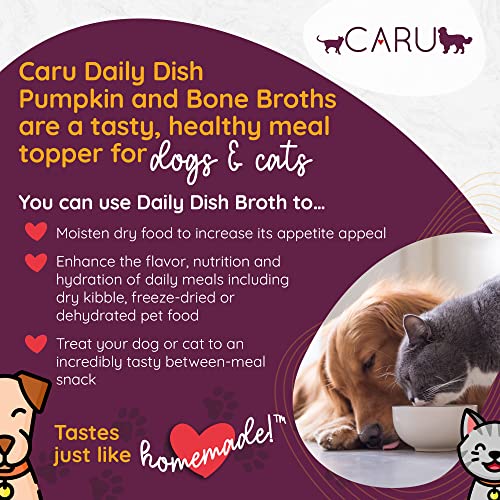
Go slow. Start tiny and mix into strong-smelling wet food. Use toppers like tuna water or bone broth. Try different forms: liquid, powder, or chew.
What else matters beyond supplements?
Renal diet, phosphorus control, fluids, and blood pressure checks. Regular labs guide choices. Keep stress low and offer fresh water in many spots.
Final Verdict: Which Should You Buy?
For most cats, Pet Wellbeing Kidney Support Gold offers balanced, NASC-backed herbal care with easy dosing. For gut and antioxidant goals, Fera Pets Kidney Support Powder is a strong daily base.
If compliance is tough, the Rocco & Roxie chews can help. Each pick can be one of the best supplements for cats with kidney disease when matched to your cat’s taste and your vet’s plan.