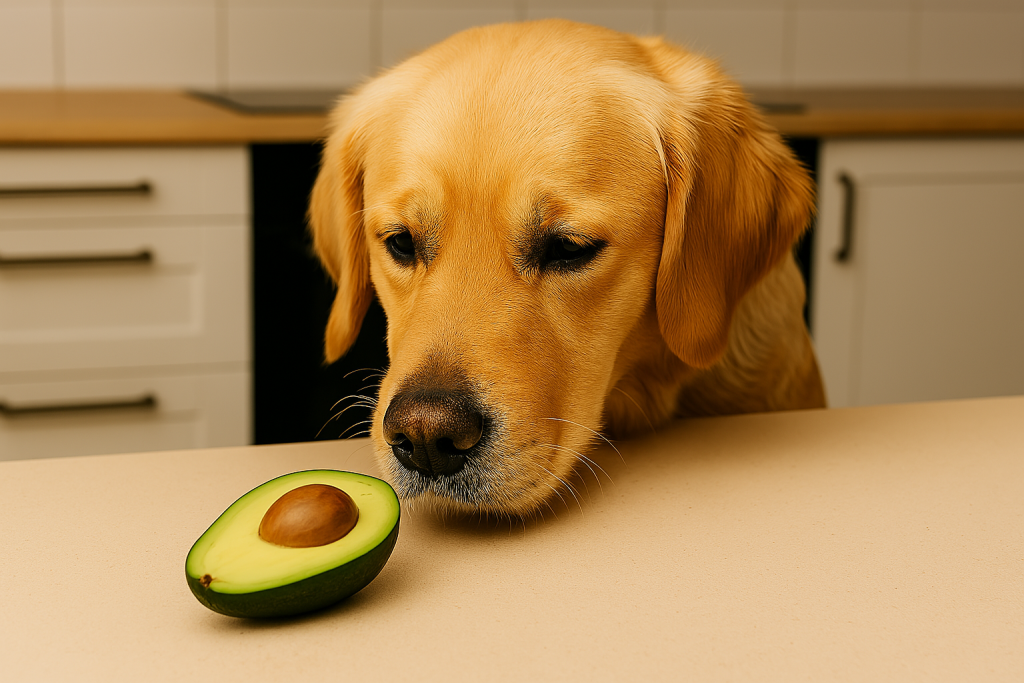

Okay, let’s get real—your dog just gave you that look while you were carving up a juicy holiday ham. You know the one: wide eyes, tail wagging, maybe a little drool. And you’re standing there wondering, “Can dogs eat ham bones?” I mean, it’s a bone, right? Dogs love bones. Seems harmless enough… or is it?
I’ve been there. My pup once snatched a ham bone off the counter like a ninja. I panicked, Googled like a maniac, and learned a lot more than I ever wanted to know about ham bones and canine digestion. So, if you’re here because you’re trying to keep your furry friend safe (and maybe avoid a pricey vet bill), you’re in the right place.
Let’s break it down—no fluff, no jargon, just real talk about ham, bones, and your dog’s health.
Can Dogs Eat Ham? 🐶
Okay, let’s begin with the fundamentals. Although ham isn’t harmful to dogs, that doesn’t mean it’s healthy either. Think of ham like junk food—your pup might drool for it, but it’s not a superfood.
Ham is:
- High in sodium (like, salt-bomb levels).
- High in fat, which can upset your dog’s stomach.
- Preservatives are frequently used in processing, which dogs find difficult to tolerate.
Therefore, ham isn’t the best snack, but it won’t immediately send your dog to the vet.
Is Ham Good for Dogs?
Let’s be blunt: No, ham isn’t good for dogs. Why the negativity, you ask? Well, ham is typically loaded with things that aren’t ideal for our furry friends. Consider this: it’s frequently salted, smoked, and cured. Not exactly a recipe for canine wellness, right?
Are Dogs Allergic to Ham?
Most dogs aren’t allergic to ham per se, but some might react badly to the additives or spices. Ever seen a dog do the itchy butt scoot across the carpet? Yeah, not cute—and often a sign of food sensitivity.
Ham Nutrients Are Harmful to Dog Health
It’s not like ham is devoid of nutrients altogether, but the balance is all wrong for dogs. The high fat content can lead to pancreatitis, a serious inflammation of the pancreas. And all that sodium? Not good for their blood pressure or kidneys. It’s similar to giving them a bag of chips; while they may enjoy the flavor, it won’t benefit them in the long run.
What Happens if a Dog Eats a Ham Bone?
Ever stepped on a Lego? Yeah, that’s nothing compared to what a ham bone can do inside your dog’s stomach.
Ham bones—especially cooked ones—splinter easily. Those sharp shards can cause:
- Cuts in the mouth or throat.
- Blockages in the intestines.
- Internal bleeding.
So, if your pup snags one off the counter (because apparently, they turn into ninjas around food), call your vet right away.

Feed Your Dog Right: Holidays Are No Exception
Holidays mean big feasts. And big feasts mean temptation—for both you and your dog.
Can Dogs Eat Thanksgiving Ham? Can Dogs Eat Easter Ham?
Nope. Not at Thanksgiving, not at Easter, not even on Opposite Day. These holiday hams are usually glazed with honey, sugar, or spices like cloves—all of which are a hard no for dogs.
Can Dogs Eat Cooked Ham?
Cooked ham is safer than raw, but still not ideal. The cooking process doesn’t remove the salt or fat—it just makes it smell more irresistible.
IMO, if you’re going to give your dog a treat, skip the ham and go for something dog-approved like boiled chicken or turkey.
Can Dogs Eat Raw Ham?
Raw ham isn’t any better. In fact, it can carry bacteria like Salmonella. And trust me, cleaning up after a dog with salmonella isn’t how you want to spend your weekend.
Can Dogs Eat Ham Bones?
The answer is a resounding NO. Cooked ham bones are brittle and can splinter, leading to serious internal injuries. Raw ham bones carry the risk of bacterial contamination. And the ham itself is too high in salt and fat to be a healthy treat for our canine companions. It’s a triple whammy of potential problems!
So yeah, that bone might look like a treat, but it’s a dental grenade.
What To Do If Your Dog Eats Ham
Accidents do occur, don’t they? Perhaps your cunning dog stole a bone from the trash (just so you know, always secure your trash!) or stole a piece of ham from the counter. Here’s what to do if you think your dog may have consumed ham or, worse, a ham bone:
- Look for signs of choking: Is your dog pawing at their mouth, coughing, or gagging?
- Keep an eye out for symptoms like lethargy, diarrhea, or vomiting.
- Don’t induce vomiting unless your vet says so.
- Keep the packaging – If the ham had additives, your vet might need to know.
Better safe than sorry, right?
Risks of Ham for Dogs
Let’s break down the specific dangers associated with ham for dogs, bone and all:
High Fat Content
Let’s examine the specific risks of ham for dogs, bone and all: High Fat Content. As previously stated, ham is generally high in fat, which can cause short-term digestive upset and long-term weight gain as well as raise the risk of pancreatitis, a painful and potentially fatal condition.
High Sodium Content
For dogs, especially smaller breeds, the high sodium content of ham can be especially harmful. In extreme situations, it may result in sodium ion poisoning as well as excessive thirst and urination. Consuming a lot of sodium over time can also lead to high blood pressure and kidney issues.
High Sugar Content
Sugary coatings used to glaze some hams are undoubtedly bad for your dog’s teeth and general health. As with people, eating too much sugar can cause diabetes, dental problems, and weight gain.
Too Many Calories
Ham has a lot of calories. If given frequently, even a tiny quantity can add up to your dog’s daily caloric intake and eventually cause weight gain. And let’s face it, dogs who are obese have a host of health issues.
Highly Processed
A lot of hams sold in stores are heavily processed and include flavorings, preservatives, and additives that aren’t good for a dog’s digestive tract. Some dogs may even experience allergic reactions or sensitivities as a result of these ingredients.
Blockages
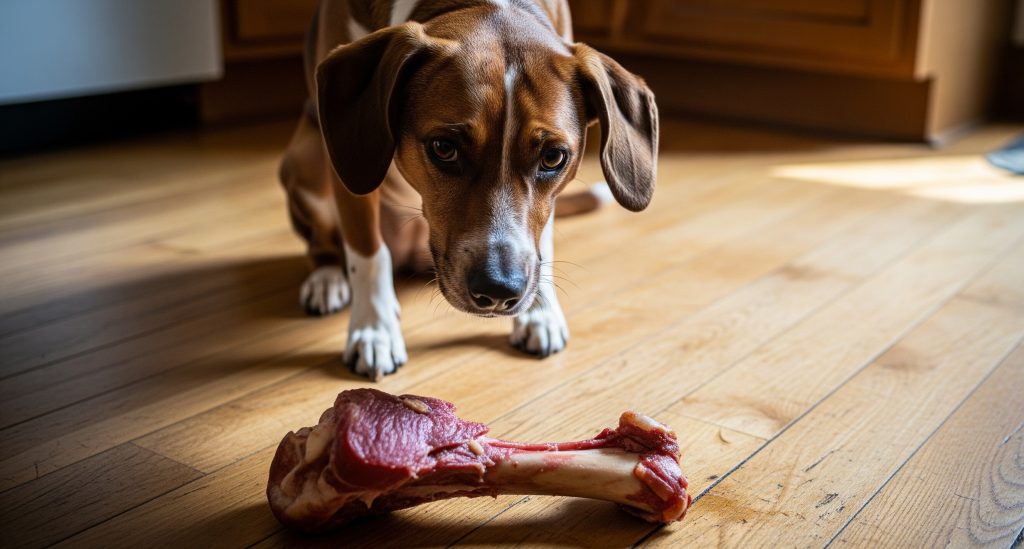
This is a serious issue with cooked ham bones in particular. Anywhere in the digestive tract, those sharp splinters can lodge and create a painful, potentially fatal blockage that frequently necessitates surgery.
How to feed ham to your dog
Given all the risks, the best way to “feed” ham to your dog is generally not at all. However, if you absolutely insist on giving a tiny, lean, unseasoned piece of cooked ham as a very rare treat, make sure it’s no bigger than your fingernail and completely free of bones, skin, or visible fat.
But honestly, there are so many safer and healthier options out there that it’s not worth the potential risks.
How Much Ham Can Dogs Eat?
Less is more. Like, way less.
- Small dogs: A bite or two max.
- Medium dogs: Maybe a thumbnail-sized piece.
- Large dogs: Still not more than a couple bites.
And don’t make it a habit. Ham is a treat, not a staple.
What Are Other Kinds of Bones That Are Not Safe for Dogs?
It’s not just ham bones we need to be wary of. Cooked bones of any kind (chicken, beef, pork, etc.) are generally unsafe for dogs because they can splinter.
Smaller bones can also be choking hazards. Be particularly cautious with rib bones and poultry bones.
What Kind of Bones Are Safe for Dogs?
Choose raw, meaty bones that are the right size for your dog if you do want to give them a bone. These can offer some dental advantages and are less likely to splinter.
However, always supervise your dog while they’re chewing on a bone and discard it once it gets small enough to be a choking hazard.
Additionally, keep in mind that not all dogs can handle raw bones, so proceed with caution when introducing them.
Form the Perfect Feeding Plan
Do you want to stay away from the ham drama completely? Create a feeding schedule that consists of:
- High-quality kibble
- Lean proteins (chicken, turkey, fish)
- Veggies (carrots, green beans)
- Healthy treats (blueberries, sweet potatoes)
Frequently Asked Questions
Can a ham bone kill a dog?
Sadly, yes. If it splinters and causes internal injuries, it can be life-threatening.
Can dogs eat ham bones raw or cooked?
Neither is safe. Both carry risks—splinters or bacteria.
Can dogs eat ham slices?
Only in tiny amounts and rarely. Plain and unseasoned.
Can dogs eat ham bones every day?
Definitely not. Even one ham bone is risky.
Can dogs eat ham bones from Petco?
Commercial “ham bones” sold for dogs are sometimes safer, but still risky. Always choose vet-approved chews instead.
Final Words
So, can dogs eat ham bones? Nope. Nada. Never. It’s one of those things that seems harmless but can spiral into a nightmare faster than your dog can scarf down a dropped slice.
Stick to dog-safe treats, keep the ham for yourself, and maybe toss your pup a carrot instead. They’ll still love you—promise.