My dog, a beautiful golden retriever named Bailey, once stole a pecan from a pie I had just put on the counter. My heart dropped. One minute, I was admiring my baking skills; the next, I was frantically searching the internet for answers. Can dogs eat pecans? The search results were a mess of conflicting advice, and the stress was real.
I’ve learned a great deal since that day, and I want to share the essential truth every pet parent should know, without all the confusing jargon. We’ll get into the nitty-gritty of why pecans are a no-go, what to do if your dog snags one, and much more.
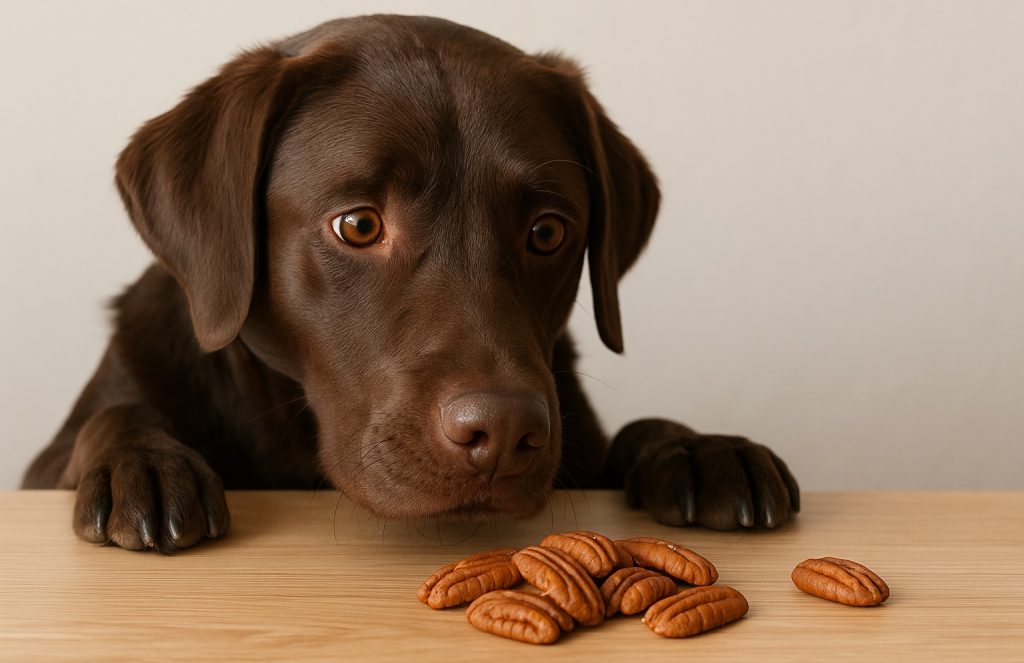
Can Dogs Eat Pecans?
Alright, let’s cut to the chase. You’re munching on a handful of pecans—maybe they’re candied, maybe they’re straight from grandma’s pie—and your dog gives you that look. You know the one. The “I’m cute, I’m starving, and I will absolutely judge you if you don’t share” look.
But here’s the million-dollar question: Can dogs eat pecans?
Short answer: Nope.
Long answer: Still nope, but with a lot more drama.
Packed with nutrients and good fats, pecans may be a delicious treat for people, but what about dogs? They’re basically a nutty little landmine. Let’s unpack why.
Understanding Nut Toxicity: Are Pecans Bad for Dogs?
You’d think something as innocent-looking as a pecan couldn’t possibly be dangerous. But dogs and nuts? It’s a complicated relationship.
High Fat Content
Pecans contain a lot of fat. Furthermore, excessive fat intake can cause pancreatitis, a painful and potentially fatal condition, even though your dog may enjoy a greasy snack (who doesn’t?).
Symptoms include:
- Vomiting
- Diarrhea
- Lethargy
- Abdominal pain
Not exactly the kind of post-snack vibes we’re going for.
Mycotoxins
Ever heard of juglone? It’s a compound in pecans (and black walnuts) that can irritate a dog’s stomach and even affect their nervous system. Add aflatoxins (mold-based toxins) to the mix, and you’ve got a recipe for trouble.
Mold Risk
Pecans, especially old or improperly stored ones, grow mold easily. Dogs’ guts aren’t built to handle that. Moldy nuts can cause tremors, seizures, or worse.
Choking
Let’s not forget the good ol’ choking hazard. Pecans are small, hard, and oddly shaped—basically the perfect storm for getting lodged in a dog’s throat.
Risks of Eating Pecans
Giving pecans to your dog carries a number of risks, from minor to fatal. The high fat can trigger pancreatitis, while the mycotoxins can cause liver damage. The sheer size of the nut can lead to a choking hazard or intestinal blockage. It’s a triple threat. I can’t emphasize this enough: just don’t do it.
Do Pecans Provide Any Health Benefits for Dogs?
Here’s the thing: pecans have healthy fats, fiber, and antioxidants—for humans. Dogs don’t get the same benefits because their digestive systems process nuts differently.
If you’re thinking, “But my dog loves nuts!”—I feel you. Max loves anything crunchy. But pecans? Nope. Stick to safer options (we’ll get to those soon).
Can Dogs Eat Pecan Pie?
Oh boy. Let’s talk about pecan pie.
It’s sweet. It’s sticky. It’s delicious. And it’s a sugar bomb wrapped in a buttery crust.
Can dogs eat pecan pie?
Absolutely not.
Why?
- Sugar overload
- Butter and dairy
- Pecans (obviously)
- Potential nutmeg or cinnamon toxicity
Basically, pecan pie is a triple threat. Save it for the humans.

What Happens If My Dog Eats Pecans?
If your dog eats pecans, the reaction can vary based on the quantity and the size of your dog. A tiny dog eating a handful of pecans is a much more serious situation than a large Great Dane eating one. But you should be worried in both situations. Symptoms may consist of:
- Vomiting
- Diarrhea
- Loss of appetite
- Abdominal pain
- Lethargy
- Tremors or seizures (if mold is present)
It’s time to call the veterinarian if you notice these symptoms, particularly if they are severe.
What to Do If Your Dog Eats Pecans
Take a deep breath. Here’s your action plan:
- Assess how many pecans they ate.
- Check for symptoms.
- Call your vet.
- Avoid home remedies unless advised.
- Monitor for 24–48 hours.
FYI: If your dog ate moldy pecans, skip the waiting and go straight to the vet.
Consequences of Dogs Eating Pecans
Short-term issues like vomiting may clear up fast. But serious cases—pancreatitis or mycotoxin poisoning—can escalate quickly. Early vet care matters.
Can Dogs Eat Pecans If They Are Present in Foods?
You’d be surprised how many foods sneak in pecans—cookies, granola bars, salads, even dog-safe-looking baked goods.
If pecans are in the mix, skip it.
Even trace amounts can cause issues, especially if mold or sugar is involved
Can a Dog Die From Eating Pecans?
It’s rare, but yes—large quantities of moldy pecans can be fatal. Dogs with underlying health conditions (like pancreatitis or liver issues) are especially vulnerable.
Safe Nuts and Seeds for Dogs
Peanuts
Plain, unsalted peanuts? Usually okay in moderation. Peanut butter (xylitol-free!) is a classic treat.
Cashews
Unsalted and roasted cashews are generally safe for most dogs in small amounts.
Almonds
Not toxic but hard to digest. I skip these for Max because they upset his stomach.
Hazelnuts
Hazelnuts are also generally not toxic, but they share the same choking and blockage risks as almonds. They are also high in fat. It’s best to stay away from them.
Risks of Using Nuts for Treats
Even the “safe” nuts come with their own set of risks. You must be extremely careful.
Nuts are High in Fat
All nuts, even safe ones, are high in fat. Giving your dog too many can lead to weight gain and increase the risk of pancreatitis. My vet told me to think of nuts as an occasional, special treat—not a daily snack.
Nuts are High in Calories
A single nut can contain a surprising number of calories. These calories can add up quickly, especially for smaller dogs, leading to obesity. Obesity is a major health problem in dogs and can lead to joint problems, heart disease, and diabetes.
Nuts can Have Dangerous Coatings
Many commercially available nuts are coated in salt, sugar, chocolate, or other seasonings. These coatings can be toxic or harmful to your dog. Always choose plain, unsalted nuts when sharing them.
How Can I Prevent My Dog From Eating Pecans?
Let’s talk prevention. Because dogs? They’re sneaky.
- Keep nuts out of reach.
- Avoid feeding table scraps.
- Educate guests (especially kids).
- Use dog-proof containers.
- Train “leave it” command.
Trust me, that last one has saved me more times than I can count.
Alternative Snack Options for Dogs
Here are some safe and healthy alternatives:
- Apple slices (no seeds)
- Blueberries
- Baby carrots
- Plain pumpkin
- Green beans
- Dog-safe peanut butter (xylitol-free)
Max goes nuts (pun intended) for frozen blueberries.
Foods Your Dog Shouldn’t Eat
Let’s expand the “nope” list. Because pecans aren’t the only offenders.
Chocolate
Theobromine and caffeine are toxic to dogs and can cause heart problems, seizures, and even death. The darker the chocolate, the more dangerous it is.
Grapes and Raisins
These can cause acute kidney failure in dogs, and the exact reason is unknown. Even a small amount can be dangerous.
Onions
Onions and garlic contain compounds that can damage a dog’s red blood cells, leading to anemia.
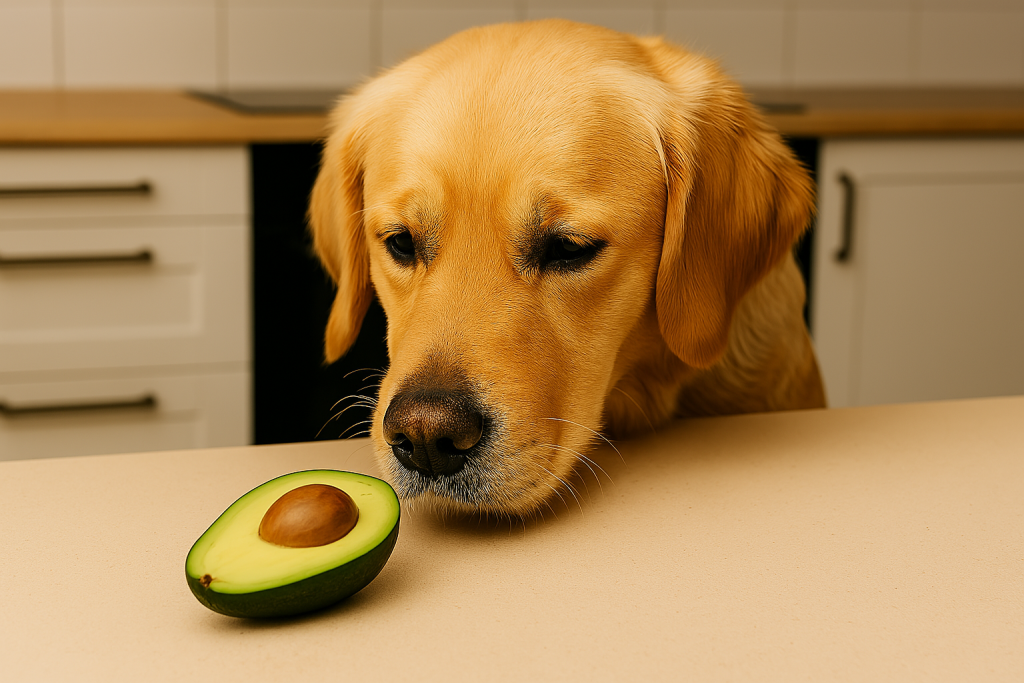
Avocado
Avocado contains persin, which can cause vomiting and diarrhea in dogs.
Raw or undercooked meat that is not correctly prepared
This can contain harmful bacteria like Salmonella and E. coli, leading to food poisoning.
Fruit seeds and stems
These often contain cyanide, which is toxic. Make sure you remove the pits and seeds from fruits like cherries, plums, and peaches before giving them to your dog.
Almonds
As I mentioned before, the choking and blockage risk is too high to make them a safe choice.
Raw bones
These can splinter and cause internal damage or a blockage. Cooked bones are even more dangerous.
Bread
Bread itself isn’t toxic, but if a dog eats raw yeast dough, the yeast can expand in their stomach and produce alcohol, leading to bloating and alcohol poisoning.
Frequently Asked Questions
Are Pecans Bad for Dogs Reddit?
Yes, Reddit agrees. Every vet and dog parent thread says pecans = bad news.
My Dog Ate 2 Pecans. What Should I Do?
Monitor your pup. Call your vet if you see vomiting, diarrhea, or tremors.
Are Cooked Pecans Bad for Dogs?
Cooking doesn’t remove toxins or fat. Still unsafe.
How Long After Eating Pecans Will a Dog Get Sick?
Symptoms can appear within a few hours or up to 24 hours depending on the dog and the amount eaten.
What Nuts Are Bad for Dogs?
Pecans, black walnuts, macadamia nuts—these top the danger list.
Final Words
So, can dogs eat pecans? Hard no.
They’re tasty for us, but risky for our furry friends. If you’re ever tempted to share your snack, remember: your dog doesn’t know what’s safe. That’s your job. And honestly, they’ll be just as happy with a carrot stick or a piece of chicken. Plus, you get to keep your pie all to yourself. Win-win 🙂