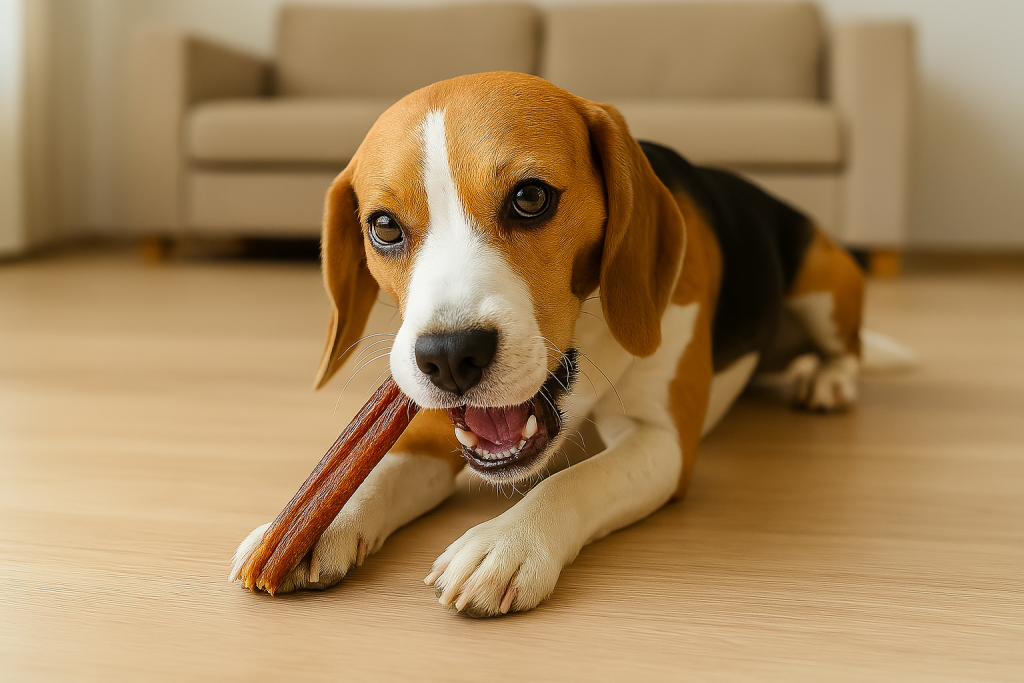
We’ve all been there. You’re relaxing on the couch, enjoying a movie, and suddenly a silent-but-deadly cloud hits you. Your dog looks at you with innocent eyes, but you know the truth. Why Your Dog Farts a lot and What to Do About It? is a question every pet parent asks eventually, usually while gasping for fresh air. IMO, dealing with canine flatulence is just part of the “dog person” starter pack, but that doesn’t mean we have to live in a perpetual state of nose-plugging.
Why Do Dogs Farts?
At its core, gas is just a byproduct of digestion. When your dog eats, bacteria in their gut break down the food, and sometimes that process creates a bit of “exhaust.” Most of the time, it’s perfectly normal biology.
However, when the frequency increases, it usually means something shifted in their internal chemistry. Excessive gas typically points to diet, eating habits, or underlying health issues. Understanding the “why” helps you tackle the “how” of fixing it.
Your Dog’s Diet
What goes in must come out—often in gaseous form. Low-quality dog foods packed with fillers like corn, soy, and wheat often cause major gas. These ingredients are harder for dogs to digest, leading to fermentation in the gut.
Have you checked your dog’s treat bag lately? Table scraps and high-fat human foods frequently trigger “toot storms” because a dog’s pancreas isn’t built for pepperoni pizza. Stick to high-quality, easily digestible proteins to keep the air clear.
Swallowed Air
Does your dog inhale their food like they haven’t eaten in a decade? When dogs eat too fast, they swallow huge amounts of air, a condition known as aerophagia. This air has to go somewhere, and unfortunately, “south” is the only exit.
Brachycephalic breeds—think Pugs, Boxers, and Bulldogs—suffer from this the most. Their unique facial structure causes them to gulp air while eating and breathing. If your dog sounds like a vacuum cleaner at mealtime, you’ve found your culprit.
Gastrointestinal Disease
Sometimes, the smell indicates more than just a bad snack. Chronic gas can signal underlying issues like Inflammatory Bowel Disease (IBD) or exocrine pancreatic insufficiency. These conditions prevent the body from absorbing nutrients correctly.
If your dog also deals with diarrhea or weight loss, don’t ignore the gas. Persistent bloating and flatulence are often the first signs that the gut biome is completely out of whack. A quick check-up can rule out these more serious culprits.
When Is Dog Farting a Problem?
A few rumbles a day are normal, but constant “chemical warfare” is a red flag. You should worry if the gas accompanies a distended or hard stomach. This could indicate bloat, which is a life-threatening emergency for dogs.
Pay attention to your dog’s comfort levels. If they are pacing, whining, or unable to get comfortable, the gas is likely causing them physical pain. Normal farts shouldn’t make your dog miserable; they should only make you miserable.
Why Do Dog Farts Smell So Bad?
It all comes down to sulfur. Foods high in red meat or cruciferous vegetables (like broccoli) produce hydrogen sulfide gas during digestion. This is the exact chemical responsible for that “rotten egg” aroma we all know and loathe.
Believe it or not, some “healthy” additives make the smell worse. Certain chemical preservatives and even high-protein diets can intensify the stench. If your dog’s farts can clear a stadium, their protein source might be too rich for their current activity level.
When To Go to Your Vet
I’m all for home remedies, but sometimes you need a pro. See a vet if the flatulence comes with vomiting, bloody stools, or a sudden loss of appetite. These symptoms suggest an infection or an obstruction rather than just a sensitive tummy.
Keep a “fart diary” for a few days before your appointment. Noting when the gas happens and what the dog ate helps the vet spot patterns. It feels silly to write down “10:00 PM: Cleared the room,” but it’s actually great diagnostic data.
What Can I Give My Dog for Gas Relief?
You might feel tempted to share your over-the-counter human meds, but stop right there. Always consult a vet before giving your dog any human anti-gas medication. Some contain xylitol, which is toxic to dogs.
Simethicone is sometimes safe in specific dosages, but natural alternatives usually work better. Adding a spoonful of plain, unsweetened pumpkin puree can help regulate digestion. It’s a fiber powerhouse that keeps things moving smoothly without the explosive side effects.
How To Reduce Excessive Dog Farting
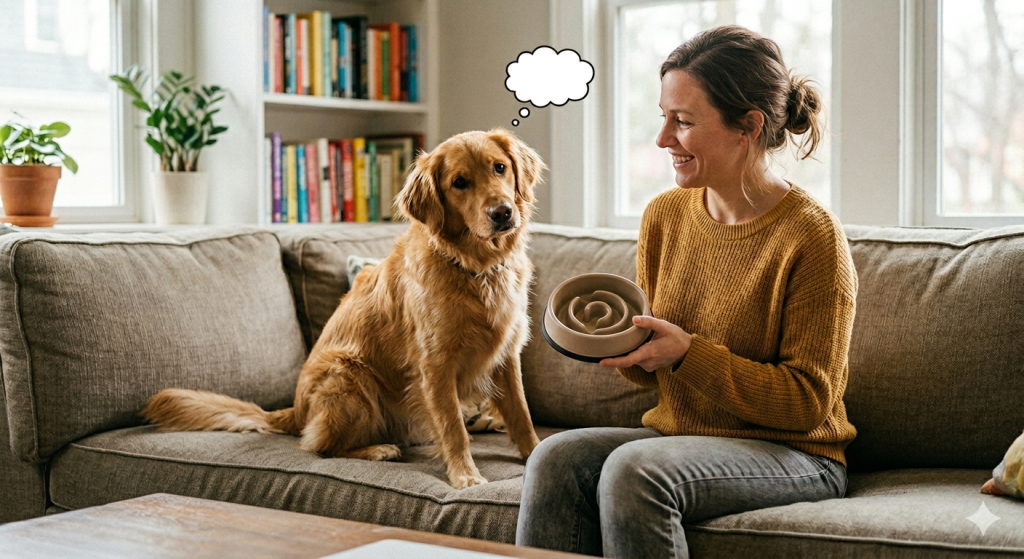
The easiest fix is slowing down the “feeding frenzy.” Use a slow-feeder bowl or a Northmate Green feeder to force your dog to eat one kibble at a time. This significantly reduces the amount of swallowed air.
Stop the “people food” handouts immediately. Even a small piece of cheese can cause a massive gas spike in lactose-intolerant dogs. Most dogs actually lack the enzyme to process dairy, so keep the charcuterie board out of reach.
The Impact of Nutrition on Dog Farting
Nutrition is your strongest weapon against the stink. Switch to a “limited ingredient diet” if you suspect a food allergy is causing the gas. This simplifies the digestive process and lets your dog’s gut heal.
Look for foods with high bioavailability. The more nutrients your dog’s body actually absorbs, the less “waste” is left over for bacteria to turn into gas. FYI, the most expensive food isn’t always the best, but the cheapest food is usually the gassiest.
How Exercise Can Reduce Dog Gas
Believe it or not, a tired dog is a less gassy dog. Physical activity helps stimulate the muscles in the digestive tract, moving gas through the system more efficiently. A long walk after dinner can help “expel” the problem outdoors instead of on your rug.
Exercise also prevents obesity, which is a major contributor to respiratory and digestive issues. Overweight dogs often have more labored breathing, leading to—you guessed it—more swallowed air. Keep them lean to keep the air clean.
Supplements for Your Dog’s Digestion
If a diet change isn’t enough, supplements can provide the backup your dog needs. Targeted supplements balance gut bacteria and break down proteins more effectively. Think of them as a “tune-up” for your dog’s internal engine.
Probiotics
These are the “good” bacteria your dog’s gut craves. A high-quality canine probiotic restores balance to the microbiome and crowds out gas-producing bacteria. I’ve seen probiotics turn a “stink-machine” back into a cuddly companion in just two weeks.
Fennel
This isn’t just for Italian cooking. Fennel helps relax the muscles in the digestive tract, allowing gas to pass without causing bloating. You can sprinkle a tiny bit of dried fennel on their food or find treats that include it as an ingredient.
Ginger
Ginger is the ultimate stomach soother. It speeds up gastric emptying, which means food doesn’t sit in the stomach long enough to ferment and cause gas. It’s also great for dogs who get car sick, making it a double-win for travelers.
Yucca
If you can’t stop the farts, you can at least stop the smell. Yucca schidigera is a plant extract often added to dog food specifically to reduce the odor of waste. It won’t stop the “noise,” but it definitely takes the “lethal” edge off the aroma.
Summary
Tackling the question of Why Your Dog Farts a lot and What to Do About It? requires a three-pronged attack: diet, speed of eating, and gut health. Switching to high-quality food and using a slow-feeder bowl solves 80% of gas problems. For the remaining 20%, look into probiotics and exercise.
Frequently Asked Questions
Is it normal for my dog to fart every time they jump?
– Yes, the physical exertion can “squeeze” out trapped air.
Can stress cause gas?
-Absolutely. Stress affects the gut-brain axis, often leading to digestive upset.
Should I change my dog’s food cold-turkey?
-No! Always transition over 7–10 days to avoid making the gas even worse.
Final Words
At the end of the day, a few farts are just a small price to pay for a dog’s unconditional love. Be patient, experiment with their diet, and maybe keep a window cracked until things settle down. Your nose will thank you, and your dog will be much more comfortable!