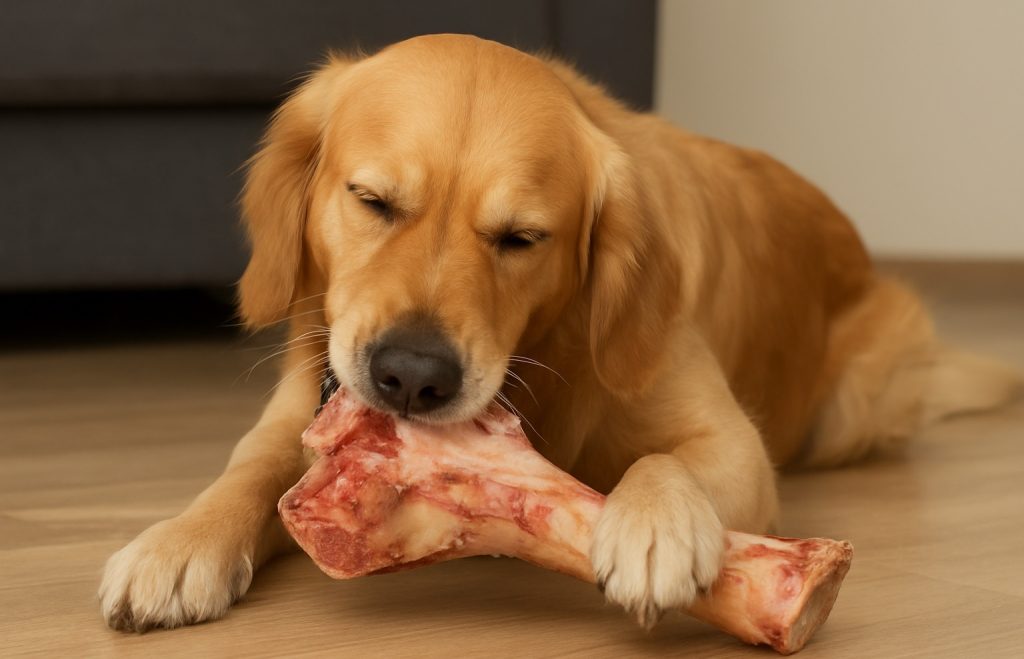
Ever caught your pup gnawing on a bone like it’s the last snack on Earth? Yeah, same here. I used to think it was just a cute habit—until I realized there’s a whole primal, nutritional, and psychological story behind it. So, if you’ve ever asked yourself, “Why do dogs like bones?”—buckle up, because we’re about to chew through the facts (pun 100% intended).
Let’s break it down like a dog breaks down a juicy marrow bone. 🦴
Can Dogs Eat Bones?
Short answer? Yes—but not all bones are created equal.
Some bones are safe, others are a dental disaster waiting to happen. Cooked bones? Big nope. They splinter like bad relationships. Raw bones? Better, but still needs supervision.
Safe bones include:
- Raw beef knuckle bones
- Raw lamb bones
- Commercially prepared chew bones
Unsafe bones include:
- Cooked chicken or turkey bones
- Small, brittle bones
- Bones with sharp edges
Pro tip: When your dog is chewing, always keep an eye on them. You wouldn’t give scissors to a toddler, would you?
Why do dogs like bones?
What, then, makes bones so alluring to dogs? It’s a complex mixture of instinct, flavor, texture, and health advantages. Let’s dissect it.
Bone marrow
Dogs hunt for the rich, fatty marrow inside bones, not just to chew them for fun. It resembles peanut butter in nature. Marrow, which is rich in fat and nutrients, gives dogs more energy and, yes, they also think it tastes great.
Fresh meat
Sometimes bones come with a little extra meat or cartilage hanging on. To a dog, that’s basically a free snack attached to a toy. Win-win.
Calcium and other nutrients
Collagen, calcium, phosphorus, and magnesium are all found in bones. Strong bones, healthy joints, and even better coat health are all supported by these nutrients. It makes sense why dogs lust for them.
Digestive health
More saliva is produced when bones are ground up, which facilitates digestion. Additionally, chewing activates digestive enzymes. To put it simply, a happier belly means more bones.
Prevents plaque build-up
Tartar and plaque are naturally scraped off when you chew on bones. Consider bones as a toothbrush that dogs genuinely like to use. I wonder if they felt the same way about actual toothbrushes.
Stimulates them mentally
Dogs need mental stimulation just as much as exercise. A bone keeps them busy, focused, and less likely to chew your shoes. Ever noticed how calm your dog gets after chewing a bone? That’s because it works their brain as much as their jaw.
The Ancient Craving Explained
Dogs didn’t always have kibble and freeze-dried treats. Their ancestors—wolves—hunted, scavenged, and chewed bones to survive. That instinct didn’t vanish when we started calling them “good boys.”
So when your dog chews a bone, they’re channeling their inner wolf. 🐺
Fun fact: Wolves often bury bones to save for later. Some dogs still do this. My Labrador once buried a bone in my laundry basket. Not cool, Max. Not cool.
A Bone-a-Fide Natural Instinct
Here’s the thing: chewing isn’t just fun for dogs—it’s a survival instinct. Puppies chew when they teethe, and adult dogs chew to keep their teeth and jaws strong. Without bones or chew toys, dogs can get bored, destructive, and stressed.
So when your pup is gnawing away like it’s their life’s mission, they’re not being weird. They’re being… well, dogs. 🙂
Benefits of Natural Chews for Dogs
It’s not just a treat to give your dog the proper natural chew; it’s a component of a comprehensive wellness strategy. My dogs are generally calmer and behave better when they are given the right chews.
The advantages are numerous:
- Muscle Strengthening: Chewing maintains the strength of the jaw, neck, and shoulder muscles.
- Pain Relief from Teething: As puppies’ adult teeth erupt, a satisfying chew helps to relieve sore gums.
- Redirecting destructive chewing away from your shoes and onto a suitable bone or chew is an example of behavioral improvement.
- Long-Lasting Entertainment: For busy owners, a high-quality, large chew can keep their dog occupied for hours on end.
Natural chews are essentially a safer, more convenient, and less messy alternative to wild bones in the modern era.

Best Types of Natural Chews
Not all chews are created equal. Some are awesome. Others? Meh.
Top picks:
- Raw bones: Beef knuckles, lamb femurs.
- Antlers: Long-lasting and rich in calcium.
- Bully sticks: High protein, low fat.
- Hooves: Durable and satisfying.
Avoid:
- Cooked bones
- Plastic chews with sharp edges
- Anything that splinters
FYI: Always size the chew to your dog. A Chihuahua with a cow femur? That’s just comedy.
Why do dogs chew bones at night?
Ever notice your dog grabbing their prize chew and taking it to their bed right before you turn in? This is classic canine behavior. Dogs chew bones at night for two main, instinctual reasons.
First, it relates to that ancestral habit: security. In the wild, a dog would secure their food source in a safe, quiet spot to eat it without competition. Their crate or dog bed is their den, their secure location.
Second, it’s about calm and winding down. Chewing is a meditative, self-soothing activity. It helps them relax and transition into sleep. It’s the equivalent of us reading a good book before bed.
Do dogs like bones more than meat?
That’s a bit like asking if you prefer the filling or the crust of a pie—you really want both, right? Dogs love the combination of meat and bone. Initially, the meat and marrow are the main attractants. The high-fat, high-protein taste of meat is irresistible.
However, the bone provides long-lasting satisfaction and an essential chewing workout. Meat is quickly devoured; the bone is a project. So, they don’t necessarily like one more than the other, but the bone offers a longer, more fulfilling experience.
Why do dogs like to chew on plastic bones?
You’ve probably seen your dog gnawing away at a super-durable, nylon “bone” that has zero flavor. So, why do dogs like to chew on plastic bones? It’s not to the taste (obviously).
The appeal is purely texture and challenge. The rigid, tough material satisfies that deep need to crunch and grind. As the dog chews, small, safe shavings come off, giving them a sense of accomplishment. Plus, many of these are infused with faint meaty odors, giving them just enough olfactory incentive to keep going.
Feeding Guide for Giving a Bone to a Dog
If you’re new to giving bones, follow these quick tips to avoid a disaster:
Give Your Dog a Bone if They’re Alone
Bones can keep your dog occupied when you’re busy. Just make sure they’re safe to chew unsupervised.
Try a Bone After a Meal
A hungry dog is more likely to swallow a bone too quickly. Giving a bone after they have already eaten a meal reduces their immediate hunger and encourages them to chew slowly and deliberately.
Throw Out a Bone After a Few Days
Don’t leave a bone lying around for a week. Raw bones can harbor bacteria like Salmonella or E. coli. For health and safety, discard raw bones within 12–24 hours. Even durable, non-edible chews should be tossed once they get small enough to be a choking hazard.
Give Large Breeds Large Bones
This sounds like a no-brainer, but many people don’t think about it. The size of the bone should be appropriate for the dog’s size. The bone must be too large to be swallowed whole. This is a critical safety rule.
Bone Alternatives
Not into real bones? Try these:
- Kong toys
- Dental chews
- Frozen carrots
- Antlers or hooves
They’re safer and still satisfy that chew craving
Potential Health Hazards of Bones
Okay, let’s get real. Bones aren’t all sunshine and tail wags.
Risks include:
- Broken teeth
- Choking
- Intestinal blockages
- Bacterial infections
How to stay safe:
- Supervise chewing
- Choose the right size
- Avoid cooked bones
- Limit chew time
Contact your veterinarian right away if your dog begins to exhibit strange behaviors after chewing, such as vomiting or lethargy.
What to Give Your Dog Instead of Bones?
If the risks outweigh the rewards for you, that’s totally understandable. You can satisfy your dog’s chewing instinct without real bones. Emphasis should be placed on long-lasting, non-edible toys and edible, highly digestible chews.
My go-to bone substitute is a large, durable rubber chew toy. It gives them the right amount of resistance and resilience without the risk of splintering or obstruction. Honestly, a frozen, stuffed Kong is a close second—it takes them ages to finish and they get a great mental workout.
Frequently Asked Questions
Why do dogs like bones, Reddit?
Reddit users say it’s a mix of instinct, taste, and boredom relief. Honestly, they’re not wrong.
Why do dogs like sticks?
Sticks are like nature’s chew toy. They’re everywhere, they smell earthy, and they’re fun to carry. Just watch for splinters.
Why do dogs like bone marrow?
Because it’s fatty, flavorful, and nutrient-rich. It’s basically doggy caviar.
Why do dogs like chewing toys?
Chewing toys offer texture, scent, and satisfaction. Plus, they don’t splinter or stink. Win-win.
Final Words
So, why do dogs love bones? It’s instinct. It’s taste. It’s mental stimulation. It’s basically everything they crave rolled into one crunchy package.
Bones aren’t just chew toys—they’re ancestral relics, stress relievers, and dental tools. However, they have risks, just like anything amazing. Thus, pick carefully, keep an eye on them frequently, and perhaps have a mop on hand for the slobber. 😅
Got a bone story to share? Drop it in the comments or bark at me anytime. Your pup’s chewing habits might just be more fascinating than you think.