
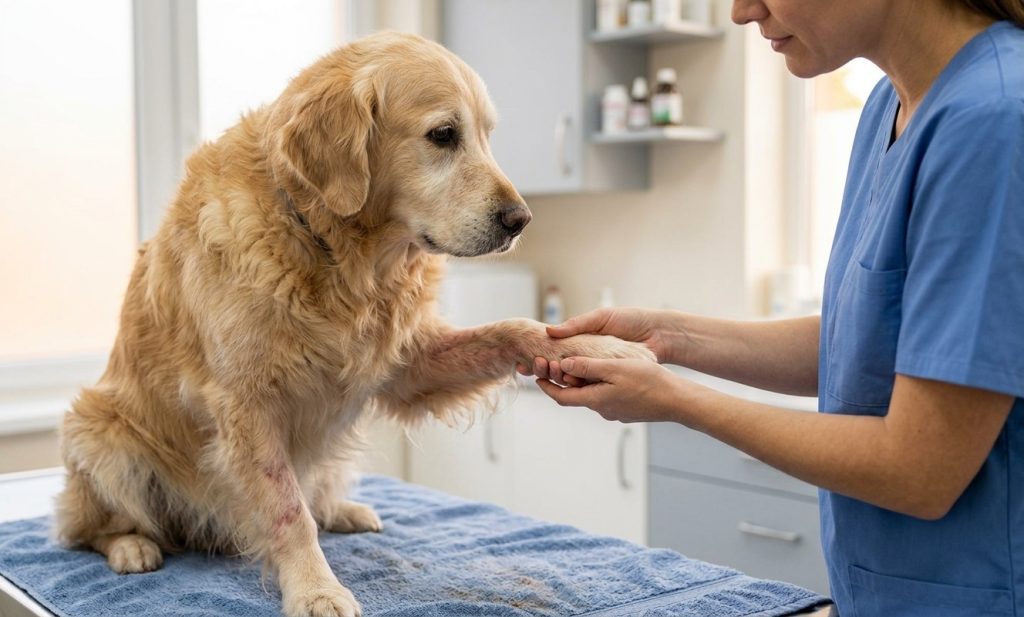
Chlorhexidine is ideal for bacterial and general cleansing; ketoconazole treats fungal infections specifically.
I have worked as a veterinary technician for eight years and have managed many cases of canine dermatitis. This article compares Chlorhexidine vs ketoconazole for dog skin infections with clear, practical guidance. You will learn how each works, when to choose one over the other, how to use them safely, and what results to expect. Read on for actionable advice based on clinical practice and evidence.
How Chlorhexidine and Ketoconazole Work: basic science and modes of action
Chlorhexidine is an antiseptic. It kills many bacteria and some yeasts on contact. It is often used as a shampoo, rinse, or topical spray for dogs with greasy, smelly, or red skin.
Ketoconazole is an antifungal medicine. It targets fungal cell membranes and stops fungal growth. It is used as a topical cream, shampoo, or oral tablet for fungal infections, including yeast overgrowth.
When comparing Chlorhexidine vs ketoconazole for dog skin infections, remember they act on different germs. Chlorhexidine treats bacteria and cleans skin. Ketoconazole treats fungi and yeast. Both can be part of a full treatment plan when dogs have mixed infections.
Comparative effectiveness: what the evidence and practice show
Chlorhexidine works fast to reduce bacteria on skin. It lowers odor and greasiness within days. In cases of superficial bacterial infection, chlorhexidine shampoo used two to three times weekly often shows clear improvement in a week or two.
Ketoconazole targets Malassezia and dermatophytes. Many dogs with yeast infections improve after a few washes or a short course of oral treatment. For ringworm or deep fungal problems, longer therapy is needed.
Practical notes when thinking about Chlorhexidine vs ketoconazole for dog skin infections:
- Use chlorhexidine when the main issue is bacterial, greasy, or malodorous skin.
- Use ketoconazole when lab tests show yeast or dermatophyte infection.
- For mixed infections, combine therapies under veterinary guidance to cover both bacteria and fungi.
Clinical trials and clinic data show that targeted therapy based on culture or cytology yields the best outcomes.
When to use chlorhexidine: common signs and situations
Choose chlorhexidine when you see:
- Red, moist, or smelly skin with greasy hair.
- Pustules, crusts, or bacterial folliculitis.
- Post-surgical skin cleansing and wound care.
Chlorhexidine is safe for many dogs. Use diluted solutions and follow product directions. If a dog has a known allergy to chlorhexidine, stop use and consult your veterinarian.
When deciding between Chlorhexidine vs ketoconazole for dog skin infections, pick chlorhexidine for clear bacterial issues and for skin hygiene between treatments.
When to use ketoconazole: key signs and clinical clues
Consider ketoconazole when you see:
- Itchy, red skin with brownish waxy discoloration typical of yeast.
- Patchy hair loss, scaly rings, or crusts that suggest fungal infection.
- Recurrent yeast infections that resist antiseptics alone.
Ketoconazole can be topical or oral. Oral use requires monitoring for liver effects. Always confirm fungal infection with cytology or culture before long systemic use.
For mixed infections, ketoconazole and chlorhexidine often work together. Use lab tests to guide the choice in the debate of Chlorhexidine vs ketoconazole for dog skin infections.
How to apply and dosing: safe use at home and clinic
topical chlorhexidine
- Use shampoos with 2–4% chlorhexidine as directed.
- Wet dog, lather, leave on for 5–10 minutes, then rinse well.
- Repeat frequency depends on the vet plan—often two to three times weekly.
Topical ketoconazole
- Apply creams to small patches once or twice daily.
- Ketoconazole shampoos are used similarly to chlorhexidine with contact time of 5–10 minutes.
Oral ketoconazole
- Use only when prescribed.
- Follow dose, duration, and monitoring recommendations.
- Watch for appetite change, vomiting, or jaundice.
When combining treatments, space them if advised. A vet may recommend alternating shampoos or using one for daily spot care and the other for whole-body cleanses. Good records help track progress and side effects.
Side effects and safety: what to watch for
Chlorhexidine side effects are usually mild:
- Local irritation or dryness.
- Allergic reactions are rare but possible.
Ketoconazole side effects can be more systemic:
- Skin irritation with topical use.
- Liver enzyme changes, appetite loss, or nausea with oral use.
- Drug interactions with some other medicines.
Always check with your veterinarian. Before starting ketoconazole orally, baseline blood tests may be advised. In the real world, I have seen faster relief when we paired diagnostic cytology with focused therapy and close follow-up.
Personal experience and practical tips from the clinic
From years of clinic work, I learned these practical tips:
- Always confirm the cause with cytology or culture if possible. Guessing can slow recovery.
- Start with topical chlorhexidine for bacterial smells and mild infections. It often fixes the problem quickly.
- Use ketoconazole when cytology shows Malassezia or fungi or when antiseptics fail.
- When treating puppies, pregnant dogs, or dogs with liver disease, consult a vet before giving oral antifungals.
- Keep a treatment log with dates and photos. It helps your vet judge progress and adjust treatment.
These habits cut treatment time and help owners avoid common mistakes like overtreating or using the wrong product for the problem. In practice, the debate of Chlorhexidine vs ketoconazole for dog skin infections is not a one-size-fits-all issue. Diagnosis and monitoring make the difference.
Common questions and decision cues to help owners
How fast will I see improvement?
- With the right therapy, many dogs show improvement in a few days to two weeks. Severe or deep infections take longer.
Can I use both products at once?
- You can use both under veterinary advice. Often, a vet will recommend a schedule that avoids interaction and maximizes effectiveness.
Do I need lab tests before treatment?
- Mild cases may respond to topical care. For recurrent, severe, or unusual cases, tests are strongly advised.
What if my dog licks the treatment?
- For topical treatments, prevent licking if possible. For oral ketoconazole, ensure accurate dosing and avoid self-medicating.
How often should I bathe my dog?
- Frequency depends on the condition and product. A vet will tailor a plan using the pros and cons of chlorhexidine and ketoconazole.
Frequently Asked Questions of Chlorhexidine vs ketoconazole for dog skin infections
What is the main difference between chlorhexidine and ketoconazole?
Chlorhexidine is an antiseptic that kills bacteria and some yeasts on contact. Ketoconazole is an antifungal drug that targets fungal cells and yeast growth.
Can I use chlorhexidine for yeast infections?
Chlorhexidine can reduce yeast counts and help skin hygiene, but ketoconazole is often required for persistent or heavy yeast infections.
Are there risks to using ketoconazole orally?
Yes. Oral ketoconazole can affect the liver and interact with other drugs, so blood tests and vet oversight are recommended.
How soon will my dog stop itching after treatment?
Some dogs feel relief in a few days with the right therapy, but full healing can take weeks depending on severity and cause.
When should I see a veterinarian instead of treating at home?
See a veterinarian for severe signs, spreading lesions, recurrent problems, or if over-the-counter care does not improve the skin in a week or two.
Conclusion
Choosing between Chlorhexidine vs ketoconazole for dog skin infections depends on the cause of the infection. Use chlorhexidine for bacterial and general cleansing needs. Use ketoconazole when fungi or yeast are the clear problem or when topical antiseptics fail. Diagnose with cytology or culture when possible. Monitor for side effects and work with your veterinarian to tailor treatment to your dog. Start with careful testing, follow the treatment plan, and track progress—your dog will heal faster and stay healthier. Leave a comment with your questions or subscribe for more practical guides on pet skin care.