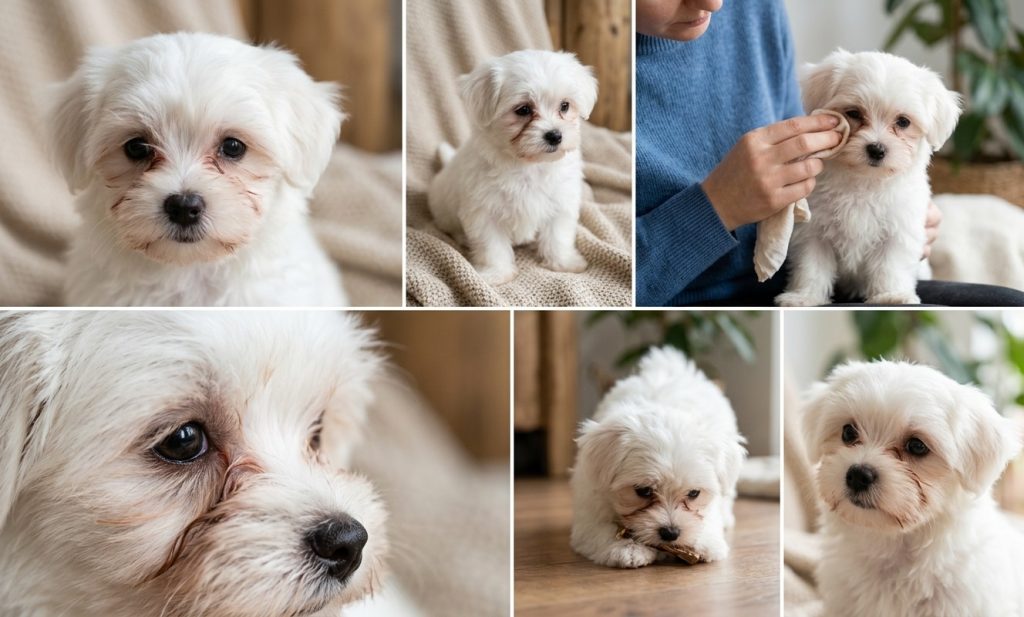
Most dark eye stains in Maltese puppies come from tear overflow, porphyrin pigments, and bacteria.
As a veterinarian and long-time small-breed caregiver, I will explain clearly what causes dark eye stains in Maltese puppies. This guide covers causes, diagnosis, practical treatments, prevention steps, and real-life tips so you can reduce stains safely and keep your puppy healthy and comfortable. Read on for evidence-based steps and simple routines that work.
Source: reddit.com
Understanding tear stains in Maltese puppies
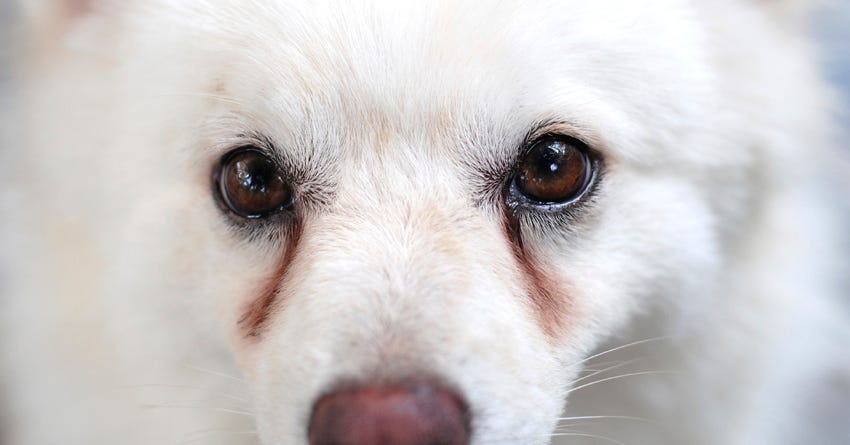
Tear stains are red-brown to rust-colored marks on the fur under the eyes. Maltese dogs are prone to them due to white hair and shallow eye sockets. These stains are not the hair itself changing color. They are deposits of pigmented compounds, microbes, and dried tears on fur and skin.
Tear staining often signals excess tearing or poor tear drainage. It can be a cosmetic issue or a sign of irritation or infection. Proper care and diagnosis help stop stains and protect eye health.
-min-330x231-640w.jpg)
Source: petmaltese.com
Primary causes of dark eye stains in Maltese puppies
When people ask, “What causes dark eye stains in Maltese puppies?” the short answer lists several overlapping factors. Below are the main causes with clear, practical notes.
- Epiphora (excess tearing)
- Tear overflow wets the hair. Wet fur traps porphyrins and microbes. Constant moisture leads to staining.
- Porphyrin pigments
- Tears contain porphyrins, iron-containing pigments. When porphyrins oxidize on fur they turn reddish-brown.
- Bacteria and yeast
- Microbes grow in damp fur. Their waste and breakdown products darken stains and can smell.
- Tear duct blockage or malformation
- Blocked tear ducts force tears onto the face instead of the nose. This is common in small breeds.
- Conformation and genetics
- Shallow eye sockets, prominent eyes, and flat faces contribute to overflow. Maltese genetics often include these traits.
- Allergies and eye irritation
- Allergies, foreign material, or eyelid issues can increase tears and rubbing, accelerating staining.
- Diet and gut health
- Diets influencing stool and body chemistry can affect porphyrin levels in secretions. Poor gut health may worsen staining.
- Environmental factors
- Hard water, dust, and pollen can irritate eyes or leave mineral residues that mix with tears and stain fur.
- Poor grooming
- Long white hair traps tears. Infrequent cleaning allows stains to set and darken.
What causes dark eye stains in Maltese puppies? Usually more than one of these factors acts together. Treating a single cause may help, but a combined approach is best.
Can diet cause tear stains?
Yes. Diets that affect gut and liver function can influence porphyrin levels in tears. Switching to a simple, high-quality diet and monitoring changes helps evaluate this cause.
Are tear stains contagious?
Tear stains themselves are not contagious, but bacterial or yeast infections in the eye area can spread between animals. Good hygiene and separate grooming tools reduce risk.
Will trimming fur stop staining?
Trimming prevents fur from holding tears and makes cleaning easier. It does not stop tear production, but it reduces visible staining and moisture retention.
Source: reddit.com
Diagnosing tear-stain causes and when to see a vet
diagnosing why your Maltese puppy has dark eye stains starts with a vet exam. The vet will inspect the eyes, eyelids, tear ducts, and skin. They may flush tear ducts, test tear quality, and take swabs to check for microbes.
Watch for red flags that require prompt care:
- Smelly discharge
- Swelling or redness of eyelids
- Squinting, pawing at eyes, or vision changes
- Sudden heavy staining or one-sided stains
Early diagnosis prevents chronic irritation and helps choose the correct treatment. A vet can distinguish simple cosmetic staining from infection or anatomical issues.

Source: animalwellnessmagazine.com
Treatment and management options
Treatments aim to reduce tears on the fur, control microbes, and address the root cause. Typical steps include:
- Gentle cleaning
- Use sterile saline or vet-recommended wipes once or twice daily. Pat dry; do not rub aggressively.
- Trim hair around eyes
- Keep fur short so tears do not cling and stain. Regular trimming reduces moisture traps.
- Address infections
- Topical or systemic antibiotics or antifungals treat confirmed bacterial or yeast infections. Follow the vet’s prescription.
- Treat tear duct problems
- Duct flushing, dilation, or minor surgery can restore normal drainage when blocked or malformed.
- Manage allergies and irritation
- Identify allergens, change environment, or use vet-recommended anti-allergy treatment.
- Dietary adjustments and supplements
- Try high-quality, low-additive diets. Some puppies benefit from probiotics, omega-3s, or veterinarian-approved supplements that support skin and gut health.
- Water and mineral control
- Softened or filtered water can reduce mineral residue that worsens staining.
- Avoid harsh whitening chemicals
- Do not use bleach or strong chemicals on the face. Use products approved by vets.
What causes dark eye stains in Maltese puppies? Effective treatment depends on pairing cleaning with medical care for infections or anatomical fixes when needed.
Source: thehonestkitchen.com
Prevention and long-term care
Consistent routines prevent stains from returning. Simple daily steps are highly effective.
- Daily face care
- Wipe eyes with saline or a clean cloth daily. Dry hair after cleaning.
- Regular grooming
- Trim the hair around eyes every few weeks. Schedule professional grooming as needed.
- Monitor diet
- Feed a consistent, premium diet and avoid unnecessary additives. Consider a food trial if allergies are suspected.
- Control environmental triggers
- Reduce dust, pollen, and smoke. Keep bedding clean and washed often.
- Routine vet checks
- Annual or semiannual exams help catch early eye or dental issues that can increase tears.
- Use tools wisely
- Use separate, clean wipes and scissors. Avoid shared towels with other pets.
With steady care, many Maltese puppies show marked and lasting improvement. What causes dark eye stains in Maltese puppies? Often, careful prevention is the best long-term solution.

Source: co.uk
Personal experience and practical tips
In my practice, I have treated many Maltese puppies for tear stains. A combined plan of trimming, daily cleaning, and treating mild yeast often clears stains in weeks. One pup with recurrent staining needed tear duct flushing and a diet change; the improvement was dramatic.
Lessons learned:
- Be patient. Results take weeks, not days.
- Test one change at a time; it helps identify what works.
- Avoid over-cleaning with harsh products; gentle care works best.
If you keep notes on feeding, grooming, and environment, you will find patterns and faster fixes. What causes dark eye stains in Maltese puppies? Tracking these real-life factors usually reveals the answer for each puppy.

Source: reddit.com
Frequently Asked Questions of What causes dark eye stains in Maltese puppies?
What causes dark eye stains in Maltese puppies to be red-brown?
Red-brown stains come from porphyrin pigments in tears. Porphyrins oxidize on fur and combine with microbes to create the reddish-brown color.
How often should I clean my Maltese puppy’s eyes?
Clean the area once or twice daily with sterile saline or vet-approved wipes. Consistency prevents buildup and reduces microbial growth.
Can hard water make tear stains worse?
Yes. Minerals in hard water can leave residues that mix with tears and worsen staining. Filtered or bottled water can help.
Are tear stains harmful to my puppy’s health?
Tear stains alone are usually cosmetic. However, persistent stains can hide infections or drain problems that need veterinary care.
Will whitening shampoos remove dark eye stains?
Whitening shampoos can reduce surface color but do not stop tear production or treat underlying causes. Use only vet-approved, gentle products.
Conclusion
Dark eye stains in Maltese puppies result from a mix of excess tearing, porphyrin pigments, microbes, anatomy, diet, and environment. A clear plan of diagnosis, gentle cleaning, proper grooming, and targeted veterinary care often removes stains and prevents return. Start with simple daily care, document changes, and consult your vet if staining is sudden, smelly, or one-sided. Take action now: try a consistent face-care routine, evaluate diet and water, and schedule a vet check if needed. Leave a comment about your experience or subscribe for more practical guides on small-breed care.