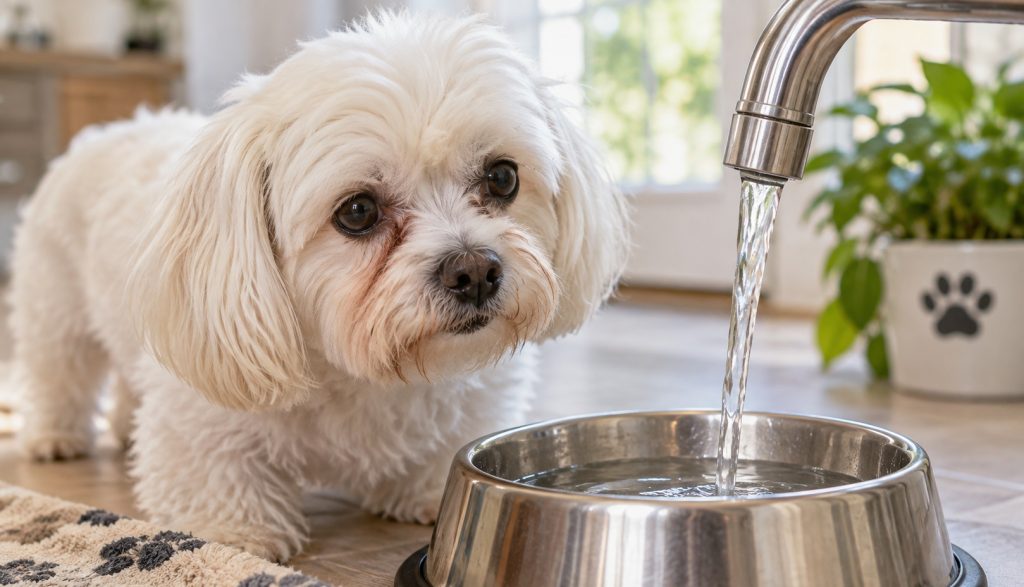
Tap water rarely causes dog tear stains; more often genetics, infections, or diet are to blame.
I am a veterinary content specialist with years of clinic experience and client education work. I have examined tear-stained dogs and reviewed water-quality data and veterinary literature. This article explains whether “Does tap water cause dog tear stains?” is a likely culprit. You will get clear, practical steps to test water, rule out other causes, and reduce stains safely.

Source: northpointpets.com
Does tap water cause dog tear stains? The scientific overview
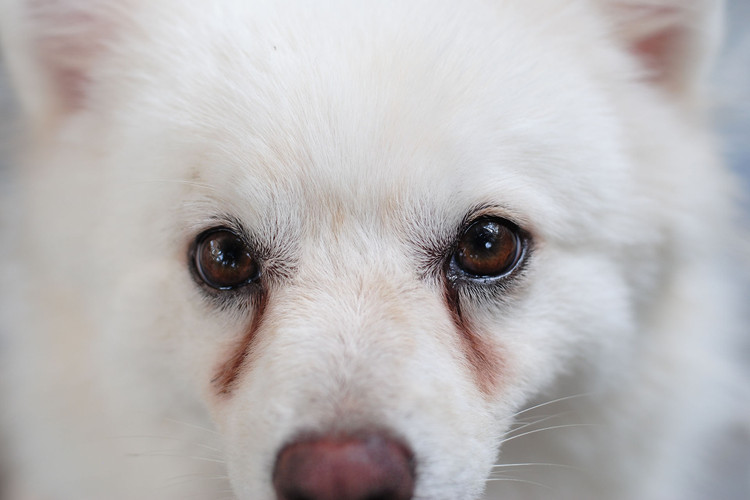
Many owners ask “Does tap water cause dog tear stains?” The short scientific view is that tap water alone is rarely the main cause. Tear stains form when tear components, including porphyrins, interact with fur and microbes. Minerals or contaminants in water can sometimes make staining worse, but they seldom create stains by themselves.
Tear stains are a multi-factor problem. To decide if tap water contributes, you must check breed, eye anatomy, diet, infection, and water quality. This section reviews the science in clear terms.

Source: zoetispetcare.com
Common causes of dog tear stains
Understanding the usual causes helps evaluate whether tap water is relevant.
- Genetics and breed predisposition. Some breeds make more tears or have shallow eye sockets. This causes frequent staining.
- Eye anatomy and blocked tear ducts. Poor tear drainage leads to overflow that stains fur.
- Infections and inflammation. Bacterial or yeast overgrowth can darken tear debris and make stains worse.
- Diet and gut microbiome. Certain diets may increase porphyrin production or yeast levels that affect tear color.
- Environmental allergens or irritation. Dust, pollen, or smoke can cause chronic tearing.
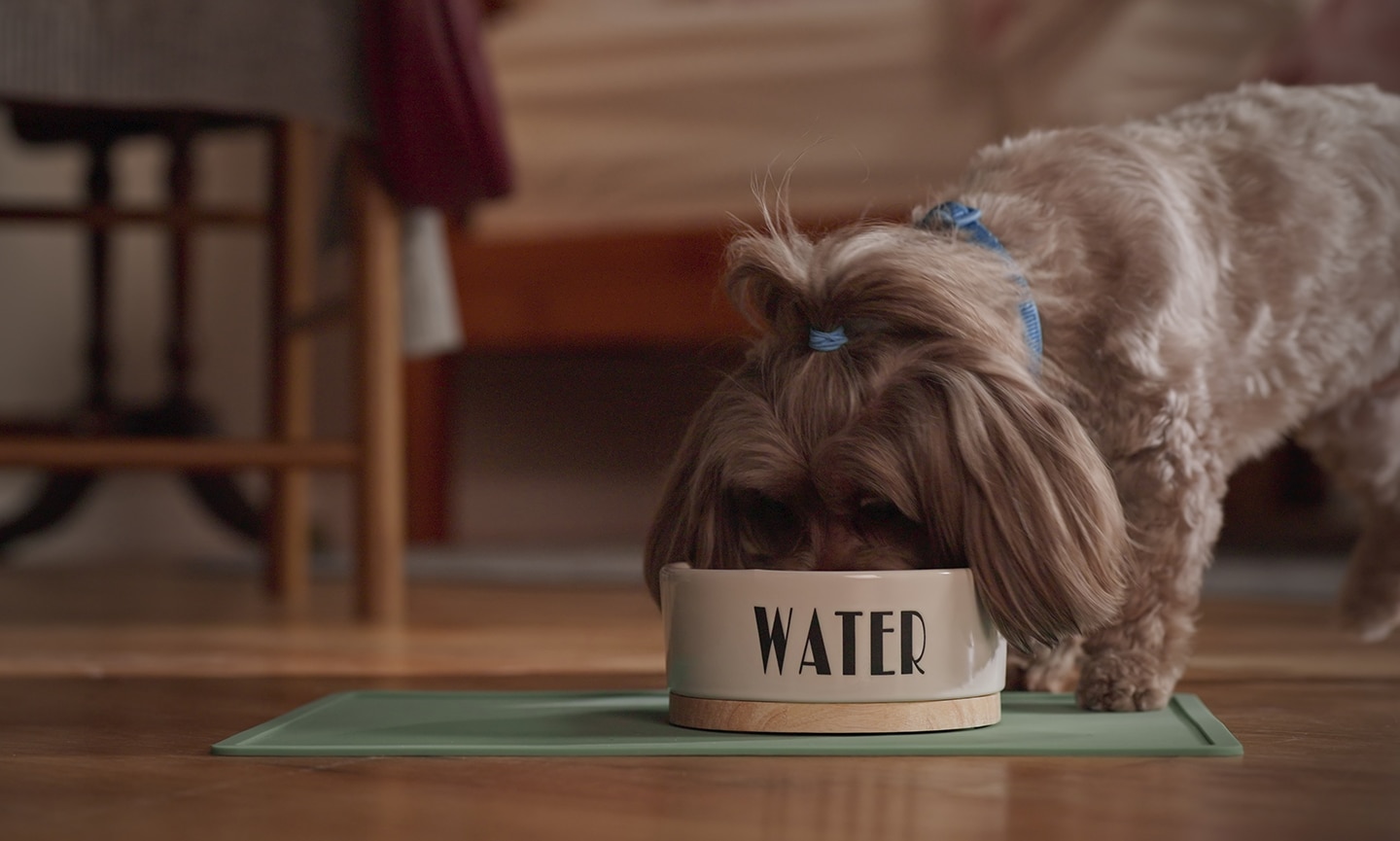
- Water quality. Hard water or iron-rich water can deposit minerals on coat and interact with tear pigments.
Overall, tap water is one factor among many. It may amplify stains in dogs with other predispositions.
Source: chewy.com
How tap water could contribute to tear staining
Tap water can affect stains through a few mechanisms.
- Mineral deposits. Hard water contains calcium, magnesium, or iron. These minerals can leave residues on hair and skin. Over time, residues can darken areas where tears land.
- Oxidation and porphyrins. Tear porphyrins are iron-containing pigments. Mineral-rich water can accelerate oxidation and make porphyrin stains more visible.
- Bacterial growth. Poor water quality can carry bacteria that colonize wet fur. Microbes feed on tear proteins and darken stains.
- pH and chemicals. Chlorine or chloramines can irritate sensitive eyes and increase tearing in some dogs.
Even with these mechanisms, “Does tap water cause dog tear stains?” is rarely a stand-alone answer. Tap water usually worsens an existing tendency rather than causing new stains.
How to test whether tap water is a factor
A simple, methodical test helps identify the role of tap water.
- Change water source for two to three weeks. Switch to distilled or bottled water and note any change in staining.
- Use a water hardness test strip. These inexpensive strips show mineral levels quickly.
- Install a small carbon or reverse osmosis filter temporarily. Observe if stains lessen.
- Keep a diary. Record diet, grooming, and eye changes while you change water.
- Consult your veterinarian. They can rule out infections or anatomy problems that will not improve with water changes.
If staining drops noticeably after switching water, tap water likely contributes. If there is no change, focus on other causes.
Source: eyeenvy.com
Practical solutions to reduce tear stains
Address multiple factors at once for the best outcome.
- Improve water quality
- Install a carbon or reverse osmosis (RO) filter for drinking water.
- Use distilled water for face rinses and grooming when practical.
- Test tap water for iron and hardness and treat accordingly.
- Grooming and cleaning
- Wipe the face daily with a soft, damp cloth or vet-approved wipes.
- Keep hair trimmed around the eyes to reduce staining surfaces.
- Use non-irritating cleansers to remove porphyrins gently.
- Dietary adjustments
- Feed a balanced, high-quality diet to support skin and eye health.
- Consider probiotics if yeast overgrowth is suspected (under vet guidance).
- Avoid foods that trigger excessive tearing or allergy symptoms.
- Veterinary care
- Evaluate for blocked tear ducts or eyelid problems.
- Treat bacterial or yeast infections promptly with prescribed meds.
- Consider topical or oral therapies if porphyrin production is high.
Combine water changes with grooming and medical care. That yields the best results.
Signs that tap water is not the cause
Sometimes the evidence clearly points away from water.
- Unilateral staining. If only one eye stains, structural eye issues or localized infection are more likely.
- Rapid onset tied to illness. Sudden staining after an eye injury or illness suggests infection.
- No improvement after water change. If stains persist after weeks on filtered or distilled water, water was not the main cause.
- Lab or vet findings. Tests that show infection, blocked ducts, or genetic issues mean focus should shift to treatment.
When tap water is not the cause, pursuing filters wastes time and money. Seek veterinary diagnosis instead.
My experience and practical lessons
I have advised dozens of pet owners on tear staining. In many cases, switching to filtered water produced little change alone. The most effective plans combined cleaning, vet treatment, and modest water improvements. I learned to recommend a short trial with filtered or distilled water before spending on heavy filtration systems. I also found that daily face care and trimming produced quick visual improvements.
Lessons learned
- Test water for two to three weeks; watch for change.
- Always check eyes for infection first.
- Small grooming habits often provide the fastest improvement.
- Be cautious of unproven products that promise instant removal.
These steps save money and direct attention to the true causes.

Source: webvet.com
Recommendations and checklist for dog owners
Use this checklist to evaluate and act on tear stains.
- Ask: “Does tap water cause dog tear stains?” Test by switching to distilled water for two weeks.
- Check with a vet for infections, blocked ducts, or eyelid problems.
- Test tap water hardness and iron levels with strips.
- Start daily face cleaning and keep hair trimmed around eyes.
- Consider a carbon or RO filter if your water shows high minerals.
- Adjust diet and consult about probiotics or allergy testing.
- Track results and be patient; changes often take weeks.
Following a stepwise approach yields reliable results. If unsure, prioritize a veterinary exam.
Frequently Asked Questions of Does tap water cause dog tear stains?
Does tap water cause dog tear stains in all dogs?
No. Tap water rarely causes tear stains on its own. It may worsen staining in dogs that already have tear overflow or infections.
How long should I try filtered water to see a change?
Try filtered or distilled water for two to three weeks. Subtle changes can take time, but most owners notice any improvement within this period.
Can hard water make stains darker?
Yes. Hard water can leave mineral residues that interact with tear pigments and make staining more visible. It usually acts as an amplifier, not the primary cause.
Should I use distilled water to rinse my dog’s face daily?
You can use distilled or filtered water for gentle daily face rinses. This reduces mineral deposits and helps keep fur clean without irritation.
When should I see a veterinarian about tear stains?
See a vet if staining is sudden, severe, unilateral, or accompanied by discharge, redness, swelling, or pain. These signs suggest infection or structural problems needing treatment.
Conclusion
Tap water can sometimes make existing tear stains look worse, but it rarely causes stains on its own. The best approach is a stepwise plan: test water quality, perform consistent grooming, and seek veterinary evaluation to rule out infection or anatomical issues. Start with a short filtered-water trial, maintain daily face care, and consult your vet if stains persist. Take action now: try the checklist above, track results, and speak with your veterinarian to find the right solution for your dog.