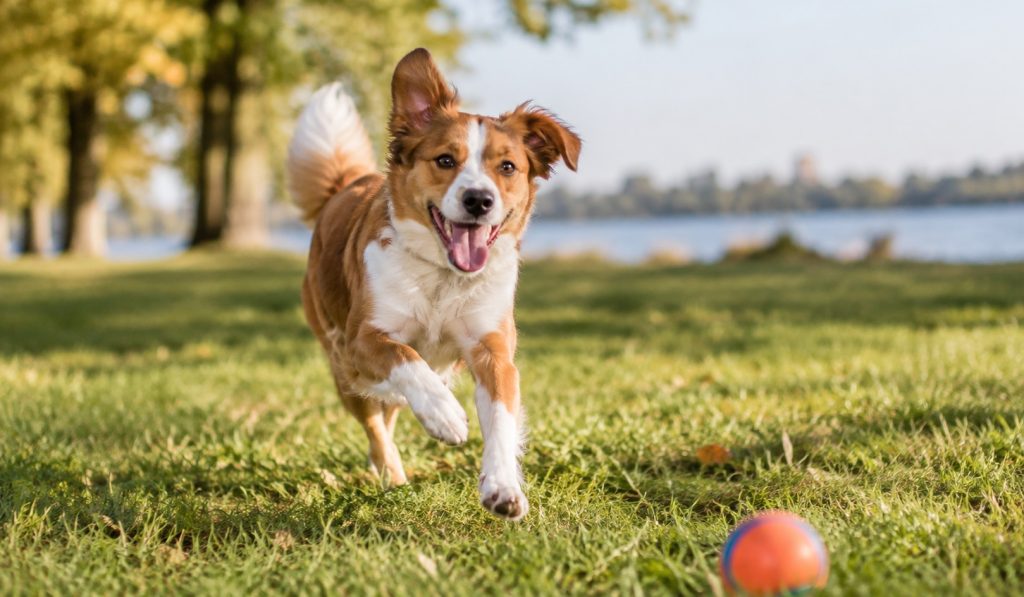
A hyper dog should run about 20–60 minutes daily, split into multiple short sessions.
As a canine behavior specialist with years of hands-on experience, I will guide you through why the question How many minutes a day should a hyper dog run? matters, and how to tailor exercise safely. This article explains practical minutes, schedules, age and breed adjustments, mental work, safety signs, and real-life tips to help you channel your dog’s high energy into healthy routines. Read on for step-by-step plans and evidence-backed advice.

Source: moonshadowpetresort.com
Understanding hyperactivity in dogs
Hyperactivity in dogs is excess energy, restlessness, or impulsive behavior that interferes with daily life. Causes include genetics, breed traits, insufficient exercise, boredom, diet, and medical conditions. Recognizing true hyperactivity helps answer How many minutes a day should a hyper dog run? with precision.
Common signs of a hyper dog
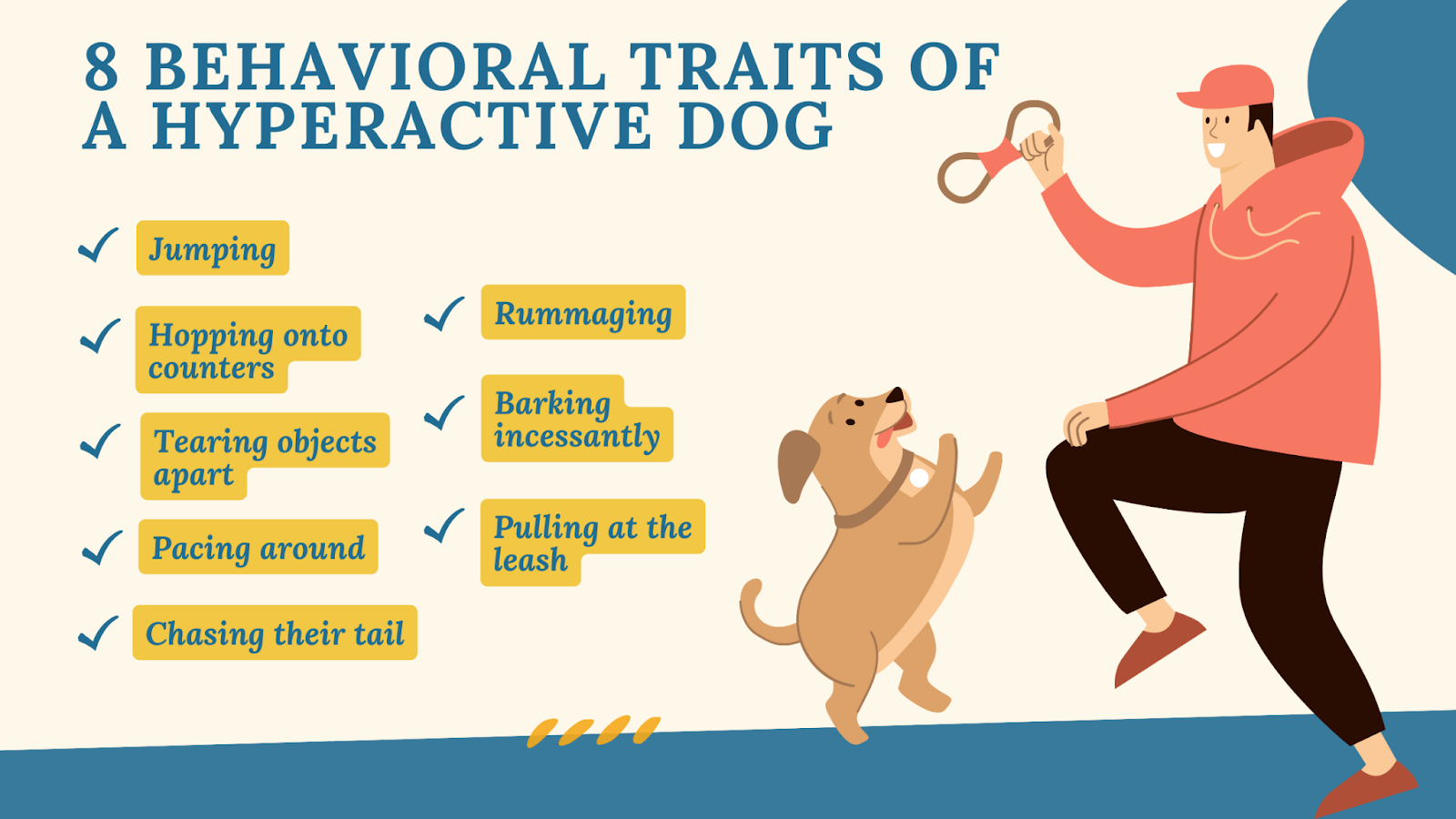
- Racing in the house with no clear purpose.
- Repeatedly jumping, mouthing, or excessive barking.
- Difficulty settling for rest or sleep.
- Destructive behavior when left alone.
Experience note: I have worked with many owners who mistook boredom for behavior problems. A clear, consistent exercise plan changed outcomes fast.
General exercise guidelines for high-energy dogs
Exercise needs vary. A good baseline for active adult dogs is at least 60–120 minutes of combined activity daily. This includes running, walks, play, and mental work. For hyper dogs, more structured sessions work best than one long burst.
Key principles
- Break activity into multiple sessions to avoid injury and to maintain focus.
- Mix aerobic work with mental tasks to reduce hyperactivity.
- Increase or decrease minutes based on recovery, mood, and behavior.
Practical tip: Start with moderate runs and monitor appetite, gait, and sleep. If your dog is overly panting or limping, reduce intensity and consult a vet.

How many minutes a day should a hyper dog run? — by age and breed
How many minutes a day should a hyper dog run? depends on age, breed, fitness, and health. Tailor minutes carefully.
Puppies
- Short, frequent play sessions are safest.
- Aim for 5 minutes per month of age per session. For a 4-month puppy, that is about 20 minutes per session.
- Avoid long runs that stress growing joints.
Adult small breeds
- Many small active breeds do well with 20–40 minutes of running per day, split into two sessions.
- Combine running with play or training to keep interest.
Adult medium to large breeds
- Active medium and large dogs often need 30–60 minutes of focused running daily, split into two or three sessions.
- High-drive breeds may need more movement and mental load.
Giant and working breeds
- Giant breeds need careful pacing; 20–40 solid minutes total may be enough depending on age.
- Working dogs may require structured running plus job-like activities.
Senior dogs
- Reduce intensity and favor short, slow runs and walks.
- Focus on joint care and recovery so minutes may drop to 10–30 per day depending on condition.
Two PAA-style questions
Will too much running harm my dog?
Yes. Excessive high-impact running can cause joint damage, heat stress, and fatigue. Monitor recovery and adjust intensity.
Can I let my hyper dog run off-leash to burn energy?
Off-leash runs can help if the environment is safe and your dog has good recall. Use fenced areas or trained recall to avoid risks.
Training, mental exercise, and cross-training
Running alone rarely solves hyperactivity. Mental work and varied exercise reduce reactive behavior and boredom.
Effective additions
- Obedience drills during walks to reinforce focus.
- Scent games and puzzle feeders for mental tiredness.
- Interval training: short sprints followed by walking.
- Swimming as low-impact, high-value cardio.
Personal example: I worked with a border collie who still paced after long runs. Adding 15 minutes of scent work and short obedience games twice daily calmed him much faster than extra running.
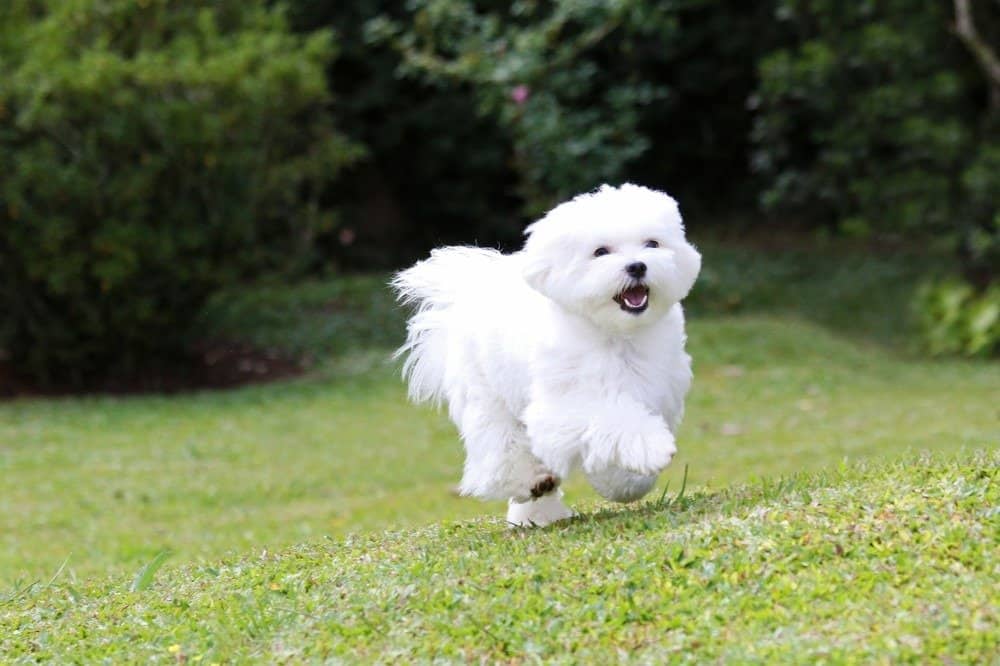
Signs of overexertion and how to keep running safe
Running safety is vital. Watch for these warning signs and act early.
Signs of overexertion
- Heavy, prolonged panting or drooling.
- Slowed or staggered gait and obvious fatigue.
- Excessive limping, stiffness the next day, or reluctance to move.
- Vomiting, collapse, or disorientation.
Safety checklist
- Warm up with a brisk walk for 5–10 minutes before running.
- Avoid running on hot surfaces or in extreme heat.
- Keep water available and take breaks every 5–10 minutes.
- Use proper footwear or surfaces for older or arthritic dogs.
If in doubt, pause and seek veterinary advice.
Practical daily schedules and sample plans
Below are practical schedules for different dog types. Each plan assumes a healthy dog cleared for exercise.
High-energy small dog
- Morning: 15–20 minute run plus 10 minutes play.
- Midday: 10–15 minutes training or puzzle play.
- Evening: 10–20 minute run plus calm walk.
Active medium/large dog
- Morning: 20–30 minute run or interval session.
- Midday: 10–15 minutes of training or scent work.
- Evening: 20–30 minute jog or active walk.
Very hyper working breed
- Morning: 30–40 minute structured run with interval work.
- Midday: 20 minutes of job-like tasks (fetch with training).
- Evening: 20–30 minutes of mental enrichment and calm activity.
Adjust minutes based on recovery and behavior. Start conservative and increase gradually.

When to consult your vet or a behaviorist
If exercise does not reduce hyperactivity, consult professionals. Medical issues like thyroid disease, pain, or neurological conditions can mimic hyperactivity.
When to see a vet
- Sudden changes in energy or behavior.
- Signs of pain, weight loss, or abnormal gait.
- Lack of response to structured exercise and training.
When to see a behaviorist
- Persistent, dangerous behaviors like biting or severe separation anxiety.
- You need a tailored long-term plan beyond exercise routines.
Be transparent with your vet or behaviorist about how many minutes a day should a hyper dog run? and the types of activities you use. This helps them make precise recommendations.
Personal lessons, mistakes to avoid, and actionable tips
Lessons learned from working with hyper dogs
- Consistency beats intensity. Regular routines reduce spikes in energy.
- Mental work often outperforms extra mileage. Short, focused tasks calm dogs quickly.
- Track progress. Note changes in sleep, appetite, and behavior after altering minutes or type of exercise.
Common mistakes
- Giving one very long run and expecting the dog to be calm all day.
- Ignoring warm-up and cool-down routines.
- Using running to fix problems caused by poor training or medical issues.
Actionable tips
- Start with 20–30 minutes daily and scale to 60 minutes for many hyper dogs.
- Split runs into 2–3 sessions. Use short sprints and rest.
Combine running with obedience, scent work, or swimming for best results.
Frequently Asked Questions of How many minutes a day should a hyper dog run?
What is a safe starting point for a hyper dog’s run time?
Begin with 20–30 minutes per day split into two sessions for most adult dogs. Adjust based on breed, recovery, and behavior.
How quickly can I increase running time for a hyper dog?
Increase by about 10% per week to reduce injury risk and improve fitness safely. Watch for signs of fatigue or soreness.
Can I replace running with long walks?
Long walks help but often lack intensity; combine walks with short runs or sprints for greater energy expenditure. Mental tasks are also needed.
How do I handle a hyper dog that refuses to rest after running?
Add mental enrichment and structured training after runs to shift arousal to focus. Cool-down walks and massage can also help.
Is treadmill running okay for hyper dogs?
Treadmills can be useful when used correctly and under supervision. Introduce slowly and pair with off-treadmill play and training for balance.
Conclusion
Answering How many minutes a day should a hyper dog run? requires nuance. Most hyper adult dogs benefit from 20–60 minutes of targeted running daily, split into sessions and paired with mental work. Adjust time by age, breed, and health. Start conservatively, watch for signs of overexertion, and combine running with training and enrichment for best results. Implement a plan this week, monitor your dog closely, and consult a professional if progress stalls or if you see warning signs. Share your experiences, subscribe for more guidance, or leave a comment about your dog’s routine.