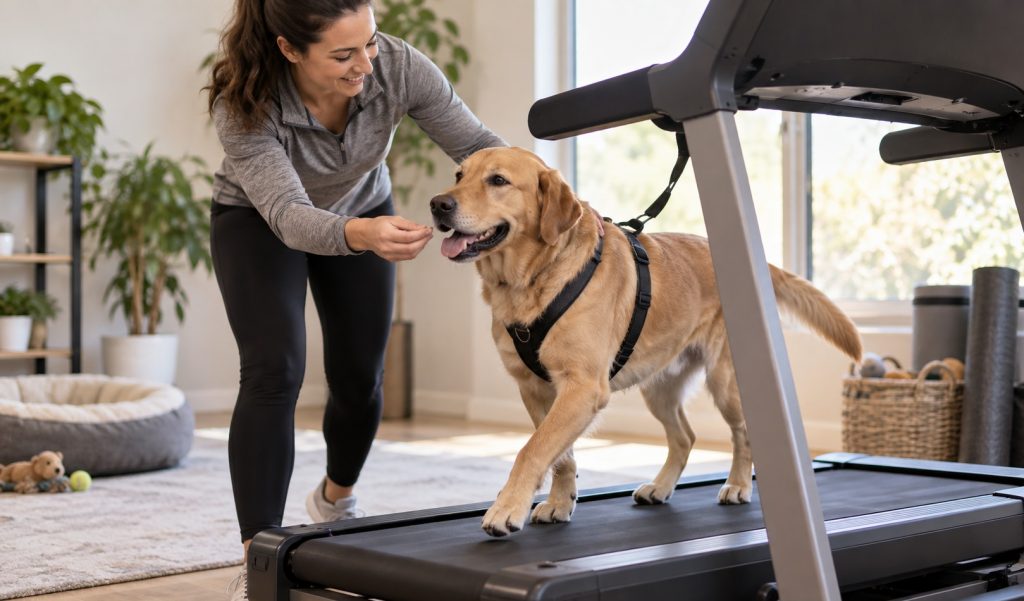
Use gradual exposure, positive rewards, and strict safety steps for calm treadmill use.
As a certified dog trainer with years of hands-on experience teaching dogs safe exercise habits, I’ll guide you through how to safely train a dog to use a treadmill. This article explains clear steps, equipment choices, safety checks, troubleshooting, and realistic timelines so you can build confidence and avoid common mistakes. Read on to learn a practical, step-by-step approach to teaching your dog to enjoy treadmill sessions safely and effectively.

Source: youtube.com
Why teach your dog to use a treadmill?
Teaching a dog to use a treadmill gives reliable exercise when outdoor options are limited. It helps maintain fitness, supports weight loss plans, and provides mental stimulation on bad-weather days. For high-energy breeds or dogs with busy owners, a treadmill can be a controlled way to burn energy.
Many owners ask how to safely train a dog to use a treadmill because they want results without risk. Proper training reduces injury risk and stress. It also creates a predictable routine that fits veterinary exercise plans for certain conditions.
Benefits
- Consistent exercise regardless of weather.
- Controlled pace for rehab and weight loss.
- Mental engagement through structured sessions.
Limitations
- Not a full substitute for social walks and sniffing time.
- Requires time to train safely.
- Some dogs will never adapt and should not be forced.
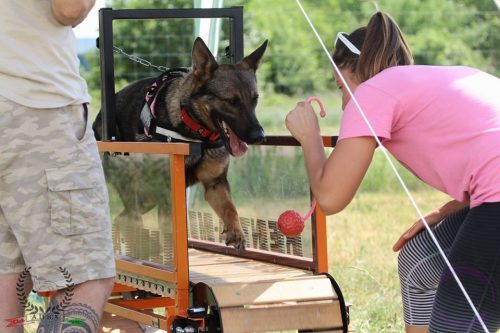
Source: firepaw.eu
Safety prerequisites before training
Safety first. Confirm your dog is healthy enough for treadmill work. Ask your veterinarian about joint health, heart status, and any breed-specific risks. Puppies with open growth plates and dogs with certain medical conditions should avoid treadmill training until cleared.
Essential safety items
- A harness rather than a collar to avoid neck strain.
- Non-slip surface or pet-specific treadmill with textured belt.
- Emergency stop access so you can instantly halt the machine.
- Treats, clicker, or favorite toy for positive reinforcement.
Behavior prerequisites
- Reliable response to basic cues such as sit, stay, and recall.
- Calmness on leash and tolerance for new surfaces.
- Ability to accept gradual handling and restraint without panic.
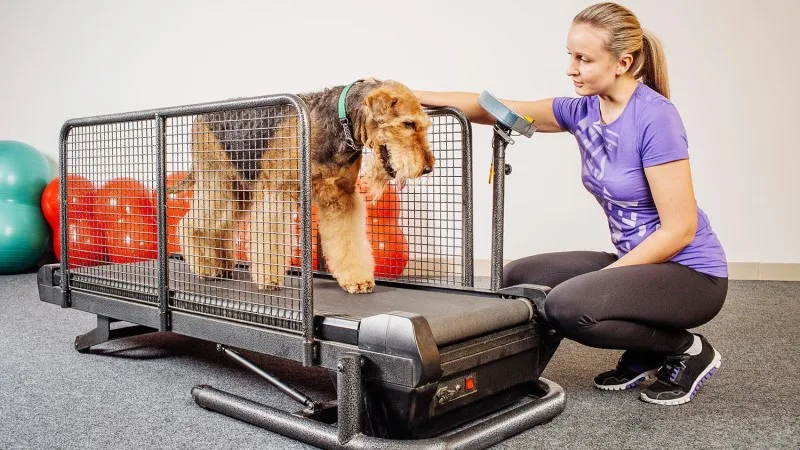
Source: akcpetinsurance.com
Choosing the right treadmill
Pick equipment that matches your dog’s size and needs. Not all treadmills are equal for canine use. A treadmill designed for dogs is ideal. If using a human treadmill, ensure it can run at very low speeds and has a long, non-slip belt.
Considerations when selecting
- Belt length must allow a natural stride for your dog’s size.
- Motor must operate smoothly at slow speeds suitable for walking or slow trotting.
- Sturdy frame with low deck height to reduce step-up effort.
- Quiet motor to avoid startling noise-sensitive dogs.
Budget and space
- Dog-specific treadmills cost more but often offer useful safety features.
- Folding human treadmills can work but test the minimum speed and belt feel first.
- Ensure enough clearance around the unit for safe mounting and emergency exits.

Source: adeopets.com
Step-by-step training plan
Start slow. Each step may take several sessions. Progress only when the dog is calm and confident.
- Introduce the treadmill while it is off
- Let the dog sniff and explore the machine.
- Reward calm behavior with treats and praise.
- Keep sessions short and positive.
- Teach a target or place cue
- Train your dog to stand on the stationary belt on cue.
- Use treats and a marker (clicker or verbal marker).
- Practice for brief periods until the dog stands relaxed.
- Turn the belt on at the lowest speed
- Run the treadmill without the dog to show motion and sound.
- Reward your dog for calm watching from a short distance.
- Repeat until the dog shows no fear.
- Combine standing on belt with very slow motion
- With a harness and handler at the front, ask the dog to stand on the moving belt.
- Guide with treats, short praise, and light leash support.
- Keep sessions under one minute initially.
- Increase time and speed gradually
- Add 10–30 seconds per session as comfort grows.
- Increase speed in small increments.
- Reward consistent calm walking.
- Add directional and pace cues
- Teach “walk,” “slow,” and “stop” as distinct commands.
- Use consistent voice cues and timing.
- Reinforce good form and relaxed body language.
- Build routine and integrate cool-downs
- Limit high-energy workouts to avoid overuse.
- Finish each session with a calm cool-down and praise.
- Stretching and short leash walks after treadmill work help recovery.
Common short questions
Will my dog ever like the treadmill?
Many dogs learn to accept the treadmill. Some enjoy it as routine. Patience and positive reinforcement improve success.
How long before my dog is comfortable?
Small, calm dogs can adapt in a few sessions. Nervous or older dogs may take weeks. Progress depends on breed, age, and prior experience.
What if my dog refuses to step on the belt?
Return to stationary introductions. Reduce pressure and reward tiny steps toward the goal. Never force the dog onto the moving belt.
Source: firepaw.eu
Troubleshooting and common problems
Problem-solving keeps training safe and fast. Expect setbacks. Most issues have simple fixes.
Dog pulls forward or back
- Use a harness and walk with a short lead.
- Reward for staying in the center of the belt.
- If pulling persists, reduce speed and reward small correct steps.
Fear of noise or movement
- Desensitize by running the treadmill empty near the dog.
- Pair noise with high-value treats.
- Keep distance until the dog remains calm for several minutes.
Overexcitement or sprinting
- Slow the belt and end the session while the dog is calm.
- Teach impulse-control cues such as “ settle” or “stand.”
- Use short, frequent sessions instead of long workouts.
Personal lesson learned
- I once increased speed too quickly with a medium-sized rescue. The dog became anxious and associated the treadmill with stress. I restarted with the belt off and used tiny rewards. Progress resumed once we paced ourselves. This taught me to value patience over speed.

Source: wikihow.pet
When not to use a treadmill and health considerations
Treadmills are not right for every dog. Avoid training when the dog has acute pain, a new injury, or uncontrolled heart disease. Puppies under 12 months for large breeds and under 9 months for small breeds should skip intensive treadmill work until growth plates close.
Red flags to stop training
- Limping, sudden reluctance to move, heavy panting, or visible pain.
- Unsteady gait or weakness during or after sessions.
- Extreme stress signals such as tucked tail, pinned ears, or trembling.
Consult professionals
- Ask your veterinarian before starting if your dog has chronic conditions.
- For rehabilitation after surgery, follow a veterinary or physiotherapy plan.
- When in doubt, stop and seek professional advice.
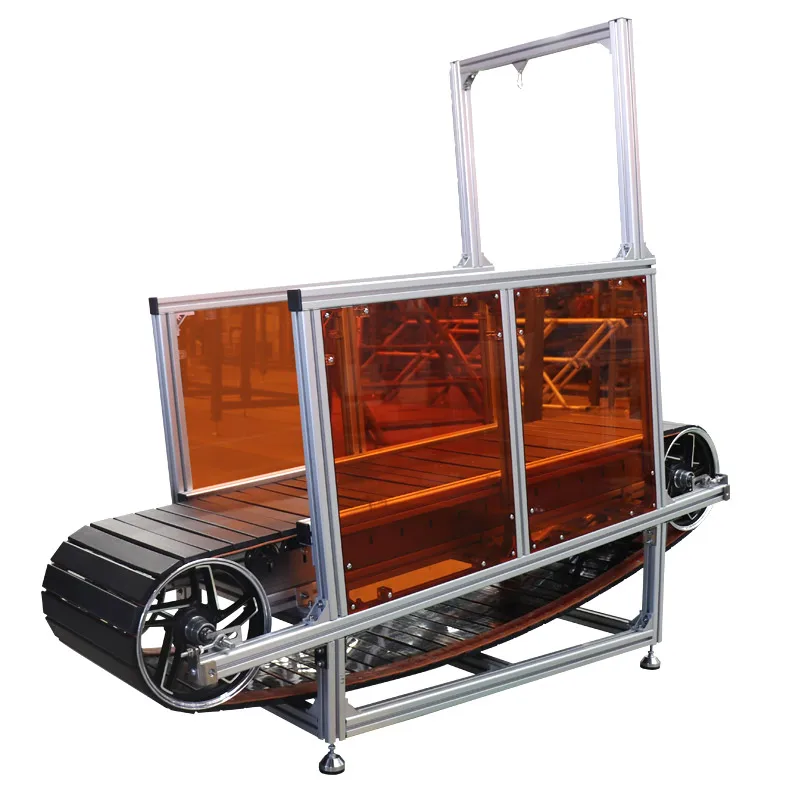
Source: alibaba.com
Frequently Asked Questions of How to safely train a dog to use a treadmill
How long should initial treadmill sessions be?
Initial sessions should be very short, often 30–60 seconds, to build positive association. Gradually increase by small increments as the dog stays relaxed.
Can all dog breeds use a treadmill?
Most breeds can learn to use a treadmill, but individual temperament and health matter more than breed alone. Very small, elderly, or medically compromised dogs may not be good candidates.
Is a harness necessary for treadmill training?
Yes. A harness protects the neck and gives safer control than a collar. It also helps guide dogs gently without causing breathing or neck issues.
How often should treadmill workouts happen?
Two to five short sessions per week suit most dogs, depending on fitness goals and health status. Balance treadmill work with walks for mental and social enrichment.
What speed is safe for a dog on a treadmill?
Start with a slow walking pace, often around 1.5 to 2.5 mph for small dogs and up to 3.5 mph for larger dogs, then adjust to comfort and gait. Always monitor for signs of fatigue or discomfort.
Conclusion
Teaching a dog to use a treadmill is a practical skill that offers reliable exercise and support for fitness goals. Follow a safety-first plan, choose appropriate equipment, progress slowly, and use positive reinforcement. Remember to consult your veterinarian for health clearance and to stop if you see pain or distress. Start small, stay consistent, and celebrate gradual wins. Try a short, guided session this week and track progress; share your results or questions to learn more and refine your approach.