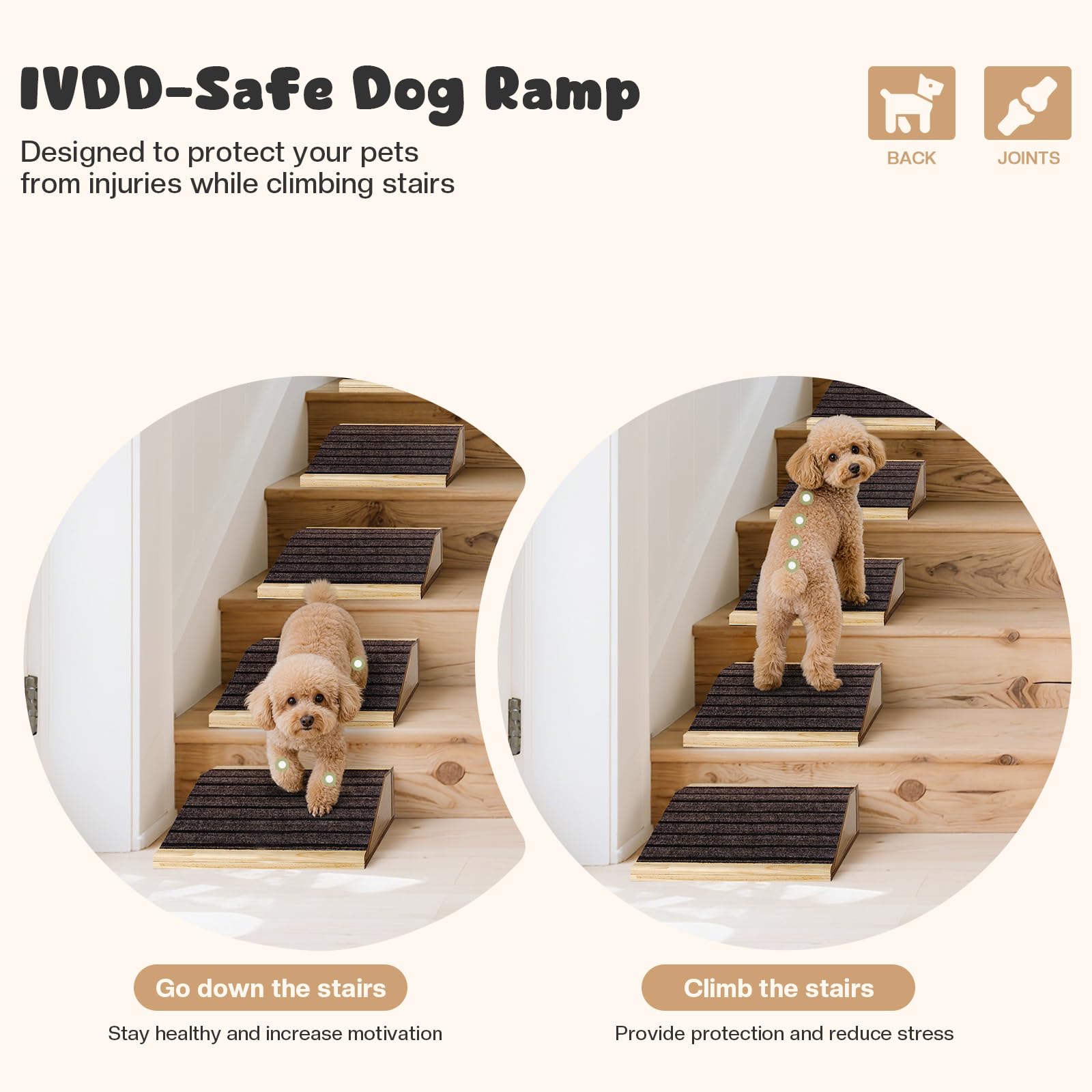
Ramps are generally safer and gentler than steps for small dogs with IVDD.
As a veterinarian assistant and long-time small-dog owner, I have guided many families through mobility choices for pets with intervertebral disc disease. This article compares ramp vs steps for small dogs with IVDD in clear, practical detail. You will find definitions, pros and cons, safety tips, fitting and training steps, and realistic recommendations tailored to small breeds and different home layouts. Read on to make an informed, confident choice for your dog’s comfort and recovery.
Understanding IVDD in small dogs
Intervertebral disc disease (IVDD) causes pain and weakness. Small breeds like Dachshunds, Beagles, and Shih Tzus are at higher risk. IVDD ranges from mild pain to paralysis. Mobility aids reduce strain on the spine and lower the risk of re-injury. Choosing between ramp vs steps for small dogs with IVDD matters because the wrong option can worsen pain. I have seen cases where poor choices delayed recovery. Good choices speed healing and preserve mobility.
Why ramps and steps matter for dogs with IVDD
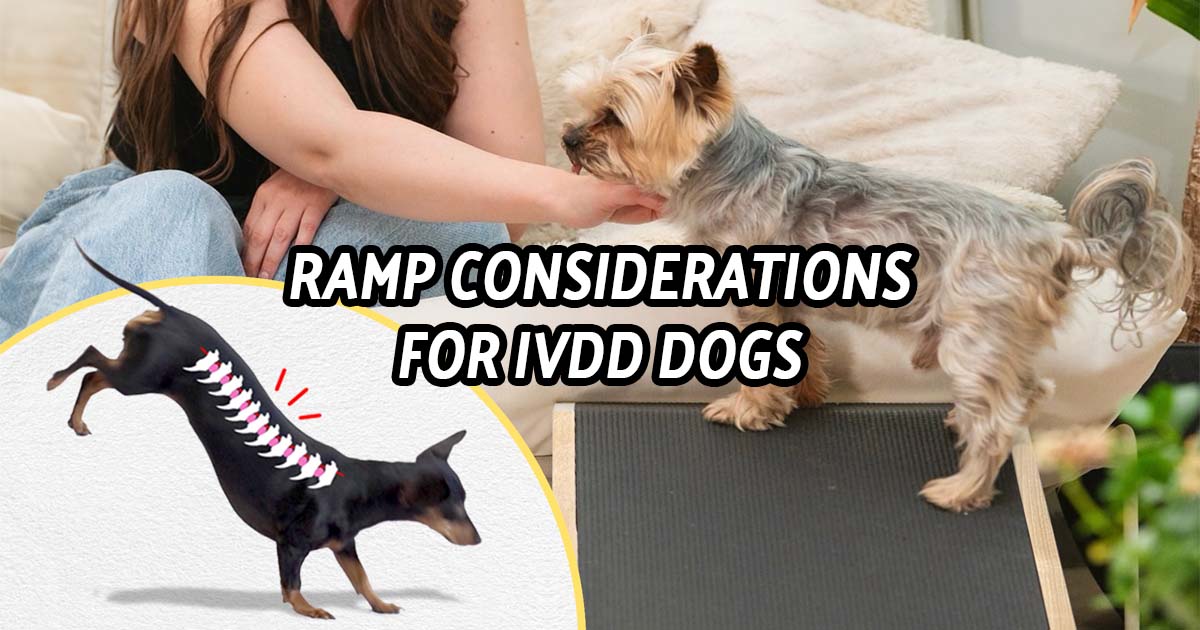
Ramps and steps change how a dog moves in the home. They reduce jumping, twisting, and sudden force on the spine. Both tools aim to let the dog reach beds, couches, and cars safely. The right aid lowers fall risk and helps independence. The wrong aid increases stress on the back and can cause more pain. Consider mobility, balance, confidence, and joint health when choosing between ramp vs steps for small dogs with IVDD.

Ramp vs steps for small dogs with IVDD: overview
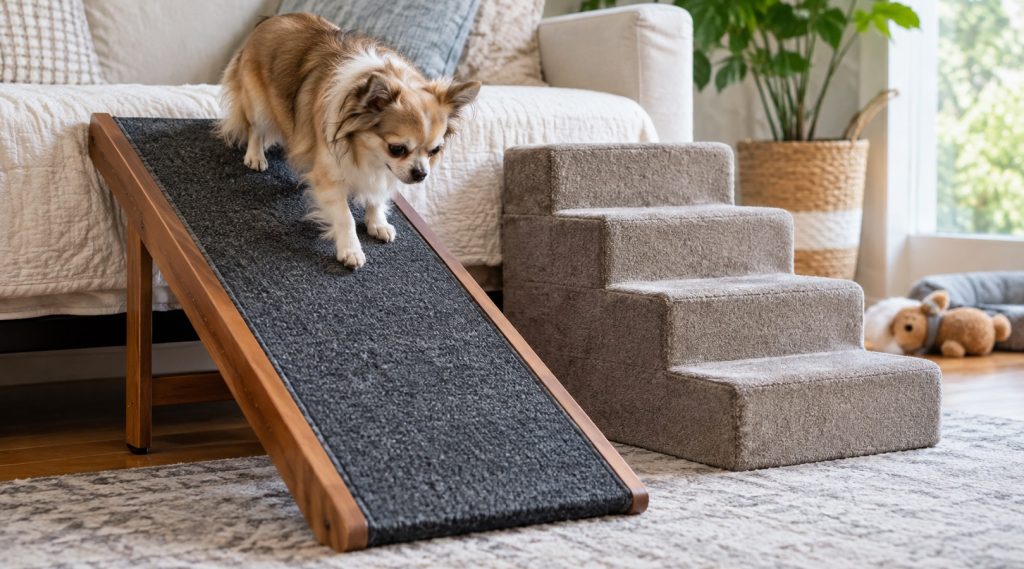
Ramps are long, sloped surfaces. Steps are short rises arranged like stairs. Each has design and use differences that affect small dogs with IVDD. Ramps typically allow one smooth motion up or down. Steps break movement into smaller lifts. Decide based on the dog’s strength, balance, and comfort with movement. In many clinics, ramps are preferred for dogs with back issues because they limit spinal flexion.

Pros and cons of ramps
Pros
- Provide continuous incline, which reduces spine flexion.
- Lower effort per step for dogs with weak hind limbs.
- Easier to use for dogs that fear heights or unstable steps.
- Can double as a long walkway for multiple furniture pieces.
Cons
- Require more floor space.
- Too steep a ramp can still strain the back.
- Slippery surfaces are risky without good traction.
- Large ramps can be heavy or hard to store.
When comparing ramp vs steps for small dogs with IVDD, ramps often win for dogs with severe pain or weakness. However, a poorly chosen ramp can be as harmful as problematic steps.
Pros and cons of steps
Pros
- Compact and easy to place near beds or couches.
- Allow short, controlled climbs that may suit confident dogs.
- Come in modular designs to match varying heights.
- Easier to store and transport than large ramps.
Cons
- Each step requires lifting and effort from the spine and hips.
- Narrow tread or slick surfaces can cause slips.
- Too high steps force the dog to bend or jump slightly.
- Dogs with poor coordination may find steps unstable.
For ramp vs steps for small dogs with IVDD, steps can be a good option for dogs with mild weakness and good balance. They may not suit dogs with severe IVDD.
How to choose: key criteria
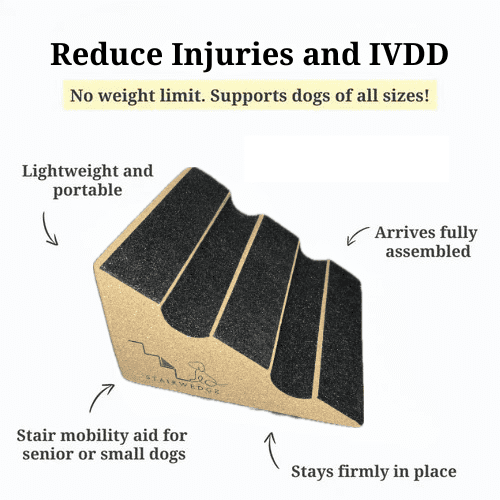
Consider these points to choose between ramp vs steps for small dogs with IVDD.
Dog factors
- Size and weight: Small breeds need lower, narrower options.
- Strength: Weak hind limbs favor ramps.
- Balance and coordination: Poor balance may need wider ramp surface.
- Fear and training: Some dogs prefer steps once trained.
Home factors
- Available floor space: Ramps need more length.
- Furniture height: Measure the height the dog must reach.
- Flooring type: Carpeted floors help ramp stability.
- Storage needs: Steps often fold or stack.
Design factors
- Slope: Aim for 18–25 degrees for small dogs when possible.
- Surface traction: Use non-slip material or carpet.
- Edge rails: Low side rails prevent missteps.
- Weight capacity: Check ratings with a margin for safety.
Use these criteria to weigh ramp vs steps for small dogs with IVDD and match the aid to your dog’s condition and home.
Measuring and fitting a ramp or steps
Measure the height your dog needs to reach. Measure the floor-to-bed or floor-to-car height. For ramps, calculate length to keep slope gentle. Example: for a 12-inch rise, a 48-inch ramp gives a 14-degree slope. For steps, choose riser height under 4–6 inches per step for small dogs. Test the aid empty first to ensure stability. Place ramps on non-slip mats if needed. A well-fitted aid reduces spinal load and improves confidence when comparing ramp vs steps for small dogs with IVDD.

Training and acclimation tips
Introduce the aid slowly. Start with treats and short sessions. Let the dog explore at its own pace. Use positive reinforcement and calm tones. Practice on flat ground first if using a ramp. For steps, practice one step at a time. Gradually increase repetitions. Watch for fatigue and stop if the dog limps or shows pain. My own small dog needed daily 5-minute training sessions for two weeks before using a ramp confidently.

Safety, maintenance, and common mistakes
Keep these safety checks in mind.
- Inspect traction regularly and replace worn surfaces.
- Tighten hardware on folding ramps and steps.
- Store ramps off the floor if they absorb moisture.
- Avoid steep DIY ramps without proper support.
Common mistakes - Choosing a ramp that is too steep.
- Picking steps with narrow treads or high risers.
- Failing to train the dog in short, gentle sessions.
- Ignoring veterinary advice for severe IVDD cases.
When deciding ramp vs steps for small dogs with IVDD, prioritize safety and ongoing inspection.
Personal experience and practical case notes
I once worked with a 10-pound Dachshund recovering from IVDD surgery. The owner first used short steps. The dog stumbled and showed reluctance. We switched to a low, long ramp with carpeted surface. Within days the dog used the ramp freely and showed less back pain. Key lessons I learned: fit matters, surface traction is critical, and training pace affects success. Sharing these real cases helps make ramp vs steps for small dogs with IVDD feel actionable and clear.
PAA-style questions (common quick answers)
Are ramps better than steps for small dogs with IVDD?
Ramps often reduce spinal flexion and are gentler for weak dogs. Steps can work for dogs with good balance and mild disease.
How steep should a ramp be for a small dog with IVDD?
Aim for 18–25 degrees; longer ramps reduce slope. If space is tight, add more traction to compensate.
Can my dog use a ramp after IVDD surgery?
Many dogs use ramps after surgery, but follow your vet’s timeline. Start slow and watch for pain or weakness.
What material is best for ramps and steps?
Non-slip carpet, rubber, or textured surfaces work best. Avoid slick plastic without traction.
How long does training usually take?
Most dogs adapt in days to weeks with short, consistent sessions. Patience and rewards speed progress.
Frequently Asked Questions of Ramp vs steps for small dogs with IVDD
Are ramps or steps better for very small breeds with IVDD?
Ramps are usually better because they reduce sudden spinal movement. Very small dogs often struggle with high risers and benefit from a gentle incline.
How steep can a ramp be for a small dog with back issues?
Keep the slope mild. Around 18–25 degrees is a good guide for small dogs. Steeper angles increase back strain and risk.
Can steps worsen IVDD symptoms?
Poorly designed or too-tall steps can force spinal flexion and worsen symptoms. Choose low risers and wide treads if using steps.
Should I consult my veterinarian before buying a ramp or steps?
Yes. Your vet can assess the dog’s condition and give a timeline for safe use. They may also recommend physical therapy or a specific design.
How do I ensure my chosen ramp or steps are stable?
Place the aid on a non-slip surface, use anti-slip pads under the base, and test by pressing down before letting the dog use it. Regularly check for wear and loosened parts.
Is there a budget-friendly option that still works well?
Yes. Look for used ramps with intact traction or build a wooden ramp with a vetted slope and non-slip surface. Always prioritize safe design over low cost.
When should I switch from a ramp to steps or vice versa?
Switch based on recovery and strength. Start with the gentlest option your dog tolerates. As strength returns, you may trial steps if they suit the dog’s mobility and confidence.
How do I measure slope for a ramp at home?
Measure the rise and the length. Use the rise/length ratio to estimate slope angle. If unsure, aim for longer length to keep slope low.
Can ramps damage joints over time?
If too steep or slippery, ramps can stress joints. Proper slope and traction minimize joint strain and promote safe use.
What traction surface is best for dogs recovering from IVDD?
Low-pile carpet or rubberized textures offer the best grip. Replace surfaces when they show wear or smoothing.
(End of FAQ section)
Final thoughts and next steps
Choosing between ramp vs steps for small dogs with IVDD comes down to the dog’s strength, balance, and home setup. Ramps are often the safer choice for dogs with significant back pain or weakness. Steps can work well for confident, mildly affected dogs with proper design. Measure carefully, choose non-slip surfaces, and train with calm, short sessions. Consult your veterinarian and monitor your dog’s comfort. Start small, test, and adjust. If you found this guide helpful, try a trial setup and share your experience in the comments or subscribe for more practical pet mobility advice.