Clean daily, dry folds, use topical antimicrobials, and consult your vet promptly.
I have treated and advised hundreds of bulldog owners on how to stop yeast build-up in bulldog paws and wrinkles. This guide explains why bulldogs are vulnerable, how to spot yeast overgrowth early, practical cleaning and treatment steps, and long-term prevention strategies backed by clinical practice and experience. Read on to learn clear, actionable steps you can use today to protect your bulldog’s skin and comfort.

Source: amazon.com
Understanding yeast infections in bulldogs
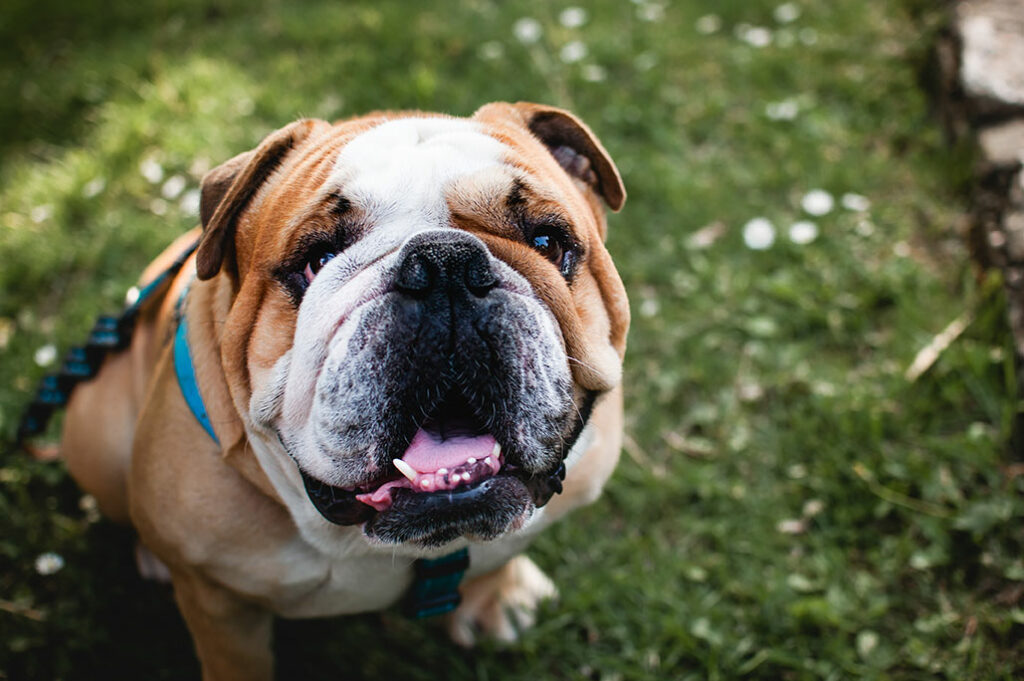
Yeast on dog skin is most often caused by a fungus called Malassezia. Bulldogs often develop yeast in paw folds and facial wrinkles because of skin folds, moist conditions, and skin secretions. Understanding the cause helps you prevent recurrence and manage flare-ups efficiently.
Source: vetdermclinic.com
What is Malassezia?
Malassezia is a common skin yeast. It normally lives on healthy skin without problems. When the skin becomes warm, moist, or irritated, yeast can grow too much and cause infection.
Why bulldogs are at higher risk
Bulldogs have deep skin folds and short coats. These features trap moisture. Allergies, obesity, and poor air flow also increase yeast growth. Repeated antibiotic or steroid use can change skin balance and allow yeast to flourish.
Common triggers
- Moisture from rainy walks or licking
- Skin fold friction and trapped debris
- Food or environmental allergies
- Weak skin barrier from frequent antibiotics or skin damage
Recognizing signs and getting a diagnosis
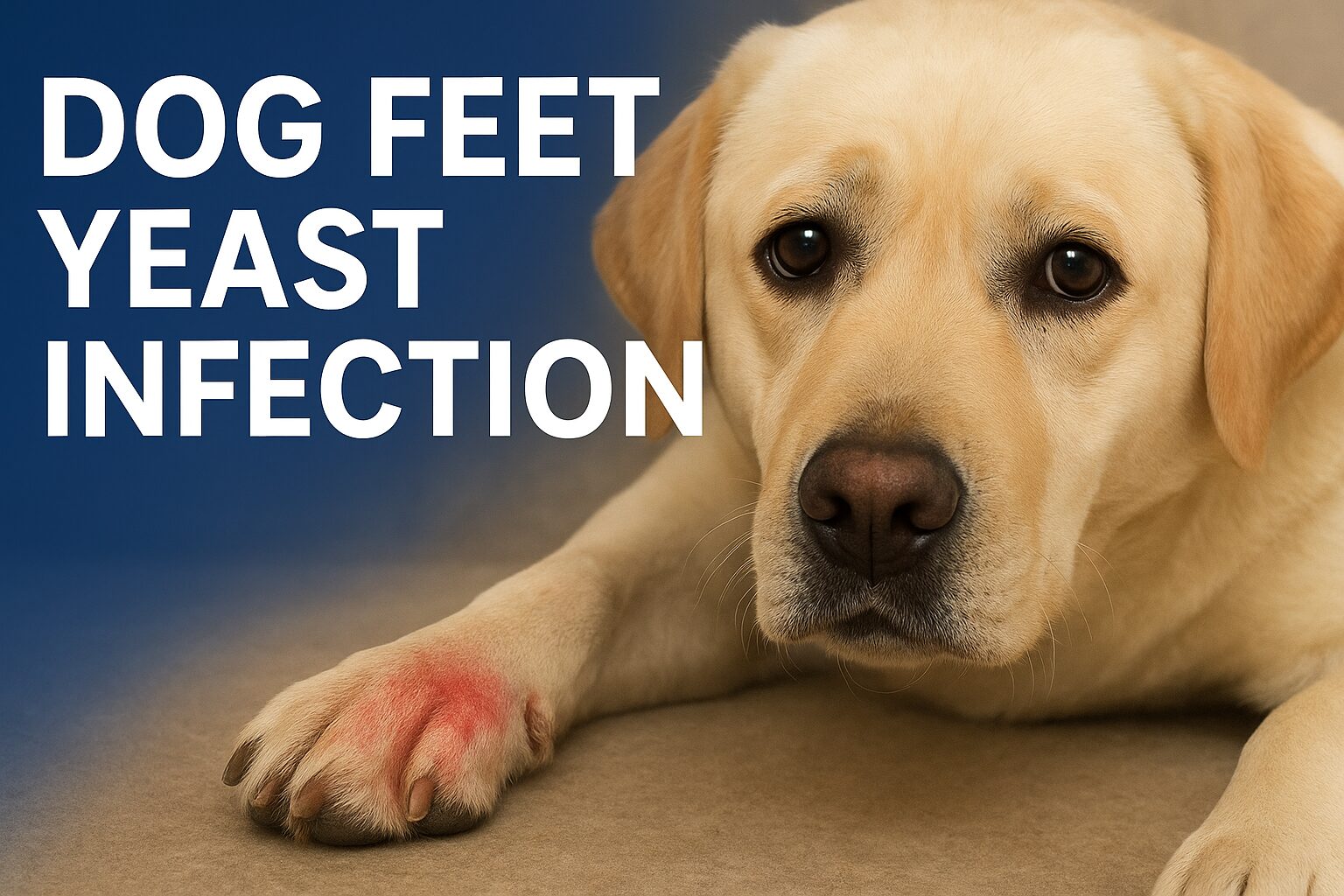
Early detection makes treatment simpler and faster. Typical signs include itching, redness, brownish stains, greasy odor, and thickened skin in folds and paw pads. If you suspect yeast, a vet exam confirms the diagnosis using physical exam, cytology, or skin scrapings.
Key clinical signs
- Itchy or red skin in wrinkles and between toes
- Brownish-red discoloration and greasy texture
- Sweet or musty odor from affected areas
- Chewing at paws, chronic ear infections
How vets diagnose yeast
Vets often use a tape or swab to collect skin cells. Samples look for yeast under a microscope. Sometimes cultures or rule-out tests for bacteria and allergies are needed.
Preventive care: daily and weekly routines
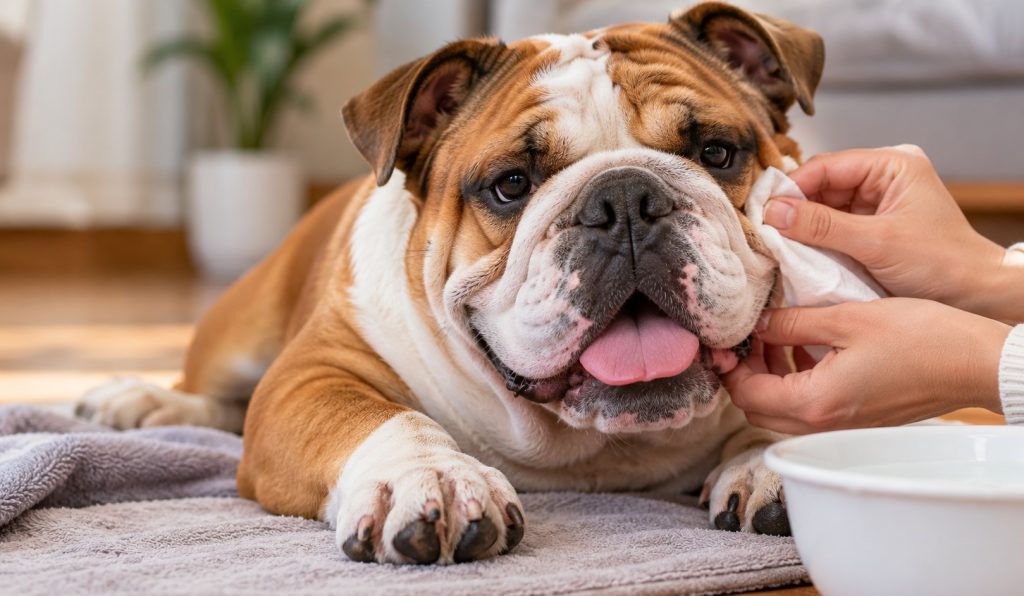
A consistent routine is the best way to stop yeast build-up in bulldog paws and wrinkles. Clean folds daily, dry them thoroughly, and use vet-recommended wipes or gentle cleansers. Keep a short, regular bathing schedule and manage underlying allergies or weight issues.

Source: lavengel.com
Daily and weekly tips
- Clean folds daily with a damp, soft cloth or vet-approved wipe. Dry well.
- Inspect paws and wrinkles after walks and play. Remove debris.
- Bathe every 2–4 weeks with a mild or medicated shampoo as advised by your vet.
- Trim hair near paw pads and wrinkle edges to improve air flow.
- Keep nails short to reduce paw folding and irritation.
- Use moisture-absorbing powders or barrier creams only if recommended by your vet.
- Control indoor humidity and let bedding dry completely between washes.
PAA-style question: How often should I clean bulldog wrinkles?
- Clean wrinkles daily in moist or warm weather. Wipe and dry each fold to prevent yeast and bacteria growth.
Treatment options for active yeast infections
When yeast is present, targeted treatment clears infections faster and reduces relapse. Vets may recommend topical antifungals, medicated shampoos, or oral antifungal drugs for severe cases. Always follow dosage and duration instructions to prevent resistance and recurrence.
Topical and systemic choices
- Antifungal wipes and creams containing miconazole or clotrimazole for folds and paws.
- Medicated shampoos with chlorhexidine and ketoconazole for full-body baths.
- Short courses of oral antifungals for deep or widespread infections, prescribed by a vet.
- Concurrent treatment for secondary bacterial infections when needed.
- Use of anti-itch or anti-inflammatory medications for comfort under vet guidance.
From my experience working alongside vets, a combined approach—daily cleaning plus topical therapy—clears most mild cases within 7–14 days. Severe or recurrent infections often need oral drugs and allergy management.
Home remedies and safe DIY measures
Some safe, supportive home measures can help reduce yeast growth, but they do not replace veterinary care. Use gentle, vet-approved products and avoid harsh or toxic substances. When in doubt, contact your vet.
Source: brooklynpetspa.com
Safe at-home options
- Diluted apple cider vinegar soaks (one part vinegar to four parts water) applied to paws only and only if skin is intact. Rinse and dry afterward.
- Coconut oil applied sparingly to localized areas may soothe skin, but results vary and it can trap moisture.
- Non-prescription antiseptic wipes with chlorhexidine for fold cleaning.
- Clean bedding and toys weekly in hot water to reduce environmental yeast load.
What to avoid
- Undiluted essential oils (tea tree oil and others can be toxic).
- Frequent, harsh shampoos that strip the skin barrier.
- Hydrogen peroxide or alcohol on raw or broken skin.
PAA-style question: Is vinegar safe for bulldog skin?
- Diluted vinegar can help as a short-term measure on intact skin. Avoid use on open wounds and consult your vet for chronic use.
Long-term management and lifestyle changes
Long-term control is about habits. Weight control, allergy management, and consistent hygiene reduce flare-ups. Monitor your bulldog closely and adapt care as seasons or activities change.
Sustainable strategies
- Maintain a healthy weight to reduce skin folds and friction.
- Work with your vet to identify and manage food or environmental allergies.
- Schedule regular grooming and vet checkups to catch early signs.
- Rotate bedding and launder frequently with hot water to cut environmental yeast.
- Use breathable harnesses and avoid tight clothing that traps moisture.
Personal note: I once managed a bulldog with monthly flare-ups. We reduced outbreaks by improving diet, bathing schedule, and daily fold cleaning. The dog stopped licking paws and was more comfortable within weeks.
PAA-style question: Can diet changes reduce yeast infections?
- Yes. Addressing food allergies and supporting gut health can reduce skin inflammation and yeast overgrowth. Discuss dietary changes with your vet before switching foods.
Frequently Asked Questions of How to stop yeast build-up in bulldog paws and wrinkles
How quickly will treatment work for yeast in bulldog folds?
Most mild infections improve in 7–14 days with consistent topical care and cleaning. Severe or recurrent cases may take weeks and need oral medication.
Are medicated shampoos safe for bulldogs?
Medicated shampoos are safe when used as directed by a vet. Overuse can dry skin, so follow the recommended frequency.
Can regular cleaning prevent yeast from returning?
Yes. Daily cleaning and drying of folds and paws greatly reduce yeast recurrence. Combine cleaning with allergy and weight management for best results.
When should I see a vet for my bulldog’s yeast problem?
See a vet if signs persist for more than a week, worsen rapidly, or if skin is raw, oozing, or causing severe discomfort. Recurrent infections also warrant a veterinary workup.
Are natural remedies effective against yeast?
Some natural remedies offer supportive relief but have limited evidence for full treatment. Use them only under vet guidance and avoid toxic compounds like many essential oils.
Conclusion
Stopping yeast build-up in bulldog paws and wrinkles is achievable with consistent cleaning, prompt treatment, and attention to underlying causes like allergies and weight. Start a daily fold and paw routine, consult your vet for diagnosis and targeted therapy, and keep long-term habits that reduce moisture and irritation. Take action today: adopt a simple cleaning routine, schedule a vet check if needed, and track results to keep your bulldog comfortable and healthy. Please share your experiences or questions below and subscribe for updates on skin care and canine health.