
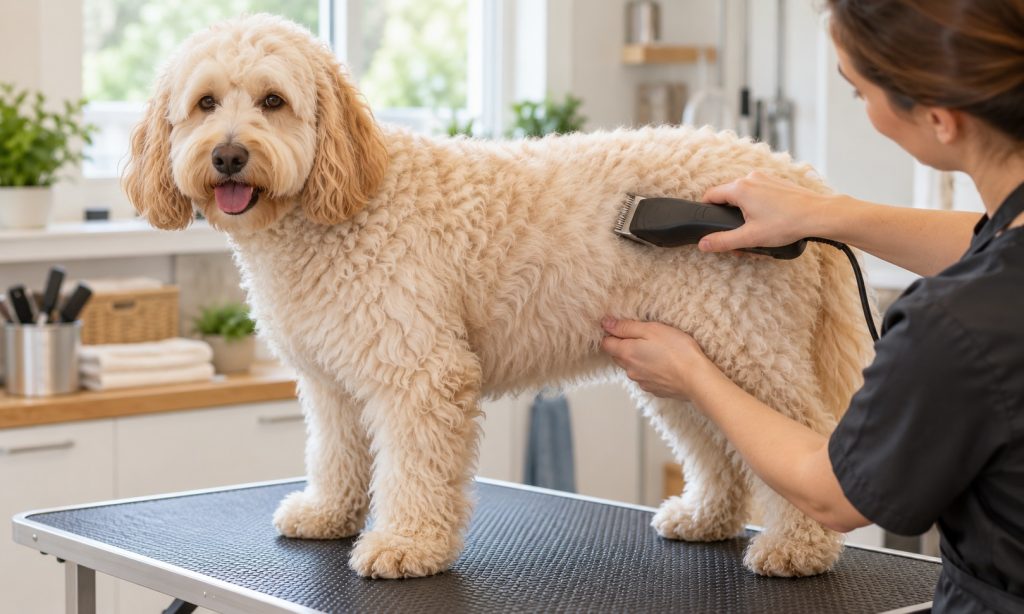
A clipper that glides through one dog’s coat can snag, stall, or leave an uneven finish on another. “Thick coat” can mean a dense undercoat, long curls, coarse hair, or a coat that keeps growing. Those differences matter more than simply buying the strongest-looking tool. Before choosing the best dog clippers for thick coats, identify what kind of coat your dog has and what you want to trim.
Clippers are useful for some maintenance and haircuts, but they are not the answer for every dog. In particular, a thick double coat may need careful brushing and undercoat care rather than a close clip. The right tool should match your dog’s coat, your grooming experience, and the job you plan to do. If you are unsure whether your dog’s coat should be clipped, ask your veterinarian or an experienced groomer.
Start with your dog’s coat type
“Thick” describes how much coat there is, but not how it grows or how it should be maintained. A Labrador’s dense coat, a Poodle’s curls, and a Collie’s long double coat call for different grooming approaches.
Double coats need special care
Many double-coated dogs have a softer undercoat beneath longer, coarser guard hairs. The layers work together to protect the skin and help regulate temperature. Clipping a double coat very short can change how the coat grows back and reduce its protective function. For these dogs, routine brushing and removing loose undercoat may be more appropriate than shaving. The American Kennel Club advises owners to consider coat type and consult a groomer about the right approach. akc.org
Curly and continuously growing coats
Some curly-coated dogs need regular haircuts because their coat continues to grow and can mat without maintenance. Clippers may be part of a planned trim, but the coat should be clean, fully dry, and free of mats first. If you have not clipped this type of coat before, a groomer can show you how to choose a length and work safely.
Wire and specialty coats
Some wire-haired and breed-specific coats call for techniques such as hand-stripping or careful shaping. Clipping can change the coat’s texture or appearance. If your dog has a specialty coat, check with a groomer familiar with that coat before using clippers.
What to look for in dog clippers for thick coats
The best clipper is one that can handle your dog’s coat while remaining manageable in your hands. Consider these features together rather than focusing on a single claim such as motor power.
Motor and cutting performance
Dense or long hair can put more demand on a clipper than a small touch-up. Look for a model intended for full-body grooming and for the coat types you need to maintain. A clipper that slows, pulls hair, or repeatedly catches may be unsuitable, dull, or being used on a coat that needs more preparation.
A powerful motor cannot compensate for mats or a poor technique. Brush and comb the coat first, and follow the clipper maker’s instructions. If the coat is badly tangled or packed close to the skin, a professional groomer is usually the safer choice.
Blade compatibility and length options
Check which blades fit the clipper and what cutting lengths they provide. Detachable blades can make it easier to switch lengths or replace a blade, while adjustable blades offer several settings in one unit. Comb guides can help maintain a longer trim, but they work best when the coat is clean, brushed, and free of tangles.
Blade numbers and lengths can be confusing. Do not assume a blade number means the same length across every system. Verify the cut length on the manufacturer’s chart before grooming, and start with a longer setting if you are learning. A close blade leaves little room for error.
Corded or cordless
A corded clipper gives you continuous power but limits where you can move. A cordless clipper gives more freedom around the dog, but you will need to track charge time and battery condition. Think about where grooming takes place, how long a session lasts, and whether you can safely keep a cord out of your dog’s way.
Noise, vibration, and comfort
Some dogs are unsettled by the sound or feel of clippers. If your dog is nervous, introduce the tool gradually while it is off, then let your dog hear it from a comfortable distance before attempting a trim. Keep early sessions short and stop if your dog becomes distressed. A quieter clipper may help, but it cannot replace patient handling or gradual acclimation.
Prepare the coat before clipping
Preparation can make more difference than upgrading a clipper. Brush and comb through the coat so you can find tangles, debris, and sensitive areas before the blades touch the dog. Follow the groomer or veterinarian’s guidance for bathing and drying; clipping damp or dirty fur can make the job harder and may affect the tool.
Never pull a clipper through a mat. Mats can sit close to the skin, and the skin may be caught or folded within them. If a comb cannot pass through a tangle easily, or you cannot clearly see the skin, ask a professional groomer for help. The AKC recommends consulting a veterinarian or groomer about grooming tools suited to your dog’s coat. akc.org
How to use clippers more safely
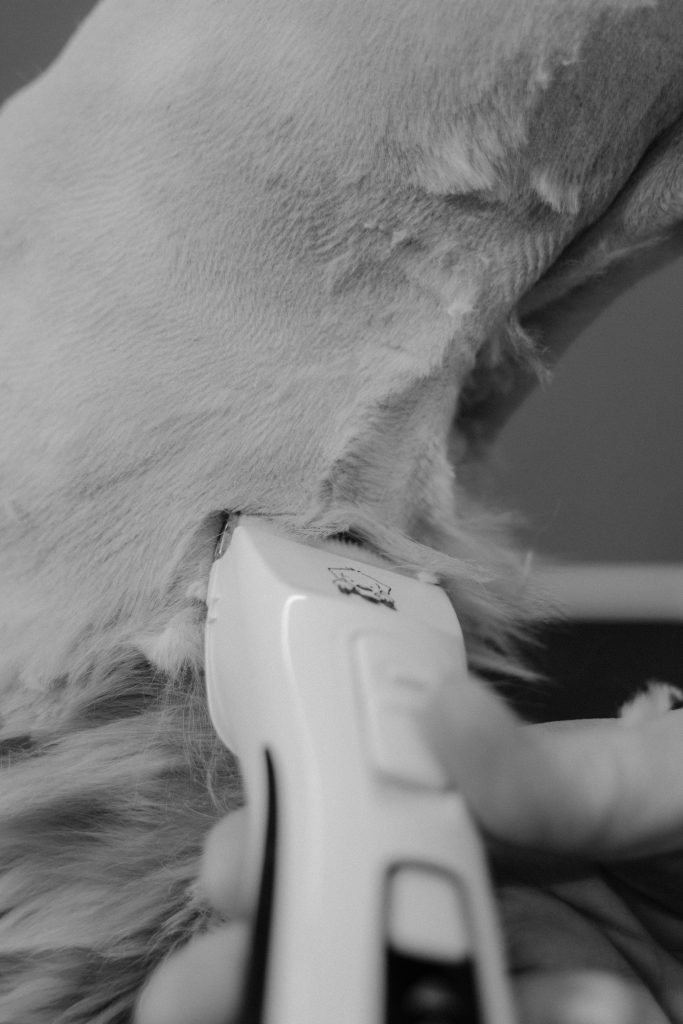
Set up a stable, non-slip grooming area and make sure your dog can stand or lie comfortably. Work slowly, keep the blade flat against the coat as instructed by the clipper maker, and avoid pressing hard. Take breaks so your dog can relax and so you can check the blade temperature.
Blades can heat during use. Pause and check them frequently; if they feel hot, stop and let them cool or switch to a cool blade. Do not keep clipping over irritated skin, sores, lumps, or painful areas. If you notice a cut, redness, or a skin problem, stop and contact your veterinarian for advice.
Avoid using clippers near the eyes, ears, lips, and other delicate areas unless you have been shown how to do it safely. For paws, sanitary areas, and face trims, a groomer can demonstrate an appropriate tool and technique. A dog that struggles, snaps, or cannot remain still should not be forced through a home haircut.
How often should you use or replace dog clippers for thick coats?
There is no schedule that fits every dog. Use clippers when your dog’s coat type and haircut plan call for a trim. Dogs with coats that need regular haircuts may need clipping more often than dogs whose coats are maintained primarily by brushing. Breed, coat growth, season, activity, and the style you want all affect timing.
Clipper blades do not have one universal replacement interval either. Follow the manufacturer’s cleaning, oiling, and maintenance instructions. Clean hair from the blade after use, lubricate it as directed, and check for pulling, rough cutting, visible damage, rust, or unusual noise. A blade that no longer cuts smoothly may need professional sharpening or replacement. If the clipper itself struggles despite a clean, suitable blade and proper coat preparation, consult the manufacturer or a repair professional.
Andis provides maintenance guidance for detachable-blade clippers, including cleaning and care. Use the instructions for your specific model, since maintenance steps differ. Andis
When to hire a professional groomer
A professional groomer is a good option if the coat is matted, your dog becomes anxious, or you are unsure whether clipping is appropriate. This is especially important for double-coated dogs and specialty coats that may need techniques other than clipping.
A groomer can also help you choose a suitable trim, show you how to maintain the coat between visits, and identify when a dog’s coat or skin needs veterinary attention. For a first haircut, a senior dog, or a dog with mobility or health concerns, ask your veterinarian whether grooming needs any special precautions.
Frequently asked questions
Are regular human hair clippers suitable for a dog’s thick coat?
Do not assume they are. Dog clippers and blades are designed for animal grooming tasks, and a human clipper may not suit your dog’s coat or the length you need. Check the maker’s instructions and choose equipment intended for your grooming purpose.
Should I shave my double-coated dog in warm weather?
Usually, shaving a double coat short is not a routine cooling method. The coat’s layers help protect the dog, and removing them can affect regrowth and skin protection. Ask a qualified groomer or veterinarian about your dog’s specific coat and needs. akc.org
Can clippers remove mats?
Do not run clippers through mats yourself. Mats can be tight against the skin, making it difficult to avoid injury. Ask a professional groomer to assess the coat, particularly if the mats are extensive or your dog is uncomfortable.
How do I know whether a clipper blade is too hot?
Stop regularly and check the blade according to the clipper maker’s safety guidance. If it feels hot, pause and let it cool or change to a cool blade. Do not continue grooming with a hot blade against your dog’s skin.
What is the best way to choose dog clippers for a first haircut at home?
Start with your dog’s coat type and the trim you plan to do. Choose a clipper intended for that coat and task, confirm which blades or comb guides fit, and practice only on a calm, prepared dog. If you are uncertain about coat length or safe technique, ask a groomer to demonstrate first.
Final thoughts
The right clipper depends on your dog’s coat and the kind of trimming it needs. Compare blade options, power, handling, noise, and maintenance, then prepare the coat carefully and work at your dog’s pace. A thick coat does not automatically need to be clipped short, especially if it is double-coated or has specialized grooming needs. When in doubt, get guidance from a groomer or veterinarian before choosing the best dog clippers for thick coats.









