
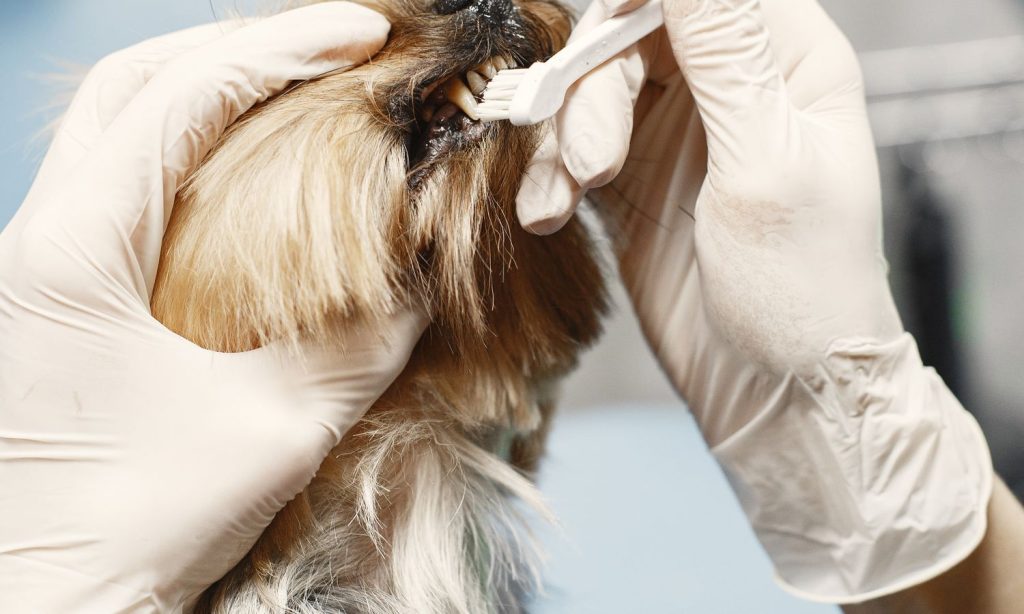
A dog’s breath may smell stronger after eating, but a persistent foul odor deserves attention. Plaque, inflamed gums, and damaged teeth can all contribute. Learning how to choose the right dog toothpaste for bad breath means looking beyond a pleasant scent. You need a dog-safe formula, a practical brushing routine, and realistic expectations about what home care can achieve. A toothpaste cannot repair painful teeth or replace a veterinary dental examination. It can, however, support regular cleaning when your dog tolerates the process. This guide explains what labels should tell you, how to weigh ingredients and safety claims, and when a different approach is needed. You will also learn how often to brush, when to replace a tube, and which warning signs require professional care. The goal is a calmer routine that supports your dog’s long-term oral health.
Why Bad Breath Is More Than a Toothpaste Problem
Healthy dog breath does not need to smell minty. However, a persistent rotten or unusually strong odor can signal an oral problem. Bacteria accumulate in plaque, a sticky film that forms on teeth. Plaque can harden into tartar, while gum inflammation may develop around the teeth. Disease beneath the gumline can be present even when the visible crowns look fairly clean. That is why the question of how to choose the right dog toothpaste for bad breath begins with a look at your dog’s mouth and overall comfort.
Watch for red or bleeding gums, brown deposits, loose teeth, drooling, chewing on one side, or dropping food. A dog may also resist having its face touched. An examination is appropriate if bad breath persists or suddenly worsens. Seek prompt veterinary advice for facial swelling, bleeding, marked pain, or difficulty eating. Do not force a toothbrush into an uncomfortable mouth. Brushing is preventive care, not treatment for an abscess, fractured tooth, or advanced periodontal disease.
What to Look for in Dog Toothpaste for Bad Breath
Start with the label, not the flavor or a claim about instant freshness. For a broader look at product categories, see Best Dog Toothpaste for Bad Breath. This related reading helps explain the formats you may encounter. The choice itself should follow your veterinarian’s assessment and your dog’s ability to accept brushing. When deciding how to choose the right dog toothpaste for bad breath, evaluate the safety instructions, intended species, ingredients, and evidence together.
A Formula Made Specifically for Dogs
Choose toothpaste clearly labeled for canine oral use. Dogs generally swallow their paste instead of spitting it out. Therefore, human toothpaste is unsuitable, even when it has a familiar flavor. Human formulas may contain ingredients or detergents that are not appropriate to swallow. Xylitol, a sweetener used in some human dental products, is especially dangerous to dogs. Read the entire ingredient panel rather than relying on the words “natural” or “gentle.” A dog-specific label does not eliminate the need to follow its directions.
Clear Instructions and a Manageable Texture
Check how much paste the label advises using and whether it is intended for brushing. Also check the recommended age range and any cautions. A paste that stays on the brush may be easier to handle than one that runs off. Some dogs prefer a small, soft brush. Others initially accept a finger brush or gentle lip handling. These preferences affect whether the routine happens consistently. Texture and flavor are practical considerations, but neither proves that the formula removes plaque.
Evidence for Plaque or Tartar Control
The Veterinary Oral Health Council, or VOHC, evaluates submitted evidence for specific plaque or tartar control claims. Its Seal of Acceptance applies to listed products and claims, not automatically to every item from a manufacturer. Check the current accepted-products list and the exact formula if a package mentions the seal. An accepted claim does not mean the paste cures gum disease. This distinction matters when learning how to choose the right dog toothpaste for bad breath: focus on oral cleanliness, not cosmetic scent alone.
Understand Ingredients Without Getting Lost in Marketing
An ingredient list can tell you what is in a toothpaste, but it rarely proves how well it works. Veterinary toothpastes may use enzymes or other components intended to help manage oral debris. The brush itself provides important mechanical cleaning by disturbing plaque on the tooth surface. Do not assume an enzymatic label makes rubbing the teeth unnecessary. Nor should you assume a strong fragrance means bacteria are controlled. Look for directions you can follow safely, rather than dramatic claims.
Avoid homemade pastes mixed with human oral products, essential oils, or unverified substances. Baking soda mixtures and household disinfectants are not substitutes for a veterinary oral-care plan. If your dog has allergies, medication sensitivities, or a previous reaction, ask your veterinarian to review the ingredients. Stop using a paste that appears to cause mouth irritation, vomiting, or unusual discomfort. If accidental exposure to xylitol-containing human toothpaste is possible, contact a veterinarian or emergency animal service immediately.
Match the Toothpaste to Your Dog’s Mouth and Behavior
Even an appropriate formula is of little use if brushing turns into a frightening struggle. Public discussions among dog owners describe common obstacles. Some dogs lick the paste before the brush reaches their teeth. Others resist contact near the rear molars. These are individual reports, not clinical proof of what every dog will do. Still, they highlight an important part of how to choose the right dog toothpaste for bad breath: a workable routine depends on the dog, not only the tube.
For a Dog New to Brushing
Introduce mouth handling over several short sessions. Start by touching the cheek, lifting a lip, and rewarding calm behavior. Let your dog investigate a dog-safe toothpaste according to its label. Later, touch a tooth gently with a soft brush. Keep sessions brief and end before frustration builds. If your dog growls, panics, snaps, or shows pain, stop and seek veterinary or qualified behavior guidance. Patience is more useful than holding the mouth open by force.
For Puppies, Older Dogs, and Sensitive Mouths
A puppy can learn to accept gentle handling early, although its changing teeth deserve extra care. Ask your veterinarian when and how to start brushing safely. Older dogs may have sore gums or hidden dental disease that makes brushing uncomfortable. Smaller dogs can also have crowded teeth, which makes careful access important. Use an appropriately sized, soft brush, and never scrub inflamed tissue aggressively. Toothpaste selection cannot compensate for a painful mouth.
How to Brush Effectively With Dog Toothpaste
Brushing the outer tooth surfaces, especially near the gumline and rear cheek teeth, helps interrupt plaque buildup. Lift the lip gently and use small, controlled strokes. Avoid jabbing the gums or pulling the mouth wide open. A soft brush and a calm dog are more important than applying a large amount of paste. Follow the toothpaste label for quantity and use. If the dog becomes distressed, shorten the session and rebuild tolerance slowly.
Try attaching brushing to a predictable daily routine. Some dogs settle after a walk or before bedtime. Reward cooperation with praise or another suitable non-food reward. If you use treats, keep the overall dental-health goal in mind. Owners may need several weeks to build tolerance, and progress differs between dogs. Knowing how to choose the right dog toothpaste for bad breath is only half the task. Gentle, consistent brushing is what makes the choice useful.
How Often Should You Use or Replace Dog Toothpaste for Bad Breath?
How Often to Use It
Daily toothbrushing is the preferred goal for most dogs whose mouths are comfortable and whose veterinarians approve home brushing. Several sessions per week may still help when daily care is not yet possible. Consistency matters because plaque forms again after cleaning. Use the canine toothpaste according to its label each time you brush. Do not increase the amount or frequency beyond its instructions to chase fresher breath. Persistently bad breath needs investigation, not extra applications.
When to Replace the Tube
There is no universal rule that every dog toothpaste tube must be replaced after a fixed number of weeks. Check its printed expiration date, storage instructions, and any after-opening guidance. Replace it when it expires or when its appearance, smell, or texture changes unexpectedly. Replace a tube if its opening becomes contaminated or the packaging is damaged. Never assume an unopened tube lasts indefinitely. If the label is missing or unreadable, ask the manufacturer or veterinarian rather than guessing.
Keeping Toothpaste Clean Between Uses
Close the cap tightly after each use and store the tube as instructed. Keep it away from excessive heat and curious pets. Avoid pressing the nozzle directly against a dog’s mouth or a used toothbrush. Doing so may introduce saliva and bacteria into the container. Put a small amount onto the clean brush instead. Wash and dry reusable brushing tools as directed. Replace a brush when the bristles are damaged, splayed, or no longer cleanable.
What Toothpaste Can and Cannot Fix
A well-chosen paste can make brushing more acceptable and may support cleaner tooth surfaces. It cannot remove hardened deposits below the gumline, fix loose teeth, or treat oral infection. Professional cleaning and examination may be necessary even when brushing happens regularly. Dental X-rays can reveal problems that are not visible during a quick look. When thinking about how to choose the right dog toothpaste for bad breath, measure success through oral health and comfort, not breath scent alone.
Other home dental approaches exist for dogs that cannot tolerate brushing. Veterinary dental diets and accepted oral-care formats may help reduce plaque or tartar when used as directed. They are not a guaranteed substitute for examination or treatment. Discuss any alternative with your veterinarian, especially if dental disease is already suspected. Do not rely on hard objects that might fracture teeth. The safest plan fits the animal’s dental condition and behavior.
A Practical Pre-Brushing Safety Checklist
Before each session, check that your dog is relaxed and willing to allow gentle lip handling. Inspect for obvious swelling, bleeding, injuries, or discomfort. Confirm the toothpaste is labeled for dogs and is within its usable date. Read the instructions and apply a small, directed amount. Keep the toothbrush soft and clean. Stop if your dog seems painful. These basic checks make how to choose the right dog toothpaste for bad breath a safer, more useful decision.
Also arrange routine oral examinations even when the mouth appears healthy. Your veterinarian can identify conditions that home brushing will not address. Mention changes in eating habits, facial rubbing, drooling, or sudden odor. If your dog is recovering from dental surgery, follow the clinic’s instructions before restarting brushing. The right time to resume depends on the treatment and healing. A tube of toothpaste is only one part of preventive dental care.
Frequently Asked Questions
Can dog toothpaste cure bad breath?
No toothpaste can reliably cure every cause of bad breath. Regular brushing may reduce plaque-related odors over time. Persistent odor can indicate gum disease, damaged teeth, or another health problem. Arrange a veterinary examination rather than masking the smell. How to choose the right dog toothpaste for bad breath should begin with safe ingredients and realistic expectations.
Is human toothpaste safe for dogs?
No. Dogs swallow toothpaste, and human formulas are not intended for canine use. Some may contain xylitol, which is toxic to dogs. Use toothpaste explicitly formulated for dogs. If a dog may have swallowed xylitol, seek immediate veterinary help.
Is enzymatic toothpaste better than ordinary dog toothpaste?
An enzyme-containing paste may be one component of oral care, but the label alone does not establish superior results. Brushing physically disrupts plaque. Consider product-specific evidence, safety instructions, and your dog’s tolerance. Ask your veterinarian if you are unsure which type suits your dog’s mouth.
Should I replace dog toothpaste every three months?
Not automatically. Follow the particular tube’s expiration and after-opening directions. Replace it sooner if the container is damaged, contaminated, or the contents change. Storage conditions also matter. Do not apply a toothbrush-replacement rule to toothpaste without evidence.
How do I know whether the toothpaste is helping?
Look for a brushing routine your dog accepts and gums that remain comfortable. Do not rely solely on sweeter breath. Report bleeding, swelling, persistent odor, pain, or difficulty eating to your veterinarian. Regular dental examinations provide a better picture of oral health than smell alone.
Final Words
Knowing how to choose the right dog toothpaste for bad breath means prioritizing canine safety, clear directions, and a routine your dog can tolerate. Use the paste as directed, work gently along the teeth, and pay attention to changes in comfort. The supplied guide to Best Dog Toothpaste for Bad Breath offers additional context on toothpaste formats, but persistent odor warrants veterinary care. Keep the toothpaste fresh, respect its expiration instructions, and make home brushing part of a broader dental-health plan.
Feature photo: Gustavo Fring. Licensed image, cropped to fit the article layout.









