
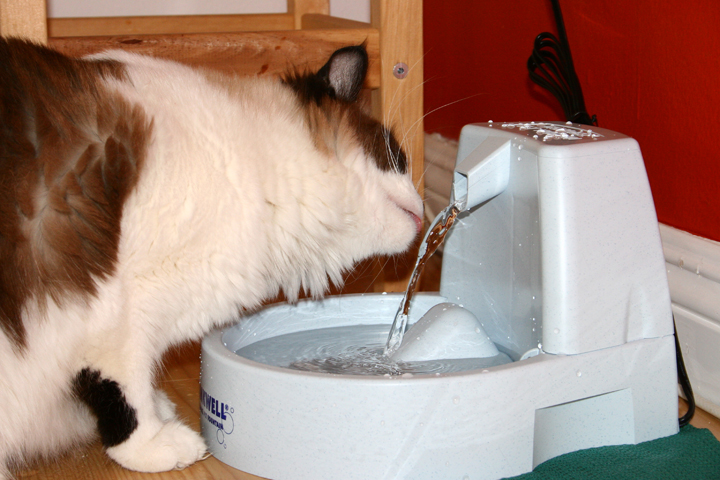
Your cat sniffs the water bowl, walks away, and later asks for the faucet. You wonder whether moving water could help. Understanding how to choose the right water fountain for cats that drink little starts with your cat’s habits. A fountain changes the sound, surface, and location of drinking water. That might appeal to one cat and bother another. The useful choice is the one your cat approaches comfortably and you can keep clean. Look at flow, noise, access, materials, cleaning needs, and placement before making a change. Keep familiar water bowls available while your cat explores a new source. Watch meals and litter-box habits, too. Cats obtain water from food as well as drinks. A sudden reduction in drinking can signal illness, not a preference for another bowl. This guide explains practical ways to assess a fountain and recognize when veterinary advice matters.
Why a Fountain May Help, but Might Not
Some cats enjoy moving water. Gentle motion may attract their attention or resemble a running tap. Other cats dislike splashing or pump noise. There is no guarantee a fountain increases intake. It is an additional drinking option, not a treatment for dehydration, kidney disease, or urinary problems. Always offer fresh water in a separate bowl. The best setup preserves choices.
Owner discussions describe mixed results. Some people report better use after adjusting the stream or removing a decorative spout. Others say their cats continue choosing an ordinary bowl. These stories are individual experiences, not controlled evidence. They reinforce a simple rule for how to choose the right water fountain for cats that drink little: watch your own cat instead of assuming another household’s experience will apply.
Start by Understanding Your Cat’s Water Habits
Consider the water in food
Water arrives through food as well as drinking. Wet food usually supplies much more moisture than dry food. A wet-food eater may drink less visibly yet receive substantial water from meals. Dry-food eaters often depend more heavily on water sources. Note your cat’s meals, appetite, and drinking routine before interpreting a seemingly untouched bowl. Our guide to how much water cats need explains this distinction.
Water needs differ with body size, activity, diet, temperature, and health. A useful baseline is your own cat’s ordinary behavior. Do not attempt to measure health from bowl volume alone. Spilling, evaporation, and multiple pets can distort the estimate. Any sudden drinking change deserves attention, especially alongside changes in appetite, energy, or urination.
Observe preferences and access
Does your cat drink from a wide bowl or seek a narrow stream? Are loud appliances nearby? Can another pet block the route? Watch for awkward stretching, hesitation, or repeated visits without drinking. Senior cats may need a comfortable height and stable footing. These observations help determine how to choose the right water fountain for cats that drink little more reliably than flashy features or unfamiliar claims.
Before changing equipment, try clean water bowls at two quiet locations. Keep the routine consistent. See whether your cat prefers one position or container. You need not force a new habit. The aim is convenient water access. If your cat suddenly refuses water, contact a veterinarian rather than relying on a household experiment.
What to Look for in Water Fountain for Cats That Drink Little
Start with dependable access and manageable cleaning. If you want a related design overview, see What to look for in water fountain for cats that drink little. For a separate product-oriented page, see best water fountain for cats that drink little. This article stays focused on how to assess a fountain’s practical fit for your cat.
Gentle flow with an accessible basin
Fountains can create a falling stream, a bubbling surface, or a slow ripple. A faucet-loving cat may investigate a visible stream. A sensitive cat may prefer movement with little splashing. Choose a basin your cat can reach without pressing into a narrow opening. Adjustable flow may be useful, but only when it remains reliable and simple to maintain.
Consider whether water remains accessible if the pump stops. Many fountains are not dependable emergency water supplies. A separate bowl is the safest backup. If the fountain has a shallow reservoir, check the operating level daily. For how to choose the right water fountain for cats that drink little, comfortable access matters more than dramatic flowing-water effects.
Comfortable shape and material
A broad drinking surface may reduce whisker contact for some cats. Look for comfortable head room, a steady base, and simple access. Avoid shapes that require climbing or an awkward head position. Inspect stainless steel, glazed ceramic, or plastic for smooth, intact surfaces. Scratches, chips, and hidden crevices make hygiene harder.
No material stays clean by itself. Smooth metal needs washing, ceramic can chip, and plastic may scratch. Check whether removable parts expose the spaces where residue collects. Choose something you can safely empty, lift, and clean. The easier it is to maintain, the easier it becomes to follow a consistent routine.
Low noise and a serviceable pump
Pump hum, vibration, or splashing may deter a cautious cat. Noise often increases if water runs low or debris accumulates. A stable, level position helps. Look for pump components that can be removed and cleaned according to instructions. If narrow channels cannot be accessed, buildup may remain hidden. Quiet operation is one practical part of how to choose the right water fountain for cats that drink little.
Choose a location that protects the electrical cable from chewing, spills, and foot traffic. Unplug the fountain before cleaning. Never run a pump dry unless its instructions clearly allow that use. Stop using damaged cords or cracked equipment. Safe operation outweighs convenience features.
Useful reservoir size and visibility
A larger reservoir may reduce refilling, but it does not replace daily attention. Clear water-level markings help you spot changes. Make sure the tank is easy to remove without spilling. In multi-cat homes, a single large fountain may create competition. Provide other drinking locations so every cat can approach water freely.
Where Should a Cat Water Fountain Go?
Choose a quiet, familiar area away from litter boxes and loud equipment. Provide a clear approach and room for the cat to look around. Some cats dislike drinking while trapped against a wall. Place the fountain on a level, spill-tolerant surface. Avoid a cord across a walkway. Check that the cat can reach water without navigating household traffic.
International Cat Care suggests at least one water source per cat, plus another, spread around the home. Offer drinking spots on each floor your cats use. Keep stations apart so a confident cat cannot guard every source. For how to choose the right water fountain for cats that drink little, placement can be just as important as the fountain itself.
Introduce a Fountain Without Removing the Old Bowl
Keep your cat’s familiar bowl filled. Position the fountain nearby without blocking that water. Let your cat investigate quietly. If the design permits, allow inspection with the pump off before introducing gentle flow. Do not carry your cat to the fountain or push their face toward it. Never withhold other water to encourage an experiment.
Some cats approach quickly; others need time. If sound causes hesitation, try a quieter position or gentler setting. Watch for actual drinking rather than a sniff or paw tap. Continue checking regular bowls and the litter box. Learning how to choose the right water fountain for cats that drink little also means recognizing when a simple bowl suits your cat better.
How Often Should You Use or Replace Water Fountain for Cats That Drink Little?
There is no universal expiration date for an entire fountain. Follow its operating instructions and keep clean drinking water available all day. Replace the water daily. Wash accessible drinking surfaces regularly, ideally daily when practical. Filters do not make water sterile. Pumps, hoses, and hidden compartments still need attention.
Inspect the filter regularly and clean it according to the maker’s directions. Follow the specified replacement schedule for disposable filters. Replace damaged or worn components when necessary. If the basin cracks, the cable frays, or an inaccessible pump stays dirty, stop using the equipment. Routine maintenance is central to how to choose the right water fountain for cats that drink little.
A manageable cleaning routine
Check the water level and visible surfaces daily. Empty old water, wash permitted parts with suitable dish soap, and rinse thoroughly. At recommended intervals, unplug and disassemble the pump housing. Clean internal channels using appropriate tools. Reassemble carefully and confirm normal flow. Follow the individual device’s instructions for drying, cleaning agents, and filter preparation.
Cloudy water, slippery residue, unusual odor, or reduced flow calls for immediate cleaning and inspection. Do not rely on filtration to solve contamination. Check any hidden pump chamber. If a component cannot be cleaned or repaired safely, replace it according to instructions. A fountain should never be harder to maintain than your household can manage.
How to Check Whether It Is Helping
Observe whether your cat drinks from the fountain over several ordinary days. Note any changes in the familiar water bowl, appetite, wet-food intake, and litter-box habits. A falling reservoir level alone does not prove a cat drank more. Water may splash or evaporate. Keep meals and placement stable while you assess the change.
Do not expect every cat to visit the fountain often. Some drink when nobody watches. Others prefer still water. For context, see our guide to wet food, dry food, and cat hydration. The goal is dependable hydration access, not proving a fountain was necessary. That perspective is essential to how to choose the right water fountain for cats that drink little.
When to Call a Veterinarian
A fountain cannot correct dehydration caused by illness. Contact your veterinarian if drinking drops sharply, appetite disappears, or your cat seems weak. Repeated vomiting, diarrhea, dry gums, or marked behavior changes also merit prompt advice. Our guide to cats not drinking water offers related background, but professional assessment comes first when symptoms appear.
Straining to urinate, crying in the litter box, or producing little or no urine may signal a serious urinary problem. Inability to pass urine is an emergency, especially for male cats. Seek emergency veterinary care immediately. Do not delay while changing water equipment. Unusual increased thirst can also merit evaluation. Water habits sometimes reflect medical conditions.
Mistakes That Make Fountain Use Harder
Removing familiar bowls too soon is a common mistake. Others include hiding the pump behind hard-to-clean parts, ignoring low water, and positioning the fountain near noisy appliances. Another is assuming every cat should prefer moving water. Avoid these errors by checking access, cleaning thoroughly, and letting your cat choose. This makes how to choose the right water fountain for cats that drink little a practical decision rather than a guessing game.
Frequently Asked Questions
1. Will every cat drink more from a fountain?
No. Some cats enjoy movement while others prefer still water. A fountain adds an option but cannot guarantee higher intake. Keep ordinary bowls accessible, monitor behavior, and speak with a veterinarian when drinking changes unexpectedly.
2. Is metal always better than plastic or ceramic?
Not always. Prioritize an intact, smooth surface that you can clean thoroughly. Examine seams, chips, and scratches. Consider weight, accessibility, and how easily the pump housing can be opened. Material labels alone cannot tell you whether a fountain suits your cat.
3. Can I leave the fountain running overnight?
Only when the manufacturer’s instructions permit continuous operation. Maintain the required water level and protect the cord. Continue offering water in another bowl. Turn off and unplug any device with damaged electrical parts or unusual operation.
4. How often should I change the water and filter?
Refresh water daily and clean drinking surfaces regularly. Clean the filter weekly or as directed, and replace disposable filters on the maker’s schedule. Disassemble and clean the pump as instructed. A filter never replaces proper washing.
5. What if my cat ignores the new fountain?
Keep offering fresh water in familiar bowls. Try a quieter spot or gentler flow if the design allows. Never force drinking. If your cat drinks normally elsewhere, the fountain may be unnecessary. If intake falls or symptoms appear, seek veterinary advice.
Final Words
The strongest answer to how to choose the right water fountain for cats that drink little is to choose for your individual cat. Prioritize comfort, quiet access, easy cleaning, and safe operation. Keep other clean water sources available and notice changes in health. The best water fountain for cats that drink little page covers a different, product-focused question. A good water setup is the one your cat can use reliably every day.
Feature photo: April Killingsworth, “Cat fountain”, licensed under CC BY 2.0. Image used without modifications.









