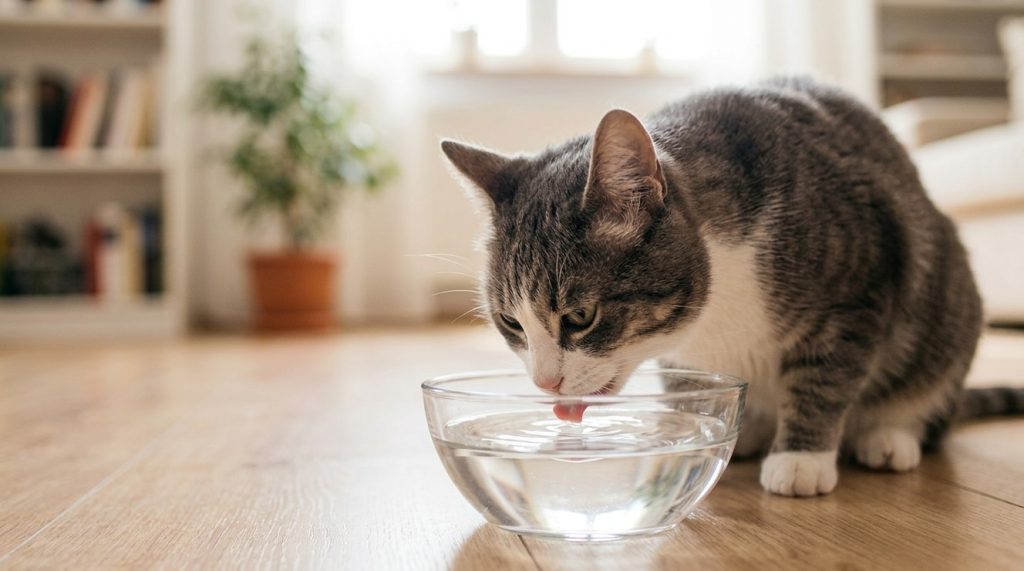
How much water should a cat drink? It is a simple question, but the answer is not always as straightforward as measuring what disappears from the water bowl each day. Cats get water from both drinking and food, and their needs can change based on body weight, diet, age, activity level, weather, temperature, and overall health.
Many cat owners know their cats should always have access to fresh water, yet they may have no idea how much their cat actually drinks. That is understandable. A cat eating moisture-rich wet food may barely touch the water bowl, while a cat eating mostly dry kibble may drink much more.
Learning what is normal for your individual cat can help you support healthy cat hydration and recognize meaningful changes. Here is a practical guide to how much water should a cat drink, what affects daily fluid needs, and when drinking habits may be worth discussing with a veterinarian.
How Much Water Should a Cat Drink Per Day?
As a general guideline, a healthy cat may need approximately 1.5 to 2.5 ounces of total water per 5 pounds of body weight per day. Another commonly used estimate is roughly 40–60 milliliters of total water per kilogram of body weight daily.
The important word here is total. When considering how much water should a cat drink per day, you need to include moisture obtained from food, not just water consumed from a bowl.
For example, a 10-pound adult cat may need roughly 7.5 to 12.5 fluid ounces of total water daily, or approximately 225–375 milliliters. That equals about 1 to 1½ cups of total fluid, although individual requirements can vary.
A cat eating canned food may receive a substantial amount of that fluid through meals. Wet food often contains a high percentage of moisture, while dry food contains relatively little. Therefore, the answer to how many ounces of water should a cat drink cannot be determined simply by body weight without considering diet.
In my experience caring for cats over the years, this is one of the biggest reasons owners become confused. One cat may rarely be seen drinking because most of its fluid comes from wet food, while another seems to visit the bowl frequently because dry food makes up most of its diet. Both cats may potentially be getting appropriate total fluid.
So, how much water should a cat drink? Think of the general numbers as a useful starting point rather than a rigid daily quota.
What Factors Affect How Much Water a Cat Needs?
Several factors influence how much water does a cat need each day.
Body Weight and Size
Larger cats generally require more total water than smaller cats because their bodies have greater overall fluid needs. A petite 6-pound cat and a 15-pound Maine Coon should not be expected to consume identical amounts.
This is why a body-weight-based estimate can be more useful than applying one universal number to every cat. However, body weight is only one piece of the hydration picture.
Wet Food vs. Dry Food
Diet can dramatically affect visible drinking behavior.
Wet food and cat hydration are closely connected because canned and other moisture-rich foods can contribute significant fluid. A cat eating primarily wet food may drink surprisingly little from its bowl.
By comparison, dry food and cat water intake often go hand in hand. Cats eating mostly kibble usually need to obtain more water by drinking.
This does not automatically mean wet food is appropriate for every cat or that dry food will cause dehydration. The key point is that food moisture changes what you see at the water bowl. When asking how much water should a cat drink, always consider what the cat eats.
Age
Kitten water intake can differ from that of an adult because kittens are growing and have different feeding patterns. Very young kittens may receive most of their fluids from their mother or an appropriate milk replacer, depending on their age and circumstances.
Adult cats generally develop fairly consistent habits, although diet and environment still matter.
Senior cat drinking habits may also change with age. An older cat should not automatically be assumed to need more water simply because it is a senior, but noticeable changes in thirst or urination deserve attention. Persistent changes should be discussed with a veterinarian.
Activity Level and Environment
An active cat may lose more fluid than a cat that spends most of the day napping in its favorite sunbeam—an occupation many cats take extremely seriously.
Hot weather, warm indoor conditions, and increased activity can all influence cat daily water intake. Outdoor cats may also encounter greater environmental variation than indoor cats.
If you are wondering how much water should an indoor cat drink, there is still no single perfect amount. Indoor cats can have different activity levels, diets, and environmental conditions. Fresh, accessible water remains important regardless of lifestyle.
Health Conditions and Medications
Certain illnesses and medications can affect thirst, urination, and fluid balance. A cat may drink less or more than usual for many different reasons.
Do not try to diagnose the cause based on water intake alone. Instead, pay attention to sudden or persistent changes. If your cat’s normal drinking pattern changes significantly, contacting a licensed veterinarian is the safest approach.
How Can You Tell If Your Cat Is Drinking Enough Water?
The best approach is to look at the overall picture rather than obsessing over every sip.
If possible, become familiar with your cat’s usual drinking habits. Notice how often you refill the bowl, whether your cat eats wet food, and whether its litter box habits seem generally normal.
In a single-cat household, you can occasionally measure the amount of water placed in the bowl and compare it with what remains after 24 hours. Keep in mind that some water may evaporate or be spilled. A simple cat water intake calculator based on body weight can provide a rough reference, but it cannot account for every individual factor.
Multiple-cat households are more challenging because one bowl does not tell you which cat drank what. In those situations, broader observations can be more useful.
Also pay attention to food moisture. A cat consuming several wet meals may appear to drink very little, yet still receive considerable fluid. Conversely, a cat not drinking enough water from the bowl is not automatically dehydrated if its diet provides substantial moisture.
Litter box observations can also be helpful. Significant changes in urination, especially when combined with changes in thirst, appetite, or behavior, are worth noting.
Ultimately, how much water should a cat drink? The answer is less about achieving an exact number every day and more about maintaining appropriate overall hydration and recognizing meaningful changes from your cat’s normal pattern.
Signs of Dehydration in Cats
Recognizing the signs of dehydration in cats can help owners respond appropriately. Possible warning signs may include:
- Reduced energy or unusual lethargy
- Decreased appetite
- Dry or tacky gums
- Changes in skin elasticity
- Eyes that appear unusually sunken
- Weakness or unusual behavior
- Reduced interest in normal activities
These observations can be useful, but they are not a substitute for veterinary assessment. For example, the commonly discussed “skin tent” test can be affected by factors such as age and body condition, so it should not be used as a stand-alone diagnosis.
A dehydrated cat may require professional evaluation, particularly if symptoms are noticeable or accompanied by vomiting, diarrhea, weakness, or refusal to eat or drink.
If you suspect significant dehydration in cats, especially when your cat appears ill, it is better to contact a veterinarian promptly than to rely solely on at-home checks.
Why Is My Cat Not Drinking Enough Water?
There are many practical reasons a cat may seem uninterested in its water bowl.
The water may be stale, the bowl may be dirty, or the location may be unpleasant. Some cats dislike having water close to their litter box. Others seem to have strong opinions about bowl material, water temperature, or whether the bowl is too deep or narrow.
Cats can also prefer moving water. I have seen cats show little interest in a perfectly good bowl, then become fascinated by a gently running faucet. Apparently, still water sometimes fails the feline quality-control department. 🙂
Stress, household changes, and a moisture-rich diet can also affect drinking behavior. A cat eating plenty of wet food may simply not need to drink as much from its bowl.
If your cat suddenly stops drinking or appears unwell, do not assume it is merely being picky.
How to Encourage a Cat to Drink More Water
If you are concerned about how to get a cat to drink more water, start with simple, low-risk changes.
Provide Fresh Water Every Day
Replace drinking water regularly and wash the bowl frequently. Fresh water for cats should be readily available at all times.
Set Up Multiple Water Stations
Place water in more than one location, especially in larger homes or multi-level houses. This makes drinking convenient and gives cats choices.
Choose the Location Carefully
Keep water away from the litter box. Many cats also prefer a quiet location where they can drink without being disturbed by people, dogs, appliances, or other cats.
Try Different Bowls
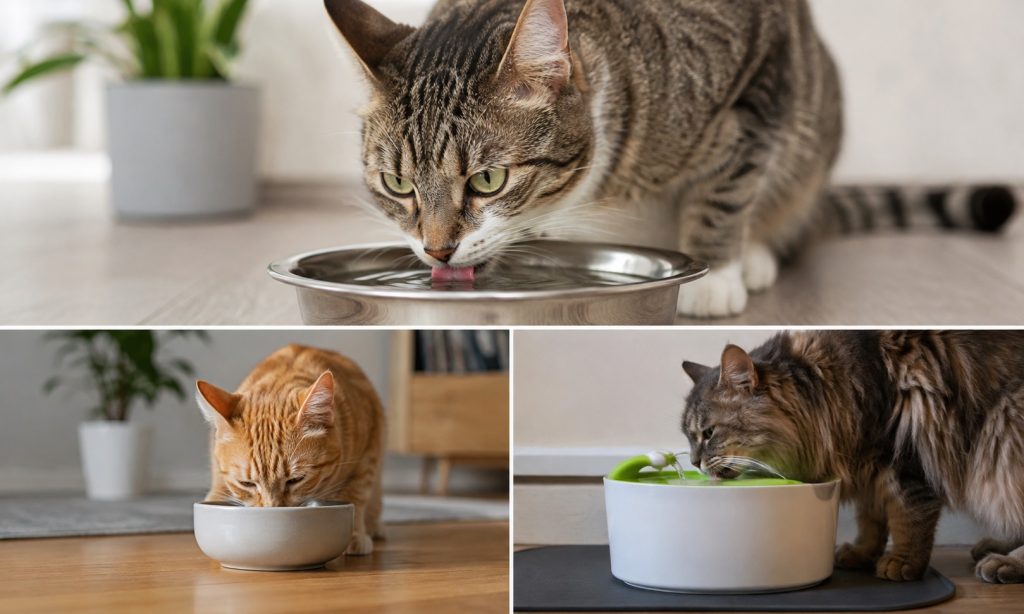
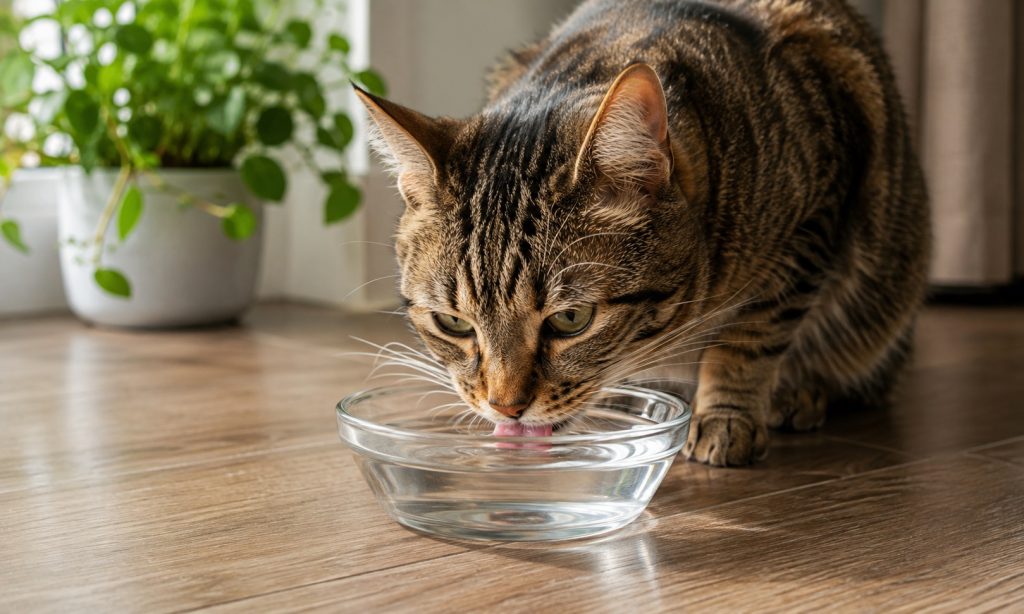
Some cats may prefer ceramic, stainless steel, or glass. A wider bowl may also be more comfortable for cats that dislike their whiskers repeatedly touching the sides.
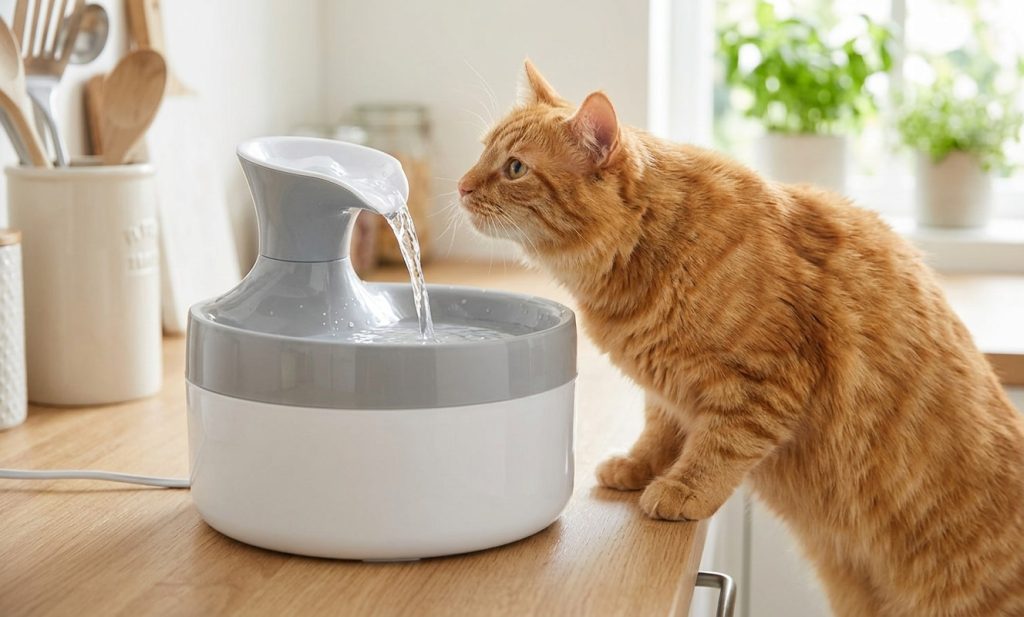
Consider a Water Fountain
Some cats are more attracted to moving water. A pet fountain may encourage drinking, provided it is cleaned and maintained according to its instructions.
Increase Dietary Moisture When Appropriate
Wet food can support cat hydration because of its higher moisture content. You may also be able to add a small amount of water to certain meals if your cat accepts it and the food remains appropriate for your cat’s nutritional needs.
If your cat has a medical condition or follows a prescribed diet, ask your veterinarian before making significant dietary changes.
How Long Can a Kitten Go Without Water?
Cat owners sometimes search for how long can a kitten go without water, hoping for a specific number of safe hours. Unfortunately, there is no responsible universal answer.
Kittens can become dehydrated more quickly than healthy adult cats, and the risk depends on age, body size, diet, temperature, and whether illness is present. A very young kitten has different needs from an older, weaned kitten.
A kitten that is refusing water should not simply be watched for an extended period while waiting for a preset number of hours to pass. Prompt veterinary advice is particularly important if the kitten also has vomiting, diarrhea, weakness, poor appetite, or other signs of illness.
When considering how much water should a cat drink, kittens deserve extra caution because small changes in fluid balance can become more significant.
When Is a Cat Drinking Too Much Water?
The opposite concern is also important: why is my cat drinking so much water?
One unusually thirsty day does not necessarily mean something is wrong. Hot weather, increased activity, dietary changes, or temporary circumstances can affect water consumption.
However, excessive thirst in cats that is sudden, noticeable, or persistent should be evaluated by a veterinarian. Increased drinking may sometimes occur alongside underlying health problems or medication effects.
If you are concerned, measure water consumption over several days when practical. In a single-cat household, this can provide your veterinarian with more useful information than simply saying, “My cat seems thirstier than usual.”
Also watch for changes in urination, appetite, weight, energy, or behavior. The combination of symptoms can be more informative than water intake alone.
So when asking how much water should a cat drink, remember that both unusually low and persistently high intake can matter when they represent a clear change from normal.
When Should You Visit a Veterinarian?
Contact a veterinarian when changes in drinking behavior occur alongside signs of illness or when the change is sudden and persistent.
Professional advice is especially important if your cat has:
- Refused water while appearing ill
- Repeated vomiting or diarrhea
- Severe lethargy or weakness
- Noticeable signs of dehydration in cats
- A sudden, persistent increase in drinking
- Major changes in urination
- Loss of appetite along with reduced fluid intake
- A kitten that appears unwell and is not drinking normally
Do not panic over every variation in water consumption. Cats can have normal day-to-day differences. The greater concern is a meaningful change that continues or occurs with other symptoms.
When in doubt, a veterinarian can assess your cat’s overall condition and determine whether further evaluation is necessary.
Frequently Asked Questions About How Much Water Should a Cat Drink?
How much water should a 10-pound cat drink?
A 10-pound cat may need roughly 7.5 to 12.5 ounces of total water daily, depending on factors such as diet, activity, environment, and health. Remember that water contained in wet food contributes to this total.
Do cats get enough water from wet food?
Wet food can provide a substantial amount of a cat’s daily fluid intake because it contains significant moisture. However, cats should still have access to clean drinking water at all times.
Is it normal for my cat to drink very little water?
It can be normal, particularly if your cat eats mostly wet food. The key is to consider total fluid intake and your cat’s normal behavior rather than judging hydration solely by how often the water bowl is visited.
How can I tell if my cat is dehydrated?
Possible signs include lethargy, poor appetite, dry or tacky gums, changes in skin elasticity, sunken-looking eyes, and unusual weakness. These signs are not a replacement for veterinary diagnosis, especially if your cat appears ill.
Why is my cat suddenly drinking more water?
A temporary increase can occur for ordinary reasons, but a sudden or persistent change may require veterinary evaluation. Measuring daily intake and noting changes in urination or other behavior can provide useful information.
Final Words
So, how much water should a cat drink? There is no single perfect amount for every cat. Daily hydration needs depend on body size, diet, age, activity, environment, and overall health.
The most practical approach is to provide constant access to clean, fresh water, understand how wet and dry food affect total fluid intake, and learn your cat’s normal drinking habits. Whether you are caring for a playful kitten, a healthy adult, or an older cat, meaningful changes in water consumption deserve attention.
In short, the question “How Much Water Should a Cat Drink?” is best answered by looking at the whole cat—not just the water bowl. Consistent access to water and awareness of changing habits can support healthy hydration, while concerning symptoms or persistent changes should always be discussed with a licensed veterinarian.