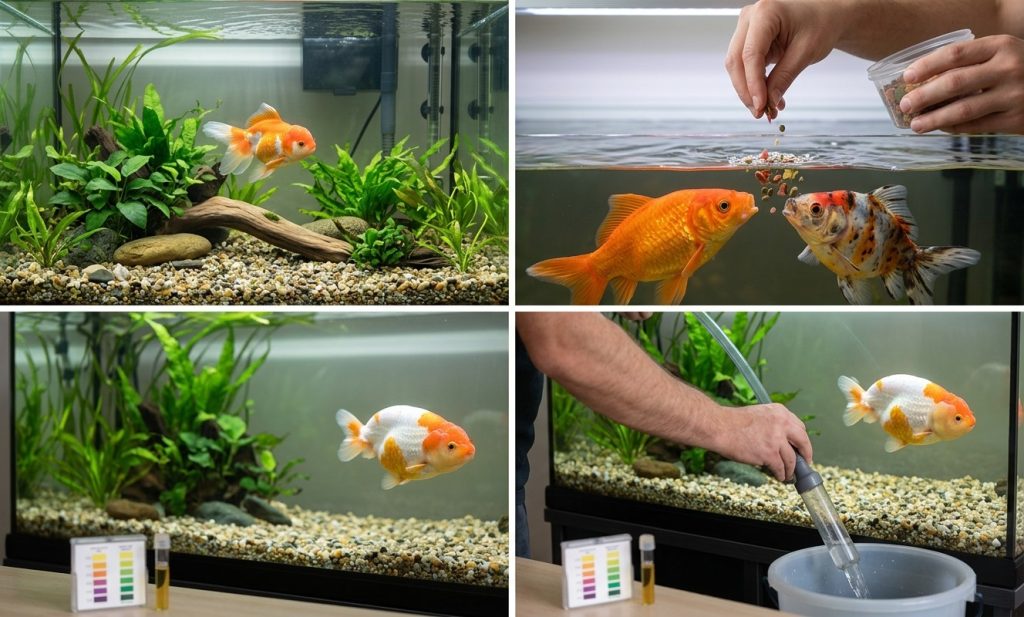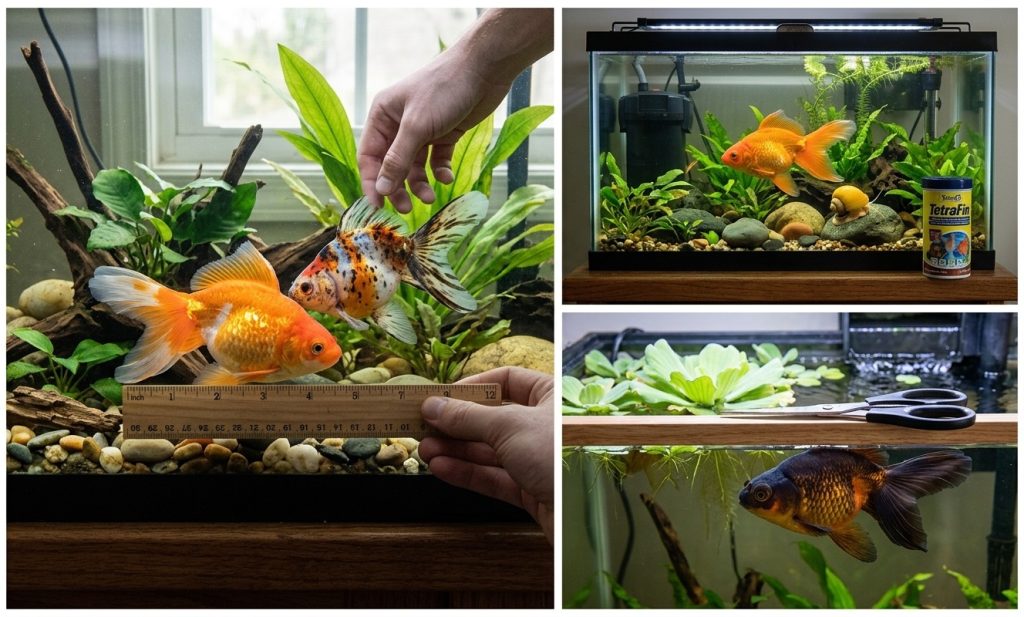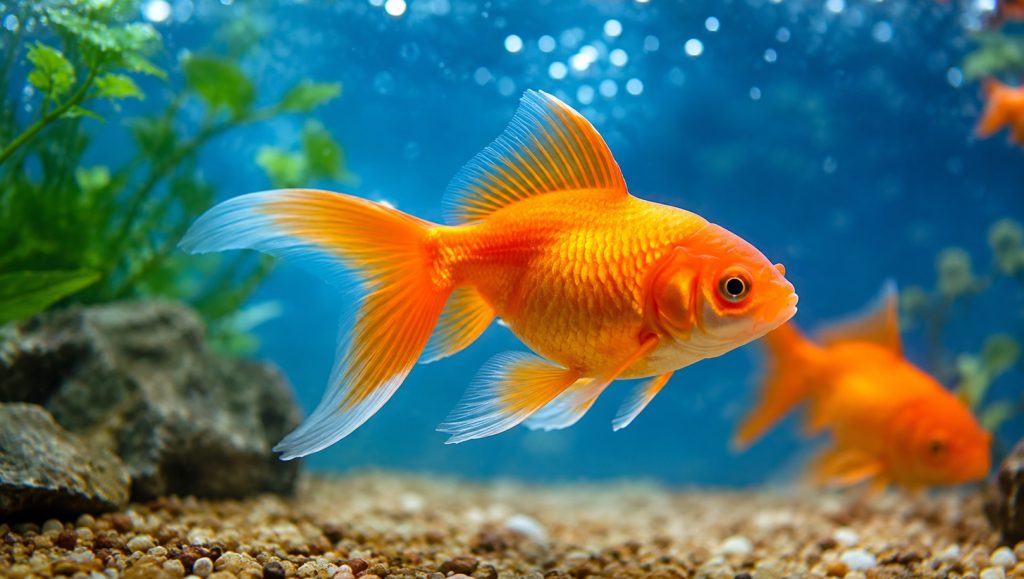
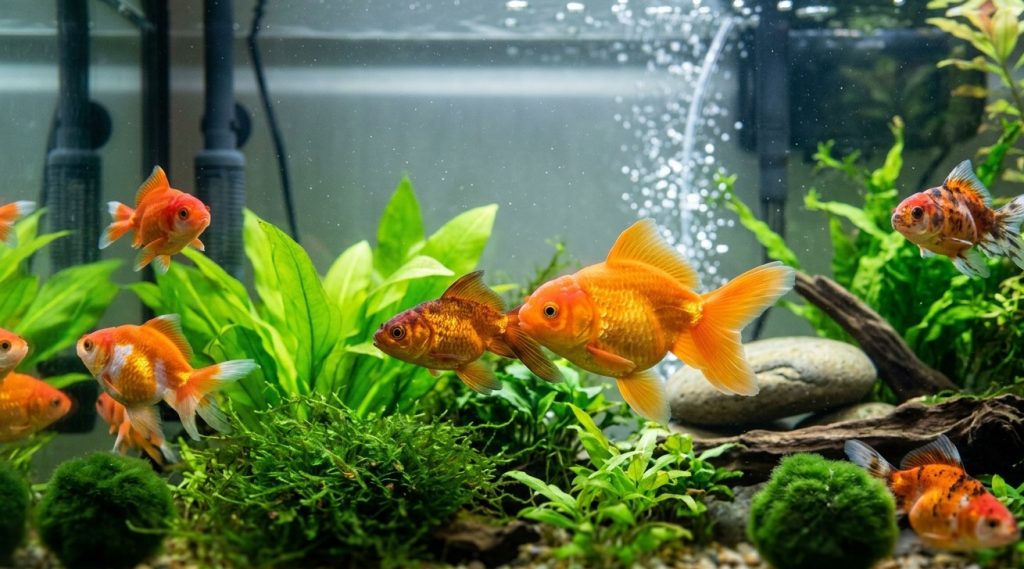
Goldfish chase each other for mating, dominance, play, or stress—context tells which.
I have kept and studied goldfish for years, and I’ll explain why goldfish chase each other in clear, practical terms. This guide breaks down the common causes, signs that chasing is normal or harmful, and simple steps you can take to manage chasing in your tank. You will learn how to spot courtship, bullying, play, and stress-related chasing and what to do about each, backed by observed behavior and aquarium best practices.
Common reasons why goldfish chase each other
Goldfish chase each other for several natural reasons. Some chasing is courtship and part of mating. Other chasing is about dominance and territory among tank mates. Playful chasing can look similar but is gentler and short-lived.
Research and repeated aquarium observations show that context matters. Look for paired behaviors like nudging and circling with courtship. Watch for persistent nipping and torn fins with aggression. Knowing the cause helps you respond correctly.
 Source: reddit.com
Courtship and spawning behavior
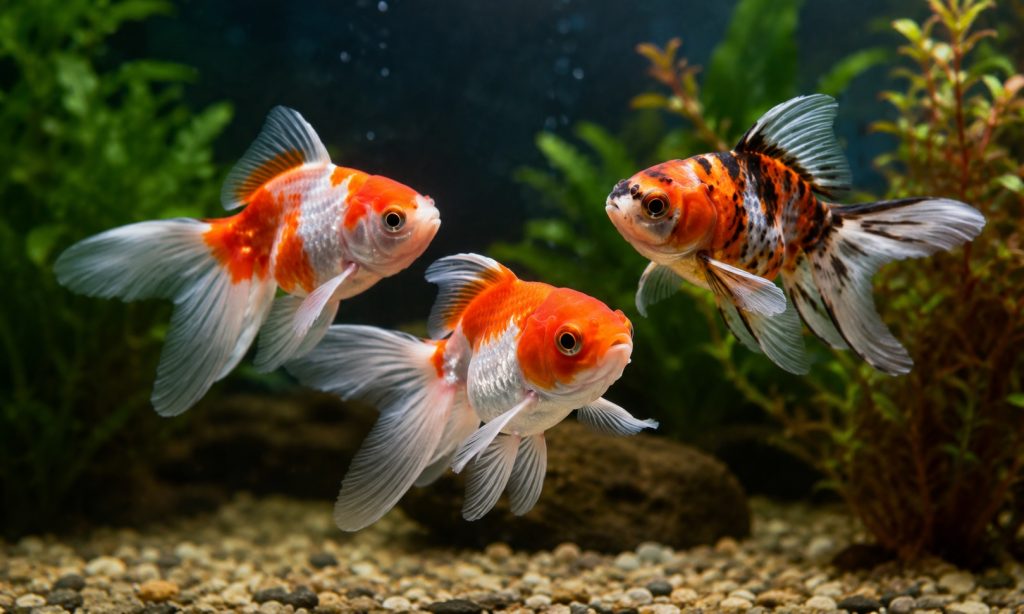
During breeding season, chasing is often a courtship ritual. Males will chase and nudge females to encourage egg release. This chasing is rhythmic and focused on one or two fish.
If you see males following a single female and nudging her belly, it is likely breeding behavior. Eggs and adhesive strands may appear on tank surfaces after these episodes. Provide plants or spawning mops if you want to support breeding.
Dominance, hierarchy, and territorial chasing
Goldfish form social hierarchies. Chasing can enforce rank and access to food or preferred shelter. Dominant fish will herd or push subordinates away from feeding spots.
This type of chasing may look aggressive. It is often repetitive and directed at the same fish. If dominance chasing causes injury or chronic stress, you should intervene with tank changes or rehoming.
Playful chasing versus harmful aggression
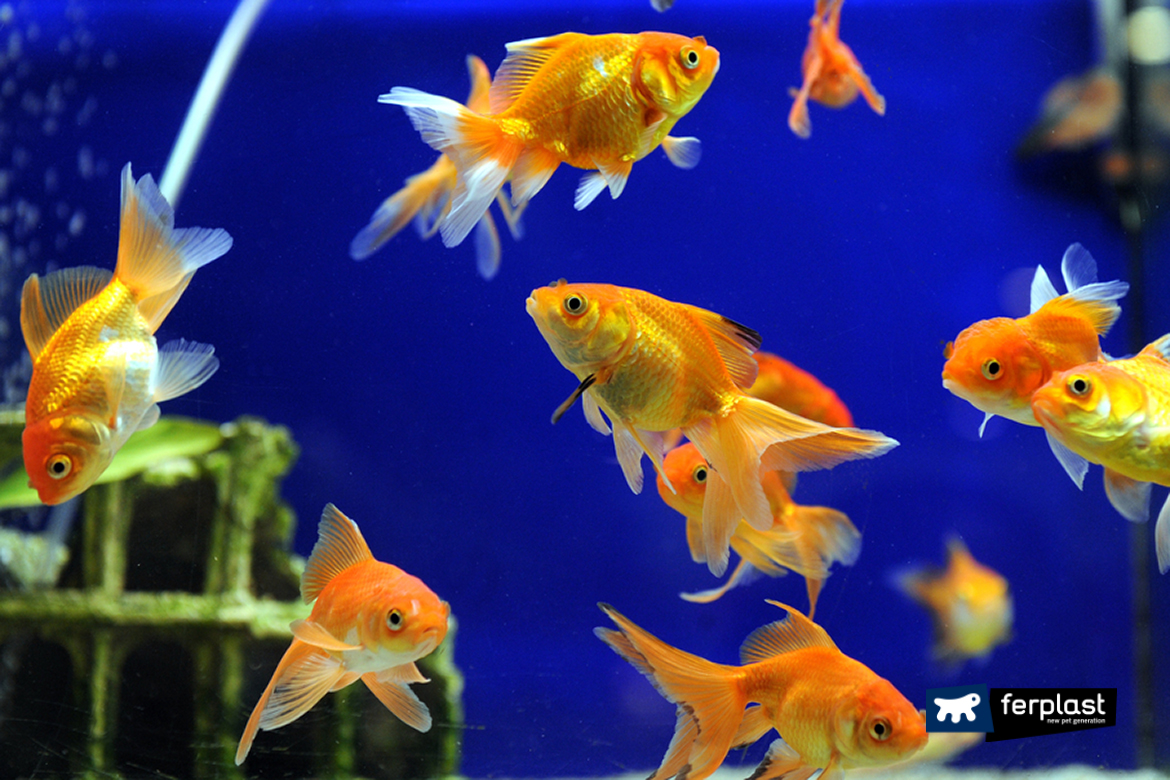
Playful chasing is brief, mutual, and has no lasting harm. Aggressive chasing involves nipping, torn fins, or hiding fish. Distinguish them by duration, intensity, and injury.
Signs of play
- Short bursts of following
- No visible damage or bleeding
- Fish return to normal behavior quickly
Signs of harmful aggression
- Frayed fins or missing scales
- Constant persecution of one fish
- Lost appetite or hiding behavior
Source: ferplast.com
Stress-related causes that lead to chasing
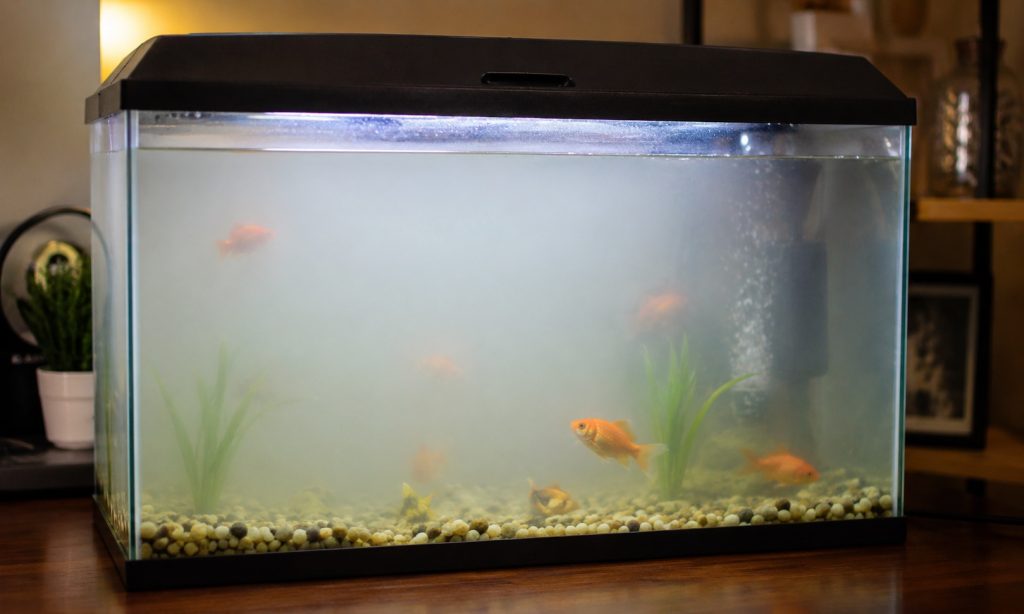
Stress can make goldfish more reactive and prone to chasing. Poor water quality, overcrowding, or sudden changes can trigger chasing as a displacement behavior. Sick fish may also be chased by healthy companions.
Improve water parameters and reduce stressors to lower chasing driven by anxiety. Regular water tests and maintenance often reduce unwanted chasing quickly.
How to tell if chasing is dangerous and when to act
Monitor the target fish and check for injuries and behavior change. Act when chasing is constant, causes damage, or the victim hides or loses weight. Short, occasional chases usually need no action.
Immediate steps
- Quarantine injured fish for treatment
- Add decorations or plants for shelter
- Increase tank size or rearrange décor to break lines of sight
 Source: goldfish2care4.com
Practical steps to reduce harmful chasing
Small changes can stop or lower chasing. Aim for calm water conditions and fair feeding routines. Change the layout to create multiple territories.
Effective measures
- Keep a proper fish-per-gallon ratio for goldfish
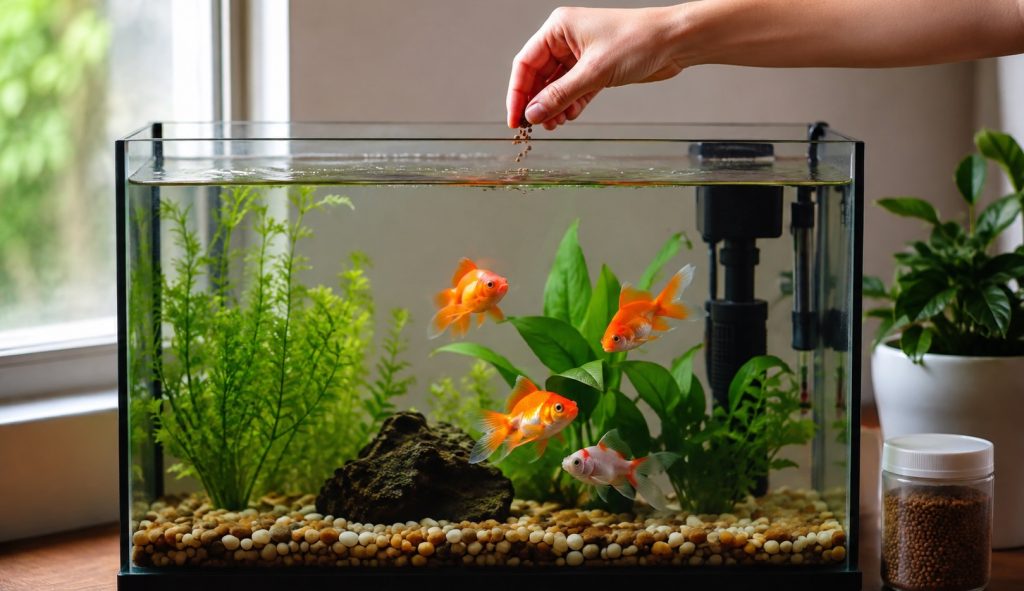
- Feed multiple spots to reduce competition
- Provide decor, caves, or plants for hiding
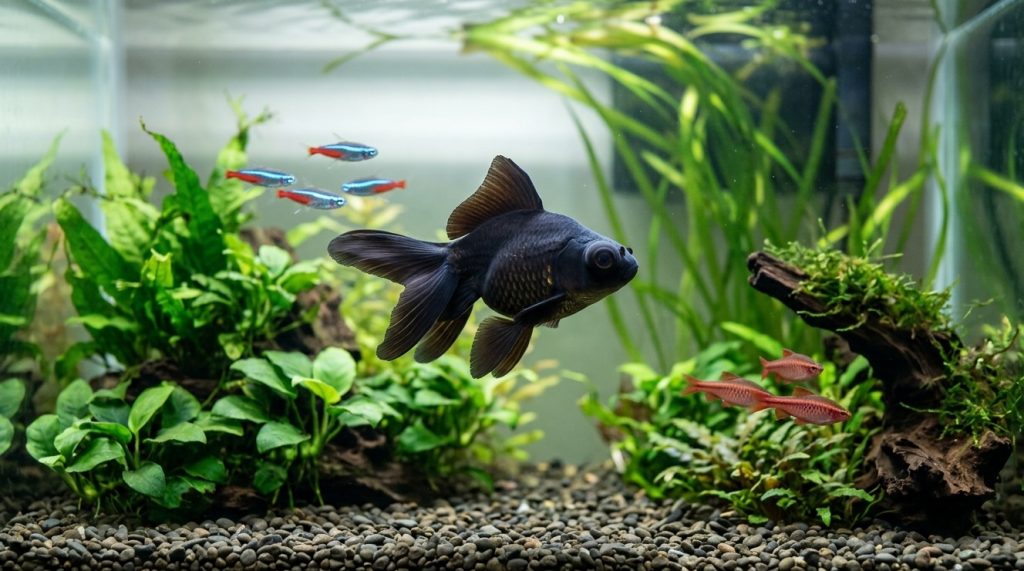
- Consider tank mates carefully; avoid aggressive varieties
- If needed, separate persistent bullies into another tank
Tank setup, stocking, and long-term management
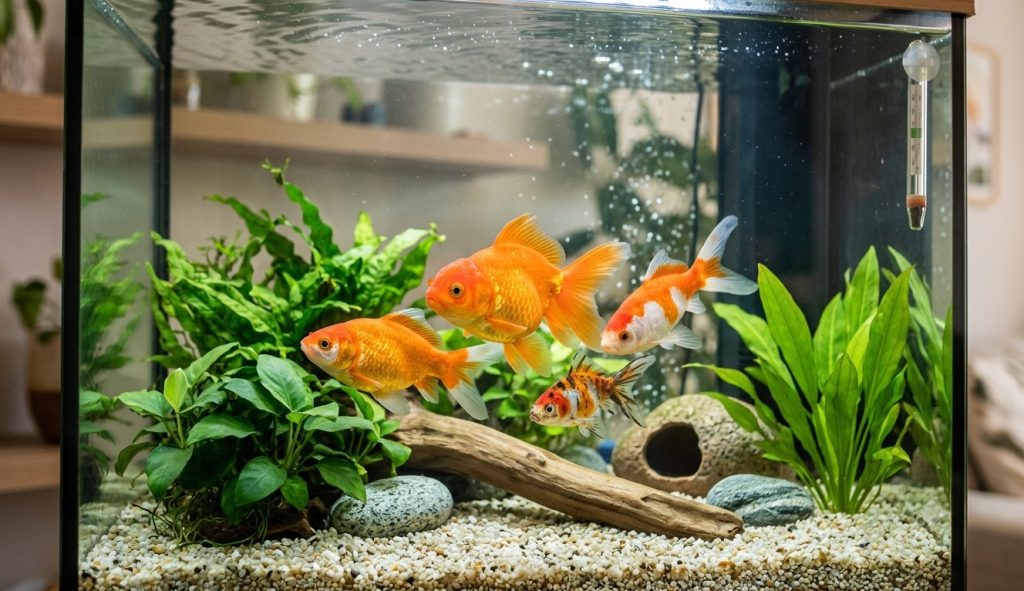
A well-planned tank prevents many chasing problems before they start. Goldfish need space, oxygen, and clean water. Overstocked tanks create stress and aggressive behavior.
Guidelines to follow
- Aim for at least 20 gallons for one fancy goldfish, more for additional fish
- Use strong filtration and regular water changes
- Add visual barriers and varied substrate to create micro-territories
- Observe new fish closely for the first weeks and rearrange décor to reset territories if chasing begins
Personal experience, lessons learned, and practical tips
In my years keeping community tanks, I saw chasing drop after I doubled the water volume for a small group and added plants. I once misread courtship as aggression and separated fish unnecessarily. Since then, I watch for paired nudging and eggs before acting.
Practical tips from my work
- Let patterns reveal themselves over several days before permanent moves
- Use quarantine tanks to treat injured fish and to test compatibility
- Keep logs of water readings and behavior to spot triggers early
 Source: aqqapet.com
What science and expert observation tell us
Behavioral studies on carp-family fish show that chasing serves mating and social regulation roles. Observers note that environment and health strongly shape chasing frequency. Evidence supports that improved habitat lowers harmful chasing.
This means managing water quality, space, and diet is your best control. When chasing persists despite good conditions, species mismatch or chronic aggression is likely and may need rehoming.
PAA-style quick questions
Why do goldfish chase each other during spring?
Goldfish chase more in spring because rising temperatures trigger breeding instincts. Males become more persistent while females prepare to lay eggs.
Can poor water make goldfish chase more?
Yes. Low oxygen, high ammonia, or sudden changes increase stress and make chasing more likely. Fixing water issues usually reduces chasing.
Is chasing always a sign of aggression?
No. Chasing can be courtship, play, or dominance behavior. Look for injury and frequency to judge if it is aggressive.
Frequently Asked Questions of Why Do Goldfish Chase Each Other
Why do goldfish chase each other in a new tank?
Goldfish chase in a new tank as they establish territory and social order. Rearranging décor after a week or two can help redistribute territories and reduce chasing.
When is chasing a sign of spawning?
Chasing tied to spawning includes males following and nudging females and the later presence of eggs. These behaviors usually occur in sets and show regular patterns.
How can I tell play from aggression?
Playful chasing is short and mutual with no harm. Aggression is persistent, directed at one fish, and often causes visible damage or stress signs.
Should I separate chasing goldfish immediately?
Only separate if there is injury or severe stress. Observe for a short period to identify cause, then intervene if chasing continues or causes harm.
What tank size helps prevent chasing?
Larger tanks reduce chasing by giving fish space and hiding places. As a rule, allow ample gallons per fish and strong filtration to keep stress low.
Conclusion
Goldfish chase each other for clear reasons: mating, dominance, play, and stress. By observing pattern, intensity, and physical signs you can tell which reason applies and take the right action. Start with water quality, tank space, and hiding spots; monitor behavior and act if chasing becomes harmful. Try one change at a time and track results, and you’ll often see better harmony in weeks. If you found this guide useful, leave a comment with your goldfish story, subscribe for more care tips, or test a small habitat change and share what happened.