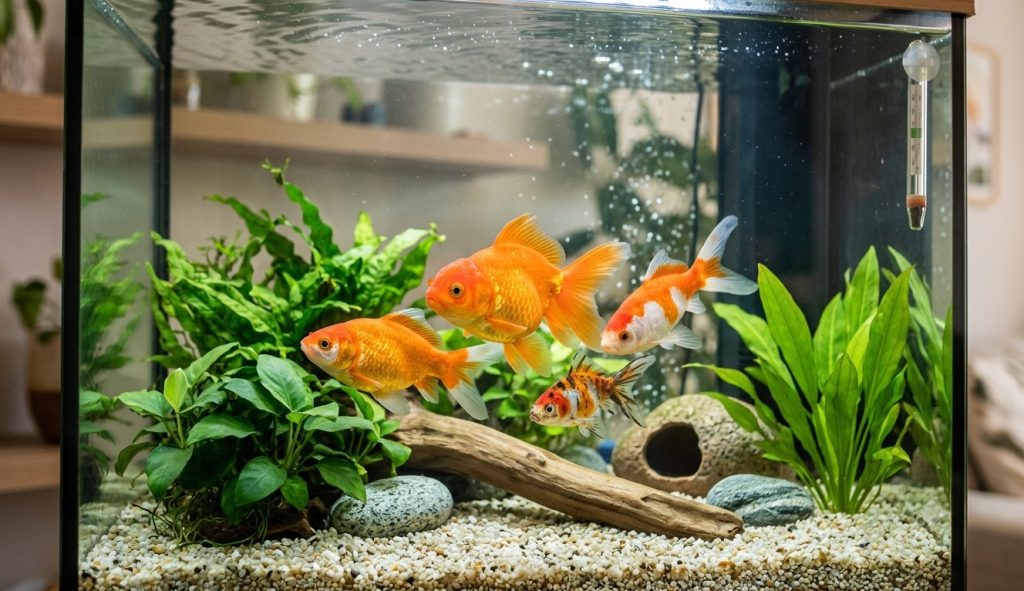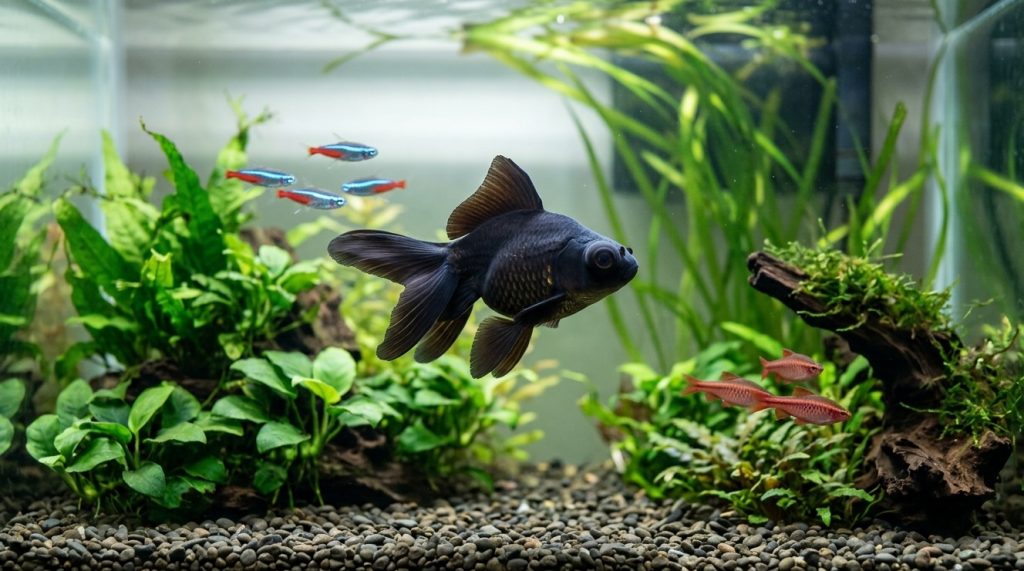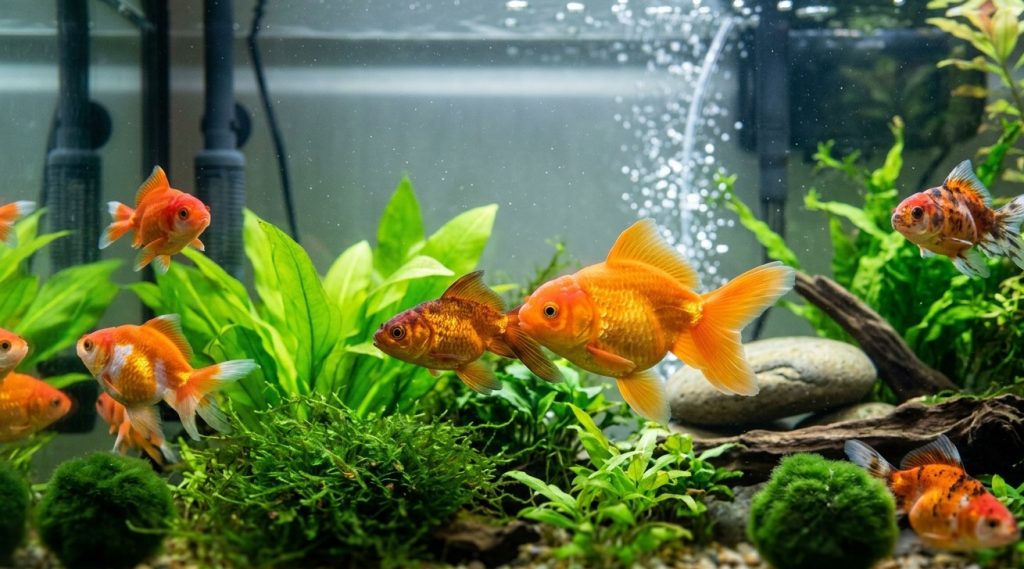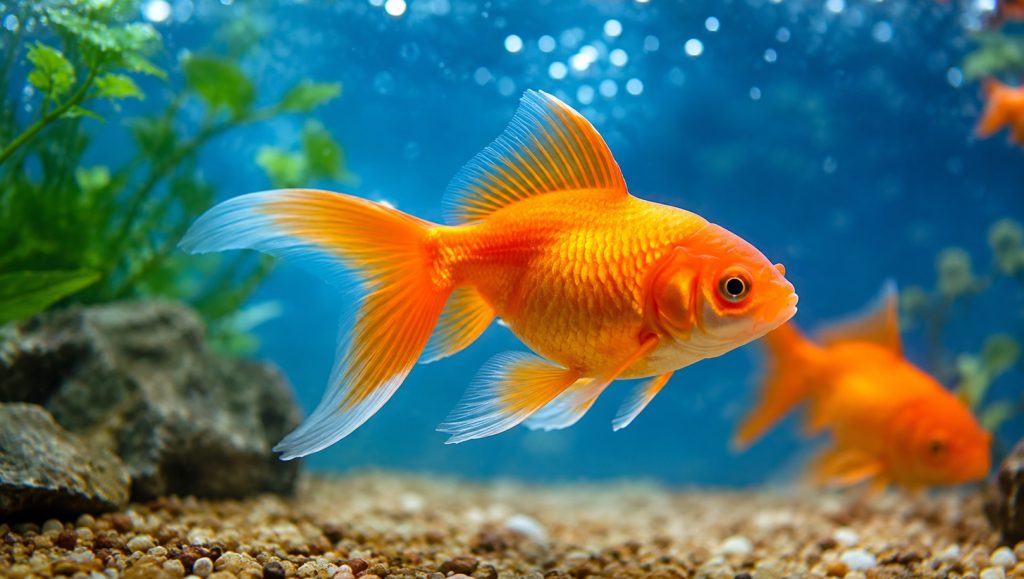
Wild goldfish eat a mix of algae, aquatic plants, small invertebrates, and organic detritus.
I have studied freshwater fish ecology and kept ponds for years, so I understand what goldfish eat in the wild and why their diet matters for health and habitat. This article explains the natural diet of goldfish, how feeding behavior changes with seasons and habitat, what nutrients they need, and what pet owners should know to feed responsibly. Read on for practical tips, real observations, and clear guidance grounded in experience and research.
Wild diet overview
Goldfish are omnivores. In natural ponds, lakes, and slow rivers they eat a broad mix of plant and animal matter. Their diet shifts with food availability, water temperature, and size. Understanding what do goldfish eat in the wild helps pet owners match nutrition and avoid common mistakes.
Natural food types found in the wild
Goldfish obtain nutrition from several food categories. Below are the main groups you will find in their wild diet.
Aquatic plants and algae
Goldfish graze on filamentous algae and soft aquatic plants. These provide fiber, some vitamins, and pigments. Algae also supply carotenoids that help with color.
Source: aquariumstoredepot.com
Small animals and invertebrates
Goldfish eat insect larvae, small crustaceans, worms, and zooplankton. These animal foods supply protein and fats needed for growth and activity. Hatchlings and juvenile goldfish rely more on animal prey than adults do.
Detritus and biofilm
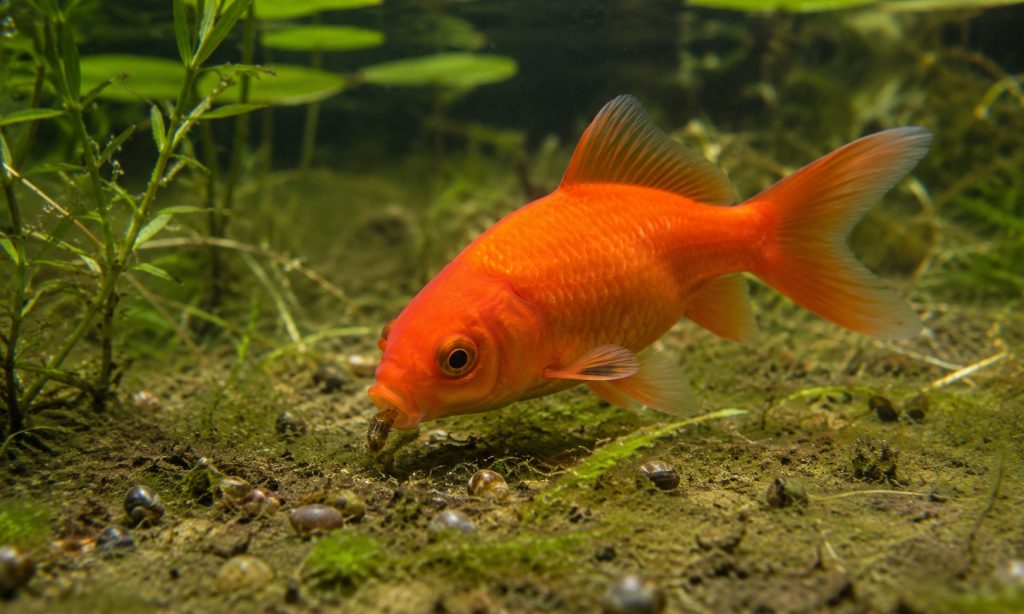
Goldfish sift through mud and leaf litter to eat detritus and microbial biofilms. This material is rich in microbes and decomposing matter that add micronutrients. Foraging in sediment is a major feeding mode for bottom-feeding individuals.
Examples commonly observed
- Algae and diatoms
- Duckweed and soft pondweeds
- Chironomid (midge) larvae
- Daphnia and copepods
- Oligochaete worms and small snails
Goldfish will opportunistically consume seeds and fallen fruits near the water surface. The mix of these items answers what do goldfish eat in the wild across many habitats.
Foraging behavior and feeding strategies
Goldfish are active foragers. They root in sediment and nibble on plant surfaces. They also feed at the surface on drifting plankton and insects. Their mouth structure suits both benthic (bottom) feeding and midwater grazing.
Goldfish take advantage of food patches. When insects hatch, goldfish often concentrate near the surface. In low light they graze on algae and pick food from plants. I once observed a small community pond where goldfish followed carp and fed on stirred-up insect larvae.

Source: nationalgeographic.com
Seasonal and habitat variation
What do goldfish eat in the wild depends on season. Spring and summer bring insect larvae and plankton. Fall and winter shift diets toward detritus and hardy plant material. In cold water, goldfish slow down and eat less protein.
Habitat matters too. Shallow, plant-rich ponds yield more vegetation and snails. Clearer streams may offer more insect prey. Urban or introduced populations often adapt to available food, including human-derived scraps, which can affect health.
Nutrition and digestion: what goldfish need
Goldfish require protein, carbohydrates, fats, fiber, and micronutrients. Animal prey supplies protein and essential amino acids. Plants and algae provide carbohydrates, fiber, vitamins, and pigments.
Their digestion is adapted for mixed diets. Goldfish have a long gut suited to processing plant matter and detritus. Fiber helps gut motility and reduces swim bladder issues in captive fish. Knowing what do goldfish eat in the wild clarifies why varied diets keep them healthy.
Practical implications for pet goldfish feeding
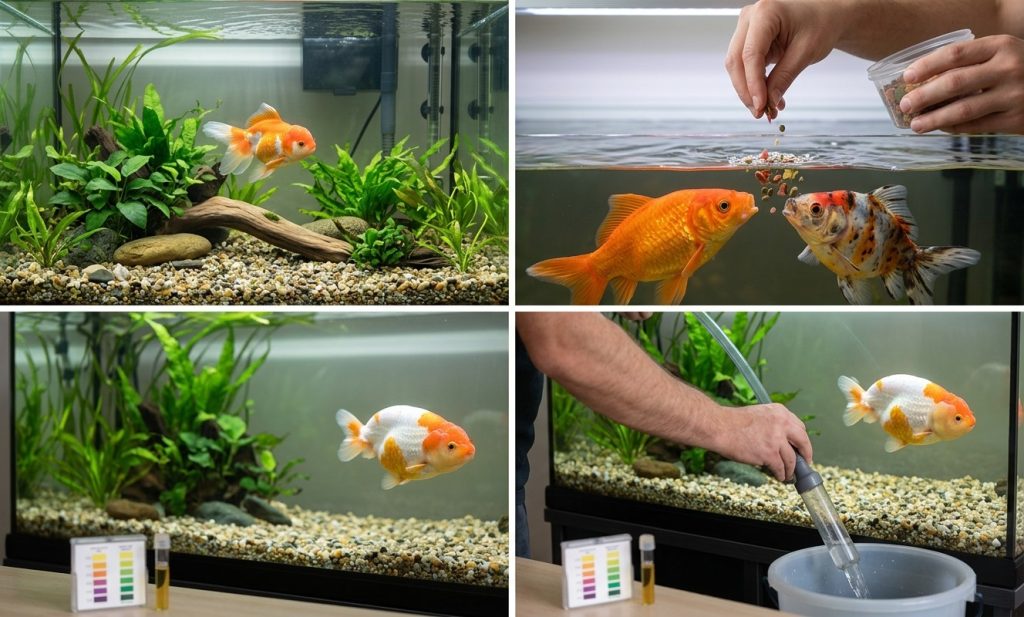
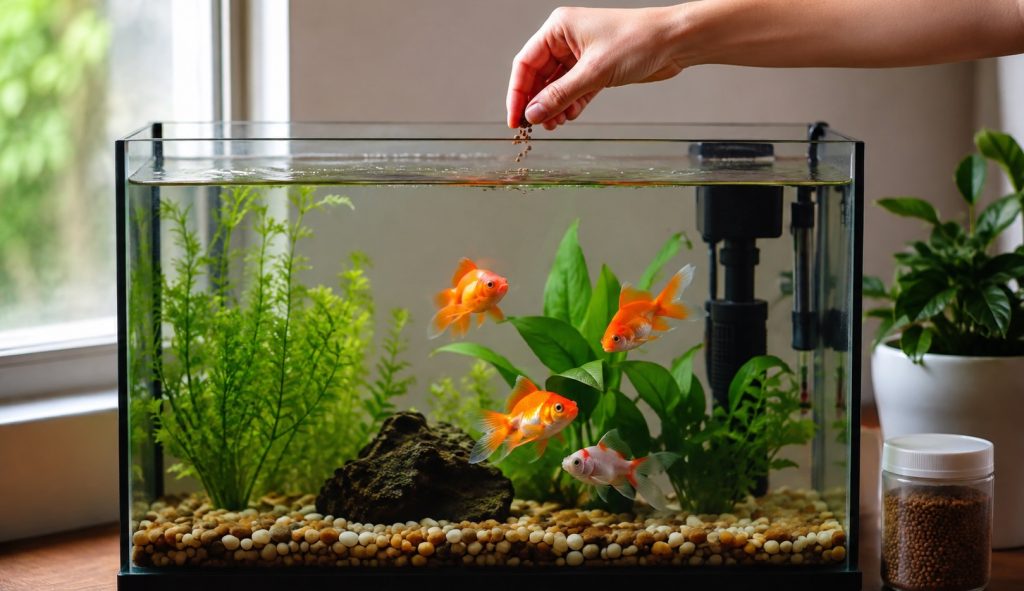
Recreate the wild variety for best results. Offer a mix of quality flakes or pellets plus fresh plant and live or frozen protein. Rotate foods and add greens weekly.
Practical feeding tips I use:
- Feed small amounts two to three times daily to prevent overfeeding.
- Offer blanched vegetables like peas or lettuce once or twice a week.
- Include frozen or live brine shrimp or daphnia for protein boosts.
- Add occasional algae wafers for herbivorous balance and fiber.
Avoid these mistakes:
- Feeding only dry flakes long term. This is unbalanced compared to wild diets.
- Overfeeding, which causes water quality problems and disease.
- Relying on bread or human snacks that lack nutrients and pollute water.
From my pond experience, a varied menu reduces illness and keeps color vibrant. When I switched to a mixed routine, I saw fewer swim bladder problems and steadier growth.
Role in ecosystems and conservation
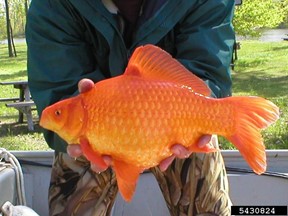
Goldfish influence aquatic ecosystems by grazing on plants and stirring sediment. In some regions, released pet goldfish become invasive. They can reduce native plant cover and alter food webs. Understanding what do goldfish eat in the wild helps managers predict ecological impacts and design control measures.
Source: theguardian.com
Common search questions about wild goldfish diets
Do goldfish eat insects in the wild?
Yes. Goldfish commonly eat insect larvae and adult insects that land on water. These provide important protein, especially for growing fish.
Will goldfish eat plants only?
No. Goldfish are omnivores and eat both plants and animals. They rely on a mix of algae, plant matter, and small invertebrates.
How does water temperature affect diet?
Colder water slows metabolism, so goldfish eat less and favor easy-to-digest plant material. Warmer months increase feeding on protein-rich prey.
Source: invasivespeciescentre.ca
Frequently Asked Questions of What Do Goldfish Eat in the Wild
What is the primary food for goldfish in a pond?
In many ponds, algae and soft aquatic plants are primary foods, with insects and small invertebrates as important supplements. Food availability drives the exact balance.
Do wild goldfish eat other fish eggs or fry?
Yes, larger goldfish will sometimes eat fish eggs or tiny fry if they encounter them. This behavior is opportunistic and common among omnivorous freshwater fish.
Can goldfish survive on plants alone in the wild?
They can survive on plants alone for some time, but natural diets typically include animal prey to supply needed protein. Long-term survival on plants only may limit growth.
How do goldfish find food in murky water?
Goldfish use taste buds and barbels to detect food in sediment and murky water. They also rely on movement and chemical cues released by prey.
Are wild goldfish picky eaters?
No, wild goldfish are opportunistic feeders. They sample many food types and exploit whatever is abundant and reachable.
Conclusion
Wild goldfish eat a flexible mix of algae, aquatic plants, small invertebrates, and detritus. That varied diet supports balanced nutrition and explains why captive goldfish thrive on mixed feeding plans. Apply these lessons by offering diverse foods, avoiding overfeeding, and observing behavior to fine-tune care. If you care for goldfish, try a menu that mirrors their natural diet and monitor water quality to keep them healthy and active. Share your experiences or questions below, and consider subscribing or reading further to learn more about fish care and pond ecology.