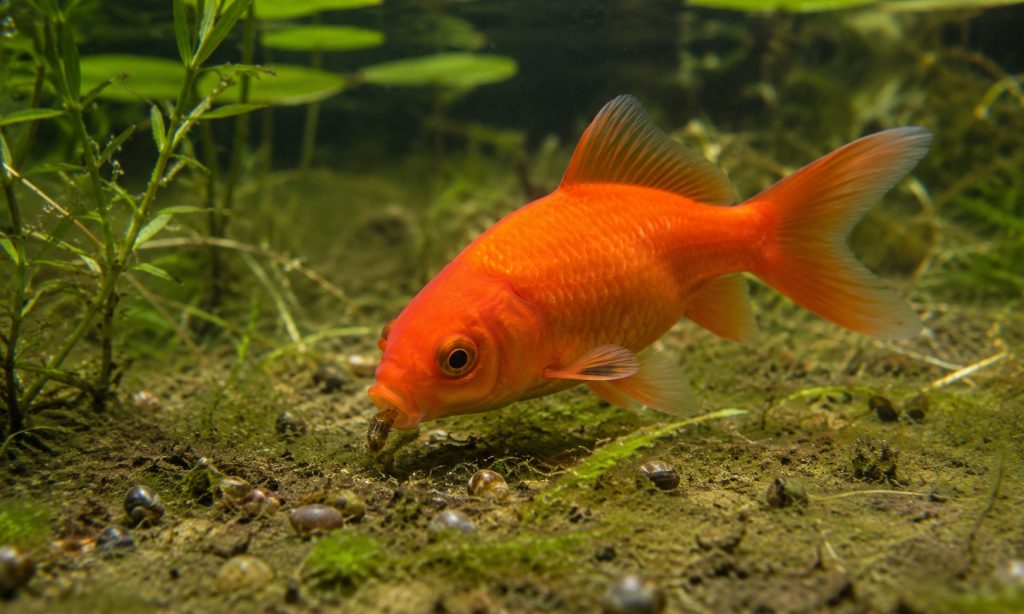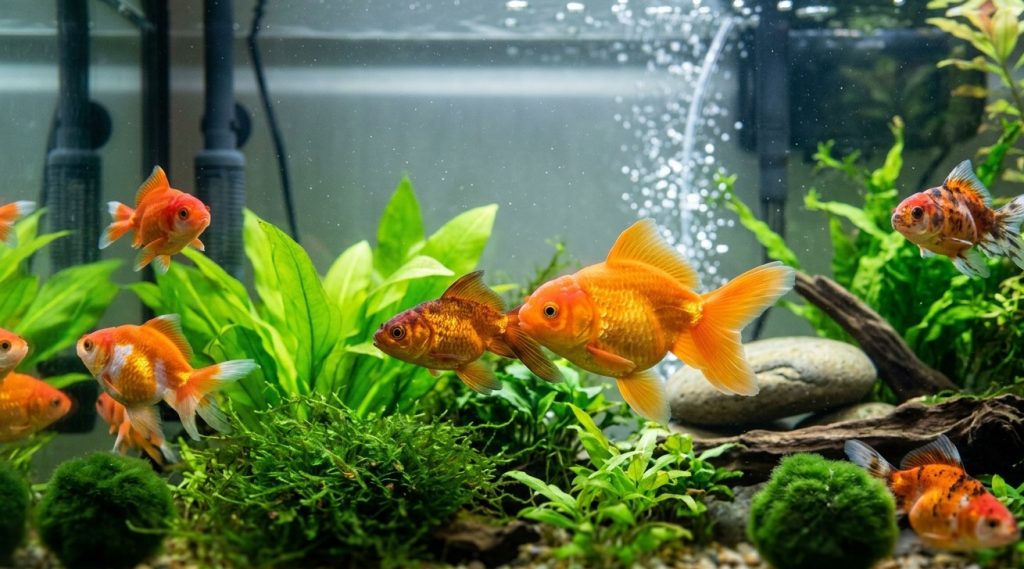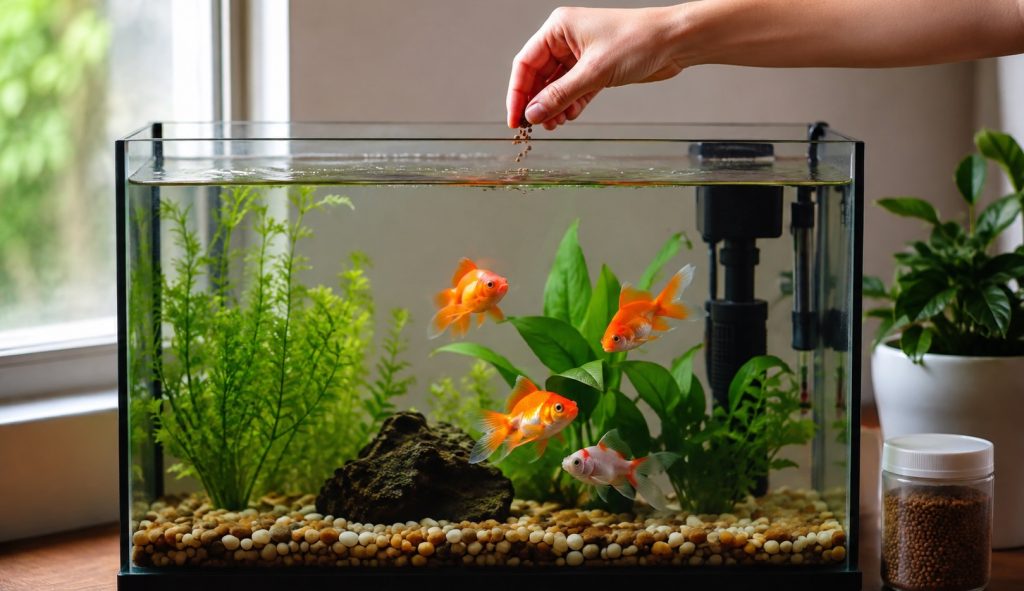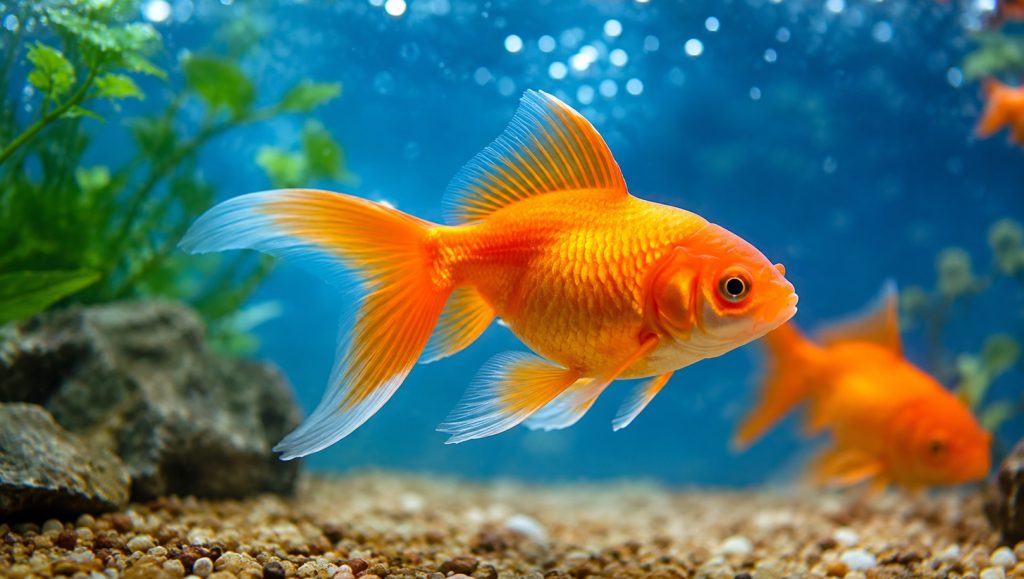
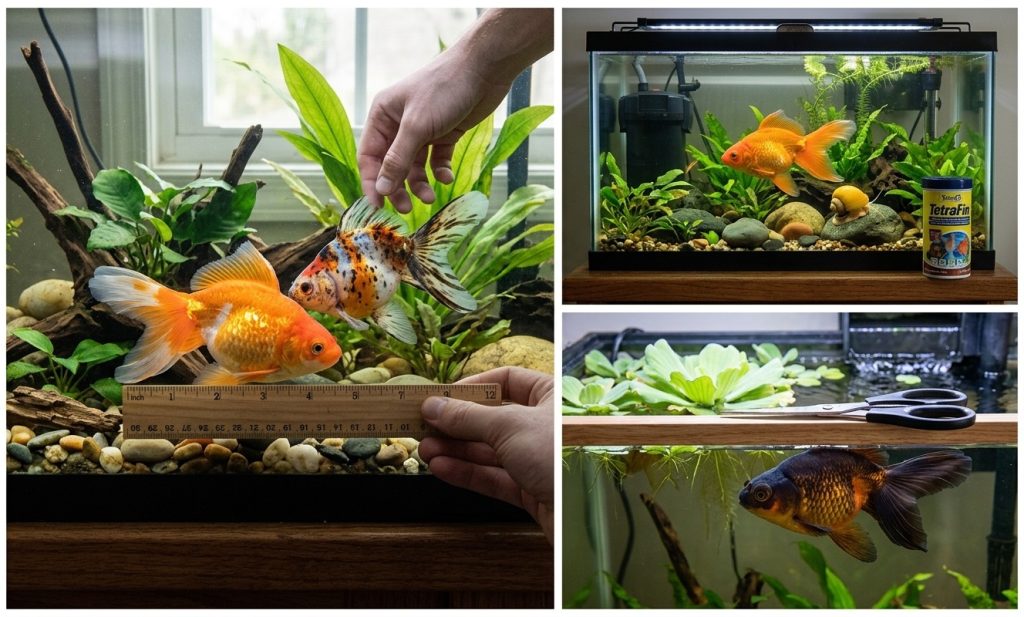
Most healthy fantail goldfish grow between 4 and 8 inches, occasionally up to 10–12 inches.
I have kept and bred fantail goldfish for years, studied breed standards, and advised new keepers on size, tank setup, and diet. This article explains how big do fantail goldfish get, what affects their growth, realistic size ranges, and practical care steps to help them reach their full potential. Read on for clear, actionable advice rooted in hands-on experience and current knowledge.
Understanding fantail goldfish size and growth
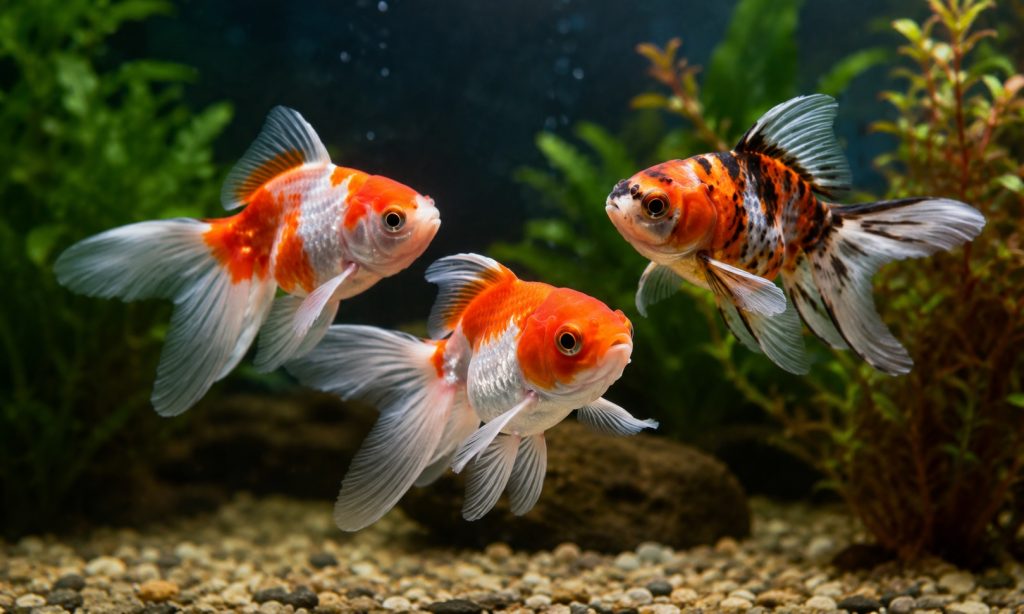
Fantail goldfish are a popular fancy variety. Their rounded bodies and split tails make them distinct. Many owners ask, how big do fantail goldfish get and when will they stop growing?
Growth depends on genetics, environment, diet, and age. Most pet-store fantails are juveniles and still growing. With good care, a typical adult fantail reaches 4 to 8 inches. Exceptional individuals may reach 10 to 12 inches in large ponds or optimal tanks.
Factors that determine how big do fantail goldfish get include:
- Genetics. Some bloodlines produce larger fish.
- Tank volume and water quality. Bigger, cleaner tanks support more growth.
- Nutrition. Balanced diets promote steady growth without deformities.
- Temperature and metabolism. Cooler water slows growth; stable temperatures help.
Understanding these basics lets you set realistic goals for your fish and avoid common mistakes that stunt growth or cause health problems.

Source: co.uk
Typical size ranges by age and type
Fantails vary by breed and rearing conditions. Below are common size milestones for healthy fish.
- Fry to 3 months: 0.5 to 1.5 inches.
- 3 to 12 months: 1.5 to 4 inches.
- 1 to 3 years: 3 to 6 inches.
- Mature adults (3+ years): 4 to 8 inches typical; some reach 10–12 inches.
Fancy forms with very round bodies often appear shorter but weigh more. Wild-type carp relatives grow much larger, but for domestic fantails, the ranges above are realistic.
How big do fantail goldfish get in ponds? Pond-kept fantails can hit upper ranges more often. Ponds give more space and stable ecosystems. But ponds also bring predators and seasonal risks.
:strip_icc()/GettyImages-1253300574-a5ca41b3d423428a8202421d052fb5c5.jpg)
Source: thesprucepets.com
Growth factors explained: what makes a fantail grow bigger
To answer how big do fantail goldfish get, you must look at growth drivers. Below I break them down with practical tips.
Genetics
- Select healthy stock from reputable breeders. Good genetics set the maximum potential.
- Avoid buying stunted or curved-backed fish; these may never reach normal size.
Tank size and water quality
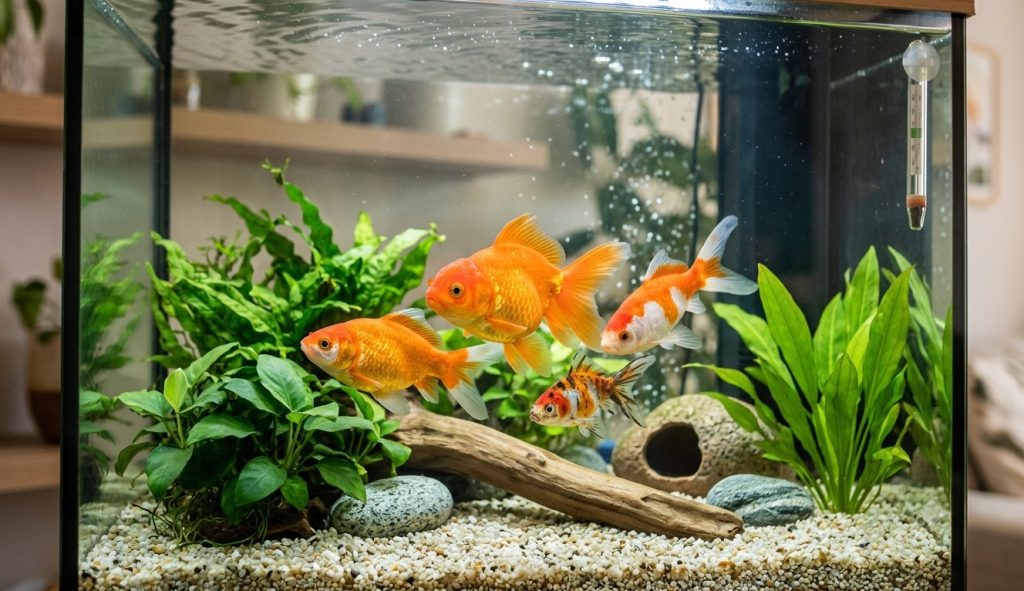
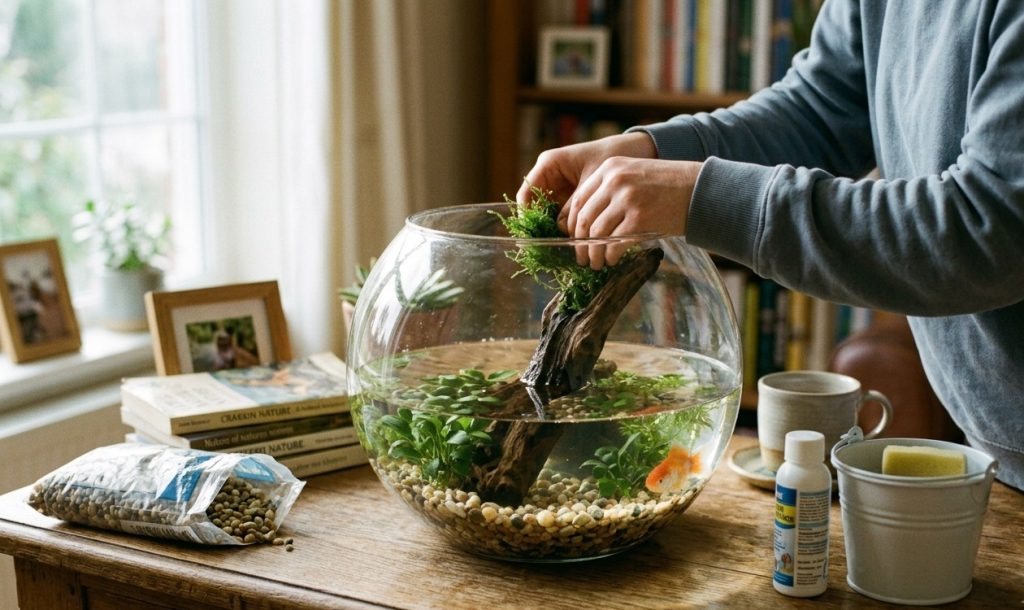
- Larger tanks reduce stress and toxins. Aim for at least 20 gallons for one fantail and 10 gallons extra per additional fish.
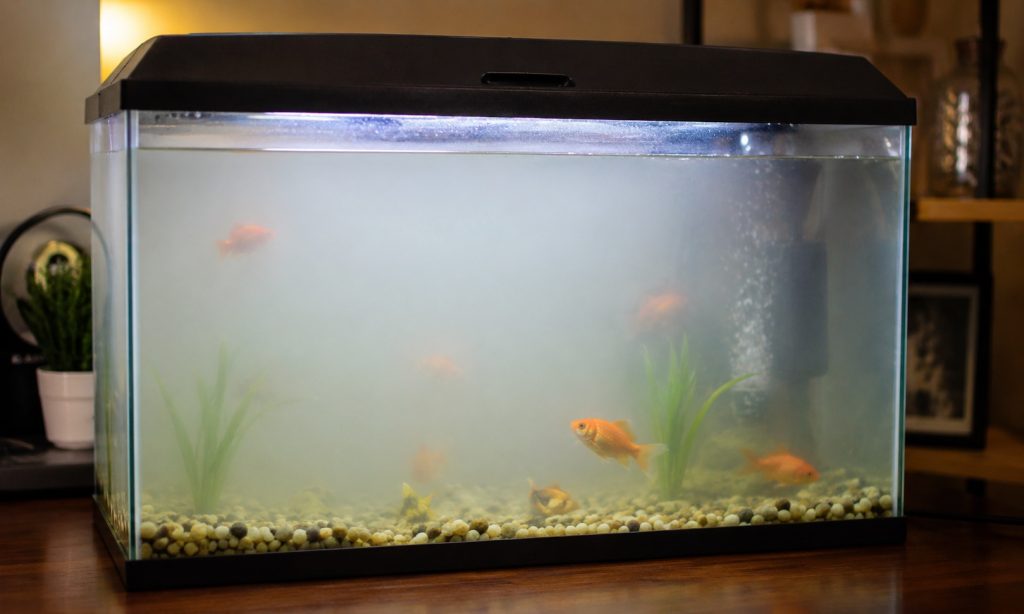
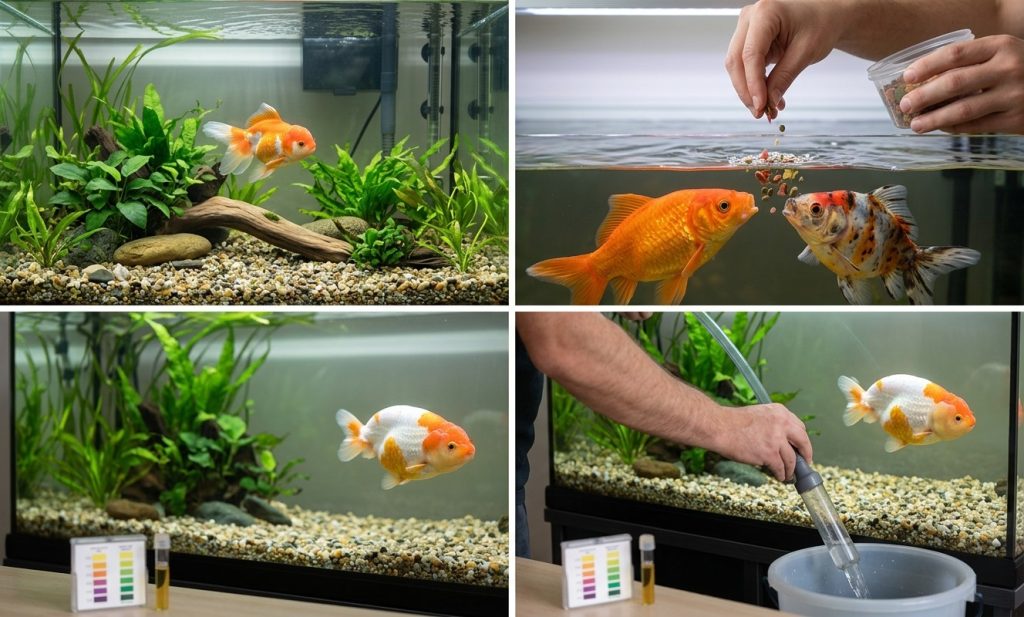
- Maintain excellent filtration. Frequent water changes lower nitrogen compounds that stunt growth.
Diet and feeding
- Feed a varied diet: high-quality pellets, flakes, blanched vegetables, and occasional live or frozen protein.
- Avoid overfeeding. Feed small amounts 2–3 times daily and remove uneaten food.
Temperature and environment
- Keep stable temperatures between 65–75°F for steady growth.
- Provide low-stress décor and open swimming space. Stress reduces appetite and slows growth.
Health and disease control
- Quarantine new fish. Parasites and infections damage growth.
- Treat illnesses promptly and keep records of treatments.
Understanding these factors helps you influence how big do fantail goldfish get in your care.
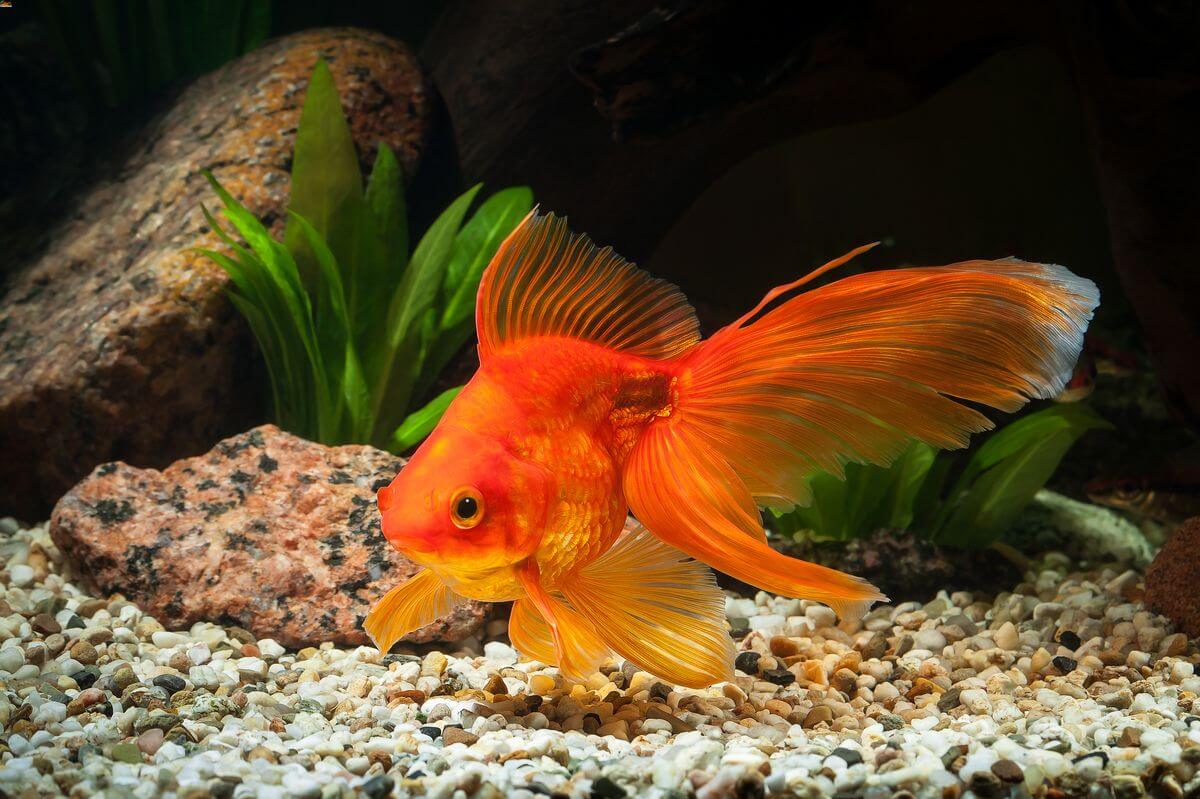
Source: aquariumsource.com
Tank and pond recommendations to maximize healthy growth
Size potential depends strongly on your setup. Follow these practical guidelines.
Aquarium recommendations
- Minimum 20 gallons for one fantail; add 10 gallons per additional fish.
- Powerful but gentle filtration. Use canister or hang-on-back filters with biological media.
- Weekly 20–30% water changes for stable chemistry.
- Provide gentle water flow; fantails prefer calm areas.
Pond recommendations
- Minimum pond size 200 gallons for small groups.
- Secure edges and netting to protect from predators.
- Seasonal management: aeration in summer and winter care if freezing occurs.
Stocking and community
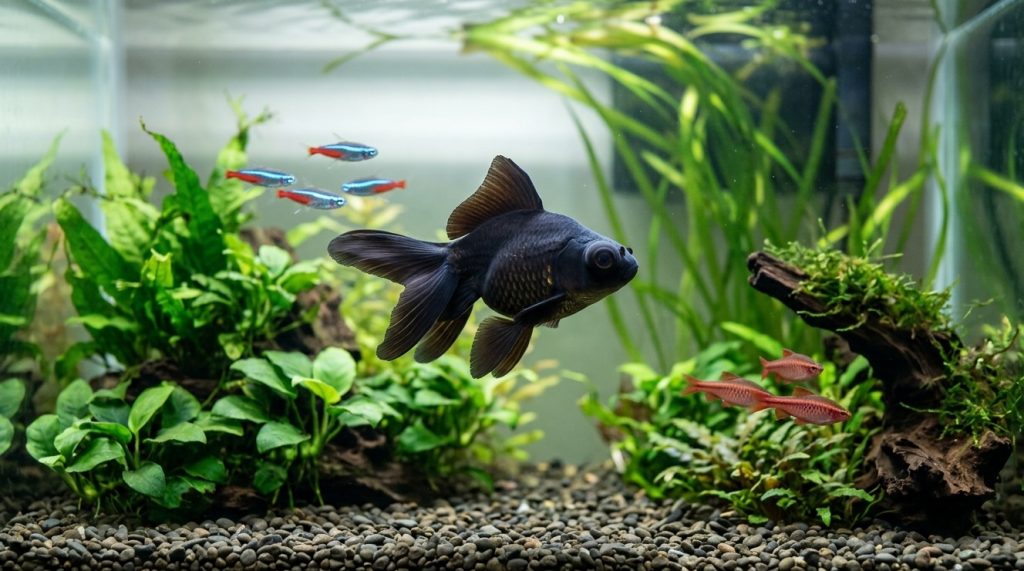
- Keep with slow, peaceful fish. Fast or nipping tankmates stress fantails.
- Avoid goldfish mixes that outcompete them for food.
These steps help your fantails reach their potential without sacrificing welfare.
Feeding plan and nutrition to support growth
A clear feeding plan influences how big do fantail goldfish get. Use quality food and routine.
Daily feeding routine
- Morning: high-quality sinking pellet or flake.
- Midday: blanched spinach, peas, or zucchini.
- Evening: protein treat once or twice weekly (daphnia, bloodworms).
Nutritional tips
- Rotate foods to prevent deficiencies.
- Use foods labeled for goldfish or coldwater species.
- Avoid excessive high-fat treats that cause swim bladder issues.
Supplements and vitamins
- Occasional vitamin supplements can help during recovery or after shipping.
- Use sparingly and follow dosage instructions.
Good nutrition supports steady, proportional growth and reduces deformities.
Common myths and mistakes about fantail growth
Many misconceptions surround how big do fantail goldfish get. Here are facts to counter myths.
Myth: Small tanks stunt growth harmlessly
- Fact: Stunting can cause short, unhealthy lives and deformities. Proper tank size is essential.
Myth: Fantails stop growing after one year
- Fact: They continue to grow for several years. Growth slows but can continue into year three and beyond.
Myth: Warmer water always means faster growth
- Fact: Higher temps increase metabolism but also stress and oxygen demand. Keep stable, suitable temperatures.
Avoid these errors to support healthy growth and longevity.

Source: reddit.com
Personal experience: lessons from keeping and breeding fantails
I bred fantails for five seasons. I worked with multiple bloodlines and tracked growth. Here are practical lessons I learned.
- Start with good breeders. Genetics matter most for maximum size.
- Bigger tanks changed everything. Fish in 100-gallon systems regularly reached 8+ inches.
- Patience matters. Rapid growth from overfeeding led to deformities in some batches.
- Monitor water chemistry weekly. Even small ammonia spikes halted growth in fry.
One memorable lesson: a group of siblings raised in different tanks showed a 30% size difference after one year. The largest group had stable water, varied diet, and ample space.
Apply these lessons to help your fantails reach healthy sizes.
Monitoring growth and recognizing problems
Track growth with simple, repeatable methods. This helps you answer how big do fantail goldfish get for your specific fish.
How to measure
- Use a soft tape from snout to tail base.
- Measure monthly and record numbers.
Warning signs of poor growth
- Loss of appetite.
- Lethargy or gasping.
- Bent spine or swim bladder issues.
If problems appear, check water, diet, and test for disease. Quarantine and treat as needed.
Cost and timeline considerations
Growing a fantail to its full size takes time and investment. Expect the following.
- Timeline: 2–3 years for mature size; many reach near-adult size in 12–18 months with good care.
- Costs: larger tanks, better filtration, and quality food increase initial costs but reduce health issues.
- Long-term care: goldfish can live 10–15 years with proper care, so plan for ongoing maintenance.
Understanding costs and time helps you set realistic expectations about how big do fantail goldfish get and what it takes to get them there.
SEO-friendly recap of the essentials
- How big do fantail goldfish get? Most reach 4–8 inches; outliers may reach 10–12 inches.
- Key drivers: genetics, tank/pond size, water quality, diet, and health.
- Best practices: choose reputable breeders, provide ample space, feed a varied diet, and maintain stable water conditions.
- Timeline: expect significant growth in the first 1–3 years, with continued slow growth later.
Following these steps will help your fantails grow healthy and strong.
Frequently Asked Questions of How Big Do Fantail Goldfish Get
How fast do fantail goldfish grow in their first year?
Fantails grow quickly in their first 6–12 months, often reaching 3–4 inches with proper care. Growth slows after the first year but continues gradually for several years.
Can fantail goldfish reach 12 inches in an aquarium?
Reaching 12 inches in an aquarium is rare. Very large tanks and ideal conditions can produce exceptionally large individuals, but 10–12 inches usually requires pond conditions.
Does tank size limit how big fantail goldfish get?
Yes. Small tanks raise waste and stress, which can stunt growth and harm health. Larger tanks allow fuller growth and better long-term health.
Will feeding more make my fantail grow bigger?
Overfeeding can cause health problems and deformities. A balanced, varied diet and proper portion control support healthy, proportional growth.
At what age do fantails reach full size?
Many fantails reach near-full size by 2–3 years. Some continue slow growth after that, depending on genetics and environment.
Are pond-kept fantails always bigger than tank-kept ones?
Ponds give more space and often produce larger fish, but ponds carry extra risks like predators and temperature swings. Proper tanks with good care can still produce large fantails.
Conclusion
Fantail goldfish typically grow to 4–8 inches, with better care and space allowing some to reach 10–12 inches. How big do fantail goldfish get depends on genetics, tank size, water quality, diet, and consistent care. Use the guidelines here to plan your setup, choose healthy stock, and feed wisely.
Take action now: assess your tank or pond, improve filtration and diet where needed, and track growth monthly. Share your experiences or questions in the comments to learn from others and refine your approach to raising healthy, well-proportioned fantails.