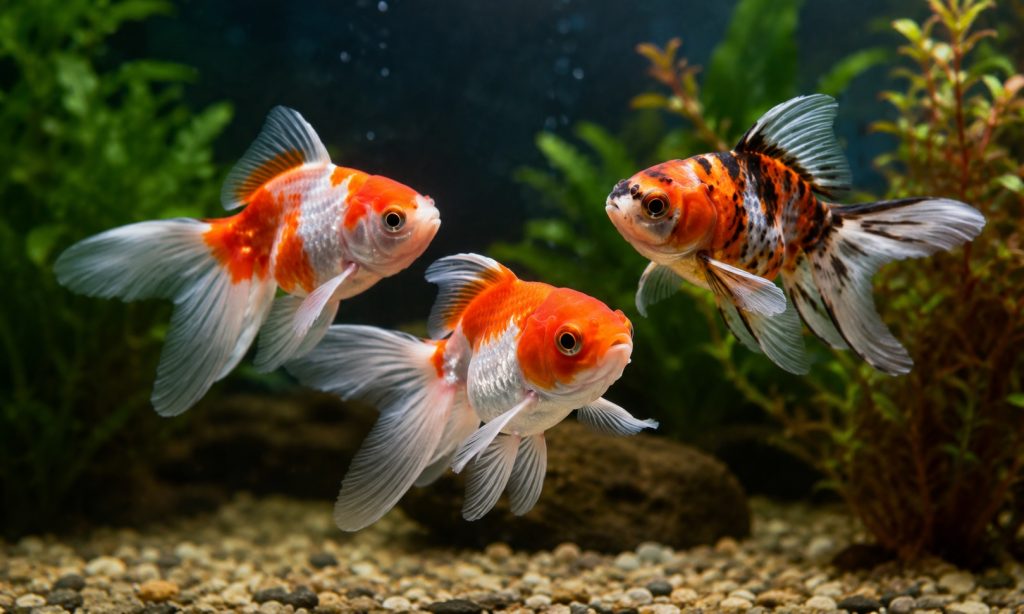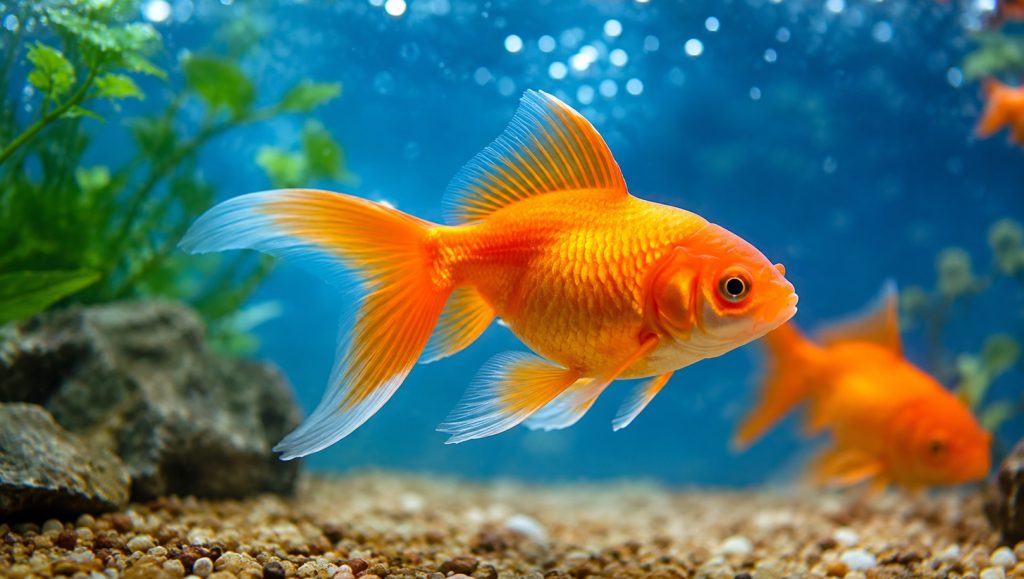
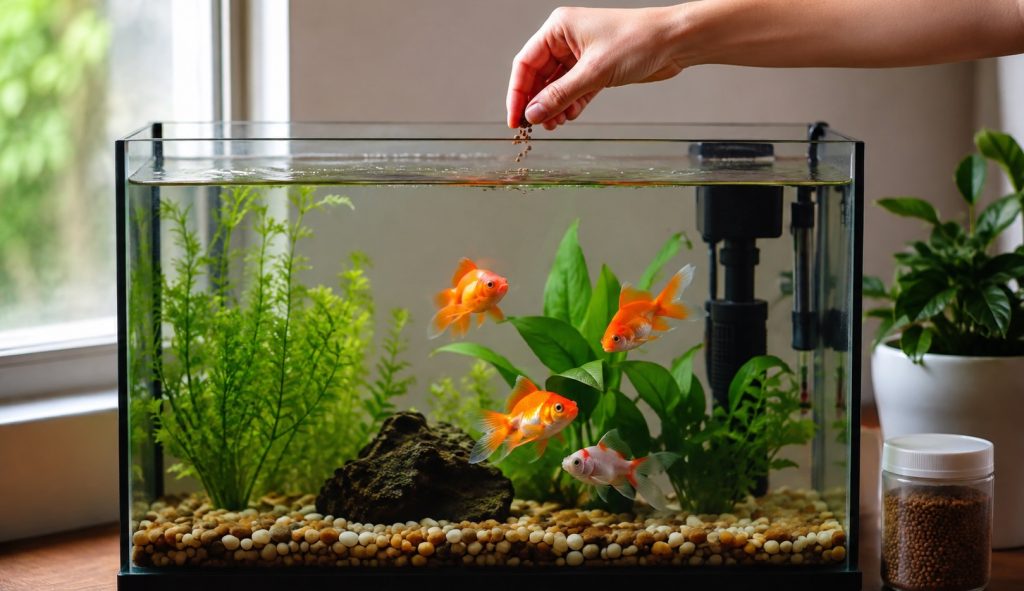
Provide clean, stable water, proper diet, and enough space for healthy goldfish.
I have kept and cared for many goldfish over the years, and I know what it takes to keep them thriving. This guide on How to Care for Goldfish draws on hands-on experience, best practices, and practical tips to help beginners and hobbyists alike set up the right tank, maintain water quality, feed well, prevent disease, and enjoy healthy, active fish. Read on for clear steps, common mistakes to avoid, and actionable routines you can use today.
Understanding goldfish basics
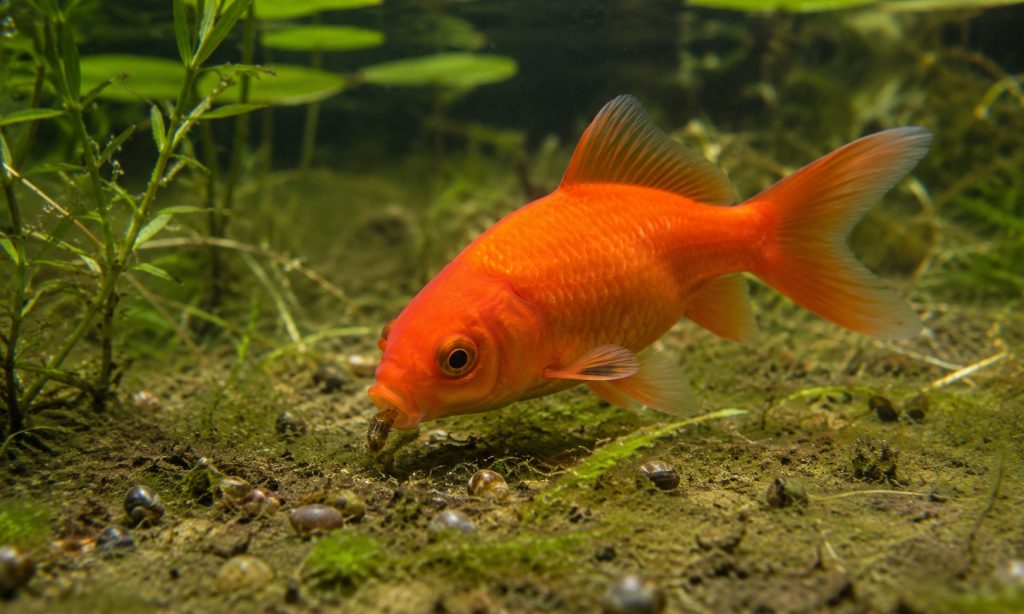
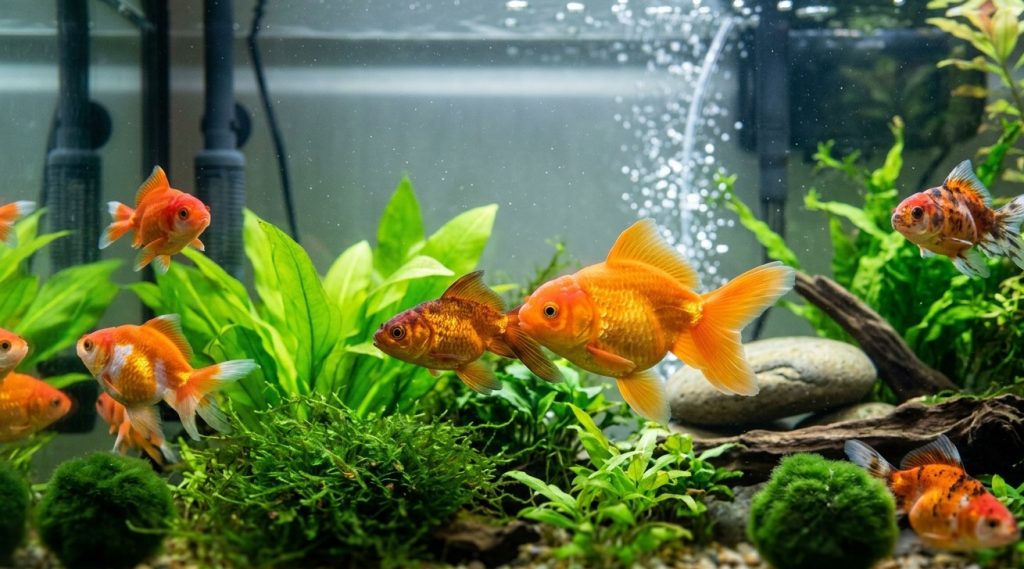
How to Care for Goldfish starts with knowing what goldfish are and what they need. Goldfish are coldwater freshwater fish that grow steadily and can live many years with good care. They are social and curious but need space, clean water, and a steady diet to avoid disease and stunted growth.

Aquarium setup and equipment
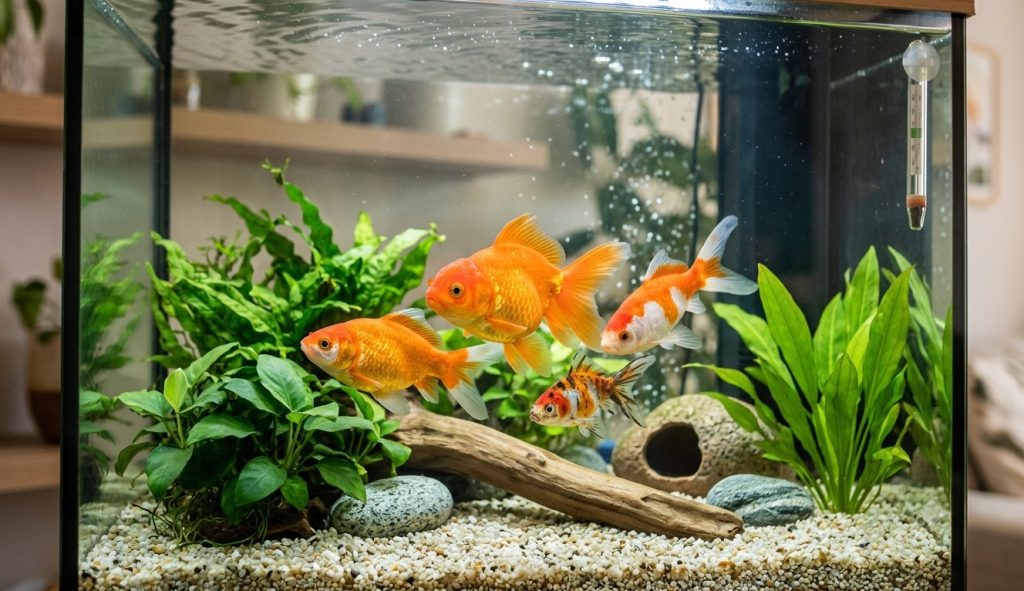
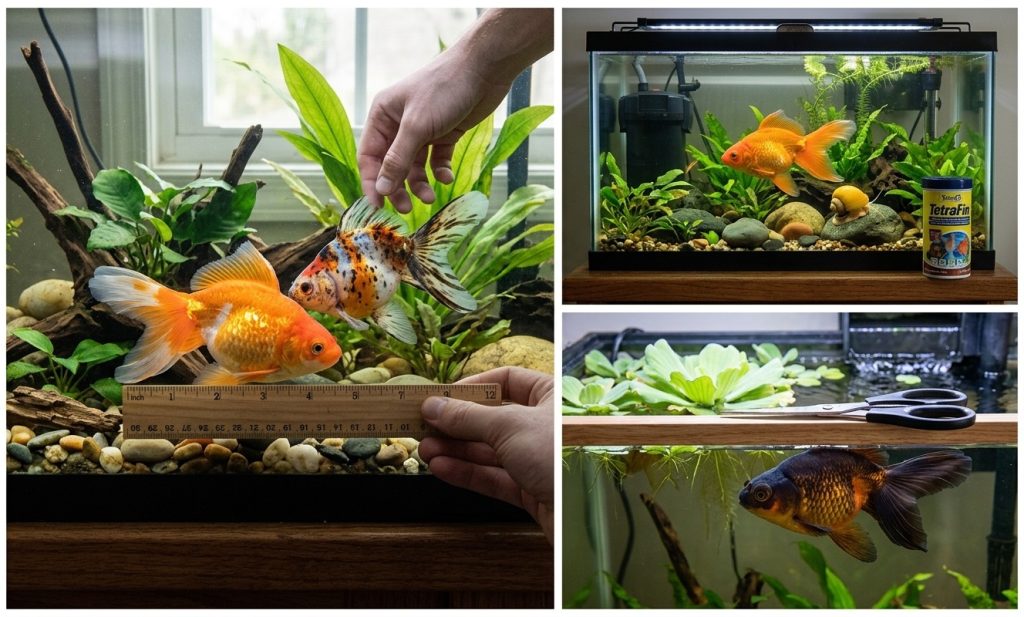
How to Care for Goldfish depends heavily on the right tank and gear. Choose a tank size of at least 20 gallons for one common goldfish and add 10 gallons for each additional goldfish. Use a filter rated for the tank’s volume and provide gentle flow; goldfish produce a lot of waste and need strong biological filtration.
Essential equipment:
- Tank large enough for adult size and swimming space.
- Filter with biological, mechanical, and chemical media.
- Air pump or sponge filter for oxygenation.
- Thermometer to monitor water temperature.
- Gravel or bare-bottom substrate and some hiding spots.
Set up the tank before adding fish. Cycle the tank for 4–6 weeks to establish beneficial bacteria; this reduces ammonia spikes when fish arrive.
Water quality and maintenance
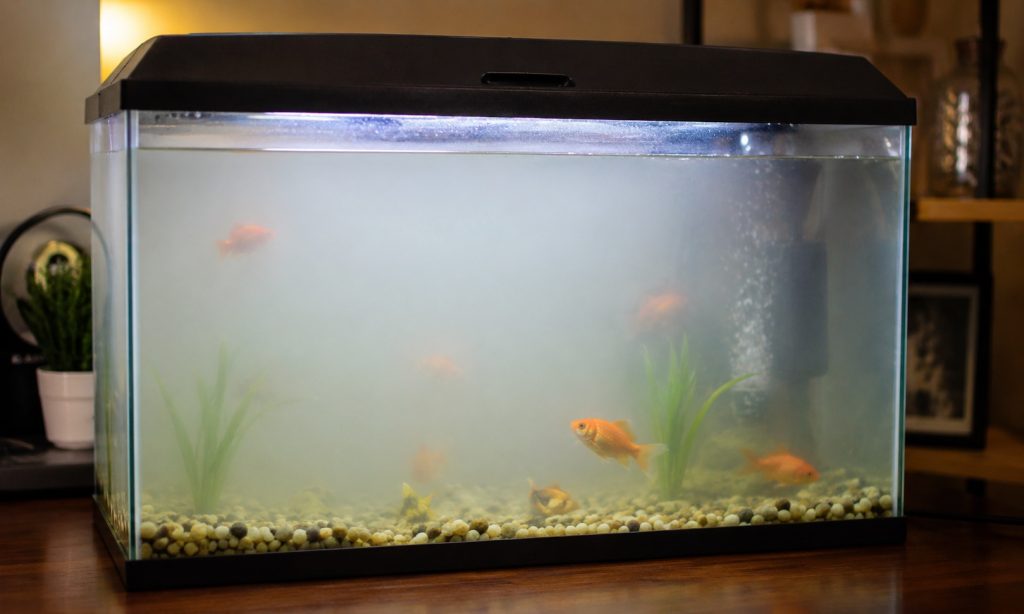
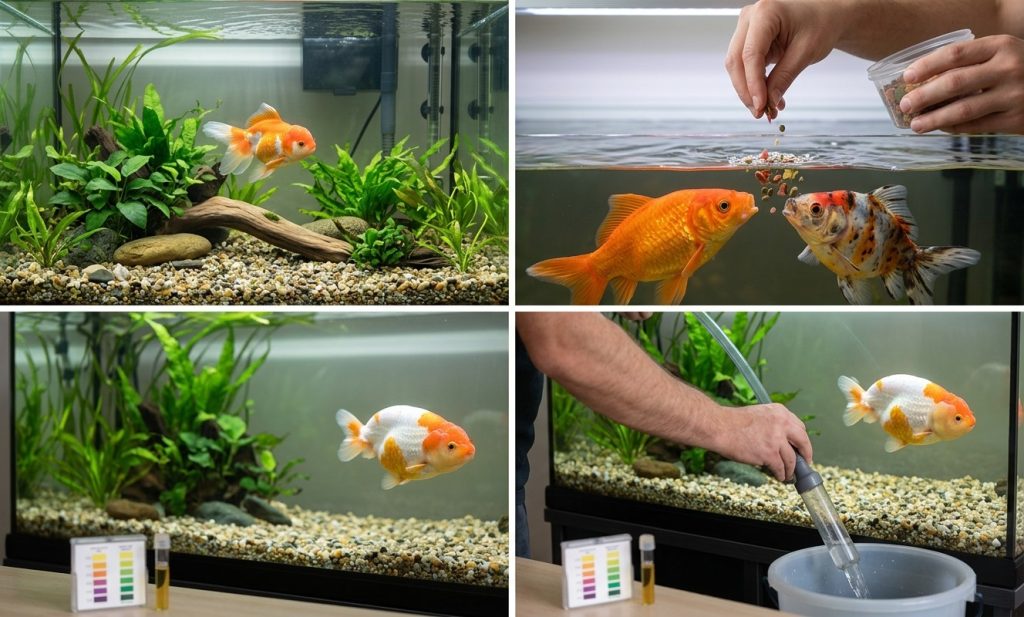
How to Care for Goldfish means keeping water stable and clean. Test water weekly for ammonia, nitrite, nitrate, and pH. Aim for ammonia 0 ppm, nitrite 0 ppm, nitrate below 40 ppm, and pH near neutral (6.5–8.0 depending on your local water).
Regular maintenance:
- Change 20–30% of the water weekly for healthy tanks.
- Use a dechlorinator for tap water to remove chlorine and chloramine.
- Vacuum gravel to remove waste and uneaten food.
- Replace filter media per manufacturer guidelines but avoid changing all media at once.
I learned the hard way that skipping water changes causes slow decline. Weekly partial changes keep fish bright, active, and disease-free.
Feeding and nutrition
How to Care for Goldfish requires a balanced feeding plan. Feed high-quality goldfish pellets or flakes designed for coldwater fish. Include occasional fresh or blanched vegetables like peas (shelled) and leafy greens for fiber.
Feeding tips:
- Feed small amounts 1–2 times daily, only what they eat in 2 minutes.
- Avoid overfeeding; excess food causes ammonia spikes.
- Use sinking pellets for bottom-feeding breeds and floating flakes for fancy varieties.
- Offer protein treats (daphnia, brine shrimp) weekly for variety.
Routine and portion control are more important than fancy diets. A steady, measured approach prevents bloating and poor water quality.

Tank mates and social behavior
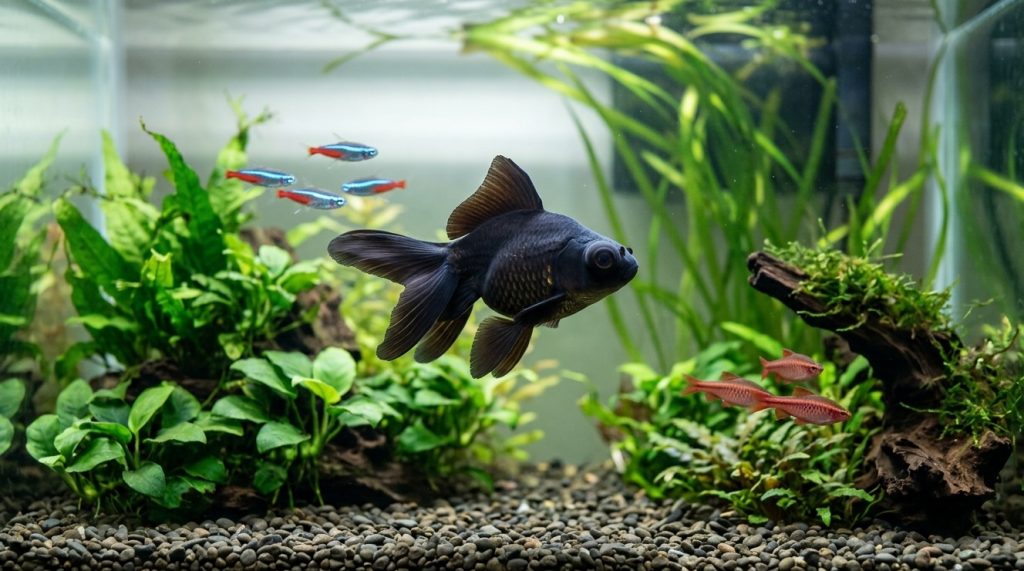
How to Care for Goldfish involves choosing compatible tank mates or keeping them alone. Most goldfish do best with other goldfish of similar size and temperament. Avoid tropical fish that need warmer water and aggressive species that nip fins.
Good tank mate rules:
- Match temperature and space needs.
- Avoid small, delicate fish that goldfish may eat or stress.
- Provide hiding spots and open swimming areas.
Goldfish often show social behavior. I once added a shy companion and saw both fish become more active within days. Watch interactions and separate fish if aggression appears.
Health, disease prevention, and treatment
How to Care for Goldfish includes watching for signs of stress and illness. Common signs include clamped fins, white spots, lethargy, abnormal swimming, or loss of appetite. Early detection improves treatment success.
Prevention and care:
- Keep water parameters stable and clean.
- Quarantine new fish for 2–4 weeks before adding them to the main tank.
- Observe fish daily for changes in color, behavior, or appetite.
- Treat common illnesses with targeted medication, salt dips, or water changes as advised.
If symptoms persist, consult a vet or experienced aquarist. Accurate diagnosis matters; wrong treatments can harm fish or filter bacteria.

Common mistakes and troubleshooting
How to Care for Goldfish means avoiding simple, common errors. New owners often under-size tanks, overfeed, or skip cycling. These mistakes lead to poor water quality and short fish lives.
Troubleshooting tips:
- If ammonia or nitrite spikes, do immediate partial water changes and check filter function.
- If fish gasp at the surface, test oxygen and ammonia levels and increase aeration.
- If fins appear torn, check tank mates for nipping and remove aggressors.
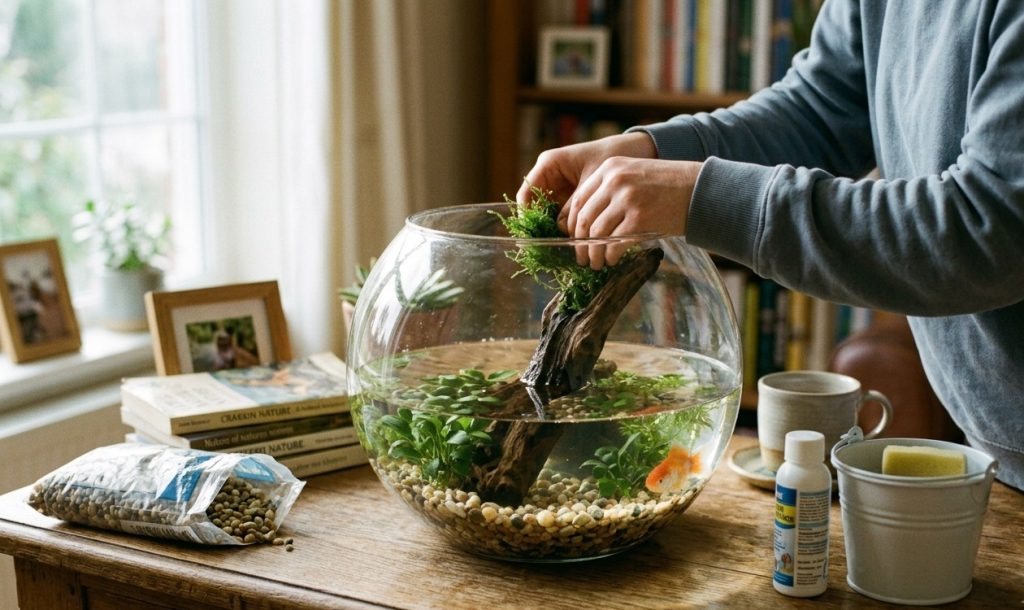
I once kept a fancy goldfish in a small bowl; it became sick within weeks. The lesson: space and filtration beat aesthetics every time.

Breeding, lifespan, and enrichment
How to Care for Goldfish can include breeding plans and long-term goals. Goldfish can live 10–20 years or more with proper care; some live over 30 years. Breeding is possible in home tanks but requires space, seasonal cues, and separate rearing tanks for fry.
Enrichment and long life tips:
- Provide varied environments and safe plants for exploration.
- Maintain consistent care routines to reduce stress.
- Learn basic breeding cues like temperature changes and feeding increases.
Think long-term when planning a goldfish home. Good early care pays off with years of enjoyment.
Frequently Asked Questions of How to Care for Goldfish
How often should I change my goldfish water?
Change 20–30% of the water weekly for most tanks. Increase frequency if water tests show high ammonia or nitrate.
What size tank do goldfish need?
A single common goldfish needs at least 20 gallons, plus 10 gallons per additional fish. Fancy goldfish still need generous space for healthy growth.
Can goldfish live in bowls?
Bowls are not recommended because they limit oxygen and filtration. A proper tank with a filter and heater (if needed) keeps goldfish healthier and longer-lived.
What should I feed my goldfish daily?
Feed a high-quality pellet or flake once or twice daily, only what they eat in about 2 minutes. Offer vegetables and live or frozen treats occasionally.
How do I quarantine a new goldfish?
Place new fish in a separate tank for 2–4 weeks, monitor for disease, and treat if needed before adding to the main tank. Quarantine prevents introducing pathogens to established fish.
Conclusion
Caring for goldfish is straightforward when you focus on space, clean water, steady feeding, and careful observation. Start with the right tank and filter, keep water stable with weekly partial changes, feed measured portions, and watch your fish for early signs of trouble. Take action now: set up or improve your goldfish tank with the steps above, subscribe to updates, or leave a comment with your own goldfish questions or experiences.