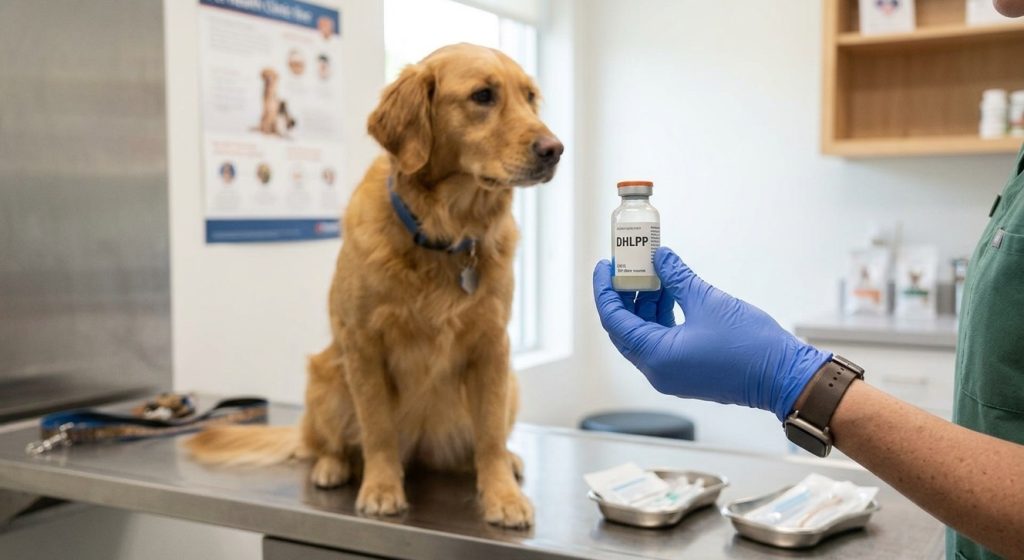
If you have ever looked at your dog’s vaccination record and wondered, “What Does DHLPP Protect Dogs Against?”, you are certainly not alone. Vaccine abbreviations can look like alphabet soup when you’re standing at the veterinary clinic trying to remember which shot does what.
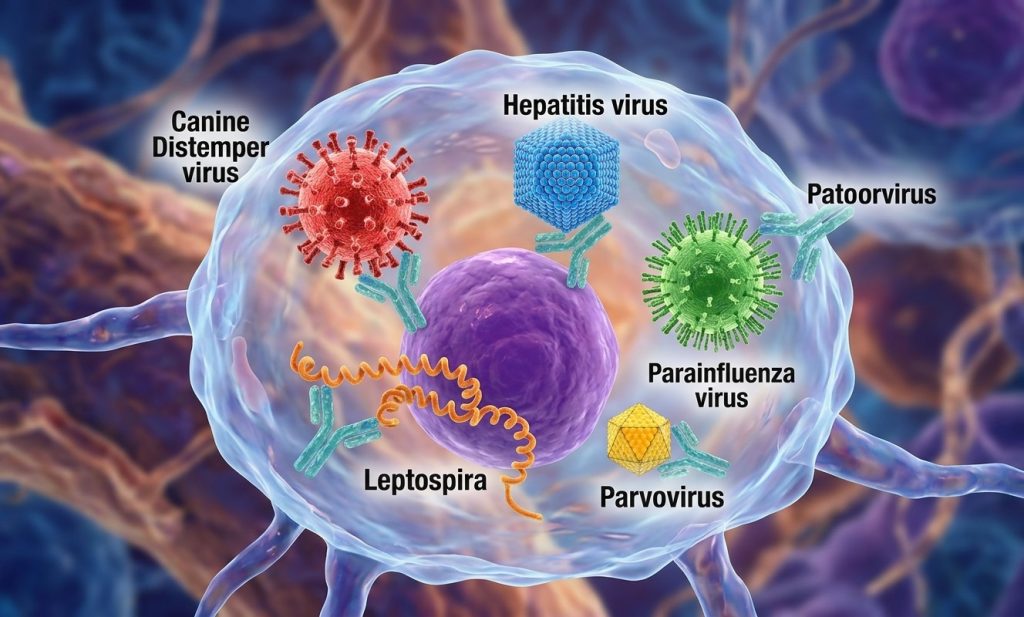
DHLPP is a combination vaccine commonly used to help protect dogs against several serious infectious diseases: canine distemper, canine adenovirus-related disease (including infectious canine hepatitis), leptospirosis, canine parvovirus, and canine parainfluenza. The exact components can vary by vaccine product, so your veterinarian’s records and the product label are the best source for knowing precisely what your dog received.
Understanding these diseases is worthwhile because several can cause severe illness, and some can spread rapidly between animals. Leptospirosis also has an important human-health angle because it is a zoonotic disease.
What Does DHLPP Stand For?
So, what does DHLPP stand for?
The abbreviation generally represents five components:
D — Distemper
H — Hepatitis/adenovirus
L — Leptospirosis
P — Parvovirus
P — Parainfluenza
These letters describe disease targets rather than five completely separate appointments. A combination vaccine can package protection against multiple pathogens into one vaccination visit.
One detail worth remembering is that vaccine terminology is not perfectly standardized. You may also see names such as DHPP, DAPP, DA2PP, or DA2LPP on veterinary records. Those abbreviations can represent somewhat different combinations. In particular, the presence of an “L” generally indicates leptospirosis protection.
D — Canine Distemper
Canine distemper is a highly contagious viral disease that can affect multiple body systems, including the respiratory, gastrointestinal, and nervous systems.
Dogs can become infected through exposure to respiratory secretions from infected animals and other forms of close contact. Wildlife can also play a role in maintaining and spreading the virus.
Distemper can be particularly devastating because a dog may initially appear to have a relatively ordinary respiratory illness before more serious neurological problems develop. Vaccination is therefore a major part of prevention. AAHA considers canine distemper a core vaccine component recommended for dogs regardless of lifestyle.
H — Hepatitis and Canine Adenovirus
The “H” in DHLPP traditionally refers to hepatitis, specifically infectious canine hepatitis.
This disease is associated with canine adenovirus, particularly canine adenovirus type 1. Vaccination commonly uses canine adenovirus type 2, which provides protection against important adenovirus-associated disease while also being used in combination canine vaccines.
Canine adenovirus can affect the liver and can also be associated with respiratory disease. The terminology can be confusing, so don’t be surprised if your veterinarian talks about “adenovirus” rather than simply saying “hepatitis.”
That distinction is one reason I recommend looking at the actual vaccine record rather than trying to decode the abbreviation alone.
L — Leptospirosis
Leptospirosis is a bacterial disease caused by organisms in the Leptospira genus.
Dogs can encounter the bacteria through infected urine or contaminated water, soil, or environments. Exposure isn’t limited to dogs who spend their days wandering through remote forests. Wildlife and rodents can bring the bacteria into suburban and urban environments as well. AAHA notes that dogs throughout North America should be considered at risk for leptospirosis.
Leptospirosis deserves special attention because it can cause serious illness involving organs such as the kidneys and liver. It is also zoonotic, meaning infected animals can potentially transmit the disease to people.
For these reasons, current AAHA guidance recommends leptospirosis vaccination as a core vaccine for dogs in North America.
P — Canine Parvovirus
Canine parvovirus is one of the diseases dog owners understandably worry about most, particularly when raising a puppy.
Parvovirus is extremely contagious and can cause severe gastrointestinal disease. Common signs include vomiting, diarrhea, lethargy, loss of appetite, and dehydration. Severe cases can become life-threatening.
The virus is also remarkably persistent in the environment. A contaminated area can remain a risk long after an infected dog has left.
Young puppies are especially vulnerable, which is why puppy vaccination programs involve a series of vaccinations rather than simply giving one shot and calling the job finished.
AAHA identifies canine parvovirus as a core vaccine component for dogs.
P — Canine Parainfluenza
The second “P” generally represents canine parainfluenza virus.
Parainfluenza is associated with respiratory disease in dogs and can be one of several infectious agents involved in what owners commonly call “kennel cough.”
A dog may encounter respiratory pathogens in places where many dogs gather, including boarding facilities, daycare centers, shelters, training environments, and dog parks.
Parainfluenza vaccination may be included in combination vaccines, although the exact product and vaccination strategy depend on the dog’s circumstances.
What Does the DHLPP Vaccine Protect Dogs Against?
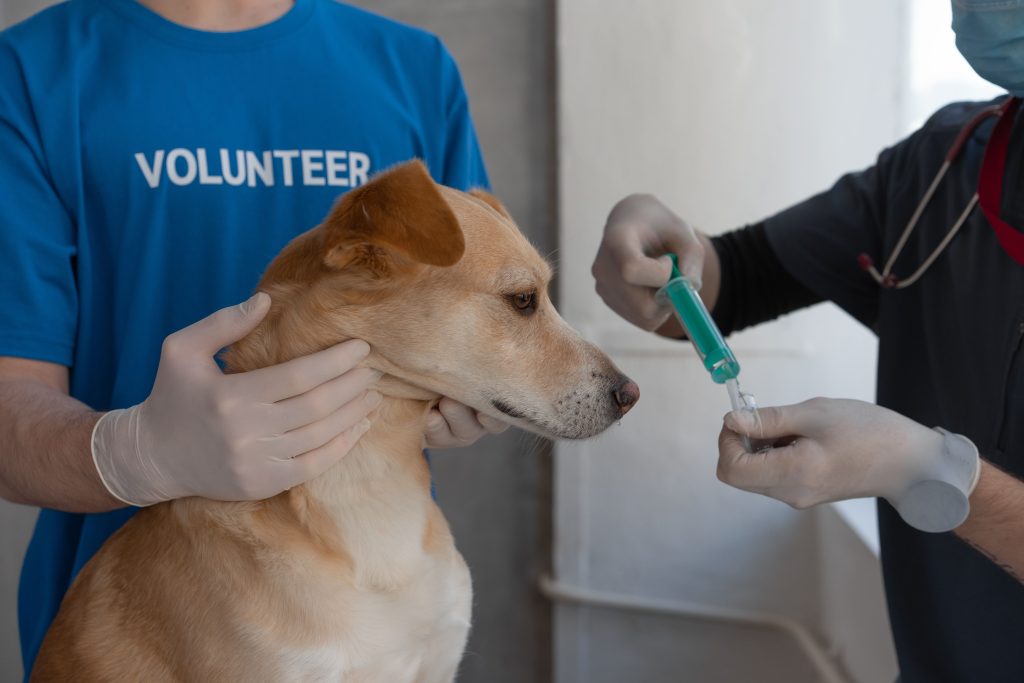
So, what does the DHLPP vaccine protect against?
In general, a DHLPP combination vaccine is intended to provide protection against:
- Canine distemper
- Canine adenovirus/infectious canine hepatitis
- Leptospirosis
- Canine parvovirus
- Canine parainfluenza
|
DHLPP Component |
Main Disease Concern |
Why It Matters |
| D | Canine distemper | Can affect respiratory, gastrointestinal, and nervous systems |
| H | Adenovirus/infectious canine hepatitis | Can cause serious systemic and liver disease |
| L | Leptospirosis | Can cause serious kidney and liver disease and is zoonotic |
| P | Canine parvovirus | Can cause severe gastrointestinal illness, especially in puppies |
| P | Canine parainfluenza | Contributes to infectious respiratory disease |
The important caveat is that not every vaccine labeled with similar abbreviations contains precisely the same components. Always check your dog’s vaccination record or ask your veterinarian if you want to know exactly what was administered.
Why Is the DHLPP Vaccine Important for Dogs?
Vaccination is primarily about prevention. Once a dog develops a serious infectious disease, treatment may be difficult, expensive, and sometimes unsuccessful.
Distemper and parvovirus, for example, can cause severe illness and death. Leptospirosis can damage vital organs and can affect humans as well. Preventing these diseases is far preferable to trying to manage them after infection occurs.
Current AAHA guidance identifies distemper, adenovirus, parvovirus, leptospirosis, and rabies as core vaccines for dogs, while parainfluenza may be included in combination vaccines and considered according to the dog’s circumstances.
IMO, this is one of those areas of pet care where prevention makes much more sense than waiting for a problem to announce itself.
DHLPP vs. DHPP: Are They the Same?
This is a common source of confusion.
DHPP generally refers to:
- Distemper
- Hepatitis/adenovirus
- Parvovirus
- Parainfluenza
The “L” in DHLPP indicates leptospirosis.
However, veterinary vaccine terminology varies by manufacturer and product. You may encounter DA2PP or another abbreviation instead of DHLPP or DHPP.
The safest approach is not to assume that two abbreviations mean exactly the same thing. Ask the veterinary team which pathogens the specific vaccine covers.
This is especially useful when reviewing an older vaccination record, adopting a dog with incomplete records, or transferring care to a new veterinarian.
When Should Puppies Get DHLPP?
Puppies don’t simply receive one vaccine and become permanently protected overnight.
Puppy vaccination generally involves a series of doses because antibodies received from the mother can interfere with a puppy’s response to vaccination during the early weeks of life.
AAHA’s guidance recommends beginning core combination vaccination during puppyhood and repeating doses at intervals determined by age and circumstances. The puppy series is particularly important because maternal antibodies decline at different rates, leaving a period when a puppy can be susceptible to infection.
That is why your veterinarian may recommend several puppy appointments.
Do not stop the vaccination series simply because your puppy looks perfectly healthy. Looking healthy and being protected against highly contagious viruses are two very different things.
Why Puppy Vaccination Requires Careful Timing
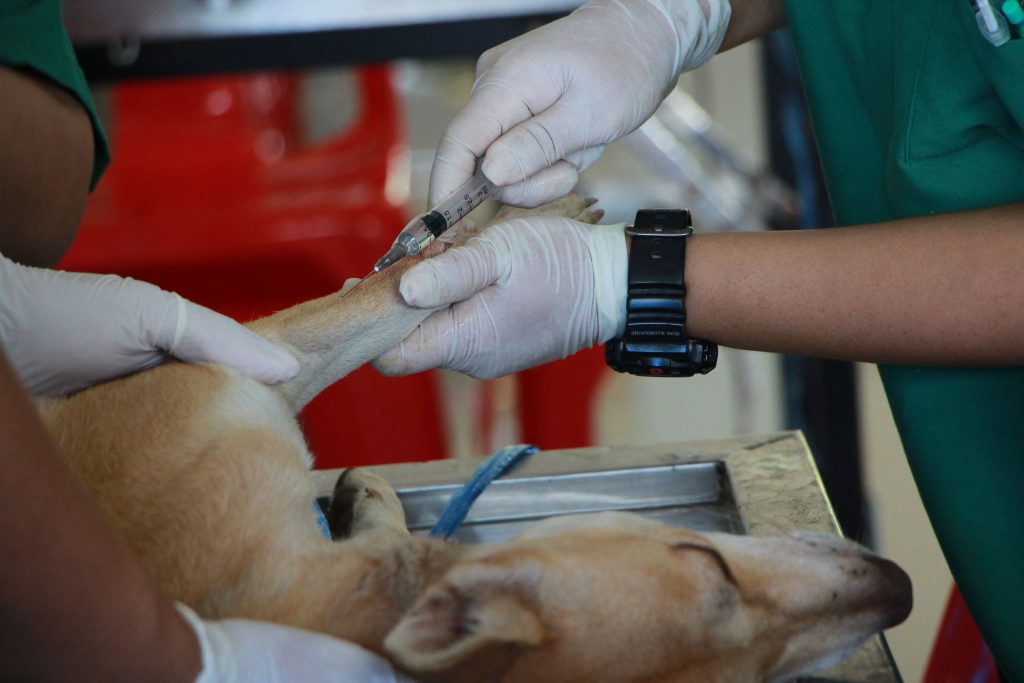
The goal is to provide protection while accounting for maternal antibodies and the puppy’s developing immune system.
Your veterinarian may consider:
- The puppy’s age
- Previous vaccination dates
- Vaccine product
- Health status
- Local disease risk
- Exposure to other dogs
- Whether the puppy lives in a shelter or household environment
AAHA also provides separate recommendations for shelter environments because disease exposure can be considerably higher in those settings.
How Often Do Adult Dogs Need DHLPP?
There isn’t one universal answer to how often dogs need DHLPP.
Different vaccine components can have different recommended booster intervals. AAHA guidance, for example, recommends a booster within one year after the initial core combination series and subsequent boosters at longer intervals for certain core viral components, while leptospirosis vaccination has a different schedule.
The exact plan may also depend on the vaccine product, your dog’s medical history, lifestyle, and risk of exposure.
So if your dog’s vaccination reminder says something is due, don’t assume every vaccine automatically needs an annual injection—or that every vaccine can safely be skipped for years. Your veterinarian can determine what is actually appropriate.
FYI, vaccination schedules have become more nuanced over time. Modern veterinary recommendations don’t simply treat every vaccine as an identical yearly requirement.
DHLPP Vaccine Side Effects
Most dogs tolerate vaccination well, but mild reactions can occur.
A dog may temporarily experience:
- Soreness at the injection site
- Mild tiredness
- Slightly reduced appetite
- Mild fever
- Temporary reluctance to exercise
These effects generally resolve without treatment, but your veterinarian can advise you about what is normal for the specific vaccine your dog received.
More serious reactions are uncommon, but they can happen.
Contact a veterinarian promptly if your dog develops concerning signs such as:
- Significant facial swelling
- Difficulty breathing
- Collapse
- Severe weakness
- Repeated vomiting
- Other signs of a severe allergic reaction
If your dog has previously experienced a vaccine reaction, tell the veterinarian before future vaccinations. The veterinary team can consider that history when planning future care. AAHA notes that vaccine reactions do occur occasionally and that serious reactions are uncommon.
Can Every Dog Receive DHLPP?
Vaccination decisions should be individualized.
Your veterinarian may consider your dog’s:
- Age
- Overall health
- Previous vaccine history
- Previous vaccine reactions
- Lifestyle
- Travel plans
- Geographic exposure
- Contact with other dogs
- Wildlife or rodent exposure
- Boarding or daycare activities
A dog that spends most of its time indoors may have a different exposure profile from a dog that regularly hikes, swims in natural water, boards frequently, or travels between states.
That does not mean an indoor dog automatically needs fewer vaccines. Some infectious diseases can reach dogs in ordinary household environments, and AAHA recommends core vaccines based on broad disease risk rather than simply whether a dog is adventurous.
If your dog is currently ill, tell the veterinarian before vaccination rather than deciding on your own whether the appointment should proceed.
Does DHLPP Include Rabies?
No. Rabies is not represented by any of the letters in DHLPP and is generally administered as a separate vaccination.
Rabies deserves special attention because it is a fatal disease once clinical signs develop and because vaccination is subject to laws and regulations that vary by jurisdiction.
The AAHA canine vaccination guidelines identify rabies as a core vaccine, with vaccination requirements determined by applicable laws.
So if you see DHLPP on your dog’s record, don’t assume your dog’s rabies vaccination is included. Check the record for a separate rabies vaccination.
Does Law require DHLPP?
This is another situation where recommended and legally required do not necessarily mean the same thing.
DHLPP itself is not universally required by law across every location in the United States.
Rabies vaccination, however, is subject to state and local requirements, and those requirements can differ.
Other vaccines may be strongly recommended because of your dog’s health risks, lifestyle, or exposure environment even when they are not legally mandated.
If you’re moving, traveling, boarding your dog, or enrolling in daycare, check the applicable requirements and speak with your veterinarian ahead of time.
When Should You Talk to Your Veterinarian?
A veterinary appointment is especially worthwhile if:
- You have a new puppy.
- You recently adopted an adult dog.
- Your dog’s vaccination history is unknown.
- Your dog’s vaccines are overdue.
- You are unsure which vaccine your dog previously received.
- Your dog has had a vaccine reaction.
- You plan to travel with your dog.
- Your dog will attend boarding or daycare.
- Your dog frequently encounters wildlife or other dogs.
- Your dog has a health condition that could affect vaccination decisions.
Your dog has a health condition that could affect vaccination decisions.
If you’re looking at an old vaccination record and thinking, “I have absolutely no idea what half of these abbreviations mean,” that’s a perfectly reasonable reason to ask the veterinary staff. 🙂
Frequently Asked Questions
What does DHLPP stand for in dogs?
DHLPP commonly stands for distemper, hepatitis/adenovirus, leptospirosis, parvovirus, and parainfluenza. The exact components can vary among vaccine products, so the specific product record should be checked for confirmation.
What does the DHLPP vaccine protect against?
The DHLPP vaccine commonly protects dogs against diseases associated with canine distemper, adenovirus/infectious canine hepatitis, leptospirosis, canine parvovirus, and canine parainfluenza.
Is DHLPP the same as DHPP?
Not necessarily. DHPP generally does not include the “L” component for leptospirosis, while DHLPP generally indicates that leptospirosis is included. Product names and formulations can vary, so check the vaccine label or veterinary record.
How often does a dog need the DHLPP vaccine?
The schedule depends on the dog’s age, vaccination history, health, lifestyle, exposure risk, and the specific vaccine used. Different vaccine components can also have different booster intervals. Your veterinarian should determine the appropriate schedule.
Does DHLPP protect dogs against rabies?
No. Rabies is not part of DHLPP. Rabies vaccination is generally administered separately and is subject to applicable state and local laws.
Final Words
If you’ve been wondering “What Does DHLPP Protect Dogs Against?”, the short answer is that DHLPP commonly refers to protection against distemper, adenovirus/infectious canine hepatitis, leptospirosis, parvovirus, and parainfluenza.
These aren’t trivial illnesses. Several can cause severe or potentially fatal disease, particularly in vulnerable dogs. Leptospirosis also matters from a public-health perspective because it can affect people.
At the same time, vaccination shouldn’t be approached as a one-size-fits-all checklist. Vaccine products differ, individual dogs have different health histories, and booster recommendations vary by vaccine component and risk.
The best next step is simple: bring your dog’s vaccination record to your veterinarian and ask which vaccines are currently due and why. A few minutes of conversation can save a lot of confusion later—and, more importantly, help keep your dog protected.
Sources
American Animal Hospital Association (AAHA), 2022 AAHA Canine Vaccination Guidelines, updated guidance.
AAHA, Recommendations for Core and Noncore Canine Vaccines.
AAHA, Key Vaccination: Leptospirosis.
AAHA, Key Vaccination: Canine Distemper Virus.