Goldfish need a clean, appropriately sized tank, stable water conditions, good food, and regular care.
I have kept and cared for goldfish for years and helped many new owners set up healthy tanks. This guide answers What Do Goldfish Need with clear, practical steps and evidence-based tips. Read on to learn tank size, water care, feeding, enrichment, common mistakes, and how to keep your goldfish thriving.
Understanding the basics of what do goldfish need
Goldfish are carp relatives that live for many years when cared for properly. Knowing what do goldfish need starts with recognizing they are active, messy fish that require space and stable water. Owners who treat goldfish like bowl decorations often see poor health and short lives.
Goldfish vary by breed and size, and what do goldfish need depends on that variety. Single-tail commons and comets grow large and need much more space than fancy types. Understanding these differences is the first step to good care.
Common questions new owners ask about what do goldfish need:
How much space do goldfish need?
Most single-tail goldfish need at least 20 gallons for the first fish plus 10 gallons per additional fish to allow growth and reduce waste.
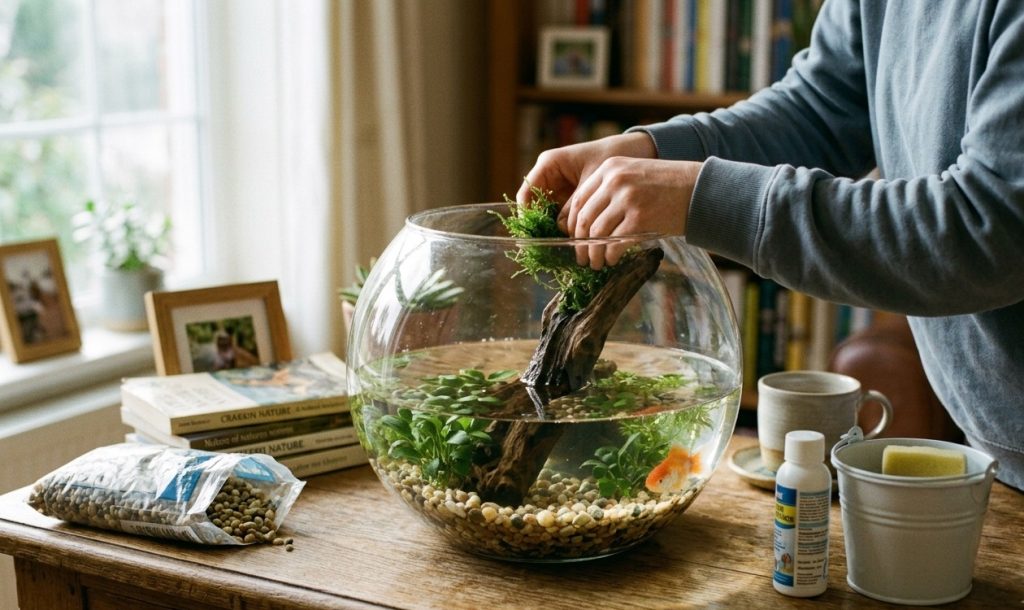
Can goldfish live in bowls?
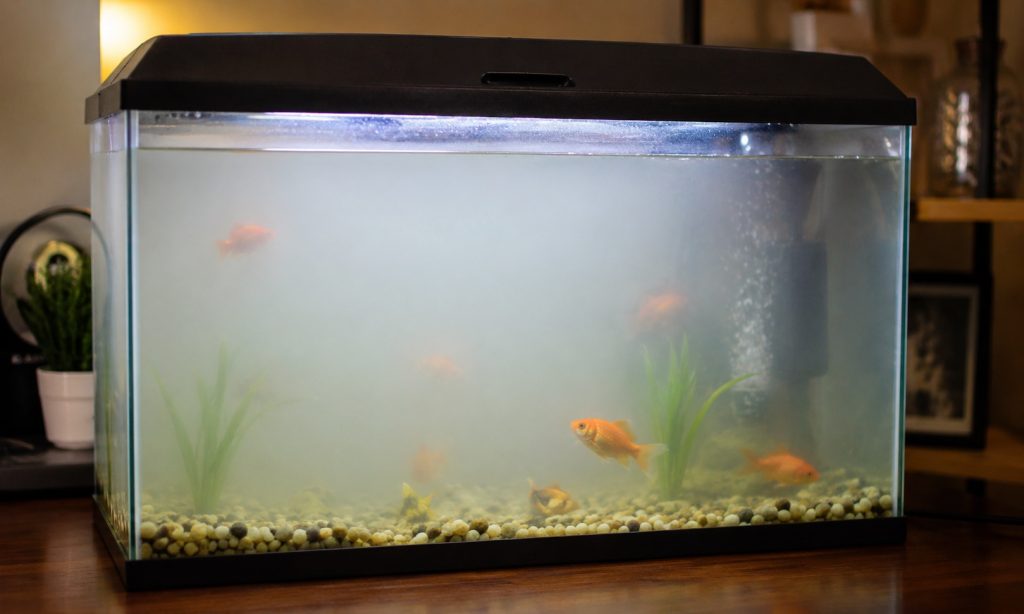
Bowls are too small to maintain stable water quality and oxygen levels; they are not suitable for long-term goldfish care.

Source: org.au
Do goldfish need a heater?
Goldfish are cold-water fish and usually do not need a heater if room temperature stays stable between 65°F and 75°F. Tropical heaters can stress them if temperatures get too high.
Tank and habitat requirements for what do goldfish need
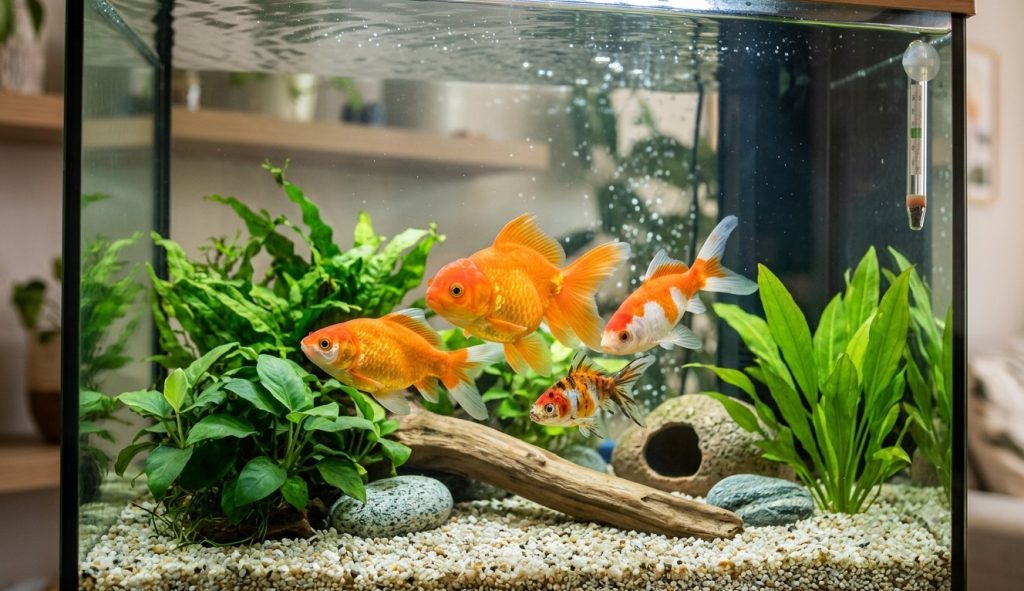
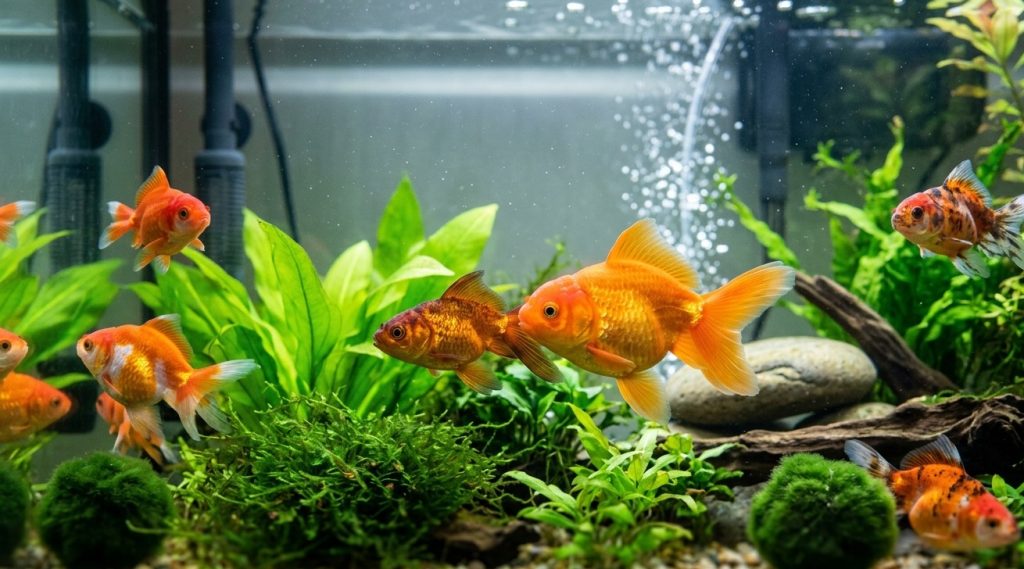
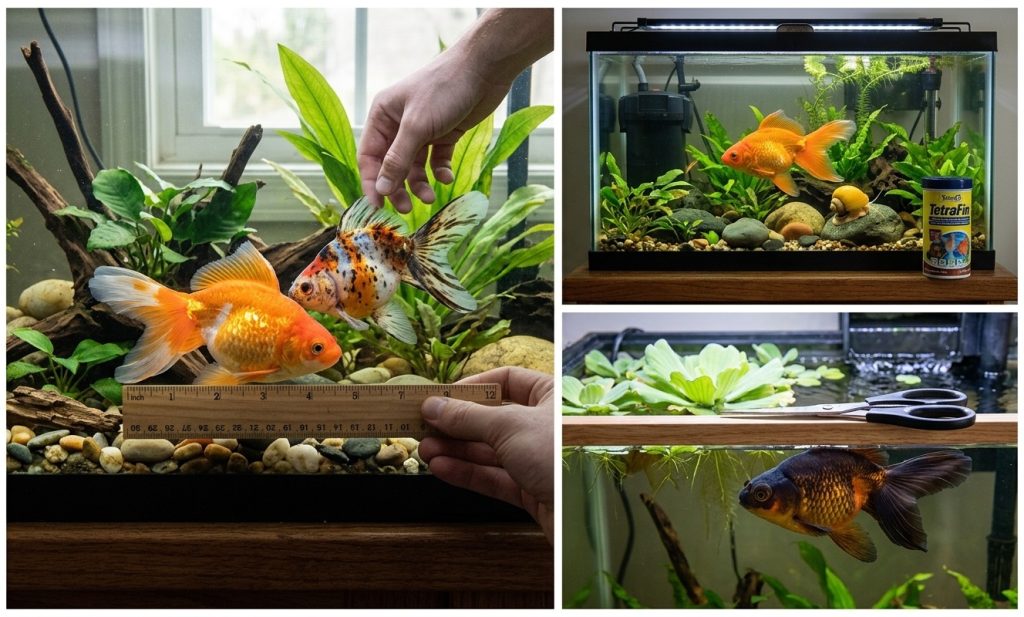
A proper tank is the foundation of what do goldfish need. Size matters: aim for at least 20 gallons for one small goldfish and add 10 gallons per extra fish. Bigger tanks buffer water chemistry and allow healthier growth.
Substrate and decor matter for comfort and safety. Use smooth gravel or sand and avoid sharp ornaments that can harm fins. Provide open swimming areas and low, sturdy plants for hiding and grazing.
Set up a lid or hood to prevent jumping and maintain steady light. Use LED lighting on a timer to mimic day-night cycles; 8 to 10 hours of light per day is usually ideal. This helps regulate behavior and supports beneficial algae and plant life.
Water quality and filtration: the core of what do goldfish need
Goldfish produce a lot of waste, so filtration is key to what do goldfish need. Choose a filter rated for a tank larger than yours to handle biological and mechanical filtration. Canister or hang-on-back filters with biological media work well.
Test and maintain water parameters regularly. Keep ammonia and nitrite at 0 ppm and nitrate below 40 ppm. Aim for pH between 7.0 and 8.4 and stable temperature in the 65°F–75°F range. Regular partial water changes remove waste and replenish minerals.
Cycling a tank before adding fish prevents toxic spikes and is essential to what do goldfish need. Allow beneficial bacteria to establish for several weeks, or use bacteria starters and slow stocking to avoid stress.
Diet and nutrition: feeding advice for what do goldfish need
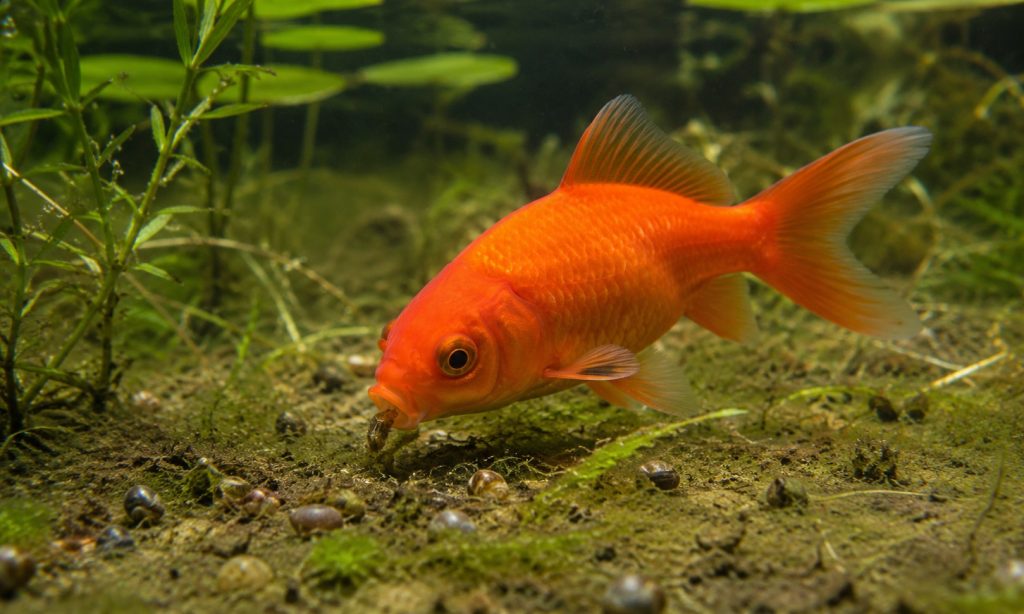
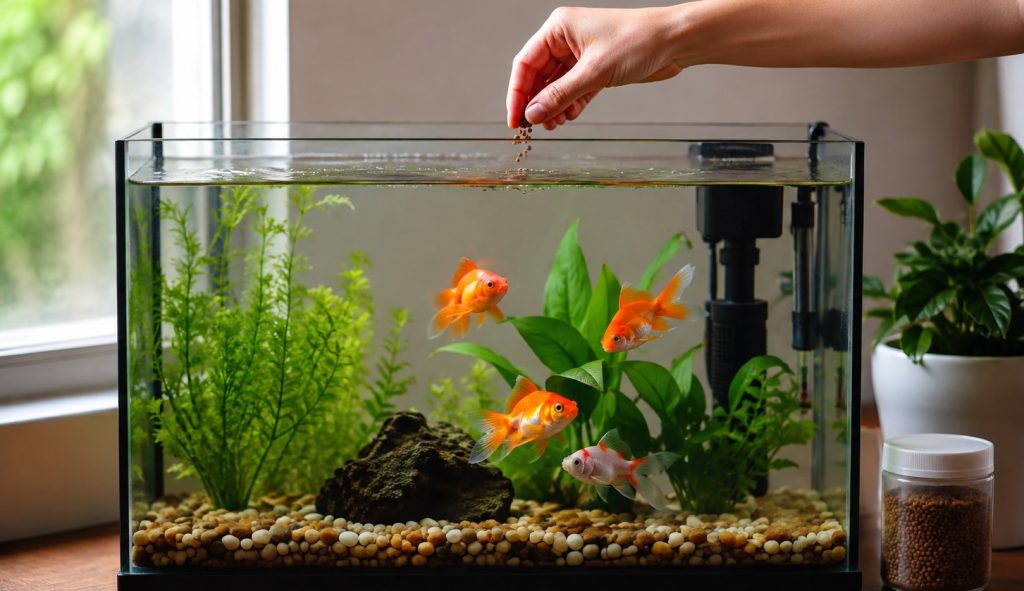
A balanced diet is central to what do goldfish need. Offer high-quality goldfish pellets or flakes as a staple, then supplement with fresh or blanched vegetables and occasional protein treats. Rotate foods to prevent deficiencies.
Feed small amounts once or twice daily and only what they can consume in two minutes to avoid overfeeding. Overfeeding contributes to poor water quality and obesity, both common problems in goldfish care.
Good supplemental foods for what do goldfish need include:
- Blanched peas to aid digestion
- Spinach or lettuce for fiber
- Frozen or live daphnia and brine shrimp as protein treats

Source: youtube.com
Health, disease prevention, and routine care for what do goldfish need
Preventive care is a major part of what do goldfish need. Regular observation, water testing, and gentle handling reduce stress and disease risk. Quarantine new fish for two to four weeks to prevent introducing pathogens.
Watch for common signs of illness: cloudy eyes, frayed fins, white spots, listlessness, or reduced appetite. Early intervention and water quality correction often resolve many problems without medication.
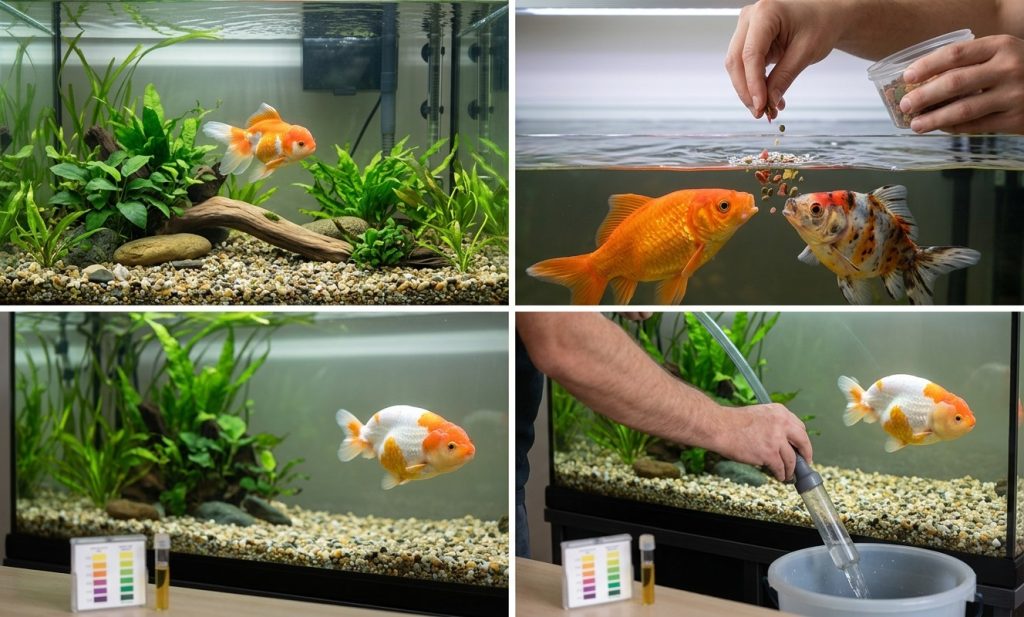
Keep a maintenance schedule for weekly partial water changes, monthly filter checks, and routine tank inspections. Record water tests to spot trends before they become emergencies.

Source: reddit.com
Behavior, enrichment, and social needs for what do goldfish need
Goldfish are social and curious, so enrichment is part of what do goldfish need. They enjoy exploring, foraging, and gentle interaction. Provide varied decor, live or silk plants, and occasional food puzzles to keep them engaged.
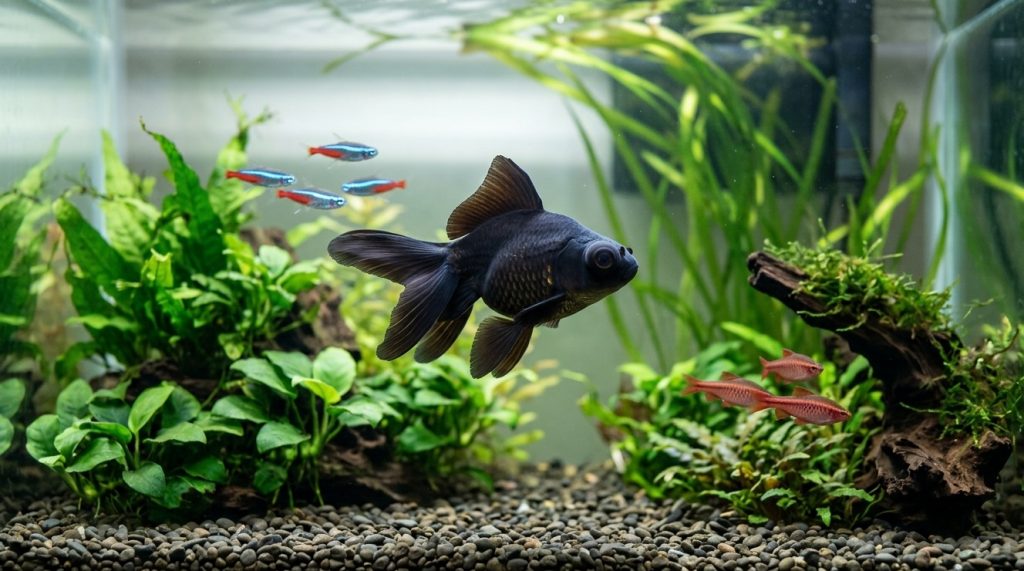
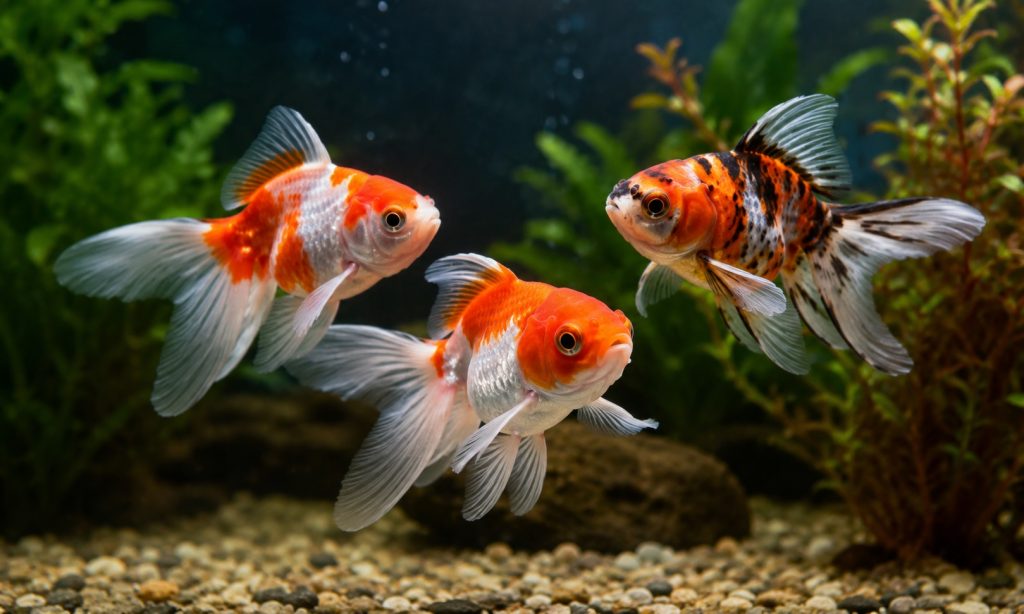
Some goldfish do well alone; others prefer companions. Match fish by size and swimming style and avoid overcrowding. Social enrichment reduces stress and supports natural behaviors.
Recognize boredom and stress signs: constant hiding, aggressive chasing, or repetitive swimming. Adjust the environment, add stimulation, or check water quality if these behaviors appear.
Setting up your first tank: step-by-step checklist for what do goldfish need
A clear setup checklist helps ensure you meet all core needs for what do goldfish need. Follow these steps when starting:
- Choose a tank size of at least 20 gallons for the first fish.
- Place the tank on a level, sturdy stand away from direct sun and drafts.
- Add smooth substrate, gentle filtration, and decor.
- Fill with treated tap water and start the filter.
- Cycle the tank for 2–6 weeks until ammonia and nitrite are zero.
- Introduce one healthy goldfish and monitor water daily for a week.
Keep a simple log of temperature and water tests during the first month. This helps catch problems early and builds good care habits.
Common mistakes and how to avoid them when learning what do goldfish need
Many owners accidentally fail to provide what do goldfish need. Common mistakes include keeping goldfish in small bowls, underestimating their waste production, overfeeding, and skipping water tests. These lead to short lifespans and illness.
Avoid shortcuts by planning for long-term care. Buy a larger tank than you think you need, invest in a good filter, and commit to weekly maintenance. I once learned this the hard way after losing fish to poor water quality; upgrading the tank and following a test routine fixed recurring issues.
Be transparent about limits: if you travel often or cannot do weekly care, consider a quiet, low-maintenance setup or get a trusted caregiver.
Personal tips from experience on what do goldfish need
From hands-on experience, patience is the single best tool for learning what do goldfish need. Slow stocking, daily short checks, and simple routines prevent most problems. I recommend starting with one fish in a well-filtered 20–30 gallon tank to build confidence.
Keep feeding simple at first: quality pellets, a pea weekly, and occasional frozen treats. Track results and adjust based on behavior. Mistakes are normal—learn from them and adapt rather than making drastic changes.
Frequently Asked Questions of What Do Goldfish Need
How big should a goldfish tank be?
Aim for at least 20 gallons for one small goldfish and add 10 gallons per additional fish to allow growth and stable water chemistry.
What water temperature do goldfish need?
Goldfish thrive in 65°F–75°F. Stability matters more than exact degrees, so avoid rapid temperature swings.
How often should I feed my goldfish?
Feed once or twice daily only what they can eat in two minutes to prevent overfeeding and water quality issues.
Do goldfish need a filter and how strong should it be?
Yes, filters are essential. Choose a filter rated for a larger tank than yours to handle waste and maintain clear water.
Can I keep different types of goldfish together?
Mix similar types by size and swimming style. Fancy goldfish and fast single-tails may not share well due to different needs.
Conclusion
Good goldfish care is manageable when you know what do goldfish need: space, clean and stable water, balanced food, enrichment, and regular attention. Start with the right tank, follow a simple maintenance plan, and adjust based on your fish’s behavior. Make one small improvement today—set up a proper filter, schedule weekly water checks, or switch to a balanced pellet—and you’ll see big benefits. Share your experiences, ask questions below, or subscribe for more practical care guides.