
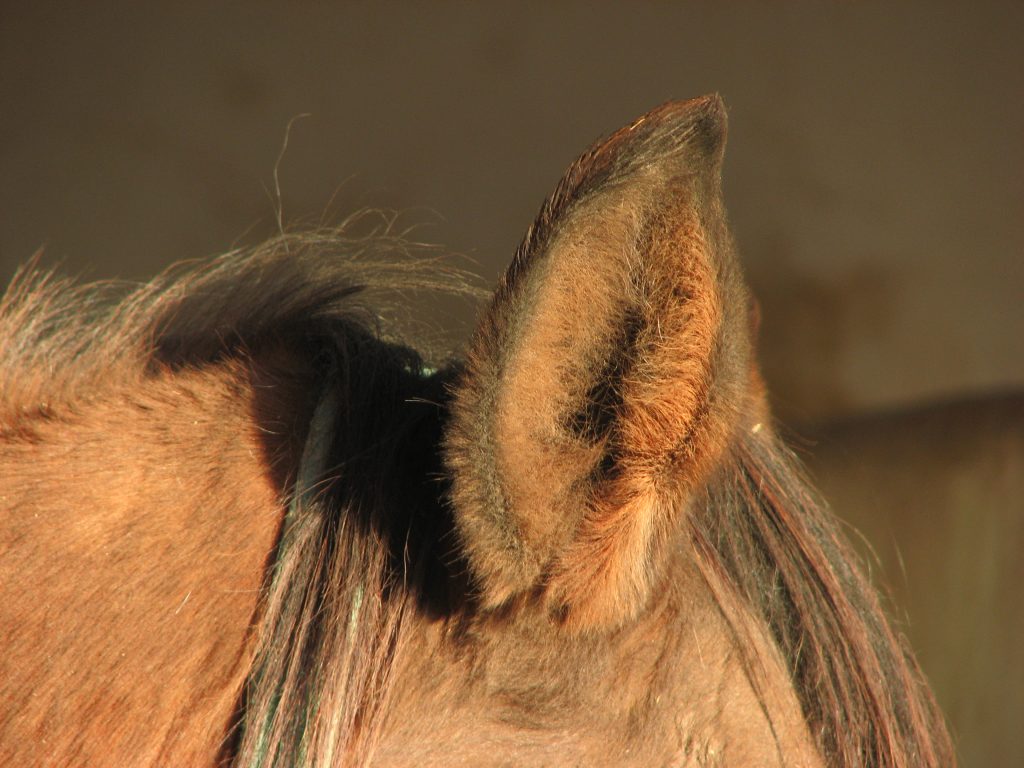
Your horse turns an ear toward a noise, shakes off a fly, and goes back to grazing. Those constantly moving ears collect dust, but they also have natural protection. If you are searching for the best horse ear cleaner, the smartest first decision is whether any liquid product is needed at all. Most healthy horse ears are largely self-cleaning. Aggressive flushing or deep rubbing can do more harm than good. A slightly damp cloth on the accessible ear flap may be enough for ordinary surface dirt. The products below are different: several contain medicated or acidic ingredients that belong in a veterinarian-guided care plan. We compare five distinct, currently identifiable options whose listings include horses or describe multi-animal use, rather than filling the list with dog-only formulas. You will also learn which warning signs call for an equine veterinarian and why simple grooming and treatment should not be confused.
Affiliate disclosure: As an Amazon Associate, PetAdvisorPro earns from qualifying purchases.
Quick Picks: Horse Ear-Care Products Compared
| Product | Best For | Key Advantage | Buy | |
|---|---|---|---|---|
| TrizULTRA + Keto Flush, 12 fl oz | Veterinarian-directed antifungal care | Fragrance-free multi-species formula | View on Amazon | Jump to Review |
| Truseb Advanced Topical Ear Wash, 12 oz | Veterinarian-supervised medicated formulation | Ketoconazole and chlorhexidine | View on Amazon | Jump to Review |
| MalAcetic Ultra Otic Cleanser, 2 fl oz | Small medicated bottle | Equine-labeled otic cleanser | View on Amazon | Jump to Review |
| MalAcetic Otic Cleanser, 8 fl oz | Non-steroid acidic cleanser to discuss with a vet | Acetic and boric acid formulation | View on Amazon | Jump to Review |
| Vetericyn Plus Antimicrobial Ear Rinse, 3 oz | Multi-animal hypochlorous option | No alcohol or steroids listed | View on Amazon | Jump to Review |
Before You Buy: Do Horse Ears Need Cleaning?
Equine ears are normally self-cleaning, and the hairs inside help exclude dirt and insects. Do not clip away protective hair or spray solution deep into an ear. If necessary, wipe only accessible surfaces gently with a barely damp cloth; avoid alcohol and cotton swabs. A horse with pain, persistent head shaking, odor, abnormal discharge, or a head tilt needs veterinary examination rather than a blind trial of different cleaners.
1. TrizULTRA + Keto Flush, 12 fl oz

What We Like
- Explicitly labeled for horses
- Fragrance-free formulation
- Larger 12-ounce bottle
- Cleansing flush format
What We Don’t Like
- Not a routine grooming necessity
- Veterinary guidance advisable
TrizULTRA + Keto Flush is one of the clearer multi-species options for owners comparing ear products because its Amazon product identity explicitly names horses alongside dogs and cats. The 12-fluid-ounce bottle offers more product than a small trial-size option, which may make sense when your veterinarian has given a specific cleaning plan. Its fragrance-free positioning may be appealing when you want to avoid adding a noticeable scent around a horse that already dislikes ear handling. However, a larger bottle is not automatically better: most healthy equine ears need little cleaning, and a product designed to flush ears should not be poured into a horse’s canal simply because wax or dust is visible near the opening. The important distinction is between cleaning reachable outer surfaces and managing a suspected ear disorder. Those are not interchangeable jobs.
The manufacturer-positioned antifungal purpose puts this product closer to a veterinary care discussion than an everyday barn grooming wipe. Before use, ask an equine veterinarian whether this precise formulation is appropriate for your horse, whether the eardrum and canal need examination, and how the product should be applied. The direction on a bottle intended for several animal species should not replace species-specific instruction. If your horse tosses its head, objects to touching one ear, has discharge, or develops a foul odor, do not interpret those signs as proof that a cleanser is all it needs. Avoid cotton swabs, aggressive rubbing, and deep insertion of nozzles. Choose this only when the clinical purpose is established; otherwise a barely damp cloth on the accessible ear flap is a simpler starting point.
My Recommendation
TrizULTRA + Keto Flush, 12 fl oz is best considered for veterinarian-directed antifungal care, subject to your equine veterinarian approving the exact formulation and method. If the goal is ordinary surface grooming, avoid medicated flushing and favor a gentle cloth instead.
2. Truseb Advanced Topical Ear Wash, 12 oz

What We Like
- Listing includes horses
- Ketoconazole listed at 0.2%
- Chlorhexidine listed at 0.2%
- 12-ounce presentation
What We Don’t Like
- Scent may be undesirable
- Medicated actives warrant vet input
The Truseb Advanced Topical Ear Wash listing identifies a combination of ketoconazole and chlorhexidine, with concentrations reported as 0.2% each. Its product title includes horses even though much of the listing language focuses on dogs and cats, a reminder to check the current package and speak to your veterinarian before treating a horse. The 12-ounce bottle and wash format might look convenient beside other grooming supplies, but the active ingredients are the decisive feature here, not bottle size. An antimicrobial cleanser is not the same as a gentle cloth for routine dirt around the visible flap. If the concern is only a little dust after turnout, introducing a medicated wash can be unnecessary and potentially uncomfortable. When there is persistent odor, unusual discharge, or tenderness, the more useful first purchase may be a veterinary examination rather than another topical product.
Truseb also describes a cucumber-melon scent and aloe in the product information. Those details may matter to some owners, but scent and soothing language do not establish that the formula is comfortable or safe for a particular horse’s ear. Never assume that a dog-ear dosing instruction is appropriate for a horse, especially when the ear canal has not been evaluated. A veterinarian can distinguish debris from infections, mites, foreign material, or skin disease and determine whether these active ingredients are indicated. Ask for hands-on instructions rather than directing liquid deep into the canal yourself. If your horse is head-shy, prioritize calm handling and stop when resistance increases. This is a conditional option for an identified need, not a universal winner for healthy horses or a substitute for diagnosis.
My Recommendation
Truseb Advanced Topical Ear Wash, 12 oz is best considered for veterinarian-supervised medicated formulation, subject to your equine veterinarian approving the exact formulation and method. If the goal is ordinary surface grooming, avoid medicated flushing and favor a gentle cloth instead.
3. MalAcetic Ultra Otic Cleanser, 2 fl oz

What We Like
- Horse use appears in product title
- Compact 2-ounce size
- Manufacturer publishes ingredient details
- Otic-specific formulation
What We Don’t Like
- Contains medicated ingredients
- Small bottle for extended treatment
MalAcetic Ultra Otic Cleanser stands apart through a clearly equine-inclusive Amazon title and a compact 2-fluid-ounce presentation. Its manufacturer lists acetic acid, hydrocortisone, ketoconazole, and a ceramide complex, making it distinctly different from ordinary water-based surface grooming. Those ingredients have specific purposes, and they also make a veterinarian’s judgment especially important before using it around a painful or inflamed ear. The small bottle could suit a short, professionally prescribed course or a situation where storing a large volume would make little sense. It should not be selected merely because a horse’s ears appear dusty after a ride. When shopping, compare the precise product name and packaging rather than relying on broad claims that any ear cleaner can be used on every animal. A product’s availability does not tell you whether it is right for your horse’s symptoms.
For horses that dislike ear handling, a small bottle can be easier for an owner to manage, but application technique and the animal’s comfort matter more than container size. Never squirt medication into an unexamined ear or treat a discharge without first confirming what is causing it. Some ear treatments may be inappropriate when the eardrum is damaged, and product selection should follow the veterinarian’s findings. Ask whether the cleaner is meant for the external canal, how much to use, whether it must be kept away from particular tissues, and when to stop. If signs persist, do not simply repeat applications indefinitely. This is best considered a targeted, professional-guided option. For normal ears, leaving their protective hairs intact and wiping accessible surface dirt only when necessary remains the less intrusive approach.
My Recommendation
MalAcetic Ultra Otic Cleanser, 2 fl oz is best considered for small medicated bottle, subject to your equine veterinarian approving the exact formulation and method. If the goal is ordinary surface grooming, avoid medicated flushing and favor a gentle cloth instead.
4. MalAcetic Otic Cleanser, 8 fl oz

What We Like
- Horse suitability noted in features
- 8-ounce bottle
- Cleansing and drying purpose
- Ingredients identified in listing
What We Don’t Like
- Acidic solution not for every ear
- Apple fragrance may be a drawback
The regular MalAcetic Otic Cleanser is not the same product as MalAcetic Ultra. This 8-fluid-ounce Amazon listing identifies boric acid and acetic acid in its title and says the formulation is suitable for horses in its feature information. The distinction matters because products sharing a brand prefix can have different actives and different intended uses. Its cleansing, drying, and degreasing positioning may be relevant to an equine veterinarian who is already treating a specific ear condition. However, a drying solution is not automatically desirable for an ear that is irritated, injured, or simply showing a little ordinary debris. Check the packaging, manufacturer directions, and veterinary advice before adding it to a horse-care routine. The apple-fragrance description may also be worth considering for animals that react to unfamiliar smells during grooming.
Compared with the Ultra formulation, this listing presents a different ingredients profile and a larger bottle. That makes it a genuine formulation alternative rather than merely another size of the same item, but it does not establish which one will work better for your horse. Selection should depend on the diagnosis, sensitivity, and condition of the ear. A horse that shakes its head repeatedly, guards one ear, or has material draining from the canal should be assessed instead of having repeated rinses performed at home. Do not use a syringe, swab, or bottle tip to reach deeper than you can safely see. For uncomplicated surface dirt, a slightly damp soft cloth can avoid exposing the ear canal to unnecessary liquid. Consider this cleanser only after confirming its purpose and the instructions appropriate for your animal.
My Recommendation
MalAcetic Otic Cleanser, 8 fl oz is best considered for non-steroid acidic cleanser to discuss with a vet, subject to your equine veterinarian approving the exact formulation and method. If the goal is ordinary surface grooming, avoid medicated flushing and favor a gentle cloth instead.
5. Vetericyn Plus Antimicrobial Ear Rinse, 3 oz

What We Like
- Listing describes all-animal suitability
- Alcohol-free positioning
- No steroid ingredients listed
- Compact 3-ounce bottle
What We Don’t Like
- Horse-specific directions not shown
- Rinse still requires careful use
Vetericyn Plus Antimicrobial Ear Rinse is listed primarily as a dog ear cleaner, but its Amazon title also refers to all animals, and equine-care distributors carry Vetericyn ear products. It is therefore a candidate worth checking for horse-specific suitability rather than a product to assume is automatically interchangeable across species. The listing highlights a hypochlorous-based formula and says it contains no alcohol, steroids, or antibiotics. Those claims distinguish its formulation from the medicated ketoconazole and acidic cleansers in this comparison. The 3-ounce bottle is modestly sized, which may suit a one-off need better than stocking a large container. Still, even a product described as gentle can be inappropriate if the horse has a foreign body, deep infection, damaged eardrum, or substantial pain. The absence of one ingredient does not prove universal safety.
Look first at the reason you are considering a rinse. If you see dust on the visible ear flap and your horse is comfortable, frequent product use is unlikely to be necessary. If you suspect inflammation or an infection, the relevant question is what a veterinarian has actually diagnosed. Ask the clinician whether this particular rinse is suitable for your horse, and obtain precise application instructions. Avoid inserting the applicator or attempting to clean beyond the visible, reachable parts of the outer ear on your own. Product marketing should not replace assessment of odor, pain, discharge, head shaking, or asymmetric ear movement. This option may fit a veterinarian-approved plan for an appropriate horse, but its all-animal labeling is not a substitute for a species-specific recommendation.
My Recommendation
Vetericyn Plus Antimicrobial Ear Rinse, 3 oz is best considered for multi-animal hypochlorous option, subject to your equine veterinarian approving the exact formulation and method. If the goal is ordinary surface grooming, avoid medicated flushing and favor a gentle cloth instead.
How to Choose a Horse Ear Cleaner
Start with the reason for cleaning, not the strongest-looking ingredients. Confirm that the current label covers horses or that your equine veterinarian approves off-label use. Look for clear directions, appropriate bottle size, and a tolerable odor. Different formulations address different needs; an acidic drying cleanser is not interchangeable with a product containing an antifungal or a steroid. Do not use dog instructions as horse instructions. If the eardrum has not been examined and the horse has concerning symptoms, do not introduce liquid into the canal.
Safe Outer-Ear Grooming Basics
Choose a calm environment and never force a head-shy horse. When there is light surface dirt, use a soft, barely damp cloth and touch only the areas you can comfortably reach and see. Do not spray, pour, dig, or push objects into the ear. Leave the protective inner-ear hairs intact. Stop if your horse pulls away or appears uncomfortable. Consult an equine veterinarian for discharge, strong odor, pain, swelling, repeated head shaking, or unusual head carriage.
Frequently Asked Questions
What is the best horse ear cleaner for routine grooming?
For most healthy horses, no bottled ear cleaner is necessary. A barely damp cloth for accessible outer-ear dirt is usually the more conservative choice.
Can I use a dog ear cleaner on my horse?
Do not assume a dog product is appropriate for horses. Verify equine labeling or ask your veterinarian about the exact formula.
Should I flush my horse’s ear canal?
Not as routine home grooming. Do not spray or pour liquid into the canal without specific equine veterinary instructions.
What if my horse keeps shaking its head?
Persistent shaking, pain, discharge, odor, or a head tilt warrants veterinary assessment rather than repeated cleaning.
How often should I clean my horse’s ears?
Only when needed for visible external dirt; frequent ear cleaning is generally unnecessary for healthy horses.
Final Verdict
There is no universal best liquid horse ear cleaner for every barn. TrizULTRA + Keto, Truseb, MalAcetic Ultra, MalAcetic Otic, and Vetericyn Plus differ in their intended formulations. Select a medicated or liquid ear-care product only when it suits a veterinarian-identified need. For an otherwise healthy horse with a little surface dust, gentle, limited outer-ear grooming is a better first move than a deep flush.
Featured photo attribution: Adamantios / Wikimedia Commons, CC BY-SA 4.0. Image cropped or resized by WordPress only if applicable.









