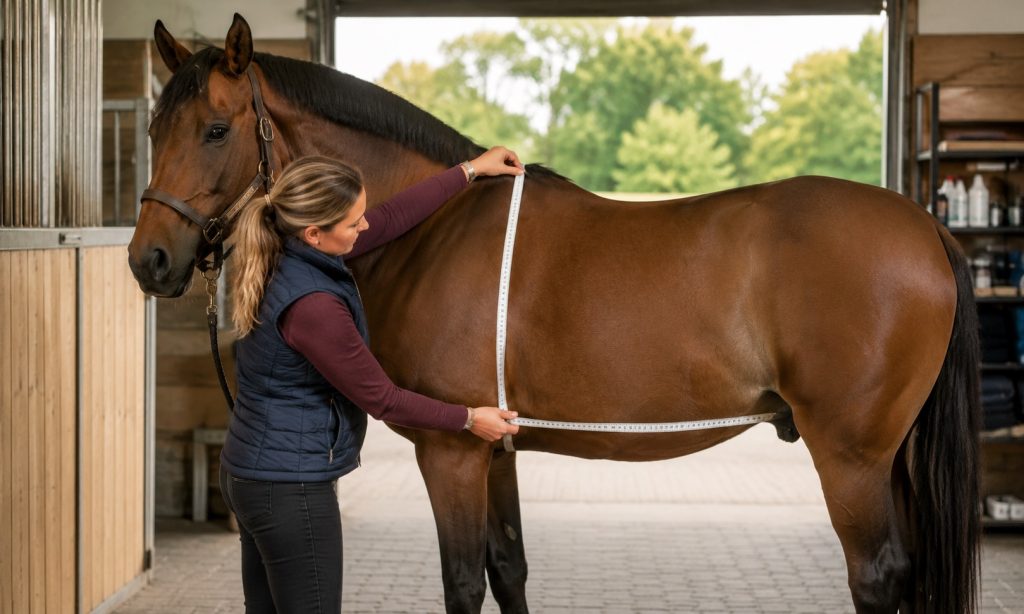
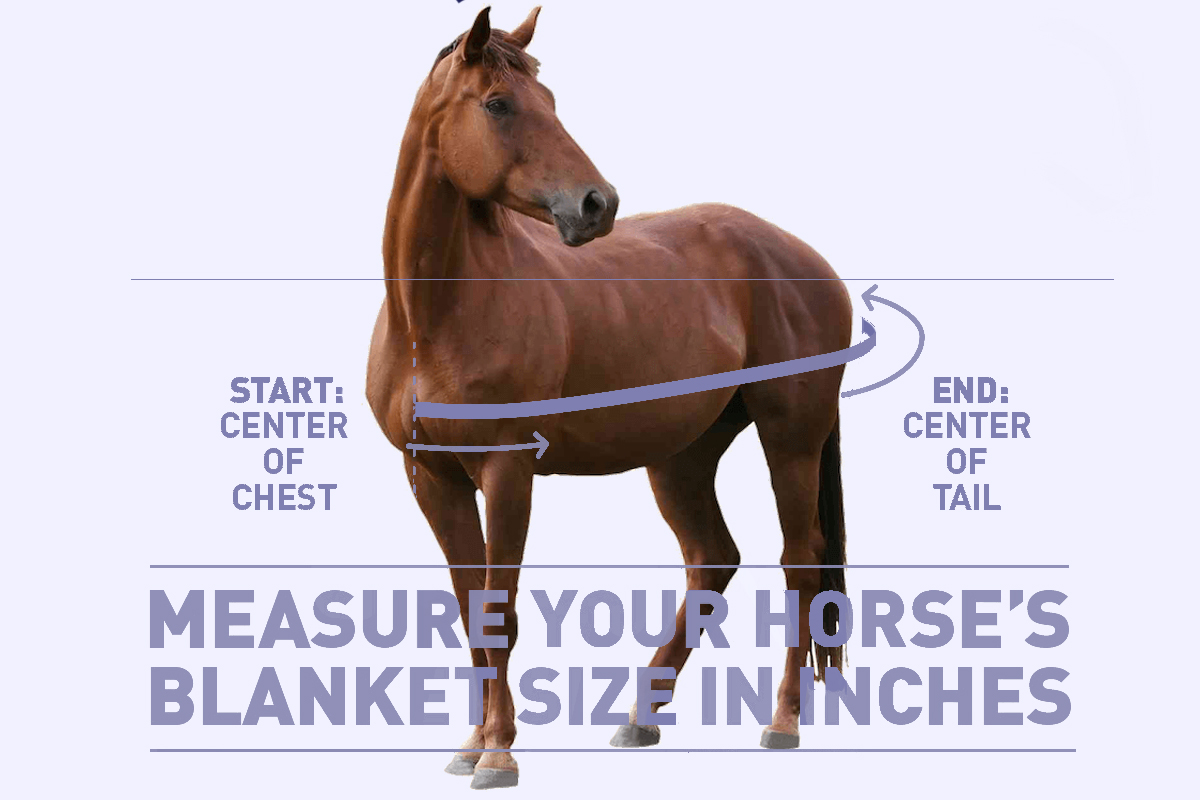
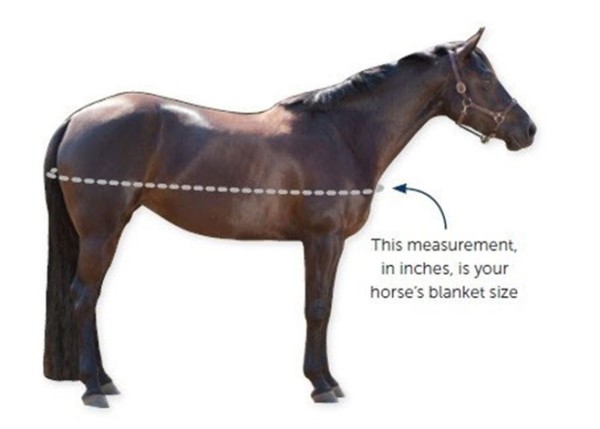
Measure from the center of the chest to the point of the buttock; that length is your blanket size.
Measuring a horse for a blanket requires a clear, repeatable method and attention to fit details. As someone who has fitted dozens of horses with blankets, I will show you precise steps, common pitfalls, and practical tips so you can measure confidently. This guide answers how do you measure a horse for a horse blanket in simple terms and gives the context you need to pick the right size, style, and fit.
Source: stargazeysequinetherapy.com
Why correct measurement matters
A proper measurement keeps your horse comfortable and protected. A wrong fit can rub, restrict movement, or leave areas exposed to weather. When you ask how do you measure a horse for a horse blanket, the goal is accuracy and repeatability so a blanket fits well through movement and turnout.
Source: smartpakequine.com
Tools you need before you measure
Use a soft cloth tape measure that lies flat against the coat.
Have a helper to steady the horse when possible.
Bring a pen and paper or a phone to record numbers.
Wear gloves in cold weather and a calm voice to keep the horse relaxed.

Source: mmtackshop.com
Step-by-step guide: how do you measure a horse for a horse blanket
- Prepare the horse
Stand the horse square on level ground. Keep the head relaxed and the horse calm. Measure on a clean, dry coat unless you plan to buy a blanket for wearing over a winter coat. - Find the starting point
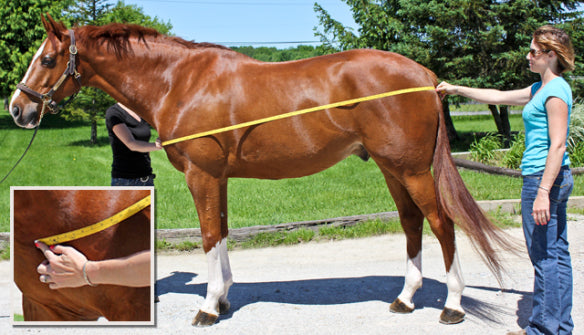
Place the end of the tape at the center of the chest. This is the point where the chest straps sit. Many blanket sizes use the center-chest start as standard. - Run the tape to the point of the buttock
Follow the horse’s side over the shoulder and barrel. End the tape at the point of the buttock (the center of the rump). That final number in inches is the blanket length. This answers how do you measure a horse for a horse blanket in its clearest form. - Measure twice and round up
Repeat the measurement twice. If you get different numbers, use the longer one. Round up to the next standard blanket size rather than down. - Check key secondary measures
Measure the neck circumference if the blanket has a neck cover. Measure the drop (from the center back down to the girth line) and the wither height for fit issues. These help ensure proper coverage and mobility. - Convert and select a size
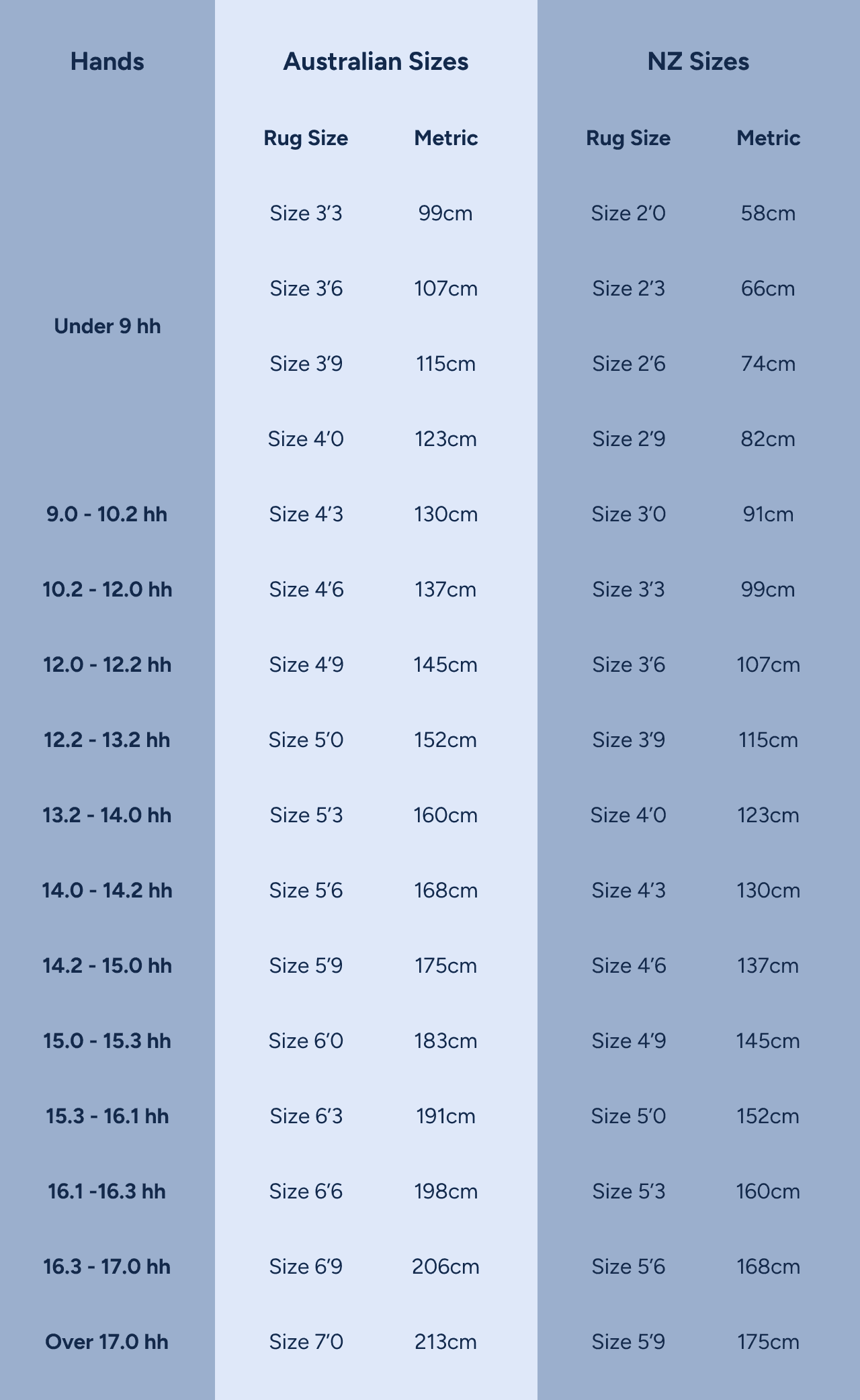
Most blankets are sold by inches (for example, 75, 78, 81). If your tape reads 74.5 inches, choose 75 or the next available size. Remember the core principle of how do you measure a horse for a horse blanket: center chest to point of buttock, then confirm with secondary measures.
Common fit problems and how to fix them
- Too small and pulls across the shoulders
Signs are restricted stride or shoulder rubs. Choose a larger size or a model with more shoulder gusset. - Gaping at the shoulders
This often means the blanket is too big in the body or cut wrong for the horse’s shape. Try a different cut or adjust front closures. - Wither rub
Low withers need a blanket with extra wither padding. High withers need a higher cut or extra clearance. - Tail flap too short or too long
Tail flap length and belly coverage depend on blanket drop. Re-measure the drop if coverage is poor. - Tight belly straps or leg straps causing chafing
Use straps with elastic or adjust placement. Ensure straps are snug but not tight when the horse moves.
Source: com.au
Measuring for different blanket types
Stable blankets and turnouts use the chest-to-buttock measure as the base. When you ask how do you measure a horse for a horse blanket by type, keep these notes in mind.
- Turnout blankets
Allow a little extra room for the shoulder and thicker winter coats. Look for adjustable surcingles and cut for mobility. - Stable blankets and coolers
These require accurate drop and wither clearance more than shoulder gussets. They fit closer to the body. - Blankets with neck covers
Measure neck circumference at the base and measure from center chest up and over the neck to the base again to size the neck piece. - Fly sheets and lightweight rugs
These are forgiving in size. Still, use the chest-to-buttock length to avoid flapping and overheating.

Source: farmhousetack.com
Personal experience, tips, and common mistakes
I once measured a lean event mare over a thick winter coat and ordered a blanket two sizes too large. The result was excess movement and shoulder chafing. From that I learned to measure on the horse’s usual coat condition or add a precise allowance if you know the blanket will be used over a heavy coat.
Practical tips from field work
- Always measure twice and record both numbers.
- Use a helper to steady the horse and ensure the tape follows the contour.
- Hold the tape snug but not tight; don’t compress the coat.
- Try a blanket on and watch the horse walk before finalizing.
- When in doubt, size up slightly and adjust straps for fit.
Source: tackwholesale.com
Frequently Asked Questions of how do you measure a horse for a horse blanket
How do you measure a horse for a horse blanket: what is the single most important measurement?
The single most important measurement is from the center of the chest to the point of the buttock. That number usually determines the blanket size in inches.
Should I measure over the horse’s winter coat?
Measure over the coat you expect the horse to wear under the blanket. If the blanket will be used over a thick winter coat, add a small allowance or measure with that coat on.
How much extra room should I allow when selecting a size?
Allow one to two inches for a close-fitting blanket and two to four inches for turnout blankets or horses with thick winter coats. Always err toward slightly larger if unsure.
Can I measure a horse by myself?
You can measure alone, but a helper makes it easier and more accurate. A helper steadies the horse and ensures the tape follows the contour evenly.
What if my horse falls between two sizes?
When between sizes, choose the larger size and adjust straps and closures for a snug fit. A slightly larger blanket is safer than one that pulls tight across the shoulders.
Conclusion
Measuring a horse for a blanket is simple when you follow a clear method: start at the center of the chest and measure to the point of the buttock, then confirm with neck, drop, and wither checks. Use the tips here to avoid common mistakes, and remember to measure in the coat condition the horse will wear under the blanket. Take action now: measure your horse today, record the numbers, and compare them to manufacturer size charts to find the best fit. If you found this guide helpful, try the measurements on your horse and leave a comment with your results or questions.