
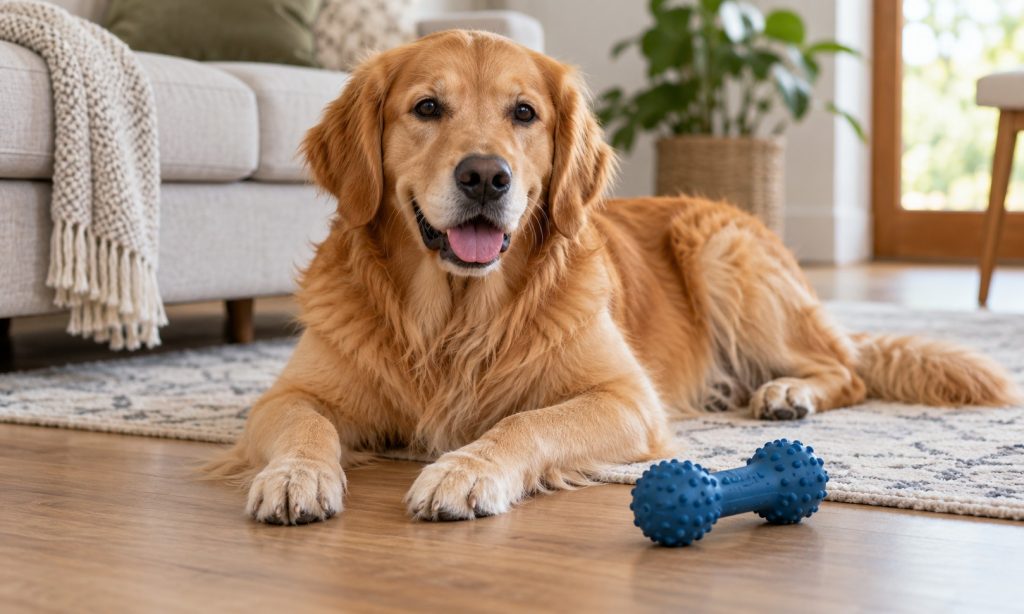
Dogs are drawn to things they can gnaw, carry, and investigate with their mouths. A bone may seem like a natural chew, but it can also splinter, lodge in the throat, block the digestive tract, or damage a tooth. If you are asking, “Are Bones Safe for Dogs? Raw vs Cooked Bones,” the most useful answer is that neither type is risk-free, and cooked bones are especially unsafe. This guide explains why dogs like bones, how raw and cooked bones differ, what to do after an accidental bite, and safer ways to meet your dog’s need to chew. Your dog’s size, chewing style, health, and history of swallowing objects all matter. If your dog swallowed a bone or shows pain, call your veterinarian promptly.
Are bones safe for dogs?
Are bones safe for dogs as an everyday chew? Veterinary guidance generally advises against giving dogs real bones, whether they are leftovers from dinner or sold as chews. A bone can break into sharp pieces or become stuck. Even a bone that does not splinter may be hard enough to crack teeth. The risks can occur while a dog chews or later, as fragments move through the digestive system.
The FDA warns that bones can lodge in a pet’s esophagus, stomach, or intestines. Sharp pieces can injure the mouth and digestive tract. Texas A&M veterinarians also caution that bones can break teeth and lead to choking or obstruction. These hazards are possible with different bone types, so “natural” does not mean safe.
Cooked bones and raw bones: what is the difference?
Cooking changes the bone’s structure and can make it more brittle. Cooked poultry, pork, beef, and fish bones may break into sharp shards. Do not give a dog bones from cooked meals, holiday leftovers, or the trash. Are bones safe for dogs after cooking? No. Cooked bones are a poor choice because splintering can injure the mouth, throat, stomach, or intestines.
Raw bones may be less brittle than cooked bones, but they still carry risks. A dog can fracture a tooth, choke, swallow a large piece, or develop a blockage. Raw animal products can also carry bacteria such as Salmonella or E. coli, which may affect pets and people who handle the food or contaminated surfaces. The American Veterinary Medical Association discourages feeding raw or undercooked animal-source proteins because of these health risks.
That is why the raw-versus-cooked comparison does not produce a reliably safe option. Are bones safe for dogs if they are raw, large, or supervised? Supervision may help you notice trouble, but it cannot prevent every fracture, swallowed fragment, or injury. A large bone can still be broken down or become lodged. If you choose to discuss raw feeding with your veterinarian, ask about the full diet and household hygiene, rather than assuming a raw bone is a harmless treat.
Why do dogs like bones?
Dogs may enjoy the texture, smell, taste, and challenge of chewing. Chewing can provide activity and exploration, and some dogs find it calming. The behavior is normal, but that does not mean a real bone is the right outlet. When people ask why do dogs chew bones, the practical answer is that chewing is rewarding and engages several senses. Dogs may also learn to seek out bones because they have received them before.
Some dogs chew slowly and carefully. Others bite hard, try to break a chew quickly, or swallow pieces. Puppies may explore with their mouths, while older dogs may have worn, painful, or fragile teeth. A dog’s chewing style can change over time. Are bones safe for dogs who are strong chewers? Strong chewing can actually increase the chance of tooth damage and swallowed fragments.
Warning signs after a dog chews or swallows a bone
Contact a veterinarian promptly if you know or suspect your dog swallowed a bone, especially if it was cooked or large. Do not wait for symptoms if your dog may have swallowed a sharp piece. A veterinary team can advise you based on the bone, the amount, your dog’s size, and the timing.
Seek urgent veterinary care for choking, trouble breathing, repeated gagging, heavy drooling, repeated vomiting, a painful or swollen belly, straining to pass stool, blood in vomit or stool, weakness, or marked distress. These signs can have several causes, but they should not be watched at home without professional guidance. Do not induce vomiting or give home remedies unless a veterinarian specifically tells you to do so.
If your dog only mouthed a bone and seems normal, remove access to the remaining pieces and call your veterinarian for individualized advice. Tell them what kind of bone it was, whether it was cooked, approximately how much is missing, when it happened, and your dog’s weight. Are bones safe for dogs after they have swallowed a fragment? There is no reliable way to decide that from appearance alone; your veterinarian can determine whether monitoring or an examination is appropriate.
Safer ways to satisfy a dog’s urge to chew
Choose an appropriate chew toy with your veterinarian’s advice, especially if your dog has dental disease, a history of swallowing objects, a sensitive stomach, or a restricted diet. A safer chew should be sized so it cannot be swallowed whole and should not be so hard that it risks breaking teeth. Texas A&M veterinary guidance suggests choosing toys that have some give instead of very hard objects.
Check toys regularly for cracks, loose pieces, or sections your dog could swallow. Supervise chewing and remove a toy when it becomes small enough to fit entirely in your dog’s mouth. Rotate safe toys and add short training games, sniffing activities, and food puzzles that fit your dog’s diet. These options can offer mental activity without relying on a bone.
Dental care is a separate need. A bone is not a substitute for brushing or a veterinary dental exam. For oral-health routines, ask your veterinarian about brushing and regular dental checks. If you are comparing a specific fish bone concern, our article on whether dogs can eat salmon bones addresses that narrower question.
How to keep bones away from dogs
Put meal scraps, bones, and food packaging into a covered bin that your dog cannot open. Ask guests not to share table scraps, and supervise pets around cookouts and holiday meals. Keep bones off low counters and coffee tables, where a quick grab can become an emergency. If your dog raids trash, secure the container or place it behind a closed door.
Practice a reward-based “leave it” cue and trade for a safe item if your dog finds a bone. Avoid chasing or forcibly pulling a prized object from a dog’s mouth if that could prompt swallowing or a bite. Instead, stay calm, offer a more appealing trade, and contact a veterinarian if the dog has already swallowed any part.
When the risks are higher
Some dogs are at greater risk around bones. Fast chewers may break off and swallow pieces before you can intervene. Dogs that gulp food, guard objects, or have a history of eating foreign material need especially careful management. Small dogs can be harmed by pieces that seem minor, while large dogs can create sharp fragments by biting with force. A dog’s size alone does not tell you that a bone will pass safely.
Dental health also changes the decision. A dog with fractured teeth, gum disease, missing teeth, or oral pain may chew differently and may be more vulnerable to injury. Puppies and senior dogs can have different chewing needs, too. When you are unsure, ask your veterinarian what materials are appropriate for your dog’s age, mouth, and medical history. The safest answer to “Are Bones Safe for Dogs?” can depend on these details, but real bones still carry avoidable hazards.
Common misconceptions about bones
One common belief is that a dog’s ancestors ate bones, so modern dogs should be able to chew them safely. An animal’s natural behavior does not guarantee that every version is harmless. Domestic dogs differ in size, tooth condition, diet, and chewing habits, and a bone can still cause choking or obstruction.
Another misconception is that raw bones cannot splinter. Raw bones may be less brittle than cooked ones, but they can still break teeth or separate into pieces. Raw animal products also bring food-safety concerns. Washing the dog’s bowl or supervising closely does not remove all bacterial risk. Are bones safe for dogs when they are frozen or very large? Those changes do not make the hazards disappear, and frozen or extra-hard surfaces may put teeth under greater stress.
People may also assume that a dog who has chewed bones before without trouble will always be fine. A previous uneventful chew does not predict what will happen next time. The bone may differ, the dog may bite harder, or a piece may break off at an unlucky angle. If bones have been part of your dog’s routine, discuss alternatives with your veterinarian rather than waiting for an accident.
What to tell your veterinarian after a possible ingestion
Clear details help the veterinary team decide what to do next. Note the type of animal and cut, whether the bone was raw or cooked, its approximate size, and whether it may have been chewed into fragments. Tell the clinic when the event happened, how much may be missing, your dog’s weight, and whether you have noticed gagging, vomiting, changes in appetite, or trouble passing stool.
Do not try to pull a bone from deep in your dog’s throat, push it down with food, or induce vomiting. These steps can worsen an injury. If your dog is choking or struggling to breathe, seek emergency veterinary care immediately. For other suspected ingestions, call your regular veterinarian or an emergency clinic for instructions. The right advice may depend on the object and your dog’s condition, so online checklists cannot replace an examination.
Choosing an appropriate chew activity
Think about your dog’s chewing pattern before offering any chew. A dog that bites hard, gulps quickly, or tries to swallow large pieces needs close supervision and a different activity than a dog that gently mouths a toy. Real bones remain a concern even when a dog has handled them before. Are bones safe for dogs with strong jaws? Jaw strength does not protect teeth from fractures or prevent pieces from lodging.
Use toys made for dogs and sized so they cannot be swallowed. Avoid objects that are extremely hard, brittle, or small enough to become a choking hazard. Watch your dog during the first few sessions with any new item. Remove a toy if it cracks, frays, or becomes small. Your veterinarian can help you choose an option that accounts for dental health, allergies, and the dog’s tendency to chew or swallow.
Chewing is only one part of enrichment. A short scent search, a calm training game, or a walk with time to sniff may also meet a dog’s need to explore. Rotate activities so a dog has something appropriate to do, and keep trash and food scraps inaccessible. These steps reduce the chance of an unsupervised grab without relying on a risky bone.
Frequently Asked Questions
These answers cover common questions about bone hazards and safer chewing.
Can dogs eat cooked bones?
No. Cooked bones can splinter and injure a dog’s mouth or digestive tract. Keep them out of meals, trash, and reach.
Are raw bones safe for dogs?
Raw bones can still cause tooth fractures, choking, blockages, and bacterial exposure. Ask your veterinarian before changing your dog’s diet or chew routine.
Why do dogs chew bones?
Chewing is rewarding and gives dogs a chance to explore texture, scent, and taste. A safe toy or supervised enrichment activity can provide another outlet.
What should I do if my dog swallowed a bone?
Call your veterinarian promptly. Share the bone type, whether it was cooked, how much may be missing, and when it happened. Do not induce vomiting unless instructed.
Can a bone clean my dog’s teeth?
A bone is not a dependable substitute for tooth brushing or veterinary dental care. Hard bones can damage teeth, so ask your veterinarian about an oral-care routine.
Final Words
Are bones safe for dogs? Real bones carry risks, and cooked bones are especially dangerous because they can splinter. Raw bones are not risk-free. Keep bones away from your dog, choose suitable chew activities with veterinary guidance, and call your veterinarian if your dog swallows any bone or shows distress. Prompt advice is the safest next step when the type or amount is uncertain.
Reference
These selected sources support the health and safety information in this article.
- U.S. Food and Drug Administration: Potentially Dangerous Items for Your Pet
- U.S. Food and Drug Administration: Keep Your Dogs and Cats Safe From Holiday Hazards
- American Veterinary Medical Association: Raw or Undercooked Animal-Source Protein in Cat and Dog Diets
- Texas A&M University College of Veterinary Medicine: How to “Chews” the Best Dog Chew Toys









