
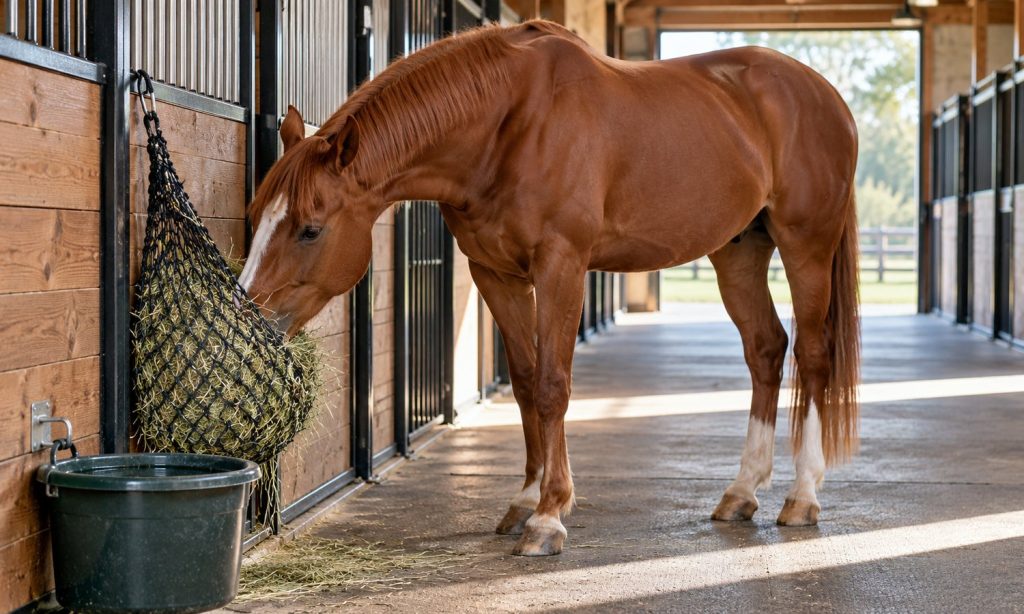
Choosing a digestive supplement for a horse starts with a specific concern, not a long list of ingredients. “Gut health” might refer to manure changes, a feed transition, stress during travel, poor appetite, or a diagnosed digestive disorder. Those situations do not all call for the same approach. Sudden colic signs, persistent diarrhea, fever, dehydration, repeated feed refusal, or rapid weight loss require veterinary assessment; a supplement should never delay care. For general label education, the Best Digestive Supplement for Horses overview can help you recognize common formula types. Then compare each product with the horse’s forage, water, current feed, medications, health history, and a veterinarian’s advice. The goal is to address a defined need while keeping the ration balanced and changes gradual.
Identify the digestive concern first
Horses depend on a steady supply of forage and a complex microbial community in the hindgut to ferment fiber. A change in manure or appetite can reflect feed, water, workload, parasites, dental problems, pain, infection, or another condition. A digestive supplement cannot identify the cause. Record what changed, when it began, what the horse eats, and whether other animals are affected. Share those details with the veterinarian.
Call a veterinarian promptly for signs such as repeated rolling, pawing, looking at the flank, sweating, a distended abdomen, reduced manure, or other possible colic symptoms. Do not give a new supplement or home remedy before speaking with the veterinarian. Persistent loose manure, dehydration, fever, or an inability to eat also deserves timely evaluation.
Audit the ration and routine before buying
Start with forage quality and quantity, clean water, salt access, dental care, turnout, and the timing and size of concentrate meals. Feed changes can disrupt digestive adaptation, so make them gradually over several days or according to veterinary or nutritionist guidance. Weighing feed and keeping a simple ration record can reveal overlap between a complete feed, ration balancer, electrolytes, and separate supplements.
Ask an equine veterinarian or qualified nutritionist whether the horse’s concern is likely to respond to a feed additive. If a diagnosed condition is involved, follow the treatment plan first. Nutritional products may support management, but they are not substitutes for diagnostic tests or prescription treatment.
Understand the main supplement categories
Probiotics and prebiotics
Probiotics provide live microorganisms; prebiotics are ingredients intended to be used by microbes. Some products combine them, and labels may also include postbiotic or yeast-derived components. Evidence in horses varies by organism, product, dose, and purpose. Findings for one strain or situation should not be generalized to every product. A label should identify the organisms or ingredients, the amount per daily serving, storage needs, and expiration information.
Ask whether the product’s intended use matches the horse’s issue and whether there is evidence for that specific formulation. Avoid treating a high colony count as proof of benefit. Heat, moisture, and storage can affect viable organisms, and formulas differ in what survives through the digestive tract. A veterinarian can help determine whether a trial is reasonable.
Fiber, yeast, and other digestive ingredients
Some products add fermentable fiber, yeast culture, enzymes, or ingredients intended to buffer or bind substances. These categories are not interchangeable. Additional fiber may fit one ration but add calories or change manure in another. A product that includes multiple ingredients may complicate troubleshooting if the horse reacts poorly. Check whether the feed already provides the same component and ask how it fits the complete ration.
Compare labels with care
For each candidate, record the full daily serving, active ingredients and amounts, calories, sugar and starch if listed, feeding directions, storage instructions, lot number, and expiration date. “Proprietary blend” language that hides individual amounts makes comparison difficult. Confirm whether the serving size is for your horse’s body weight and whether the directions change during introduction. Do not combine several products with overlapping organisms, minerals, or digestive ingredients without professional review.
Consider palatability and routine. The horse needs to consume the intended amount, and caregivers should be able to measure it consistently. Ask whether the product is suitable alongside prescribed medication, especially if the horse has a medical condition, takes medication, is pregnant, or competes. “Natural” is not a safety guarantee.
Use one change at a time
If the veterinarian agrees that a trial makes sense, establish a baseline first. Note appetite, manure consistency, body condition, feed intake, and the original concern. Introduce one new item at a time and keep other variables as stable as practical. Write down the start date, amount, and any changes. If the horse develops appetite loss, hives, worsening diarrhea, or other new signs, stop and call the veterinarian.
Public horse-owner discussions show varied experiences: some describe using probiotics around feed changes, while others report no noticeable difference or concerns about palatability. These are personal accounts, not controlled evidence. Differences in the horse’s diet, diagnosis, environment, and the product itself can explain why experiences vary. They can suggest questions to ask, but they do not establish that a supplement works.
Check the product’s intended purpose
Some formulas are marketed for normal digestion, others for recovery from an identified issue, and others for use during travel or feed transitions. These are different claims. Look for a plain explanation of the ingredient’s intended role and the evidence available for horses, not just general statements about the microbiome. Ask whether the product has been studied in horses with the same problem and whether the research tested that formulation or only an ingredient in isolation.
Also consider whether the product could conflict with the feeding goal. Added fermentable carbohydrates may not fit every horse with a history of gastric ulcers or metabolic disease. Some products may contribute meaningful calories or minerals. A veterinarian or nutrition professional can review the label alongside the ration and help decide whether the expected benefit justifies the cost and added complexity.
Frequently Asked Questions
Does every horse need a probiotic?
No. Many horses on a stable, balanced forage-based ration may not need one. Discuss the horse’s specific situation with a veterinarian or equine nutritionist before adding a probiotic.
Can a digestive supplement treat colic?
No. Possible colic is a veterinary concern. Contact a veterinarian promptly and follow their instructions instead of trying a feed supplement or home remedy.
How should I introduce a new digestive supplement?
Follow the label and your veterinarian’s advice. Introduce only one new product at a time, monitor appetite and manure, and avoid changing the rest of the ration simultaneously.
Are all probiotics the same?
No. Products may contain different organisms, amounts, storage requirements, and evidence. Compare the stated contents and intended use rather than relying only on a total count.
When does a manure change need veterinary attention?
Seek veterinary advice for persistent diarrhea, blood, fever, dehydration, appetite loss, reduced manure, or any signs that could indicate colic. Sudden or severe symptoms need prompt attention.
Final Words
Choose a digestive supplement only after defining the concern and reviewing forage, water, feed changes, and health history. Compare the actual ingredients and daily amount, avoid overlapping products, and measure any trial with one change at a time. A veterinarian should guide persistent symptoms and diagnosed disease. The Best Digestive Supplement for Horses overview explains common product categories, while the guide to choosing a probiotic for horses focuses on that one supplement type. Neither replaces a veterinary assessment when the horse is unwell.









