
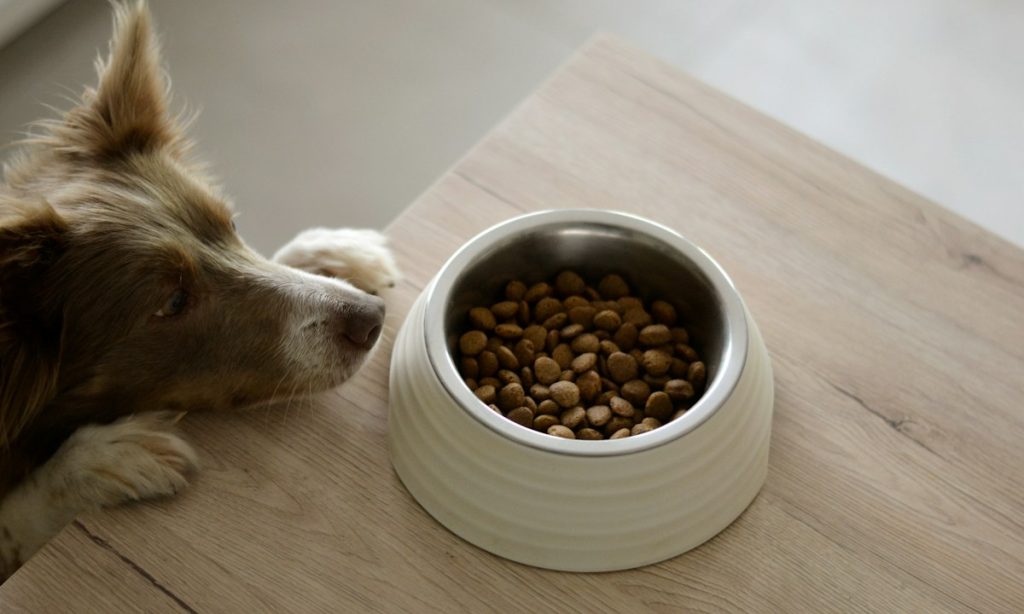
A dog that reacts to chicken may need a carefully chosen new diet, but changing food can upset digestion. Learning how to switch dogs allergic to chicken to a new dog food gradually means considering two needs at once: avoiding a suspected trigger and helping the digestive system adapt. Start with the veterinarian’s diagnosis and instructions. Itching, ear irritation, and soft stools have many possible causes; they do not confirm a chicken allergy by themselves.
Families researching dog food for dogs allergic to chicken often discover that ingredients and feeding directions are more complicated than the front label suggests. A safe transition depends on whether this is an everyday food change or a veterinarian-directed elimination trial. The steps below cover preparation, measuring portions, maintaining a strict trial, monitoring reactions, and knowing when to call the clinic. No single transition schedule suits every dog.
Confirm the Allergy Plan Before Changing Food
Ask whether chicken is a confirmed trigger or only a suspected one. Food allergy is often investigated with a tightly controlled elimination diet under veterinary guidance. A history of recurring itching does not distinguish food allergy from environmental allergies, parasites, or infection. Your veterinarian may need to address skin and ear problems first. The dietary plan should explain which ingredients are excluded and whether a novel-protein or hydrolyzed veterinary diet is appropriate.
If the change is an elimination trial, get its planned length, the exact approved food, and the rules for treats, chews, flavored medication, and supplements in writing. A gradual transition briefly includes the old diet, but that food may still contain the suspected allergen. Ask when the formal trial begins and whether the clinician wants a modified transition. Veterinary diagnosis of suspected food allergies explains why strict consistency matters.
Inspect Every Ingredient Source
Read the full ingredient panel rather than relying on a “chicken-free” claim. Chicken may appear as chicken meal, poultry ingredients, broth, liver, or flavoring. Some formulas use broad terms that need clarification. Ask the food maker or veterinarian when an ingredient is ambiguous. Check the statement of nutritional adequacy and the intended life stage. A diet that excludes a protein must still meet your dog’s nutritional needs.
Do not use ingredient lists alone to diagnose allergy. Manufacturing controls and possible cross-contact can matter in a strict food trial. A veterinarian may select a therapeutic diet with controlled sourcing when diagnostic reliability is important. Keep photos of the new and old labels. Our guide to reading dog food labels can help you identify calories, adequacy statements, and ingredient terminology without treating marketing claims as proof.
Build a Gradual Transition Schedule
For an ordinary diet change, a veterinarian may suggest mixing a little new food into the old. One illustrative seven-day approach begins near 25 percent new food for two days, then 50 percent for two days, then 75 percent before reaching 100 percent. That is not a universal prescription. Dogs with digestive sensitivity may need a longer transition. Dogs with serious reactions or a supervised elimination trial may need a different schedule set by their clinician.
Measure portions by calories, not simply equal scoops. Two diets can have different calorie densities. Keep total daily intake consistent unless the veterinarian advises an adjustment. Divide food into familiar meals and make one change at a time. If a dog will not eat, do not keep reducing the old food without medical advice. Knowing how to switch dogs allergic to chicken to a new dog food gradually includes knowing when a standard mixing schedule does not apply.
Keep an Elimination Trial Strict
During a diagnostic trial, extra snacks can undermine the result. Discuss dental chews, table scraps, pill pockets, flavored toothpaste, rawhides, supplements, and chewable medicines. Ask every household member to follow the same plan. If you use rewards for training, confirm whether part of the approved diet can serve as the reward. Keep bags and scoops separate from food containing chicken to prevent accidental mixing.
Label storage bins, wash bowls between meals, and prevent access to another pet’s food. Record the start date and any accidental exposure. If the dog eats an unapproved treat, tell your veterinarian instead of hiding the mistake. The trial may need reassessment. Tracking during a veterinarian-guided elimination diet helps organize observations without replacing an actual diagnosis.
Watch Digestion, Skin, and Appetite
A temporary stool change may occur during food transitions, but persistent diarrhea, repeated vomiting, refusal to eat, or worsening lethargy deserve a call. Monitor stool frequency and consistency, vomiting, appetite, water intake, itching, ear discomfort, and skin redness. Keep dated notes and photograph visible skin changes under similar lighting. Do not assume every flare is caused by chicken exposure.
Track body weight and body condition over time. A suitable diet must support normal energy and nutrition, not merely reduce scratching. Ask whether treats or feeding quantities need adjustment. Weight loss or poor appetite can be especially concerning in puppies, small dogs, seniors, and dogs with other diseases. Review estimating daily dog food portions to understand how calorie goals and measured feeding connect.
Troubleshoot Refusal or Digestive Upset
If the dog refuses the new food, first consider whether nausea, pain, or illness could explain it. Avoid hiding the taste with chicken broth, meat toppers, or unapproved supplements during a food trial. Ask the veterinarian whether adjusting meal temperature, timing, or texture is compatible with the plan. Some dogs accept new food slowly, while others require clinical guidance before continuing.
If stools become loose, describe the amount, frequency, and any blood or mucus to the veterinarian. Do not automatically restart chicken-containing food when chicken is a suspected trigger. Nor should you fast a sick dog without instructions. Ask whether the transition is too fast, an unrelated infection is possible, and which signs require examination. The right response depends on the dog’s overall health and the purpose of the diet change.
When to Contact the Veterinarian Urgently
Seek prompt veterinary care for repeated vomiting, bloody diarrhea, marked weakness, breathing changes, collapse, facial swelling, or suspected severe allergic reaction. A dog unable to keep water down or appearing dehydrated also needs attention. These problems should not be managed by experimenting with food ratios at home. Bring details of the diet, recent exposures, and timing of symptoms.
For routine follow-up, ask when the team expects changes in skin or gastrointestinal signs and what would count as a meaningful response. Many skin symptoms take time to improve. A food switch is not a substitute for treating an active ear infection or another concurrent disease. A scheduled recheck lets the veterinarian assess progress and determine whether a structured challenge is necessary to confirm the trigger.
Frequently Asked Questions
Owners often ask whether a food trial and a normal food transition use the same schedule. The answer depends on what the veterinarian is trying to establish. A controlled diagnostic trial has stricter rules than an everyday change between complete diets.
Use these answers to prepare for a veterinary conversation. Do not treat the percentages above as fixed medical instructions when a previous food may trigger a serious reaction.
Can a dog suddenly become allergic to chicken?
Food reactions can appear after previous exposure, but itching alone cannot identify chicken as the cause. Veterinary assessment and a structured food trial may be needed.
How long should the switch take?
An ordinary food change often takes several days to a week or longer. Your veterinarian should modify the plan for sensitive dogs and diagnostic elimination trials.
Can I use chicken broth to encourage eating?
Avoid it if chicken is suspected or excluded during a diagnostic trial. Ask about acceptable ways to encourage meals without adding unapproved ingredients.
Will a grain-free diet solve chicken allergy?
Not necessarily. Grain content and chicken protein are separate questions. Do not switch to a grain-free diet solely because of suspected chicken allergy.
What if my dog eats an old treat by accident?
Record the ingredient, approximate amount, and date. Tell the veterinarian, who can advise whether the trial timeline needs adjustment.
Final Words
Learning how to switch dogs allergic to chicken to a new dog food gradually starts with confirming the goal. Read labels, measure meals, prevent unplanned extras, and track symptoms honestly. If your veterinarian is investigating food allergy, follow the approved elimination protocol rather than a generic transition schedule.
Appropriate dog food for dogs allergic to chicken must be nutritionally complete and suited to the confirmed or suspected issue. For broader planning, see questions to ask a veterinarian about food allergies. A documented process protects your dog’s comfort and makes observations easier to interpret.
Reference
This guide draws on veterinary nutrition information about complete diets, gradual transitions, and investigating suspected food reactions. It does not establish that an individual dog is allergic to chicken.
Discuss any suspected allergy with a veterinarian before starting or modifying an elimination trial. The sources below offer additional background.









