
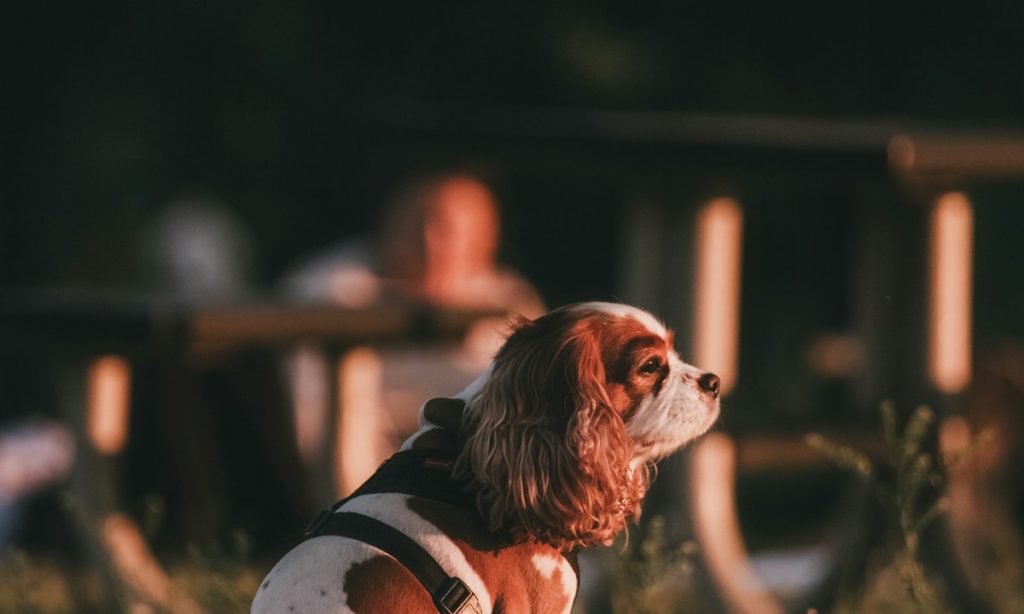
Harness fit checks for Cavalier King Charles Spaniels should start before the first walk. A harness can look comfortable while a dog stands still but rub behind the elbows once the dog turns or trots. Cavaliers have feathered coats, relatively small frames, and individual differences in shoulder shape. Size labels alone cannot tell you whether a strap sits well. Measuring the dog, checking the harness on the body, and observing movement are safer than guessing based on breed.
If you are choosing a dog harness for Cavalier King Charles Spaniel, look beyond color and style. This guide explains where straps belong, how to check chest and neck openings, what rubbing looks like, and when to adjust or stop using a harness. It also shows how to make short fitting sessions calmer. A comfortable Cavalier should be able to breathe, move, and explore without fighting the equipment.
Measure Before the First Fitting
Use a flexible measuring tape to check the dog’s chest circumference at the point specified by the harness maker. Often that is around the widest part of the rib cage. Check the lower neck circumference if the design requires it. Keep the tape snug but not tight, and record the measurements. Recheck growing puppies and dogs whose weight has changed. A fluffy coat can make a dog look larger than the actual body underneath.
Compare measurements with the particular harness sizing chart. A “small” from one design may not match a “small” from another. Look for adjustment range, not just the stated minimum and maximum. If your Cavalier falls between sizes, consider how both the chest and neck straps will sit when adjusted. A comfortable fit must work across the full body. FYI, a cute printed size tag does not know your dog’s measurements.
Check the Neck and Chest Openings
A properly placed neck opening should not press on the throat or slide so far down that the dog can easily back out. Look for a design that distributes gentle leash pressure over suitable areas of the chest rather than the delicate front of the neck. Check whether the harness rides up when the dog lowers its head. Ask for fitting help when the shape looks wrong despite adjustment.
The chest strap needs to rest securely around the rib cage without squeezing the body. A common starting check is whether you can slide a couple of fingers under the strap, but this is not a precise measurement for every design or dog. Observe breathing and posture as well. Check that clips, seams, and buckles do not press into the skin. Harness fit checks for Cavalier King Charles Spaniels require watching the dog, not relying on a single finger rule.
Protect the Armpits and Shoulder Movement
Look closely behind each front leg. A strap that touches the armpit when standing may rub more during a brisk walk. Coat feathering can hide a red mark until later, so gently part the hair and inspect the skin. Adjust strap position according to the harness instructions. If the design always shifts into the armpit, another shape may be more suitable than repeated tightening.
Watch the shoulder blades while your Cavalier takes several slow steps. The dog should stride naturally without shortened steps, hesitation, or an exaggerated lifting motion. Some strap designs limit movement on individual dogs. Compare the dog’s gait with and without the harness on a safe, level surface. The linked guide to adjusting a dog harness to prevent leg rubbing explains why movement checks matter.
Test Security Without Pulling Hard
Clip the leash on only after the harness appears correctly fitted. Apply light, controlled tension while the dog stands calmly. Check for unusual rotation, sudden sliding, or gaps large enough to let the dog slip backward. Never yank the dog to “test” the harness. Maintain a secure leash grip and use a safe enclosed setting for initial practice. Some frightened dogs can escape even a harness that looks acceptable when they are relaxed.
Check all buckle closures and stitching before each outing. A damaged clasp or frayed strap should be replaced rather than relied upon. Attach the leash to the designated point and avoid improvising on decorative loops. If your dog is fearful outdoors, ask a positive-reinforcement trainer about a safe introduction plan. Equipment works best when fit, handling, and your dog’s comfort all agree.
Observe a Real Walking Trial
Take a short, low-distraction walk and watch your Cavalier from the side and front. Does the harness rotate? Does your dog scratch the same spot, freeze, cough, or repeatedly bite the straps? Check for heat, pinching, coat pulling, and pressure spots after a few minutes. Movement can expose issues that were invisible during fitting. Try a few turns and a gentle change in pace.
Return home and inspect the armpits, chest, shoulders, and back. Look for flattened coat, broken hair, pink skin, and tenderness. Reassess after washing or adjusting the harness, since strap length may shift. If rubbing continues, stop using that setup. Your dog’s comfort should determine the decision, even when the product looked perfect online. For a gradual training approach, see helping Cavaliers get comfortable in a harness.
Common Fit Problems and Practical Corrections
If the harness twists sideways, confirm that both sides are adjusted evenly and the correct straps face forward. If the neck opening rides into the throat, check the manufacturer’s placement guide and whether the front section is too small. If the dog can back out, the harness may be too loose or poorly shaped for that body. Tightening every strap indiscriminately can create new pressure points.
If the dog chews or paws at the harness, avoid assuming disobedience. Check skin and movement first. Some dogs need a slower introduction, while others dislike the shape or texture. Keep sessions short and reward calm investigation. You are looking for a harness the dog can forget about, not a wearable puzzle that demands constant troubleshooting. IMO, comfort is the most important feature of any walking accessory.
Special Considerations for Puppies and Seniors
Young Cavaliers grow, so repeat measurements frequently and check the fit after weight changes. Do not buy an excessively large harness expecting the puppy to grow into it. A loose harness can be unsafe now. Handle a puppy gently during fitting and pair brief practice with appropriate rewards. The goal is to make the harness ordinary rather than a source of fear.
Older Cavaliers may have painful joints, reduced mobility, or health conditions that change their tolerance. A dog who suddenly resists being fitted may need medical assessment, not a stricter strap. Avoid forcing limbs through narrow openings if it causes discomfort. If coughing, collapse, marked exercise intolerance, or breathing problems appear, contact a veterinarian. Harness fit checks for Cavalier King Charles Spaniels cannot diagnose a medical issue.
Frequently Asked Questions
A good fit is the result of several observations, not one measurement. These quick answers cover common questions about tightness, movement, and checking the harness during routine walks.
Fit changes with wear, cleaning, growth, and body condition. Recheck after adjustments and whenever behavior suggests pressure or discomfort.
Should I use the two-finger rule?
It can be a rough starting check, but it is not universal. Review the harness instructions and evaluate movement, slipping, breathing, and skin comfort.
How often should I recheck the fit?
Check buckles and straps before outings. Reassess full fit after washing, growth, weight changes, or any new rubbing.
Can a harness stop pulling?
No harness replaces training. Use calm rewards and appropriate loose-leash practice rather than relying on equipment alone.
Why does my Cavalier freeze when fitted?
The dog may be worried, uncomfortable, or unfamiliar with the gear. Check fit first, then use short positive sessions. Seek veterinary advice if pain is suspected.
What if the harness rubs behind a leg?
Stop using the rubbing setup, check the skin, and adjust only if the design permits a safe position. Persistent rubbing may require a different design.
Final Words
Harness fit checks for Cavalier King Charles Spaniels should include measurements, strap placement, shoulder freedom, a gentle security test, and a real walking trial. Recheck after cleaning, growth, or behavioral changes. A harness that slips or rubs is not ready for another long outing.
When evaluating a dog harness for Cavalier King Charles Spaniel, give your dog’s movement and skin comfort more weight than appearance. Keep the experience positive, adjust carefully, and ask for professional help if pain, coughing, or unusual mobility appears. A well-fitted harness supports pleasant walks without making the equipment the center of attention.









