
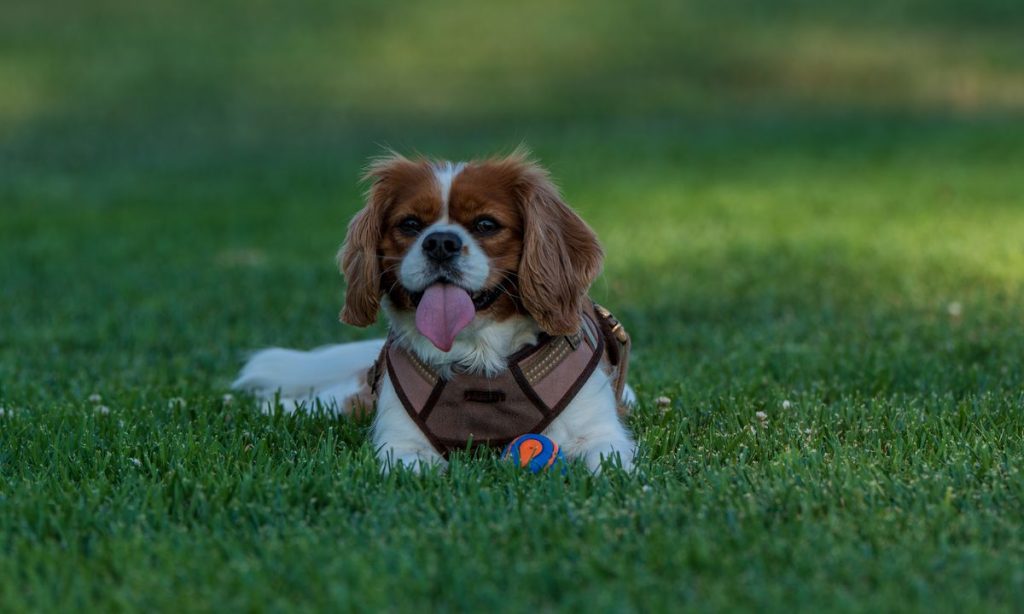
Some Cavalier King Charles Spaniels happily follow a leash from the first day. Others freeze, scratch, or back away when a harness touches their body. Learning how to help Cavalier King Charles Spaniels get comfortable walking in a harness starts with a good fit and patient, reward-based introduction. A harness should not rub the shoulders, pinch the armpits, or restrict natural movement. You also need to teach your dog that putting it on predicts something pleasant, not an immediate trip into a noisy street. Begin indoors with short practice sessions, then move outdoors gradually. This guide explains how to assess fit, build a positive association, respond to hesitation, and know when a veterinarian should check for pain. For selection considerations, see our guide to a dog harness for Cavalier King Charles Spaniel companions.
Start with fit, comfort, and freedom of movement
The foundation of how to help Cavalier King Charles Spaniels get comfortable walking in a harness is a fit that feels secure without squeezing. Check the manufacturer’s measurement instructions for chest and neck areas. The harness should not slide excessively or pinch when the dog stands, sits, and turns. Look for rubbing behind the front legs, pressure across the throat, and straps that bunch against the coat. Long silky fur can conceal friction, so part the hair to inspect the skin. Ensure fasteners close securely and the dog cannot back out easily. A harness is not comfortable merely because the label says small breed. Our guide to adjusting a dog harness to avoid rubbing explains where to check more closely.
Let the dog investigate without wearing it
An early step in how to help Cavalier King Charles Spaniels get comfortable walking in a harness is simply allowing calm exploration. Place the harness on the floor near the dog rather than approaching from above. Reward a voluntary glance, sniff, or approach with a small treat or cheerful praise. Do not chase a dog around the room while holding the harness. If your Cavalier turns away, give more distance and make the next session easier. Keep practice brief so the dog can leave before becoming worried. The American Veterinary Society of Animal Behavior recommends reward-based training rather than painful or intimidating correction methods. Learning should feel safe, and the dog should have a genuine chance to participate.
Teach one movement at a time
When considering how to help Cavalier King Charles Spaniels get comfortable walking in a harness, divide the action into tiny steps. For an over-the-head style, first reward the dog for looking toward the neck opening. Then reward moving their nose closer. Only once they are relaxed should they choose to put the head through. For a step-in harness, teach each paw movement separately. Some dogs find one design easier than another. Keep the fasteners open until the dog is happy with the positioning. If the dog flinches at a buckle click, practice the sound at a distance while offering rewards. It should not sound like a surprise right beside the ear. Do not force paws or pull the harness over a struggling dog.
Pair fastening with a pleasant experience
Positive associations make how to help Cavalier King Charles Spaniels get comfortable walking in a harness more predictable. When the dog accepts the harness around their body, close a buckle gently and reward immediately. Remove it before discomfort develops. Repeat over several sessions while watching body language. A relaxed posture, normal movement, and willingness to take treats suggest the exercise is manageable. Tucked tail, lip licking, freezing, attempts to escape, or refusing food can signal that you moved too quickly. Move back to an easier step rather than pushing through. FYI, a dog who stands still may be tolerating fear rather than giving enthusiastic approval. Watch how the dog chooses to move after you finish.
Practice wearing the harness indoors
The next stage of how to help Cavalier King Charles Spaniels get comfortable walking in a harness is allowing brief indoor movement. Have the dog wear the properly adjusted harness for a short play or training activity. Invite voluntary steps and reward them. Start with a few seconds or minutes depending on comfort, then gradually extend the time. Walk through the house without attaching a leash at first. If the dog freezes, remove the harness after a calm moment and shorten the next lesson. Do not leave an unfamiliar harness on an unsupervised dog. Check for coat tangles, skin redness, or rubbing afterward, particularly around the armpits and chest.
Introduce the leash without pulling
A key element of how to help Cavalier King Charles Spaniels get comfortable walking in a harness is teaching light leash contact. Clip on a lightweight leash while indoors in a clear, hazard-free space. Let the dog take a step and reward the movement. Keep slack in the leash rather than dragging the dog toward you. Reward turning toward your voice or following you for a few paces. The leash should provide guidance and safety, not pressure that forces the dog to walk. Never jerk or yank it to stop sniffing. If leash tension causes your Cavalier to brace or cough, stop and assess fit and health before continuing. A qualified reward-based trainer can help with persistent fear.
Move to a quiet outdoor location
For many dogs, how to help Cavalier King Charles Spaniels get comfortable walking in a harness is easier indoors than on a busy sidewalk. The outdoors adds traffic, people, other dogs, scents, and sudden noises. Begin in a quiet yard or safe low-distraction area. Let your Cavalier sniff and observe. Reward calm exploration and brief voluntary walking. End before the dog becomes overwhelmed. A very short positive trip is often more valuable than a long stressful outing. Build distance and duration gradually as confidence grows. Bring water in warm weather, and avoid overheated pavement. Short sessions also help you notice any rubbing caused by movement rather than standing still.
Respond kindly to freezing or backing away
If your Cavalier stops walking, how to help Cavalier King Charles Spaniels get comfortable walking in a harness may require identifying the trigger. Is the harness rubbing, is a buckle touching an uncomfortable spot, or is the street too stimulating? Return to a familiar quiet area and check for physical discomfort. Do not drag a frightened dog or insist that they obey immediately. Try shorter sessions and more distance from distractions. Some dogs feel safer with a different harness shape or opening style. Others need confidence-building training. If the problem appeared suddenly after previously comfortable walks, seek veterinary advice to rule out pain, injury, or another health problem. Punishment can worsen fear and make future walks harder.
Check breed-specific health and exercise limitations
Responsible advice on how to help Cavalier King Charles Spaniels get comfortable walking in a harness must account for health. Cavaliers have a recognized predisposition to heart disease and may also experience orthopedic or neurologic problems. A dog that tires unusually quickly, coughs, collapses, limps, or seems painful needs veterinary assessment rather than more intense leash practice. Ask your veterinarian what exercise intensity is appropriate for a dog with a known heart condition or other diagnosis. Avoid assuming a harness can correct a breathing or cardiac problem. Comfortable equipment reduces some mechanical pressure, but it does not remove exercise restrictions. Observe the dog closely in heat and return home when they appear distressed.
Maintain confidence as walks become longer
After initial training, how to help Cavalier King Charles Spaniels get comfortable walking in a harness means keeping each outing predictable. Check fit every time, especially as puppies grow or coats change. Reward voluntary movement and calm attention, then allow appropriate sniffing breaks. Vary the route only gradually so new distractions do not overwhelm your dog. Clean and inspect the harness according to its materials, looking for fraying, loose buckles, or irritating seams. Our article on Cavalier King Charles Spaniel harness fitting and features discusses practical choices. The best progress is measured in confidence and comfort, not miles walked. A tiny walk with a happy dog is a real achievement.
Frequently Asked Questions
How long does harness training take?
It depends on the dog. Some adapt quickly, while cautious dogs need many short sessions. Progress at the pace your Cavalier can handle.
What if my Cavalier freezes when wearing a harness?
Check for rubbing or fear, return to an easier training step, and reward calm voluntary movement. Seek veterinary advice if pain is possible.
Should I pull the leash to encourage walking?
No. Use positive reinforcement and a loose leash. Pulling or jerking may create discomfort and worsen reluctance.
Can I leave the harness on all day?
A new harness should be supervised and removed after training or walks. Prolonged wear may cause rubbing or snagging.
When should I ask a veterinarian about walking difficulty?
Seek advice for sudden reluctance, coughing, collapse, limping, unusual fatigue, or signs of pain, especially with known heart disease.
Final Words
Learning how to help Cavalier King Charles Spaniels get comfortable walking in a harness is about fit, trust, and gradual rewards. Begin in a quiet room, build confidence one action at a time, and progress to calm outdoor routes. Check physical comfort and ask a veterinarian about sudden reluctance or exercise limitations. For guidance on choosing a dog harness for Cavalier King Charles Spaniel pets, review our separate article. Every voluntary step is worth more than a forced walk.









