
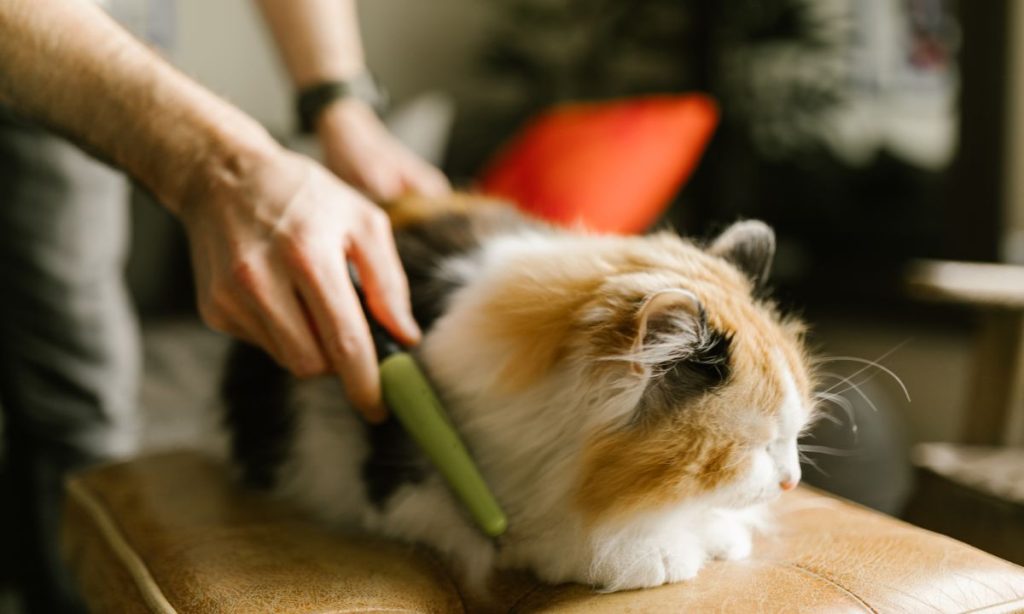
A grooming comb collects loose hair, skin flakes, oils, and sometimes traces of dirt after just one session. Leaving that buildup between uses can make the next grooming session less pleasant for your cat. Learning how to clean and store comb between grooming sessions is an easy way to protect the tool, keep your grooming routine organized, and spot damage before it catches in the coat. The cleaning method depends on whether the comb is stainless steel, plastic, wood, or a mixed-material tool. Start with the manufacturer’s care instructions, remove trapped fur, wash when suitable, and dry completely before storage. For households with long-haired cats, a properly maintained comb for long hair cats should glide comfortably through the coat without rough teeth or an unhygienic handle. This guide explains a practical repeatable routine.
Why cleaning the comb matters
Knowing how to clean and store comb between grooming sessions begins with understanding the buildup. Combing collects shed coat, oils, dandruff, and environmental dust. On fine teeth, this material can accumulate close to the base where it is easy to miss. A dirty comb may pull rather than separate hair smoothly. Removing debris also makes it easier to inspect individual teeth for bending or rough spots. Clean tools cannot guarantee a cat will avoid skin disease, but sensible hygiene limits unnecessary transfer of visible grime. FYI, a comb that looks clean from above can still hide fur at the tooth roots. A quick inspection after each session is often more effective than waiting for a major cleanup.
Remove loose hair immediately after use
The first practical part of how to clean and store comb between grooming sessions is removing loose hair while it is still easy to lift away. Work over a trash can and gently pull trapped fur from the teeth with your fingers or a soft brush designed for cleaning tools. Avoid dragging metal objects between the teeth because they may scratch protective finishes. If tangles have wrapped tightly around the comb, tease them apart rather than bending the teeth. Inspect the spaces between fine teeth and the joint between the handle and comb head. When debris has been removed, decide whether a dry wipe is enough or whether washing is needed. A heavily soiled tool should receive a more thorough clean.
Identify the comb material before washing
Different materials change how to clean and store comb between grooming sessions. Stainless steel combs often tolerate gentle washing with mild soap and water, but wooden handles and glued components may not tolerate soaking. Some plastic handles can discolor or degrade after exposure to harsh cleaners. Follow any instructions printed on the packaging or offered by the manufacturer. If the material is uncertain, use a lightly damp cloth and avoid immersion until you know it is safe. Do not assume every disinfectant can be applied to every comb. A high-quality grooming tool is not immune to careless maintenance, and a damaged coating or loose joint may make the tool uncomfortable for the cat.
Wash suitable combs with mild soap
For washable tools, how to clean and store comb between grooming sessions usually involves lukewarm water, mild unscented soap, and gentle brushing of the teeth and handle. Remove all visible debris first. Rinse thoroughly so soap residue does not remain on surfaces that will touch the coat. Avoid splashing wash water onto pet food preparation areas. Use a dedicated sink or clean the surface afterward according to normal household hygiene. Never use a cleaner solely because it smells stronger. Concentrated bleach, essential oils, and perfumed chemicals may be unsuitable around cats or damaging to the comb. When a comb has contacted an animal with a suspected contagious skin condition, obtain veterinary advice about disinfection rather than guessing at a chemical mixture.
Dry the comb completely before putting it away
Drying matters as much as washing when deciding how to clean and store comb between grooming sessions. Use a clean towel to remove moisture from the handle, tooth roots, and any narrow joint. Let the comb air-dry where children and pets cannot knock it down. Do not put a damp tool directly into a closed bag or drawer. Trapped moisture can encourage odor and may damage some materials over time. Inspect the teeth while drying for any rust-colored spots, cracks, or loose fittings. A metal comb that repeatedly corrodes may need replacement rather than stronger cleaning. A smooth, dry comb is easier to use gently on a long coat during the next session.
Inspect the teeth for damage and sharp edges
A crucial part of how to clean and store comb between grooming sessions is a quick safety inspection. Run your eyes along every tooth and look for bends, splinters, rough edges, loosened joins, or missing teeth. Do not run sharp comb tips across your own skin as a test. A damaged tooth can snag fur or scrape delicate skin. If the tool was dropped, inspect it before using it again. Where manufacturers offer replacement parts, follow their guidance. Do not reshape hardened metal teeth with household pliers unless the maker specifically permits that repair. The goal is a smooth grooming experience, not a perfect-looking tool rescued at any cost. A damaged comb belongs out of the grooming kit.
Store clean combs in a dry, protected location
The storage side of how to clean and store comb between grooming sessions should be simple. Choose a dry drawer, a clean ventilated pouch, or a dedicated grooming organizer away from damp bathrooms. Keep fine-toothed combs protected so the teeth do not rub against scissors, clippers, or hard metal accessories. If you use a closed case, confirm the comb is dry first. For a family with young children, store sharp grooming accessories out of reach. A dedicated grooming space also makes it easier to find your tools when your cat is calm and cooperative. IMO, hunting for a missing comb while a cat waits is a surprisingly efficient way to end a grooming session early.
Keep tools separate when cats have skin concerns
If several pets share grooming tools, knowing how to clean and store comb between grooming sessions becomes especially important. Remove fur after each cat, clean the tool according to its material, and avoid transferring a dirty comb directly between animals. Do not share a comb used on a cat with suspected ringworm, parasites, or an unexplained rash until your veterinarian advises it is safe and provides appropriate cleaning guidance. Some infectious agents require specific disinfection methods beyond routine soap-and-water washing. Examine your cat’s coat and skin while grooming. Redness, sores, pain, bald patches, or sudden excessive flaking should prompt an appropriate professional assessment. Hygiene helps, but it does not replace diagnosis and treatment.
Match comb care to your cat’s coat
The way you apply how to clean and store comb between grooming sessions also depends on grooming frequency. Long-haired cats may need regular gentle detangling, so combs can accumulate fur quickly. For practical tool considerations, see our long-haired cat comb guide. Short-coated cats may require a different grooming tool, and our guide to short-haired cat grooming brushes explains that distinction. Choose a comb with smooth teeth appropriate for your cat’s coat. Cleaning does not fix poor tool fit. Stop if your cat seems painful, frightened, or repeatedly pulls away, and do not force a comb through tight mats.
Create a repeatable after-grooming routine
A reliable system for how to clean and store comb between grooming sessions can take only a few deliberate steps: remove hair, inspect the teeth, wash if appropriate, rinse, dry, and store. Keep a small clean cloth near the grooming area. Once a week, review the condition of your kit and replace worn accessories. For flea checks, a flea comb for cats may require extra attention because its closely spaced teeth trap fine debris. If you find fleas or suspect skin disease, consult your veterinarian for an appropriate plan. The comb’s maintenance routine should support comfortable handling and hygiene without turning every brushing session into a complicated chore.
Frequently Asked Questions
How often should I clean a grooming comb?
Remove fur after every session. Wash a suitable comb whenever it becomes visibly dirty, oily, or used in a situation requiring extra hygiene.
Can I soak a comb with a wooden handle?
Avoid soaking unless the manufacturer’s care instructions permit it. Moisture may damage wood, finishes, or glued joints.
Should I use bleach to disinfect cat grooming tools?
Do not improvise disinfectant mixtures. For suspected contagious conditions, ask your veterinarian about an effective and material-safe protocol.
What if a tooth is bent or sharp?
Stop using the damaged comb. Replace it or follow the maker’s approved repair instructions before touching your cat’s coat again.
Where is the best place to store the comb?
Use a dry, clean, protected location, with the teeth away from heavy objects and the tool out of children’s reach.
Final Words
Learning how to clean and store comb between grooming sessions is mostly about consistency. Remove fur, wash only when the materials allow it, dry everything, inspect for damage, and keep the tool protected. If you groom a long-haired cat, our article about a comb for long hair cats explains coat-specific considerations. A cleaner tool and a calmer routine make grooming more pleasant for both you and your cat. The comb does not need a spa day; just sensible care.









