
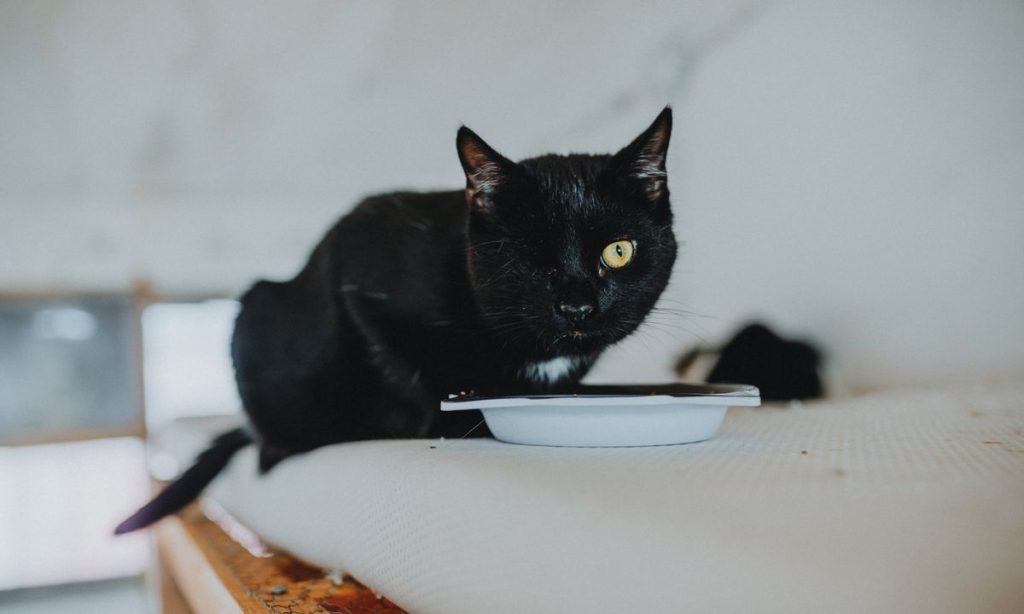
An FIV-positive cat can enjoy many healthy years, but diet changes deserve extra attention when appetite, weight, or immunity is a concern. Knowing how to switch fiv positive cat to a new cat food gradually helps you avoid abrupt feeding disruptions while monitoring the cat’s well-being. Feline immunodeficiency virus does not automatically require a special commercial diet. The priority is complete, balanced nutrition, safe food handling, and an individualized veterinary plan. Ask your veterinarian before switching if your cat has lost weight, developed mouth pain, or receives treatment for another condition. This guide covers preparation, a measured transition, symptoms worth recording, and times to seek help. For related dietary considerations, see our guide to cat food for fiv positive cat. A calm, consistent routine makes each observation more useful.
Talk with your veterinarian before changing food
The safest starting point for how to switch fiv positive cat to a new cat food gradually is a review of current health. FIV can weaken immune defenses, but many infected cats remain well for years. A veterinarian should assess appetite, body condition, dental health, diarrhea, vomiting, and recent weight changes. Explain why you want a new diet: life stage, acceptance, calorie needs, or another concern. These reasons call for different plans. If the cat has a prescribed diet, do not replace it without approval. Ask about scheduled monitoring and when to report changes. A food switch cannot treat FIV itself. It should support the animal’s nutritional needs without interfering with medical care.
Select a complete, balanced, and safe diet
Before deciding how to switch fiv positive cat to a new cat food gradually, check the new food’s nutritional adequacy statement. It should match the cat’s life stage and any veterinary restrictions. Cornell University’s feline health guidance specifically cautions against raw meat, raw eggs, and unpasteurized dairy for cats with FIV because foodborne infections may be especially dangerous. Choose hygienically prepared food and follow proper storage directions. Do not infer that a food labeled immune boosting can cure viral infection. Compare calories, moisture content, and whether your cat can comfortably chew the texture. Mouth inflammation or dental pain can make a previously acceptable diet hard to eat. A clinician can address those problems rather than assuming fussiness.
Establish a reliable baseline
To understand how to switch fiv positive cat to a new cat food gradually, begin with a simple three-day log of the existing routine when possible. Record the amount offered and eaten, appetite, stool frequency, vomiting, energy, and body weight if you can measure it safely. Notice whether the cat chews slowly, drops food, drools, or avoids certain textures. Dental and oral problems deserve prompt veterinary attention. Do not wait for the new food to fix painful eating. In a multi-cat home, feed separately so each cat gets its own ration. Keep fresh water nearby and avoid changing feeding times unnecessarily. Your observations will help distinguish a reaction to new food from an ongoing condition.
Use a slow food transition plan
A practical method for how to switch fiv positive cat to a new cat food gradually is to increase the new food in small steps over at least a week. With veterinary agreement, consider 25% new food and 75% old food for the first few days. Progress to half of each, then 75% new food, then the full new ration when tolerated. A ten-day or longer schedule can suit sensitive cats. These are starting proportions, not medical prescriptions. An FIV-positive cat with poor appetite or gastrointestinal illness may need a tailored plan instead. Do not withhold food to force acceptance. Ensure that the combined old and new portions fit the daily calorie target, especially when switching between wet and dry formats.
Pay attention to calorie differences
Measuring is central to how to switch fiv positive cat to a new cat food gradually. A cup of dry food and a can of wet food can deliver very different energy amounts. Read calories per cup, can, pouch, or kilogram and calculate each portion accordingly. Keep a food scale or consistent measuring method. Ask the veterinarian about a target daily intake if your cat is underweight, overweight, elderly, or recovering from illness. Unexplained weight loss may require medical investigation. Do not reduce calories abruptly to offset a change in food. Our cat food label guide explains how to compare life-stage statements and calorie information without relying on marketing claims.
Track tolerance and symptoms every day
During how to switch fiv positive cat to a new cat food gradually, record actual food intake rather than only what was placed in the bowl. Note stool firmness, vomiting, appetite, energy, drinking, litter-box changes, weight trends, and signs of discomfort. A cat that stays near food but will not eat may be nauseated or have oral pain. Changes in grooming and hiding behavior also deserve attention. For a calm cat, a weekly weight check may help, but your veterinary team should specify timing when weight loss is a concern. Keep your records concise so you can share them at follow-up visits. A gradual transition is useful because it makes the timing of changes easier to understand, although it cannot diagnose their cause.
Stop and seek help when intake drops
Knowing how to switch fiv positive cat to a new cat food gradually means knowing when the schedule must stop. If your cat eats much less, vomits repeatedly, develops significant diarrhea, or seems unusually weak, contact the veterinarian promptly. Do not persist with a new formula while a cat refuses meals. Feline anorexia can have serious consequences, especially in a medically vulnerable animal. Persistent fever, weight loss, mouth sores, coughing, or respiratory signs also need evaluation. Do not administer human digestive medicine or appetite stimulants without veterinary direction. A prescribed treatment may require different feeding instructions. The safest response is to assess the whole cat rather than changing the food again automatically.
Keep food and feeding supplies hygienic
Food handling is especially important when learning how to switch fiv positive cat to a new cat food gradually. Wash hands before and after food preparation. Clean food bowls routinely, refrigerate opened wet food according to the label, and discard food left at unsafe temperatures. Keep dry food in its original labeled packaging inside a clean sealed container when possible. Avoid raw animal products because of infection risks described in Cornell’s FIV guidance. Never share bowls with a sick animal without veterinary advice. Our guide to cleaning pet food and water bowls offers practical hygiene steps. A safe environment complements nutrition, but neither replaces veterinary care.
Manage picky eating without forcing a switch
The process of how to switch fiv positive cat to a new cat food gradually may need adjustment when a cat dislikes the new flavor or texture. Feed in a familiar quiet location. Some cats prefer separate small portions instead of a mixed bowl. Do not turn meals into a prolonged struggle. A reluctant cat may have dental pain, nausea, or another medical problem, so ask the veterinarian if rejection continues. Do not disguise symptoms with large amounts of treats, as these can upset calorie balance. When a veterinarian has prescribed a therapeutic food, ask about approved alternatives before substituting. Consistent feeding and careful recordkeeping help maintain nutritional intake while addressing the real reason for refusal.
Review the new diet at follow-up
After completing how to switch fiv positive cat to a new cat food gradually, assess several days of intake, stool quality, energy, and body condition. The outcome is not merely whether the cat ate one full bowl of new food. A stable or improving weight trend, normal stool, and comfortable eating are encouraging. Keep regular veterinary visits for FIV monitoring even when the cat looks healthy. Report persistent infections, mouth changes, unexplained weight loss, or lethargy. If nutrition remains challenging, the veterinarian may suggest a different texture, calorie target, or further assessment. Food is one part of long-term FIV management, along with appropriate preventive care, indoor living, and prompt treatment of secondary illnesses.
Frequently Asked Questions
Does an FIV-positive cat always need a special diet?
No. Many can eat an appropriate complete and balanced diet. Individual illness, weight, and veterinary recommendations determine whether modifications are necessary.
Can FIV-positive cats eat raw meat?
Cornell recommends avoiding uncooked meat, raw eggs, and unpasteurized dairy because of infection risks. Discuss safe nutrition with your veterinarian.
How many days should the switch take?
A gradual change over at least a week is a common starting point, but sensitive or unwell cats may need a tailored schedule.
What if my FIV-positive cat will not eat the new food?
Do not withhold food to force a change. Contact your veterinarian promptly, especially if overall intake has fallen.
Should I monitor weight during the transition?
Yes. Your veterinary team can recommend an appropriate weighing schedule and help assess changes in body condition.
Final Words
Learning how to switch fiv positive cat to a new cat food gradually means balancing a slow transition with vigilant health monitoring. Choose complete nutrition, avoid raw animal foods, measure portions, and ask for veterinary guidance whenever appetite or weight changes. Our related article on cat food for fiv positive cat gives additional context. A careful plan protects mealtime consistency while allowing your veterinarian to address the needs of the individual cat.
Reference
Cornell University College of Veterinary Medicine: “Feline Immunodeficiency Virus (FIV)” and “Feeding Your Cat.” Tufts University Cummings School of Veterinary Medicine: “How do I switch my pet’s food?” The Animal Medical Center: “Pet Food Transition Guide.”









