
A declawed cat may find an ordinary litter box uncomfortable, particularly if paw tenderness has continued after surgery. The best cat litter for declawed cats is therefore not one universal material. Recently operated cats need their surgeon’s specific aftercare instructions. Cats whose paws have long healed may prefer a soft, unscented texture, but some still favor familiar fine granules. In this comparison, I separate paper-based non-clumping choices from wood, corn, mineral, and clay formulas intended mainly for healed cats. We examine product materials, cleaning routines, and common texture tradeoffs rather than promising a medical benefit. Avoid forcing a sudden switch if the cat already uses a clean box reliably. Persistent pain or litter-box avoidance deserves veterinary assessment, because discomfort and urinary disorders can both change toileting behavior. Use these seven verified options to decide which types are worth trying.
For related guidance, compare our absorbent litter choices, litter tracking mats, and litter-box troubleshooting guide.
Quick Picks
This table separates temporary non-clumping options from everyday litter textures. Compare the intended use before jumping to an individual product explanation.
| Product | Best For | Key Advantage | Buy | |
|---|---|---|---|---|
| So Phresh Unscented Paper Pellet Litter | Postoperative paper option | Recycled paper and low dust | View on Amazon | Jump to Review |
| Fresh News MAX Recycled Paper Litter | Non-clumping odor control | Recycled paper with baking soda | View on Amazon | Jump to Review |
| ökocat Super Soft Wood Clumping Litter | Soft texture after healing | Fine wood fiber and clumps | View on Amazon | Jump to Review |
| World’s Best Comfort Care Unscented Corn Litter | Scoopable natural material | Corn granules and odor absorption | View on Amazon | Jump to Review |
| PetSafe ScoopFree Unscented Natural Litter | Non-clumping low-tracking choice | Unscented mineral pebbles | View on Amazon | Jump to Review |
| Dr. Elsey’s Ultra Unscented Clay Litter | Familiar fine-grain preference | Fine clay and firm clumps | View on Amazon | Jump to Review |
| Nature’s Miracle Corn Cob Clumping Litter | Alternative plant granule | Corn-cob absorbency and bio-enzymes | View on Amazon | Jump to Review |
1. So Phresh Unscented Paper Pellet Litter

What We Like
- Unscented paper pellets
- Low-dust product positioning
- Absorbs litter-box moisture
- Recycled-paper composition
What We Don’t Like
- Pellet texture may feel firm
- Non-clumping cleanup routine
So Phresh supplies an unscented paper-pellet format for people trying to avoid fine mineral litter around delicate paws. The listing describes odor absorption, low tracking, and a mostly recycled-paper composition. Those are practical attributes when the priority is keeping a litter area simple and easy to inspect. A pellet, however, is not automatically a comfortable surface for every cat. For a cat that has had a declaw procedure, focus on its current paw condition rather than choosing litter only by the procedure’s history. A healed cat and a cat with open incisions have very different needs.
This is a non-clumping style, so you cannot manage a box in the same way as one filled with scoopable clay. Remove solid waste promptly, watch for wet spots, and follow the package guidance for changing the absorbent material. For a cat recovering from surgery, the veterinarian’s litter instructions take priority over any generic product recommendation or convenience claim. Keep an extra clean tray in a quiet location while you assess any new litter. It gives the animal a way to express preference without losing reliable toilet access.
The main tradeoff is the size and feel of the pellets. Some cats dislike standing or digging in large pieces, especially when their toes remain sensitive. Offer a low-entry box and observe whether the cat enters willingly or perches on the edge. If the cat avoids the tray, discuss discomfort with the veterinarian instead of assuming stubborn behavior. Avoid changing the box shape, litter substrate, and placement simultaneously. When a problem appears, separate changes make it easier to see what the cat dislikes.
My Recommendation
So Phresh makes sense when your veterinarian recommends a non-clumping paper substrate after surgery. Its recycled pellets are easy to inspect, but they may feel too firm under some paws. Keep the box low and clean. Follow the surgeon’s timeline before switching back to an ordinary clumping litter.
2. Fresh News MAX Recycled Paper Litter

What We Like
- Non-clumping paper structure
- Recycled paper ingredient
- Baking-soda odor system
- Practical bulk-size bag
What We Don’t Like
- Not scoopable into urine clumps
- Pellets may discourage digging
Fresh News MAX is another paper-based option, but its value proposition centers on non-clumping moisture management with added odor-control ingredients. The maker describes recycled paper and a baking-soda system. For an owner monitoring sensitive paws, the absence of a clay-like fine grain may appeal. Texture is still an individual preference, and the presence of baking soda should not be confused with medical protection. Check the package instructions for the intended depth and cleanup method, then watch the cat actually use the product. Comfortable digging and ordinary entry are better signals than advertising copy.
Its larger pack may suit a household that changes the box frequently instead of scooping wet clumps. Spread the recommended depth, remove feces regularly, and replace damp areas before a strong smell develops. It is worth keeping one familiar box available during a transition when the veterinarian permits that approach. Consistent access matters more than trying to switch every box at once. The best choice also depends on how easily waste can be removed without letting damp material accumulate. Owners should compare everyday maintenance before selecting a large bag.
Fresh News MAX can be a poor fit for cats that insist on digging in sand-like substrate. Paper pellets change how moisture appears in the tray, so inspect the litter rather than depending on hardened clumps. If the cat has fresh surgical wounds, obtain specific postoperative directions before selecting any brand. A strong odor or sudden box aversion deserves investigation, not more fragrance. If an animal begins avoiding the litter box, ask about medical causes before treating the issue as a training problem. Paws and urinary health both warrant attention.
My Recommendation
Fresh News MAX is worth comparing if you want paper litter with baking-soda odor control during a vet-approved recovery period. Its pellet format changes the cleanup routine and may discourage a cat accustomed to fine grains. Watch how willingly your cat digs before choosing a large bag.
3. ökocat Super Soft Wood Clumping Litter

What We Like
- Fine, softer wood-fiber texture
- No added fragrance in listing
- Clumps for routine scooping
- Designed with sensitive paws in mind
What We Don’t Like
- Clumping unsuitable for fresh incisions
- Plant fibers may still track
The distinguishing feature of ökocat Super Soft is a fine-textured wood-fiber litter rather than typical rigid paper pellets. Its manufacturer markets the surface for sensitive paws and describes unscented plant-based material. That makes it an appealing comparison for a declawed cat whose paws have already healed but who dislikes coarse litter. The product is clumping, which changes the decision considerably. Choose a separate trial tray when possible instead of replacing every litter box in the home. Cats differ greatly in substrate preferences, especially after a painful experience.
A finer substrate can encourage natural digging behavior, and the scoopable format may simplify day-to-day waste removal. Its wood fibers absorb moisture and form clumps according to the listing. Introduce it in a separate box if possible, especially when a cat is reluctant to change established habits. Observe tracking, dust, and the cat’s willingness to stand flat rather than hover awkwardly. Scoopability and comfort are separate characteristics. A formula can be easy for an owner to clean yet feel wrong under a cat’s feet, or the reverse.
Do not use this clumping litter around open incisions merely because it is advertised as soft. Tiny particles can contact healing tissue, and postoperative choices should follow the surgeon’s explicit instructions. Even after recovery, plant-based litter is not necessarily allergy-free or comfortable for every animal. The sensible measure is consistent box use and paw comfort, not a material label alone. For cats with lasting sensitivity, arrange a veterinary evaluation of the feet rather than repeatedly purchasing new litter and hoping the pain resolves.
My Recommendation
For a fully healed cat that dislikes coarse granules, ökocat Super Soft provides a fine wood-fiber surface with convenient clumping. I would not use it around fresh surgical wounds without veterinary clearance. Offer it beside the familiar litter first, then watch the cat’s digging and willingness to enter.
4. World’s Best Comfort Care Unscented Corn Litter

What We Like
- Unscented corn formulation
- Scoopable urine clumps
- Lighter natural granules
- Odor-absorption focus
What We Don’t Like
- Loose grains around paws
- Not a postoperative default
World’s Best Comfort Care is an unscented corn-based clumping option for cats that accept a granular surface. It offers a different feel from paper pellets and a different material from traditional clay. The manufacturer’s listing emphasizes moisture absorption, odor management, and lighter handling. None of those features establishes suitability for a newly declawed cat; the distinction between recent surgery and an older declaw is critical. Scent matters because strong perfumes can discourage some cats from using the box. Unscented versions give you a simpler baseline for testing texture and acceptance.
For a fully healed cat, the clumping behavior can make urine deposits easier to find and remove. Maintain a clean tray and pay attention to whether your cat still digs normally. Granule preference varies, so a comparison box with another unscented substrate is a useful low-pressure test. Keep the litter depth and location predictable while you assess the change, rather than altering several environmental factors together. A tidy floor is helpful, but it is not the primary outcome. Reliable use of a clean and accessible tray is what ultimately matters to the cat.
Corn litter may scatter differently from paper or clay, and it still produces loose particles around feet. Avoid assuming that a marketed low-dust claim means literally no airborne material. If a cat tracks unusually or repeatedly licks sore toes, check with a veterinarian. Owners who need a strict non-clumping postoperative material should start with an approved paper choice rather than this scoopable product. Check for irritation, unusual gait, and reduced toileting as you switch materials. Those observations help distinguish preference issues from potential illness.
My Recommendation
World’s Best Comfort Care suits a healed cat that prefers unscented granules and an easy-to-scoop box. Its corn-based clumps simplify housekeeping, but loose particles remain a concern during recent surgical recovery. Compare it with a veterinary-approved paper option if your cat has tenderness or avoids the tray.
5. PetSafe ScoopFree Unscented Natural Litter

What We Like
- No perfume or dyes listed
- Low-tracking pebble format
- Non-clumping substrate
- Lightweight bag positioning
What We Don’t Like
- Pebbles can feel firm
- Replacement routine differs from clay
PetSafe’s natural unscented litter uses mineral pebbles rather than the fine clay granules many cat owners know. The listing says there are no added perfumes or dyes and places particular emphasis on low tracking. That can help keep the floor around a box tidier. For a declawed cat, though, the feel of the individual pieces matters as much as how much mess reaches the floor. Texture is a purchasing decision, not just a technical detail. Some cats prefer tiny grains while others tolerate pellets better, so test options carefully.
Because the formula is non-clumping, waste management relies on the product’s own cleaning and replacement instructions. Check compatibility carefully if you plan to use an automatic box; never assume every litter works with every mechanism. A standard open tray may offer a clearer way to observe how a cat moves on the pebbles. If possible, let the cat compare it with a softer alternative. A non-clumping substrate needs a different maintenance routine from conventional scoopable litter. Match replacement frequency to actual moisture and the maker’s directions.
The potential weakness is firmness underfoot. Pebble-like particles may not suit a cat that already flinches, walks delicately, or avoids digging. An unscented mineral substrate also does not provide treatment for paw pain or behavioral avoidance. Treat it as an option to trial for a healed cat that prefers low tracking, not a blanket recommendation for recent surgery or chronic sensitivity. Do not treat a product as universally gentle because its packaging mentions sensitive animals. Individual paw pain and environmental history can change its suitability.
My Recommendation
PetSafe’s unscented mineral pebbles are worth considering if low tracking matters and your cat tolerates a firmer surface. Because this formula does not clump, maintenance differs from clay. I would prioritize a softer trial for a cat that perches on the box rim or flinches when digging.
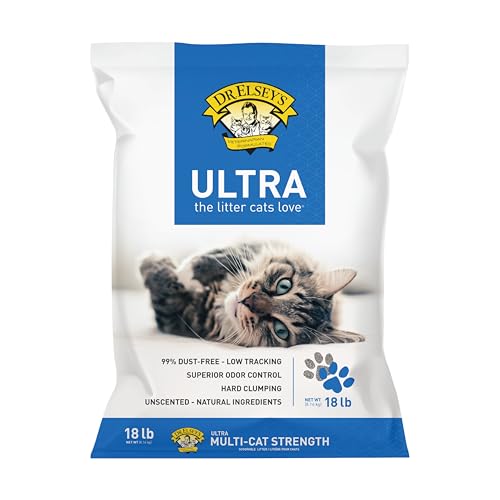
6. Dr. Elsey’s Ultra Unscented Clay Litter
What We Like
- Fine-grain familiar texture
- Fragrance-free product listing
- Firm clumping for scooping
- Low-dust manufacturer claim
What We Don’t Like
- Clay unsuitable during fresh healing
- Heavy bag to handle
Dr. Elsey’s Ultra is a conventional unscented bentonite-clay litter, included because some fully healed declawed cats continue to prefer a familiar fine-grain surface. The manufacturer lists a controlled granule size, low dust, and strong clumping performance. It is not designed as surgical aftercare litter. Its place in this comparison is for owners weighing ordinary box acceptance against concerns about a different substrate. Before a complete litter swap, review whether the cat has existing reluctance to enter the box. That baseline helps you interpret changes after introducing a new substrate.
Clumping clay is straightforward to scoop and allows owners to see urine output patterns, although a litter box cannot diagnose disease. If your cat has always used this type comfortably, changing to pellets may be unnecessary once the veterinarian has confirmed the paws are healed. Keep the box easy to access, maintain a comfortable depth, and monitor whether the cat bears weight normally. Cleanliness, a quiet position, and a low entry can be just as important as the litter itself. Expensive material cannot compensate for an uncomfortable setup.
The same fine grains that make the surface familiar can be a disadvantage if the paws have open wounds. Do not rely on a dust-percentage claim as permission to use clay after an operation. The bag is also comparatively heavy, which matters if lifting and carrying litter is difficult. For severe tenderness or continuing avoidance, investigate pain and provide suitable alternative substrates with veterinary help. A veterinary team can recommend temporary paper-based care after surgery. Their advice takes precedence over a general shopping list or online product description.
My Recommendation
Dr. Elsey’s Ultra suits a fully healed cat that has always preferred familiar fine-grain clay. It clumps firmly and may simplify scooping, but loose grains are inappropriate around fresh surgical incisions. Keep postoperative instructions separate from long-term preferences, and investigate any ongoing foot sensitivity rather than simply changing brands.
7. Nature’s Miracle Corn Cob Clumping Litter

What We Like
- Processed corn-cob material
- Clumping odor-control system
- Alternative to clay mineral grains
- Plant-based formula
What We Don’t Like
- Granule comfort varies
- Not suitable by default after surgery
Nature’s Miracle Corn Cob gives owners a plant-based granular alternative with clumping behavior. The listing describes processed corn cob, liquid absorption, and a bio-enzymatic odor-control formula. The appeal is a different substrate profile for a cat that rejects both paper pellets and standard clay. There is no basis for claiming this mix prevents or treats postoperative problems, and its individual texture needs evaluation. A cat that stands on the rim rather than the litter may be telling you the surface feels unpleasant. Watch normal behavior before judging success.
The manufacturer positions the product as quick clumping, which can simplify finding and removing wet spots in a healed cat’s litter box. Try it in one separate tray before discarding familiar litter. A sensitive cat may respond better to having choices than to being forced to use a new texture overnight. Check the resulting clumps and clean the tray frequently to protect normal toilet habits. Give a newly introduced litter enough observation time while keeping a familiar option available when appropriate. Abrupt forced change risks making avoidance worse.
Corn-cob granules are not guaranteed to feel soft, even when described as natural. The enzyme marketing pertains to odor control, not paw healing or urinary health. Since this is a clumping formula, ask the veterinary team before using it during any fresh surgical recovery. If the cat refuses the box or seems painful, the appropriate response is assessment and a gentler litter plan. Always put medical concerns first. Persistent paw tenderness, straining to urinate, or blood in the urine requires prompt veterinary guidance, not a different brand alone.
My Recommendation
Nature’s Miracle Corn Cob is a possible plant-based clumping alternative once your cat has healed. Its granular texture and odor-control system deserve consideration, but neither guarantees paw comfort. Offer a separate trial box and watch whether the cat stands and digs normally before making a permanent change.
How to choose best cat litter for declawed cats
Start with your cat’s current paw condition, then compare substrate texture, scent, clumping behavior, and cleaning needs. A recently operated cat may need temporary litter approved by the surgeon, while a fully healed cat can have different preferences. Use these practical checks before switching.
Separate the healing period from long-term comfort
A cat immediately after a declaw procedure is different from one that recovered years ago. Fresh incisions can be irritated by loose clumping particles, so obtain specific postoperative litter advice from the surgical team. Paper-based materials are often discussed for this short period, but even paper pellets can feel uncomfortable to some cats. Ask how long the temporary substrate is needed and when a return to ordinary litter is appropriate. Do not substitute a general product ranking for aftercare directions. Persistent pain, swelling, reluctance to stand, or unusual walking should prompt medical follow-up.
Use texture, scent, and box behavior to guide a trial
Cats often prefer a fine, unscented, sand-like substrate, but individual needs vary. A cat that has experienced foot pain may form a strong association between the tray and discomfort. Offer two clean boxes with different litter textures when practical. Check which box the cat chooses, whether it digs comfortably, and whether it perches on the edge. Avoid perfumes and unnecessary deodorizing additives during a comparison. Keep the box accessible, roomy, and in a quiet place. Gradual changes help you distinguish a genuine texture preference from avoidance caused by abrupt environmental changes.
Balance housekeeping with health signals
Clumping products make daily urine scooping convenient; non-clumping pellets typically require more frequent removal or replacement of wet material. Neither format proves that a product is medically safe for a specific patient. Choose a maintenance routine you can follow every day. Keep litter depth consistent while comparing options, and do not judge comfort only by how much tracking appears on the floor. Straining, frequent attempts to urinate, blood in urine, or no urine output are not shopping problems. A cat unable to pass urine needs emergency veterinary care. A stable, clean box and a comfortable cat matter more than a manufacturer’s odor-control promise.
Frequently Asked Questions
These questions address common litter concerns after declawing, including healing, texture preference, and when a veterinary examination is needed.
Is paper litter better right after declaw surgery?
A veterinary team may recommend a specific paper-based non-clumping material while surgical sites heal. Follow the surgeon’s instructions, because the right substrate and duration depend on the cat’s condition.
Can a healed declawed cat use clumping litter?
Often a healed cat can use a familiar clumping material, but pain, irritation, and preferences vary. Seek veterinary guidance when sensitivity or avoidance persists.
Why does my declawed cat stand on the edge of the litter box?
That behavior can indicate dislike of the surface, discomfort, or another problem. Try a clean accessible tray and request a veterinary evaluation if the behavior continues.
Should I buy scented litter to control odor?
Unscented litter is usually a simpler starting point for sensitive cats. Frequent waste removal and regular washing of the box help manage odor without perfume.
What if my cat suddenly stops urinating in the box?
Check promptly for medical or pain-related causes. Straining with little or no urine can signal an emergency, especially in male cats, and requires immediate veterinary attention.
Final Verdict
For a freshly operated cat, begin with the surgeon’s instructions rather than an online ranking. So Phresh and Fresh News are paper-based options worth discussing for temporary non-clumping use; individual pellet comfort still matters. For a fully healed cat preferring finer texture, ökocat Super Soft or another familiar unscented litter may be easier to accept. Trial one variable at a time, monitor box behavior, and seek veterinary care for ongoing pain or urinary symptoms.
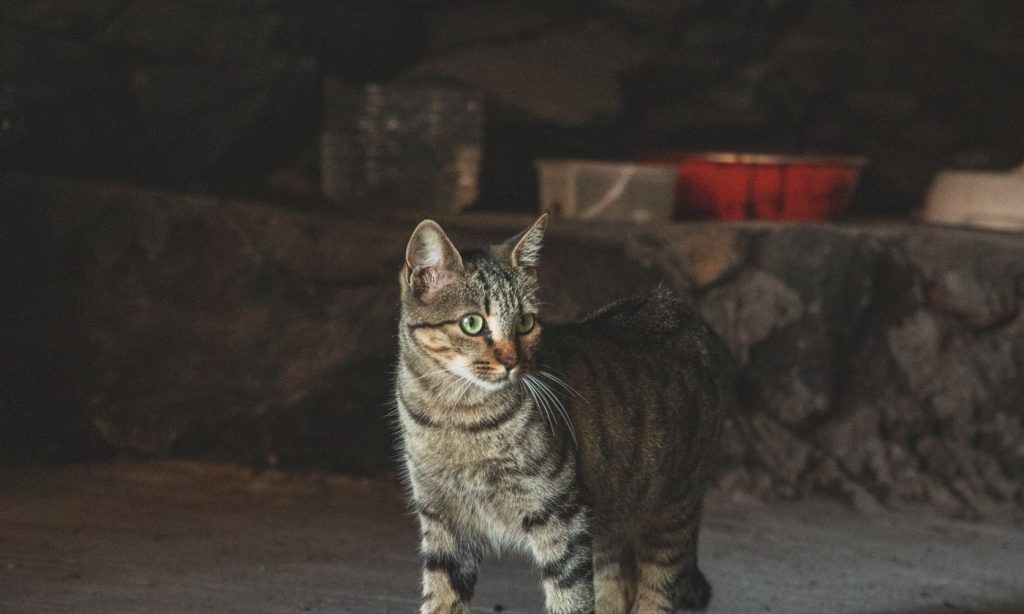
Featured photograph source: Pexels.com, photo 18812680; used under the Pexels License.
As an Amazon Associate, PetAdvisorPro earns from qualifying purchases. This article contains affiliate links to products on Amazon. If you buy through these links, we may earn a commission at no additional cost to you. Recommendations are based on publicly available product information and practical suitability considerations, not personal hands-on testing.









