
Introduction
Understanding how feeding needs change for Australian Cattle Dogs through adulthood helps you keep a muscular, active breed in healthy condition without assuming that every dog needs the same number of calories. Australian Cattle Dogs are often energetic and eager to work, but an individual pet may spend much of the day indoors. Exercise, metabolism, age, reproductive status, and health all influence daily food needs.
Instead of following a breed-wide portion chart, start with a complete and balanced diet, check body condition, and review actual activity. Our guide to dry dog food for australian cattle dog explains food-label considerations, while this article focuses on adjusting meals over time. You will learn what changes after growth, how to feed a highly active adult, when to reduce calories, and how to spot a need for veterinary nutrition advice.
The transition from puppy growth to adult maintenance
Growing puppies need diets formulated to support development, and they often eat differently from mature dogs. Once an Australian Cattle Dog approaches adult size, the focus shifts toward maintaining lean muscle, stable body weight, and suitable energy for daily activity. There is no single birthday when every dog suddenly needs an adult feeding amount. Your veterinarian can guide the transition based on growth and body condition.
An adult maintenance diet should have a nutritional adequacy statement for the appropriate life stage. Check whether the food is complete and balanced rather than treating an attractive ingredient list as proof of quality. If changing formulas, introduce the new food gradually while watching stools, appetite, and tolerance. Do not cut portions aggressively simply because the dog has reached an estimated adult weight.
What a healthy adult body condition looks like
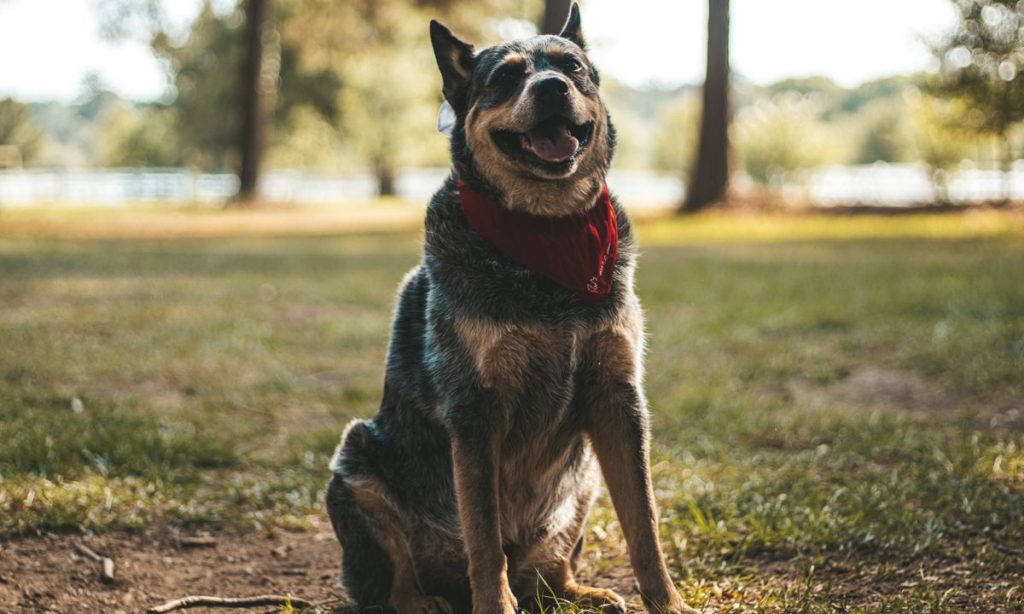
For many dogs, the ribs should be easy to feel beneath a modest fat covering without protruding sharply. Viewed from above, a waist should be visible, and from the side there should be an abdominal tuck. Coat thickness can hide these cues, so use hands as well as eyes. A veterinarian can demonstrate a nine-point body condition score and assess muscle condition separately.
Energy changes from young adult to mature adult
How feeding needs change for Australian Cattle Dogs through adulthood depends greatly on routine. A young adult who hikes and trains daily may use more energy than one who enjoys shorter neighborhood walks. The same dog can have different calorie needs during a busy season and a quiet one. A fixed cup measurement ignores those changes and can gradually cause weight gain or loss.
Start with the feeding guidance on the food label as an estimate, not a prescription. Calculate portions from the actual calories listed per cup, can, or kilogram and your veterinarian’s daily energy estimate. Reweigh the dog regularly and adjust gradually based on the trend. The guide to estimating daily dog-food portions explains how to turn calorie needs into measurable servings without guessing.
A simple monitoring rhythm
Record body weight, body condition, average activity, meals, and treats at consistent intervals. Monthly checks can reveal gradual changes that a daily glance misses. If the dog gains fat while activity falls, review total calories. If muscle is declining, appetite changes, or weight falls unexpectedly, consult your veterinarian instead of simply adding large amounts of food.
Feeding a working or highly active Australian Cattle Dog
A herding dog doing sustained physical work may require more energy than a pet with moderate exercise. Duration, intensity, weather, body size, and recovery all matter. Extra calories should support a real increase in workload, not just a breed reputation for being energetic. Sudden overfeeding can create digestive upset, while insufficient intake may leave a dog underconditioned.
If work is demanding, discuss the diet’s calorie density, digestibility, hydration, and meal timing with your veterinarian. Avoid strenuous activity immediately after a large meal, and provide access to fresh water. Monitor the dog’s energy, stool quality, body condition, and performance. If activity varies from week to week, measure portions rather than free-pouring food and assuming the dog will self-regulate.
Treats count even when training is frequent
Australian Cattle Dogs often enjoy reward-based training, which can add many small snacks across a day. Include those calories in the daily total and consider using part of the regular ration for simple rewards when practical. Training treats are not nutritionally complete replacements for meals. For most healthy dogs, treats should represent only a small share of the diet, commonly no more than about ten percent of daily calories.
Weight changes after neutering or lower activity
A dog’s calorie needs may decrease after neutering, especially if activity also changes. Some dogs become less active as household routines shift, regardless of surgery. Reassess food portions rather than waiting for an obvious round belly. Large portion cuts without checking the diet may reduce essential nutrient intake, so choose a sensible plan and monitor weight and muscle together.
If your Australian Cattle Dog begins to gain weight, review the total: meals, training rewards, chews, table scraps, and food shared by family members. Measure with a kitchen scale when possible because cups can vary. Ask the veterinarian for an appropriate target body condition and safe rate of change. Weight management is more useful than chasing a breed-average number on a website.
Watch for hidden changes
A sudden decline in energy may reflect pain, illness, or a change in routine rather than an ordinary aging process. Excess thirst, increased urination, vomiting, or unusual weight change deserves a veterinary assessment. Do not assume a new diet is the answer to a medical problem. Feeding plans need to change when health changes, but diagnosis should come first.
Nutrition for the mature and senior years
How feeding needs change for Australian Cattle Dogs through adulthood becomes especially individual during maturity. Many older dogs exercise less and need fewer calories, yet some lose muscle or have medical conditions that alter their needs. Age alone does not justify a drastic diet change. Body condition, muscle condition, appetite, dental health, and activity provide more useful clues.
Senior diets are not all identical, and there is no universal nutritional formula that every senior dog must eat. An older dog with stable weight and good health may continue an appropriate adult diet under veterinary guidance. Others need changes in calorie density, digestibility, or nutrient profile. Ask for a nutritional assessment at routine checkups and whenever appetite, strength, or weight shifts.
Do not overlook lean muscle
An older dog can gain body fat while losing muscle. A stable weight therefore does not always mean ideal nutrition. Assess the muscles around the skull, shoulders, spine, and thighs with veterinary guidance. Encourage appropriate movement as tolerated. If chewing becomes painful or arthritis limits activity, address those issues clinically rather than relying on food adjustments alone.
How to read food labels and plan consistent meals
Select a food labeled for the dog’s appropriate life stage and read the calorie statement. Calories per cup may differ markedly between diets, so keeping the same cup volume after a food change can produce a new energy intake. Compare the nutritional adequacy statement, manufacturer information, feeding directions, and digestibility evidence when available. The guide to reading dog-food labels explains practical label checks.
Divide the measured daily allotment into meals that suit your dog’s routine. Fresh water should always be available. Avoid letting multiple family members independently add snacks or second dinners. Reassess the plan after travel, seasonal activity changes, illness, or a different food. A short feeding log can explain a weight trend more clearly than memory, particularly in a busy household.
A worked portion example
Suppose a veterinarian estimates that a healthy adult dog needs 900 calories daily, including treats. If a food provides 360 calories per cup and treats provide 90 calories, the remaining 810 calories equal 2.25 cups of that food per day. This is only arithmetic, not a breed-specific calorie recommendation. The dog’s real daily needs and food energy values must be individualized and checked over time.
When to ask for veterinary nutrition support
Some changes require more than adjusting a scoop. Contact your veterinarian for unexplained weight loss, persistent digestive problems, reduced appetite, excessive thirst, or rapidly changing exercise tolerance. Pregnant, nursing, chronically ill, or highly athletic dogs may need individualized plans. Homemade diets should be formulated with qualified veterinary nutrition guidance so essential nutrients are not missed.
If you are unsure how feeding needs change for Australian Cattle Dogs through adulthood in your household, bring a food label, portion log, treat list, and recent weights to the appointment. A clinician can assess body condition, review calorie intake, and identify whether health testing is needed. Small, measured changes backed by observations are safer than switching foods repeatedly on guesswork.
Frequently Asked Questions
These questions help distinguish normal feeding adjustments from problems that need professional evaluation. An Australian Cattle Dog’s appetite can be enthusiastic, but appetite alone cannot tell you whether a portion is right. Body condition and consistent measurement are more dependable tools.
Use your dog’s regular weight and activity records to answer the practical questions below. If the dog has a medical condition, pregnancy, unusual weight changes, or performance demands, seek a tailored plan rather than treating these general answers as exact feeding instructions.
Do adult Australian Cattle Dogs always need high-calorie food?
No. Food quantity should reflect actual work and activity, not breed reputation. A sedentary dog may need substantially less than one doing strenuous daily exercise.
How often should I change my dog’s portion?
Adjust only when monitoring suggests a need, such as weight or body condition changes. Check results after gradual adjustments rather than changing portions every day.
Is a senior food necessary at a certain age?
Not always. Senior nutrition is individualized. Ask your veterinarian whether your dog’s health, muscle, and body condition support a change.
Can I give extra food on hiking days?
You may need to account for unusually high activity, but the amount depends on the dog’s workload and overall energy budget. Make changes thoughtfully.
Should I feed by cups or weight?
A gram scale usually offers more consistent measurement than loosely filled cups. Check the food’s calorie statement and use a veterinarian-guided target.
Final Words
Knowing how feeding needs change for Australian Cattle Dogs through adulthood means watching the dog in front of you, not following a rigid breed chart. Growth ends, activity shifts, muscle changes, and health needs evolve. Measure calories, track body condition, count treats, and adjust food gradually when evidence supports a change.
Your guide to dry dog food for australian cattle dog can help you understand dietary choices, but your veterinarian should set the individual target. For stable, healthy adults, consistency and monitoring often matter more than frequent formula switches. If weight, appetite, or energy changes unexpectedly, request a veterinary assessment before making major diet changes.









