
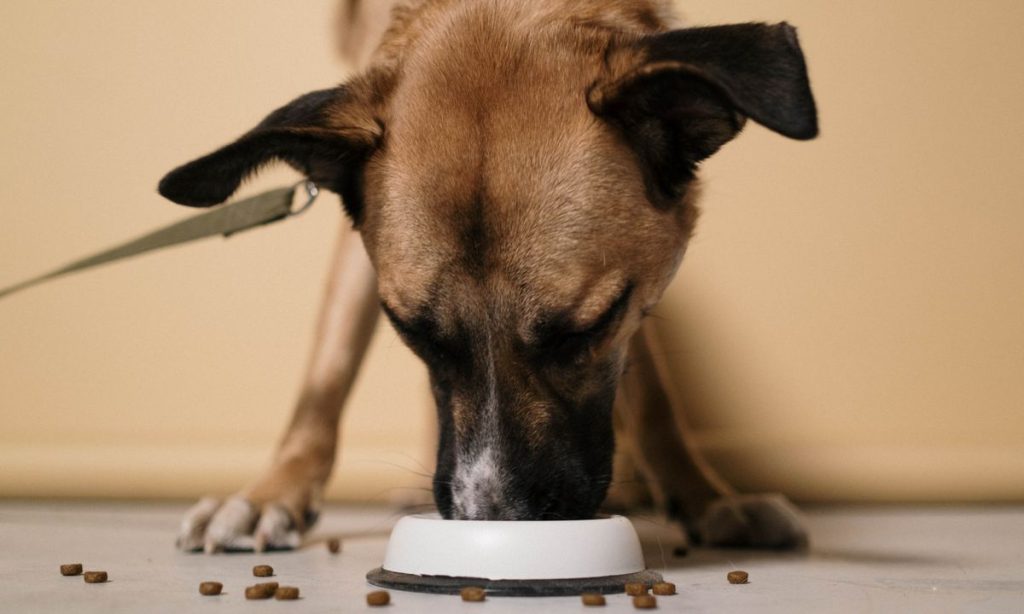
Introduction
Knowing how to switch dogs after dental surgery to a new dog food gradually is useful because the mouth needs time to heal, but the stomach also needs a predictable feeding routine. After extractions or other oral procedures, many dogs temporarily need food that is soft and easy to swallow. Changing the diet too quickly can cause digestive upset, while crunchy pieces may irritate a healing site.
Always begin with the veterinary discharge instructions. The right texture and feeding schedule depend on the procedure, sutures, pain control, and your dog’s health. Our guide to soft food for dogs after dental surgery provides context on gentle meal textures. Here, the focus is a cautious transition plan, portion tracking, warning signs, and deciding when it is safe to resume a usual diet or introduce a lasting new one.
First, follow the post-surgery feeding instructions
Your veterinarian knows whether your dog had a routine cleaning, one extraction, several extractions, jaw surgery, or another procedure. Those differences affect when feeding can resume and which texture is appropriate. The clinic may recommend soft or premoistened food for a defined healing period. Do not substitute a general online timetable for these instructions, particularly if an extraction site has stitches or complications.
After anesthesia, dogs may be sleepy or mildly nauseated. Ask when to offer water and the first meal and whether the portion should initially be smaller. Offer food only when the dog is alert enough to swallow normally. Follow prescribed medication directions, including whether a dose must be given with food. Never force-feed a drowsy dog or mix medication into food without checking the instructions.
Questions to settle before the first meal
Confirm the allowed texture, meal size, and when to recheck the mouth. Ask whether soaking the usual food is acceptable or whether a different food is necessary. Clarify which treats and chew toys to avoid, how long restrictions apply, and what symptoms require immediate contact. Written answers will help everyone in the household offer consistent meals during the recovery period.
Choose a soft texture without unnecessary changes
Sometimes the simplest approach is to soften the food your dog already eats. If your veterinarian approves, you may moisten the usual kibble with clean warm water and allow it to soften fully before serving. Another option may be a complete and balanced soft form of the current diet. Keep the meal at a comfortable temperature, not hot, and avoid hard toppings or bones.
If you must change to a different formulation, review its life-stage suitability and calorie content. Wet food and soaked kibble can have very different calories per serving, even when the bowl looks equally full. Read the feeding label and calculate a comparable daily intake. Our guide to understanding dog-food labels explains the nutrition statement and calorie information. Ask your veterinarian about special diets or medical restrictions.
Avoid hard or irritating foods
Do not offer crunchy biscuits, hard chews, rawhide, bones, or tough snacks until the clinician clears them. Small pieces can become lodged around healing tissue. Avoid spicy, salty, or seasoned human leftovers. Dental surgery is not the time to test unfamiliar treats. If the dog refuses a permitted texture, contact the clinic instead of repeatedly offering risky alternatives.
A flexible gradual transition after veterinary clearance
How to switch dogs after dental surgery to a new dog food gradually depends on whether the change is temporary or permanent. If the veterinarian only wants a short-term soft texture, you may not need to change the underlying food formula at all. If a new complete diet is truly needed, a gradual transition often helps reduce digestive upset once eating is stable and the clinician approves.
For a healthy dog whose veterinarian approves a normal transition, you can use a general weeklong pattern as a starting point. Feed mostly old food for the first few days, then move toward a balanced mix, and finally mostly new food. Slow down for sensitive digestion. During dental healing, every portion must remain at the approved soft consistency; never add crunchy old kibble simply to match a percentage.
An example seven-day transition
Days one and two might use roughly 75 percent of the old approved food with 25 percent new. Days three and four might use an even mix. Days five and six might use 25 percent old and 75 percent new. Day seven may be all new food if the dog tolerates it. This example is not a post-extraction medical timetable. The veterinarian’s discharge plan always overrides it, and some dogs need a slower transition.
Monitor eating, discomfort, and digestion
Keep a written log of how much your dog eats at each meal, whether food is dropped, and whether chewing seems uncomfortable. Note stool consistency, vomiting, drinking, and general behavior. Dogs may eat more slowly after dental work, but persistent reluctance, crying, pawing at the mouth, or refusal to eat requires veterinary guidance. Do not assume these signs are just pickiness.
Watch for significant bleeding, worsening facial swelling, foul discharge, repeated vomiting, marked lethargy, or pain that seems uncontrolled. Seek urgent advice if your dog cannot swallow, has breathing difficulty, or becomes severely weak. A small change in appetite after anesthesia may occur, but ongoing poor intake can interfere with recovery. Ask the clinic what is expected for the specific procedure.
What to do when diarrhea appears
If soft food changes cause loose stools, contact the veterinary team, especially if diarrhea is persistent or accompanied by blood, vomiting, or poor appetite. They may advise slowing or pausing the transition, but never ignore the surgical restrictions to correct stool changes. Maintain access to water. Do not give human antidiarrheal medicine without veterinary approval.
Keep portions and food safety consistent
Switching from kibble to canned food or a moistened diet requires attention to moisture and calories. A wet meal weighs more largely because it contains water. Use the calorie statements instead of matching old and new foods by equal bowl volume. Divide the intended intake into the number of meals the veterinarian recommends. For dogs recovering from anesthesia, smaller portions may be appropriate initially if the clinic advises.
Prepare only what your dog can eat safely and refrigerate leftovers as directed by the food label. Moist food should not sit in a warm bowl for hours. Wash the bowl after each meal, and discard uneaten food according to safe storage guidance. Keep medication and meal records together. If your dog needs a prescription diet for another condition, consult the prescribing veterinarian before any substitution.
Use a simple transition log
Record each day’s old-to-new proportion, food texture, calories offered, amount eaten, stool quality, and any mouth discomfort. Include medication times and the date of the dental procedure. This record lets your veterinarian separate diet intolerance from surgical pain or other complications. It also prevents household members from accidentally introducing harder food early.
When to return to the usual food texture
There is no single safe day when every dog may resume crunching. Extraction sites, healing speed, and the amount of oral surgery vary. Some dogs need a short soft-food period; others require longer restrictions. Wait for the dentist or veterinarian to confirm that normal texture, toys, and chews are safe. Do not use the dog’s enthusiasm for food as proof the gum tissue has healed.
A return to the previous food can still be gradual if the dog has been eating a different formula for several days. If both old and new foods are the same recipe but different moisture levels, ask whether changing consistency alone needs a transition. If your dog continues to avoid chewing on one side, has bad breath that worsens, or develops swelling, arrange a recheck. Healing problems need evaluation, not a harder food trial.
Longer-term dental habits
Once the mouth is healed, discuss preventive oral care with your veterinarian. Regular professional examinations and appropriate home care can reduce future disease. The dog dental care guide explains everyday habits and signs that merit attention. Do not begin toothbrushing directly over a healing extraction site unless cleared by the clinic. Prevention comes after recovery, not in place of it.
Frequently Asked Questions
Owners understandably want a definite schedule for changing meals after dental work. The safest answer starts with the actual procedure and the surgeon’s instructions. A dog with one straightforward extraction may have different needs from a dog who had extensive oral surgery.
These answers describe practical boundaries rather than medical orders. Write down your clinic’s guidance before leaving the appointment, and contact the team when symptoms or appetite changes do not match what they told you to expect.
Can I give dry kibble right after an extraction?
Only if your veterinarian explicitly allows it. Hard food may irritate healing tissue. Soft or moistened meals are commonly recommended for a period after oral surgery.
Can I use the normal seven-day food switch after dental surgery?
Only after the veterinary team approves the new diet and texture. You can transition formulas gradually while keeping every meal soft enough for recovery.
What if my dog refuses the new soft food?
Call your veterinarian. Pain, nausea, and food texture can affect appetite. Avoid force-feeding or offering hard snacks simply to tempt the dog.
Does a dog need a permanent soft diet after losing teeth?
Not always. Long-term texture depends on the dog’s remaining teeth, comfort, and procedure. Ask the treating veterinarian for individual feeding guidance.
When should I worry about vomiting or diarrhea?
Persistent symptoms, blood, dehydration, severe weakness, or refusal to eat merit prompt veterinary advice. The cause may not be the food change alone.
Final Words
Understanding how to switch dogs after dental surgery to a new dog food gradually means respecting healing first and digestive comfort second. Follow the discharge plan, keep food at the approved texture, measure comparable calories, and introduce a different formula only when appropriate. A gradual change should never require your dog to chew something the surgeon has restricted.
Our discussion of soft food for dogs after dental surgery can help clarify meal textures, but your own veterinarian must approve the recovery plan. Keep a short food and symptom log and ask for a recheck if eating, swelling, or discomfort worsens. A smooth transition is one that protects the mouth while keeping nutrition dependable.
Reference
These veterinary sources inform the guidance on dental procedures, post-operative feeding adjustments, pain management, and nutrition. They are not replacements for procedure-specific discharge instructions supplied by the treating clinic.
Follow the clinician’s individual advice for soft food duration, medication timing, wound care, and return to chewing. The underlying dental procedure and the dog’s medical history determine which recommendations apply.









