
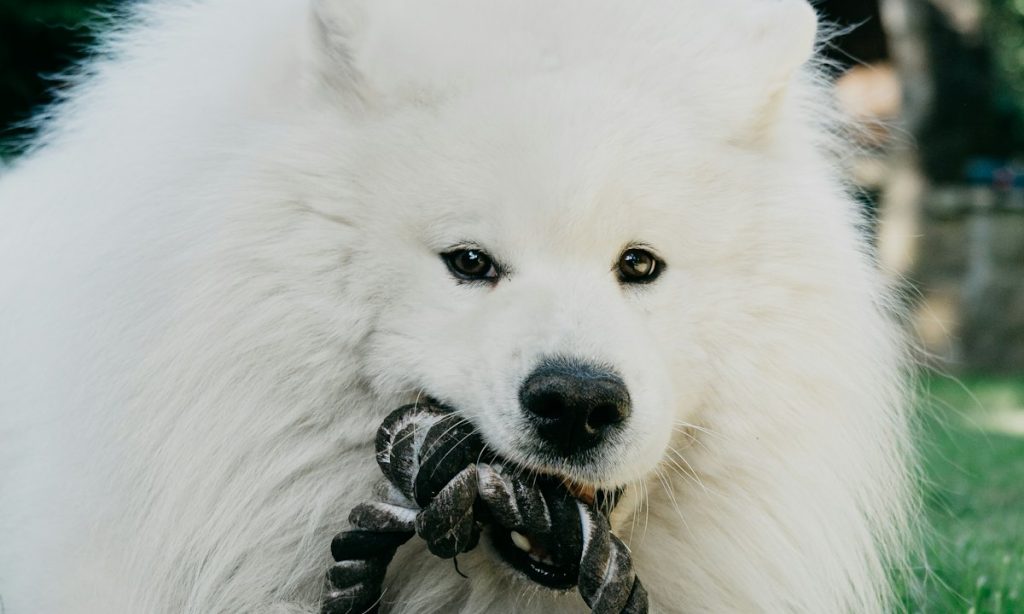
Chew toy safety: signs a chew is too small or damaged is a practical subject for every dog household. Chewing provides an outlet for normal behavior, yet a toy or edible chew can become hazardous as its size and condition change. A piece that was appropriate at the beginning may be small enough to swallow after repeated use. Cracks, exposed stuffing, sharp fragments, and loosened parts can also turn ordinary play into an emergency.
This guide explains chew toy safety: signs a chew is too small or damaged without assuming that any item is indestructible. It also places long lasting dog chews for aggressive chewers in the proper safety context: a lasting chew is not automatically a safe chew. Learn what to inspect, how to match size and texture to your dog, and when a swallowed piece needs veterinary care.
Why size changes matter during chewing
A dog can swallow an object that looks too large to fit comfortably in the mouth. The most important warning is whether a chew can disappear into the throat as a whole or break into chunks the dog can gulp. Smaller dogs may need different dimensions than large breeds, but chewing style also matters. Some dogs gnaw slowly and release a piece when asked. Others bite forcefully, crack materials, and immediately swallow whatever separates. Choose an item for the actual dog, not solely for a weight range printed on packaging.
Inspect a chew again after several minutes, especially if it is edible and shrinking quickly. A once-long stick may become a rounded end piece that is easy to gulp. Remove a chew before it reaches a swallowable size. Do not grab abruptly from a dog that guards resources; teach a positive trade in advance and manage access safely. Chew toy safety: signs a chew is too small or damaged includes noticing the change over time. The first inspection is not enough when the object is being actively worn down.
Visible damage that means stop using the chew
Discard toys with cracks that open under pressure, jagged edges, peeling surface layers, exposed filling, torn seams, detached squeakers, or loose decorative parts. A missing piece is more concerning if you cannot account for where it went. Watch for broken rope strands or fabric strips that could be swallowed. Some rubber toys flex safely when intact but tear after repeated biting. Any fragment the dog can remove and ingest makes that particular object unsuitable, even if it was labeled durable when new.
Check both sides of the toy and the mouth-contact areas, including hard-to-see seams. Run a finger carefully over the surface to identify raised or sharp edges without placing your finger near a dog’s mouth. Discoloration, odor, or sticky material can suggest deterioration or contamination. Wash and dry reusable toys according to the maker’s care directions, and replace them if material integrity is doubtful. Chew toy safety: signs a chew is too small or damaged favors early retirement. Saving one worn toy is not worth risking choking or a gastrointestinal obstruction.
Choose appropriate hardness and material
Very hard items can injure teeth, especially when a determined dog crunches rather than gnaws. Antlers, bones, extremely hard chews, and rigid objects may be inappropriate for some dogs. There is no single material that is safe for every chewing style. Ask your veterinarian about dental health and chewing habits, especially after a previous tooth fracture. A toy that offers some appropriate give may be preferable to an object that withstands force by transferring it to the dog’s teeth. Inspect any material for peeling or cracking before use.
Edible chews bring another concern: a dog may swallow large chunks without chewing them adequately. The ASPCA warns that inappropriately small chews and large rapidly eaten fragments can cause choking or intestinal obstruction. Discuss suitable options with your veterinarian if your dog has a history of gulping, digestive surgery, or dental disease. For more context on hard edible treats, the site’s yak chew safety discussion considers hardness and swallowing risks. Chew toy safety: signs a chew is too small or damaged must include both dental and digestive hazards.
Supervise sessions and teach a calm trade
Supervision means being close enough to notice chewing behavior and intervene safely, not merely being in the same building. Watch for rapid swallowing, increasingly forceful cracking, repeated gagging, frantic biting, or attempts to pull off a component. Provide the chew in a quiet area where the dog is not competing with other pets. If your dog tends to guard objects, consult a qualified reward-based trainer about exchanging items safely. Do not put your hand into a tense dog’s mouth to remove a chew unless directed during an emergency by a veterinary professional.
Practice a trade separately with low-value objects. Offer something the dog likes, reward releasing the object, and return safe toys sometimes so giving things up does not always predict loss. If a toy cracks or shrinks, end the session and put it away rather than waiting until the dog is finished. Chew toy safety: signs a chew is too small or damaged becomes easier to manage with a consistent routine. Use a clean storage container to keep retired pieces out of reach, and check toys again before their next use.
Emergency signs after chewing or swallowing
Choking may cause sudden distress, repeated gagging, pawing at the mouth, abnormal breathing, or collapse. Seek emergency veterinary help immediately for trouble breathing or a suspected airway blockage. Swallowed fragments can also lodge farther down the digestive tract. Vomiting, loss of appetite, abdominal pain, marked lethargy, or repeated unproductive retching warrant urgent veterinary assessment. Symptoms may not appear immediately. A dog that seems fine after gulping a large chunk can still develop complications later, so call your veterinarian as soon as ingestion is suspected.
Tell the clinic what was swallowed, approximately when, and the size or material of the missing piece. Save the package or another intact example if available. Do not induce vomiting, offer food to push an object through, or give home remedies unless your veterinarian specifically instructs you. Some objects can cause additional injury when brought back up. Chew toy safety: signs a chew is too small or damaged cannot prevent every accident, but a prompt call after a suspected ingestion can make diagnosis and treatment more timely.
Create a practical inspection and replacement routine
Before each session, check size, surface integrity, attachment points, and cleanliness. During use, monitor how the dog chews and whether the item becomes smaller or fragments. After play, inspect the object again, note any missing parts, and store it safely. A photo of a new toy beside the same toy after several sessions can help you see wear that develops gradually. Replace items based on damage rather than waiting for a calendar date. Dogs with strong jaws may destroy some materials quickly, even when used as intended.
Keep a small rotation of safe enrichment activities instead of relying on a single high-wear object. Sniffing games, supervised food puzzles, or training can provide variety without prolonged hard chewing. For dogs that shred, the published guide on toys for dogs that like to shred addresses that behavior, but torn components must still be removed promptly. A replacement schedule is only useful when paired with frequent inspection. The dog determines how quickly the material wears out.
Frequently Asked Questions
Owners often want a simple threshold for deciding when to throw a chew away. The safest threshold depends on the dog’s mouth, swallowing habits, and the toy’s material. These answers identify common warning signs without promising that a product is risk-free.
If you are uncertain whether an item can be swallowed whole, or whether a missing fragment was eaten, stop the session and ask your veterinarian for guidance. Continued chewing is not a reasonable way to test the risk.
How small is too small for a chew?
If the dog can fit the remaining piece far back into its mouth or swallow it whole, remove it. There is no single safe measurement for every dog.
Is a cracked rubber toy still usable?
No. Cracks can spread and release fragments. Replace a toy that shows material failure or lets pieces detach.
Are extremely hard chews safer because they last longer?
Not necessarily. Some hard items can fracture teeth. Discuss your dog’s dental and chewing needs with a veterinarian.
What if my dog swallowed a small part but looks normal?
Call your veterinarian promptly, describe the part, and follow triage advice. Digestive complications can develop after a delay.
Can I leave an edible chew with my dog when I go out?
Unsupervised chewing raises the risk of unnoticed gulping, choking, and fragments. Use a safer supervised routine and suitable alternative enrichment.
Final Words
Chew toy safety: signs a chew is too small or damaged comes down to repeated inspection and an honest assessment of your dog’s chewing style. Retire items that shrink enough to be gulped, develop sharp edges, or shed pieces. Supervise chewing, teach a positive trade, and keep emergency veterinary contact details handy. The safest chew is one you can confidently reassess during use, not one that simply survives many sessions.
Even when researching long lasting dog chews for aggressive chewers, prioritize appropriate size, safe texture, and sound condition. Chew toy safety: signs a chew is too small or damaged should guide the decision to remove a toy before it causes harm. If a piece may have been swallowed, contact a veterinarian without waiting for symptoms.









