
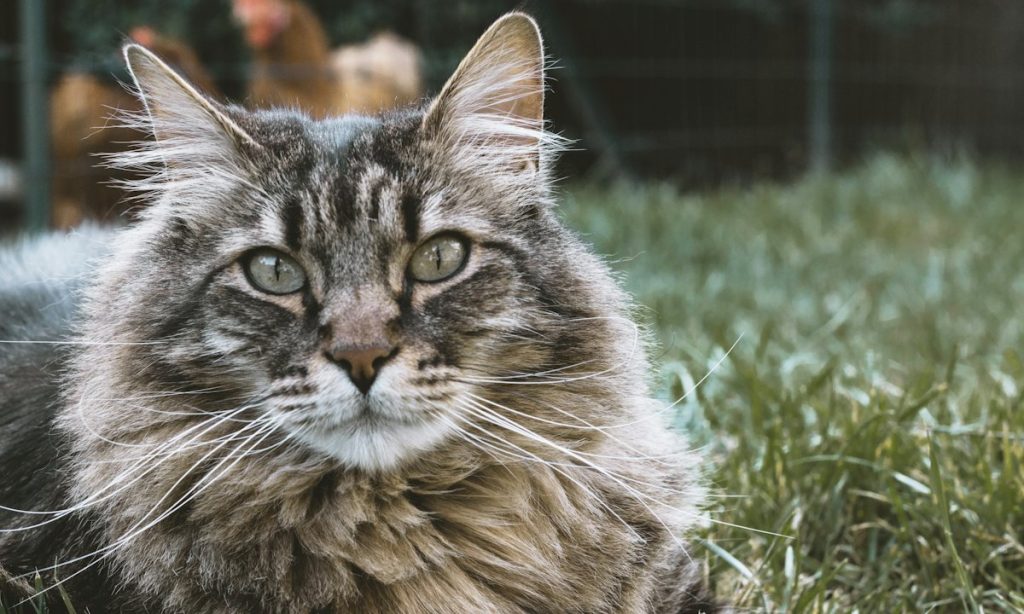
How to help Maine Coon Cat get comfortable walking in a harness begins at home, not on the sidewalk. A Maine Coon may be large and curious, but size does not guarantee confidence around strange sounds, traffic, or unfamiliar animals. Many cats need time simply to accept fabric around their chest. A successful training plan lets the cat choose to investigate, move, pause, and retreat. Forced walking can make the harness frightening and increase the chance of an escape attempt.
This guide explains how to help Maine Coon Cat get comfortable walking in a harness through small, rewarding steps. It also covers fit questions connected with a harness for Maine Coon cat, including chest clearance and long-fur comfort. You will learn how to prepare the home, build positive associations, attach a leash indoors, choose a quiet outdoor setting, and notice when your cat has had enough.
Decide whether walking suits your cat
Some Maine Coons show interest in exploring outside, while others prefer windows, climbing structures, and indoor play. Breed does not dictate personality. Notice whether your cat approaches unfamiliar objects voluntarily, recovers after startling noises, and takes rewards in new environments. A cat that hides when visitors arrive may need much more indoor confidence work before a walk is appropriate. Outdoor access is optional; a cat can enjoy a rich, healthy environment without leash walks. Respect that preference instead of making training a contest.
Before starting, check with your veterinarian about current vaccinations, parasite prevention, identification, and any mobility or respiratory concerns. A cat with joint pain, injury, or significant anxiety may need another enrichment option. Set a realistic goal, such as comfortably wearing a harness for a minute indoors. How to help Maine Coon Cat get comfortable walking in a harness works best when the cat’s behavior determines the pace. Do not assume that a social, playful cat is ready for traffic, dogs, or a crowded park.
Choose a fit that permits natural movement
A large, long-haired cat may need a different chest-to-neck proportion than the size label suggests. Measure the body according to the harness maker’s instructions and inspect the arm openings, chest panel, and closures. The harness should not rub behind the forelegs, press against the throat, or trap tufts of fur. It must also remain secure if your cat backs away. Test the fit while the cat stands, walks, crouches, and turns. Loose equipment can rotate; tight equipment can restrict movement and make training unpleasant.
Adjust the straps before each early practice and check for redness after removing the harness. If the chest panel creeps into an armpit, stop and reassess. The related guide to choosing an escape-resistant cat harness explains common security considerations. How to help Maine Coon Cat get comfortable walking in a harness is much harder when each step causes friction. If a harness cannot be secure and comfortable at the same time, change the fit or design instead of trying to train through irritation.
Build positive associations before fastening
Place the harness on the floor at a distance where your cat is comfortable. Reward voluntary sniffing, looking, or walking near it. Let the cat leave whenever it chooses. Over several short sessions, lift the harness briefly, touch it near the shoulders, and reward relaxed behavior. Avoid chasing the cat with the equipment or putting it on during a struggle. One calm repetition is better than several tense attempts. A clicker or a consistent marker word can help identify the exact moment you are rewarding.
Next, practice laying the harness against the cat for a moment without fastening it. If the cat remains comfortable, close the fastener briefly and remove it while rewarding. Gradually extend the time only as your cat walks and behaves normally. A cat that falls over, freezes, or crouches may be fearful or uncomfortable, not stubborn. Return to an easier step and inspect the fit. How to help Maine Coon Cat get comfortable walking in a harness relies on tiny, voluntary successes. A calm exit is part of a good session.
Teach indoor movement with a loose leash
When your cat can wear the harness comfortably, invite movement with a reward a few steps away. Allow ordinary sniffing and exploring. Do not tug the cat across the room. Attach a lightweight leash while supervised, then let it remain slack as you follow the cat. Prevent the leash from wrapping around furniture or legs. Practice a short recall to a target or treat so the cat can choose to move toward you. Stop if your cat shows repeated avoidance, fast breathing, or intense vigilance.
Introduce gentle directional changes by rewarding the cat for voluntarily turning toward you. Avoid leash corrections. Remember that a cat does not need to heel like a dog. The purpose is safe, cooperative exploration. If your cat becomes enthusiastic and starts pulling, pause rather than increasing pressure. For long-coated cats, check the harness edges after several minutes of movement. How to help Maine Coon Cat get comfortable walking in a harness includes learning that you will not use the leash to force a direction. Trust matters more than distance.
Make the first outdoor experience small and quiet
Begin with a safe enclosed area, such as a quiet private yard, only after indoor practice is reliable. Check for escape routes, toxic plants, dogs, traffic, and loud equipment. Bring a secure carrier so your cat has an immediate retreat and safe transport. Place the carrier down and let your cat decide whether to look outside. The first outing may consist entirely of sniffing from the doorway or sitting near the carrier. That is still valuable exposure, and there is no requirement to walk a particular number of yards.
Stay close, keep the leash slack, and watch the whole body. Ears pinned back, tail tightly tucked, frantic scanning, refusal of familiar food, or attempts to bolt indicate that the situation may be too intense. Return indoors calmly before panic grows. Do not lift a frightened cat by the harness or drag it back. A guide on the pros and cons of traveling with cats offers wider context about whether unfamiliar places are appropriate. Outdoor walks should remain optional, predictable, and easy to end.
Solve setbacks without forcing progress
If your cat backs out of the harness, end the outing and reconsider sizing and security in a controlled indoor setting. If the cat refuses to wear it after several successful days, check for pressure points, tangled fur, illness, or a recent frightening event. A setback is useful information. Reduce the challenge rather than extending sessions until the cat gives in. Some cats need many short practices before they can step outside comfortably. Others may never enjoy leash walks, and that is acceptable.
Build indoor enrichment alongside training so exercise does not depend on outdoor access. Climbing furniture, puzzle feeding, supervised play, and safe windows can all support natural behavior. Never leave a cat tethered or unattended in a harness, even for a brief period. How to help Maine Coon Cat get comfortable walking in a harness should improve choice and confidence. If fear is persistent or severe, ask your veterinarian about behavior support. A relaxed cat is the measure of progress, not a completed route.
Frequently Asked Questions
Owners often wonder whether a large, friendly cat will learn to walk quickly. Training speed varies, and progress is easiest to judge through voluntary behavior. The answers below address common questions without promising a fixed timetable.
Consider the harness and the surroundings together. Even a comfortable harness cannot make a noisy environment safe for a fearful cat, and even a calm environment cannot compensate for poor fit.
Are Maine Coons naturally good at leash walking?
Some enjoy exploration, but personality varies. Size and breed alone do not predict whether a cat will feel comfortable outdoors.
Should I pull gently if my cat will not move?
No. Pause and invite voluntary movement with rewards. Pulling can increase fear and pressure from the harness.
How long should the first outdoor walk be?
There is no required duration. A few calm moments near a secure carrier may be enough for the first session.
Can I leave the harness on to help my cat get used to it?
Do not leave a new harness on without supervision. Practice short, monitored sessions and inspect for rubbing.
What if my cat slips backward out of the harness?
Stop outdoor use. Recheck fit and consider a different design. Do not deliberately frighten the cat to test resistance.
Final Words
How to help Maine Coon Cat get comfortable walking in a harness takes patience, suitable equipment, and a willingness to stop before distress appears. Start with exploring the harness, then brief fastening, comfortable indoor movement, slack-leash practice, and optional quiet outdoor exposure. Reward small choices and return to easier steps after setbacks. A cat that prefers indoor enrichment does not need to become an outdoor walker.
When reviewing a harness for Maine Coon cat, prioritize body measurements, chest clearance, and escape security. How to help Maine Coon Cat get comfortable walking in a harness is ultimately about making the experience predictable and safe. Let your cat set the pace and keep a secure carrier available for every outing.









