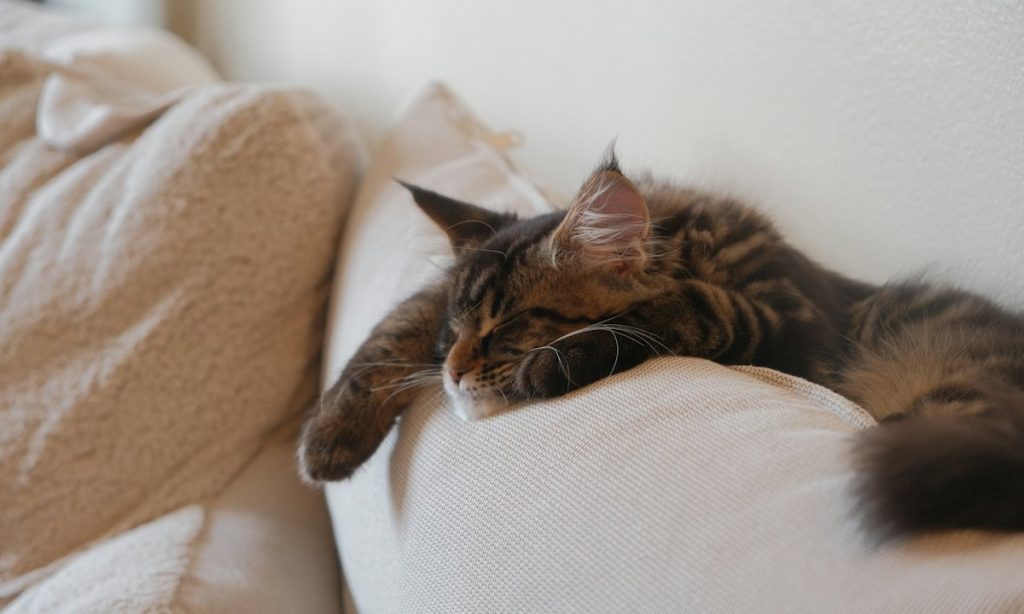
Early signs of anti anxiety medication in cats can mean two very different things: an intended reduction in fear or an unwanted reaction to a drug. A cat may seem less reactive in a familiar situation, yet sleepiness, unsteady walking, appetite changes, or unusual agitation may signal side effects instead. The meaning depends on the medication, dose, health status, and why it was prescribed. Owners should ask their veterinarian what improvement should look like and which changes require a call.
This guide explains early signs of anti anxiety medication in cats in practical terms, without recommending a particular drug or dose. For broader context, the site’s anti anxiety medication for cats page addresses treatment categories, while this article focuses on early observation and safety. You will learn how to establish a baseline, distinguish calming from excessive sedation, record changes, and recognize urgent symptoms. Always follow the prescribing veterinarian’s specific instructions.
Define improvement before giving the first dose
A useful treatment goal is a specific behavior, not simply “more relaxed.” Examples include eating normally during a car trip, approaching a carrier with less avoidance, or recovering sooner after a startling noise. Ask your veterinarian which signs to monitor and when a benefit might reasonably appear. Some medications are intended for situational use and may act relatively quickly, while others are used daily and require longer observation. Do not assume that every anxiety medicine should show an effect after the first dose.
Before treatment, record usual appetite, activity, litter-box habits, sleep, walking coordination, and behavior during the stressful event. A short written baseline makes subtle differences easier to interpret. Other changes, such as a visitor arriving or a loud repair outside, can affect behavior independently of medication. Early signs of anti anxiety medication in cats are most meaningful when compared with your own cat’s ordinary behavior and a clear treatment goal. Share your notes with the veterinary team rather than judging effectiveness by drowsiness alone.
Expected behavioral changes versus sedation
A helpful response may look like a cat choosing to explore, accepting food, grooming, or settling without panicked avoidance in a situation that previously caused distress. Improvement can be partial and may require environmental changes or behavior training alongside medication. A sleeping cat is not necessarily an anxiety-free cat. If the medication reduces movement so much that the cat cannot interact normally, this is not the same as comfortable participation. Ask your veterinarian about the balance between behavior improvement and any anticipated sedating effects.
Commonly discussed medication-related changes can include sleepiness or less coordinated movement, but the actual risk varies substantially by drug. Some cats may also show gastrointestinal changes or unexpected excitement. The prescribing veterinarian is the right person to identify which effects are plausible for the specific prescription. Early signs of anti anxiety medication in cats should be documented with timing: when each dose was given, when behavior changed, and how long the change lasted. Never treat one sleepy afternoon as proof that the medicine is either effective or safe.
Signs to report promptly to your veterinarian
Contact the prescribing clinic if your cat becomes unusually sedated, stumbles, refuses food, vomits repeatedly, develops marked diarrhea, behaves more agitated than before, or seems disoriented. Report any new behavior that worries you, even when it is not listed on a handout. The FDA advises pet owners who suspect a drug side effect to contact their veterinarian promptly. The veterinarian can decide whether examination, a medication change, or another action is needed. Do not increase the dose to get a stronger calming effect.
Also report changes in urination, drinking, or other ongoing medical conditions. A behavioral change can result from pain, illness, or an unrelated event rather than the medication itself. Write down the drug name, strength, prescribed schedule, recent doses, and any other medicines or supplements your cat receives. Early signs of anti anxiety medication in cats are not interpreted in isolation; the clinician needs the whole context. If a dosing error may have occurred, contact a veterinarian or animal poison-control service immediately and keep the packaging available.
Emergency reactions that cannot wait
Seek emergency veterinary care immediately if your cat collapses, has a seizure, struggles to breathe, develops severe swelling, or is unresponsive. Serious reactions can occur with many different kinds of medicines, and breathing trouble should never be watched at home. Keep the cat in a safe, quiet carrier for transport and avoid forcing oral food, water, or other medications. Call ahead when possible so the hospital can prepare. If the cat has an obvious airway problem or cannot remain upright, prioritize reaching emergency care.
If you believe an incorrect dose or the wrong medication was given, call the veterinarian or a pet poison hotline for immediate guidance even if symptoms have not developed. Do not try to cause vomiting or give a home antidote. Follow the clinician’s directions about the next scheduled dose. Early signs of anti anxiety medication in cats become urgent when basic functions such as breathing, consciousness, or coordination are severely impaired. A brief online search cannot replace real-time veterinary triage for these situations.
Keep a medication and behavior log
A useful log includes the date, administration time, dose exactly as prescribed, eating and drinking, walking, sleep, stress triggers, and any unusual symptoms. Note the time the behavior began and when it faded. If the cat attends a vet visit, record whether it could be handled more comfortably, rather than merely whether it slept on the journey. A short video of a concerning gait or behavior can help, provided filming does not delay care. Bring the log to follow-up appointments and discuss any treatment goals not being met.
Do not combine different calming agents or supplements without veterinary approval. Even products described as natural can contain active ingredients or interact with prescription medication. The site’s guide to signs to monitor after calming drops is a related observational resource, but drops and prescription drugs are not interchangeable. Early signs of anti anxiety medication in cats depend on the exact formulation. Keep the original container and current medication list together so information can be shared accurately in an urgent situation.
Follow-up, adjustments and longer-term care
Review progress on the timetable recommended by the veterinarian. If the cat still hides during every trigger, the treatment plan may need a different behavioral strategy, environmental modifications, medical evaluation, or medication reassessment. Avoid abrupt changes to a scheduled daily drug without professional advice, since some medications require gradual adjustment. Do not switch between drugs based on another owner’s experience. Each cat’s age, organ function, concurrent diseases, and treatment history affects prescribing decisions.
A plan for anxiety usually includes predictable routines, opportunities to hide, safe resting areas, gradual desensitization when suitable, and respect for the cat’s signals. Medication may support learning or coping, but it does not replace good environmental care. If the cat becomes less social, stops grooming, or loses interest in normal activities, tell the veterinarian instead of assuming these are welcome signs of calmness. Early signs of anti anxiety medication in cats should be measured against both safety and quality of life. The objective is a more comfortable cat, not a quieter cat at any cost.
Frequently Asked Questions
Early medication responses can be confusing because cats often show subtle behavior changes. A written plan from the prescriber should explain expected effects and side effects for the specific drug. These answers cover general safety principles only.
Contact your veterinary team whenever your observations differ from the instructions you received. A phone call can clarify whether a symptom is expected, needs a recheck, or requires emergency assessment.
Should my cat become sleepy after anxiety medication?
Some prescribed medicines may cause drowsiness, but the expected degree depends on the drug. Ask your veterinarian what is normal for your cat.
How fast should I see an improvement?
The timing varies. Situational medications and daily medications have different intended effects. Follow the prescriber’s timeline rather than assuming an immediate response.
Can I stop medication when my cat seems better?
Do not change a prescribed schedule without veterinary advice. Some drugs need careful tapering, and sudden changes may cause problems.
What should I do if my cat stumbles after a dose?
Keep the cat safe from falls and contact the prescribing veterinarian promptly. Severe weakness, collapse, or unresponsiveness requires emergency care.
Can calming supplements be given with prescription medicine?
Only after the veterinarian reviews the ingredients and possible interactions. Nonprescription does not mean risk-free.
Final Words
Early signs of anti anxiety medication in cats should be assessed with a baseline, a clear treatment goal, and careful monitoring. Look for safer participation in everyday activities rather than sedation alone. Document unusual behavior and contact the veterinarian about suspected side effects. Collapse, seizures, or breathing distress require emergency care. Every drug has its own timing and risk profile, so individual guidance matters more than generic expectations.
For context about anti anxiety medication for cats, remember that treatment decisions belong with a veterinarian who knows your pet. Early signs of anti anxiety medication in cats are clues, not a reason to change doses independently. Use your records to support follow-up and keep behavioral care focused on the cat’s comfort.
Reference
These veterinary and regulatory sources inform the medicine-safety discussion in this guide.
For instructions about a specific cat or prescription, consult the prescribing veterinarian.