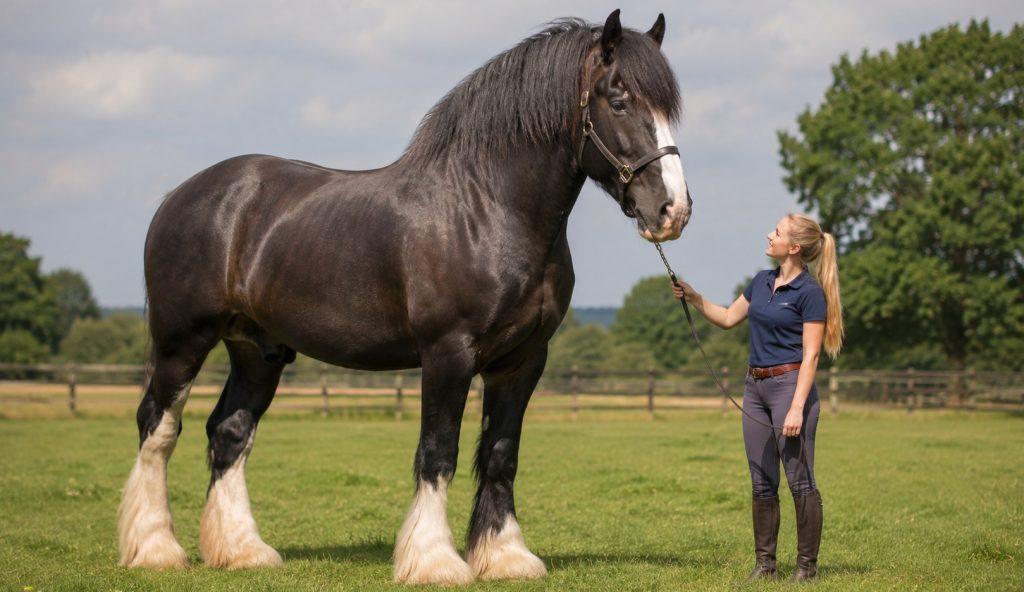
The Shire horse is generally regarded as the largest breed in the world by height.
As an equine specialist with years working on breeding programs and caring for draft horses, I’ll walk you through exactly what is the largest breed of horse in the world, what “largest” means, and why measuring horses requires context. This article gives an authoritative, clear, and practical guide—covering history, record-holding individuals, care needs, ownership costs, and the real-life challenges and rewards of living with these giants. Read on to get a full, trustworthy picture that answers the question what is the largest breed of horse in the world from every useful angle.

Source: youtube.com
What “largest” means: height, weight, and context
When people ask what is the largest breed of horse in the world, they often mean different things. Some mean tallest by height. Some mean heaviest by weight. Others mean overall mass or bone size. Clarifying the metric matters.
Horses are measured in hands for height. One hand equals 4 inches. Record horses and breed averages give the best comparisons. For weight, draft breeds commonly range from 1,400 to more than 2,000 pounds. Using both height and weight gives a clearer view of which breed is truly the largest.
Which breed is the largest?
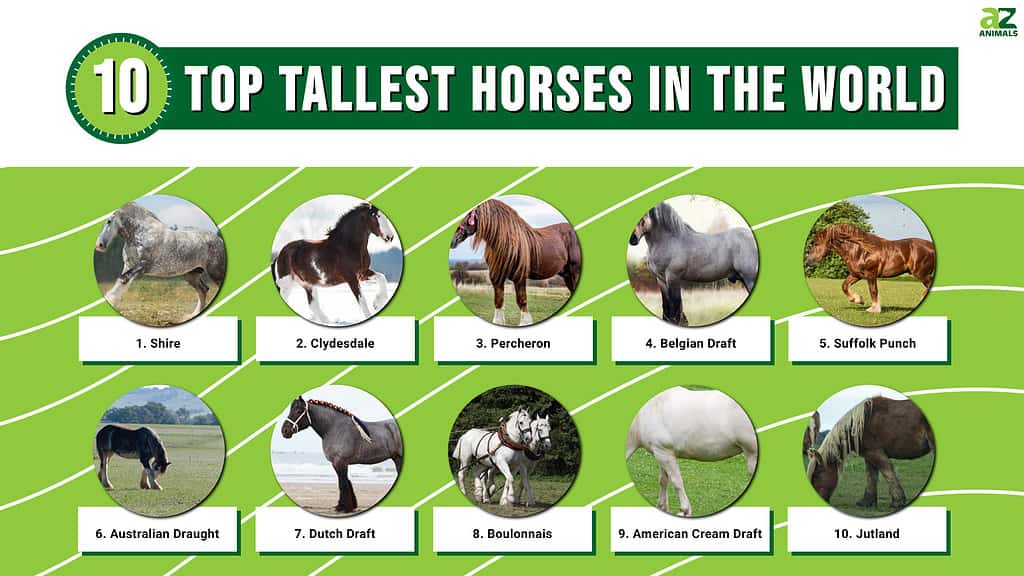
Answering what is the largest breed of horse in the world depends on whether you mean height or mass. By height, the Shire is widely recognized as the largest breed. By mass, some Belgian and Percheron individuals rival or exceed Shires in bulk. Below are key breed profiles and how they measure up.
- Shire
- Typical height: 17 to 19 hands, with some individuals reaching 20+ hands.
- Typical weight: 1,800 to 2,400 pounds.
- Notes: Shires hold the record for some of the tallest living and historic horses. They combine long bone, deep girth, and heavy feathering on the legs.
- Belgian
- Typical height: 16 to 18 hands.
- Typical weight: 1,800 to 2,600 pounds.
- Notes: Belgians are often heavier in body mass and are considered among the strongest draft breeds for pulling power.
- Clydesdale
- Typical height: 16 to 18 hands.
- Typical weight: 1,600 to 2,000 pounds.
- Notes: Known for leg feathering and elegance, Clydesdales are tall but usually lighter than the largest Shires.
- Percheron
- Typical height: 15 to 18 hands.
- Typical weight: 1,600 to 2,200 pounds.
- Notes: Percherons combine durability and power and sometimes reach sizes comparable to other draft breeds.
When someone asks what is the largest breed of horse in the world, most breed experts say Shire for height and Shire/Breton/Belgian for overall bulk depending on the measuring method. Specific record individuals such as the tallest registered Shire and the heaviest recorded Belgian illustrate the overlap.
Record horses: examples that illustrate “largest”
Historic and modern record horses help answer what is the largest breed of horse in the world. Two notable examples illustrate the difference between height and mass.
- Tallest recorded individuals
- A famous Shire stallion reached over 21 hands, making him one of the tallest ever measured. Tall champions emphasize limb length and vertical stature.
- Heaviest recorded individuals
- A Belgian gelding recorded as one of the heaviest weighed over 2,600 pounds. Heaviness reflects deep chest, wide pelvis, and overall mass.
These records show that breed averages matter, but exceptional individuals can change perceptions.

Source: youtube.com
Care, handling, and costs for the largest breeds
Owning the answer to what is the largest breed of horse in the world comes with specific responsibilities. Big horses need modified care. Here are practical points from hands-on experience.
- Feeding
- Larger horses eat more. Plan for 2 to 3 percent of body weight in forage daily. High-quality hay and monitored grain mixes help maintain condition.
- Hoof care
- Bigger hooves require stronger shoes and more frequent farrier visits. Expect slightly higher farrier costs and longer shoeing times.
- Housing and transport
- Stalls need to be taller and wider. Trailers must be rated for heavy loads; ramps and flooring should support larger hooves.
- Vet care
- Joint and hoof problems can be more prominent. Work with a vet familiar with draft breeds for preventive care.
- Costs
- Budget more for feed, bedding, vet bills, and farrier service. Insurance premiums for large horses are often higher.
From my years managing draft horse teams, the biggest mistakes owners make include underestimating feed costs, choosing the wrong trailer, and skipping regular farrier work. Planning prevents costly setbacks.
Uses, temperament, and training
To answer what is the largest breed of horse in the world in a practical sense, consider how these horses are used.
- Common uses
- Draft work, forestry, carriage and parade teams, therapeutic riding, and recreational riding for experienced riders.
- Temperament
- Many of the largest breeds are calm, steady, and willing. Their temperament makes them suitable for public events and heavy work.
- Training tips
- Start groundwork early. Reinforce calm responses. Use large, balanced tack and check fit carefully.
These breeds are surprisingly gentle for their size. Training focuses on balance and clear communication to handle their strength safely.

Source: youtube.com
Breeding, registration, and preservation
When people research what is the largest breed of horse in the world, they often want to know about breed registries and preservation.
- Registries
- Each major draft breed has national and international registries that track pedigrees, performance, and standards.
- Breeding goals
- Breeders aim for sound conformation, stable temperament, and appropriate size without compromising health.
- Conservation
- Some traditional draft bloodlines require careful stewardship to maintain genetic diversity.
If you plan to buy or breed, work with recognized breeders and registry rules. That protects both the animal and the breed’s future.
Source: a-z-animals.com
Personal experience: lessons learned and practical advice
I’ve helped care for teams of draft horses and managed breeding stock for community programs. From that experience I offer practical advice on what is the largest breed of horse in the world and living with these animals.
- Lessons learned
- Invest in strong, well-built shelters and high-capacity waterers. Big horses need predictable routines to avoid stress.
- Mistakes to avoid
- Don’t buy a large draft horse without assessing your facilities, vet availability, and budget.
- Practical tips
- Use wide, padded saddles for riding; fit collars carefully for driving; and design training sessions to build balance, not brute strength.
These hands-on tips come from years around big horses and reflect real-world constraints owners face.
Common quick questions (PAA-style)
What is the largest breed of horse in the world by height?
- The Shire is widely recognized as the largest breed by height, with many individuals over 17 hands and some exceptional animals exceeding 20 hands.
Is the Belgian the heaviest breed of horse?
- Belgians often rank among the heaviest due to their deep bodies; some individual Belgians have been recorded above 2,600 pounds.
How do you measure a horse’s height?
- Horses are measured in hands at the withers, with one hand equaling 4 inches; accurate measurement requires a level surface and a standard measuring stick.
Are large breeds suitable for beginner riders?
- Large breeds can be calm but are best handled by riders or handlers with experience; their size adds risk if handled incorrectly.
Do large breeds live as long as lighter breeds?
- Draft breeds often have similar or slightly shorter average lifespans than light riding breeds, typically 15 to 20 years, depending on care and genetics.
Frequently Asked Questions of what is the largest breed of horse in the world
What is the tallest horse breed in the world?
The Shire is generally considered the tallest breed, with average heights from 17 to 19 hands and record individuals over 20 hands.
Which breed is the heaviest?
Belgians and some heavy draft types often top the weight charts, with individual horses recorded above 2,500 pounds.
Can large breeds be ridden comfortably?
Yes—many large breeds are ridden and driven. Proper tack fit and an experienced rider are essential for comfort and safety.
How much feed does the largest breed of horse in the world need?
Large draft horses typically require 2 to 3 percent of their body weight in daily forage, plus supplemental concentrates as needed.
Are large breeds harder to care for medically?
They can present specific challenges like joint strain and hoof issues. Regular veterinary and farrier care reduces long-term problems.
Conclusion
When answering what is the largest breed of horse in the world, the clearest answer is that the Shire is the largest by height, while Belgians often lead in mass; exceptional individuals in any draft breed can set records. Understanding the difference between height and weight, planning for specialized care, and working with experienced breeders or trainers are the best steps to take if you’re considering one of these magnificent horses. If this article helped, explore breed registries, visit a local farm to meet these horses in person, or leave a comment with your experiences—your next step could be learning hands-on care or subscribing for more guides on large breeds.