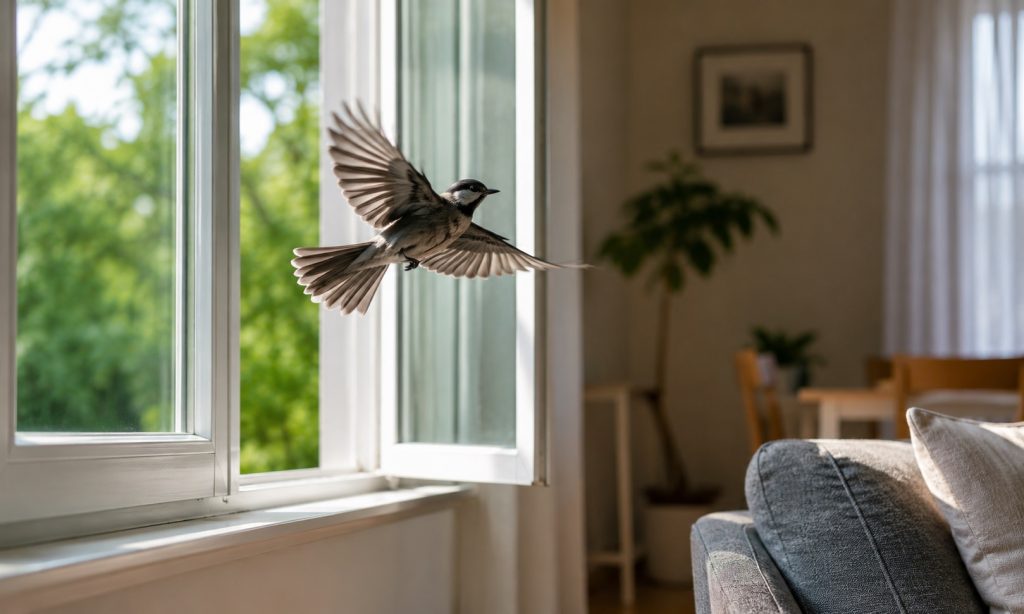
Open doors and windows, darken the room, and calmly guide the bird outside.
I have decades of hands-on experience with wildlife response and home safety. In this guide I explain, step by step, how do you get a bird out of your house safely, legally, and without stressing the bird or your family. Read on for clear actions, tools to use, what to do with injured or protected birds, and how to keep them from coming back.
Assess the situation quickly and safely
Start by pausing and taking a quick look. Identify the bird species if you can, note if it is calm or frantic, and check for obvious injuries. Close off rooms to keep the bird contained and keep pets and children away. If the bird is large, wild, or acting injured, treat it with extra caution; you may need expert help. Knowing the species helps you decide how to proceed and whether local rules may apply to protected birds.

Source: reddit.com
Immediate steps: how do you get a bird out of your house safely
- Stay calm and move slowly. Sudden movements scare the bird and make it fly erratically.
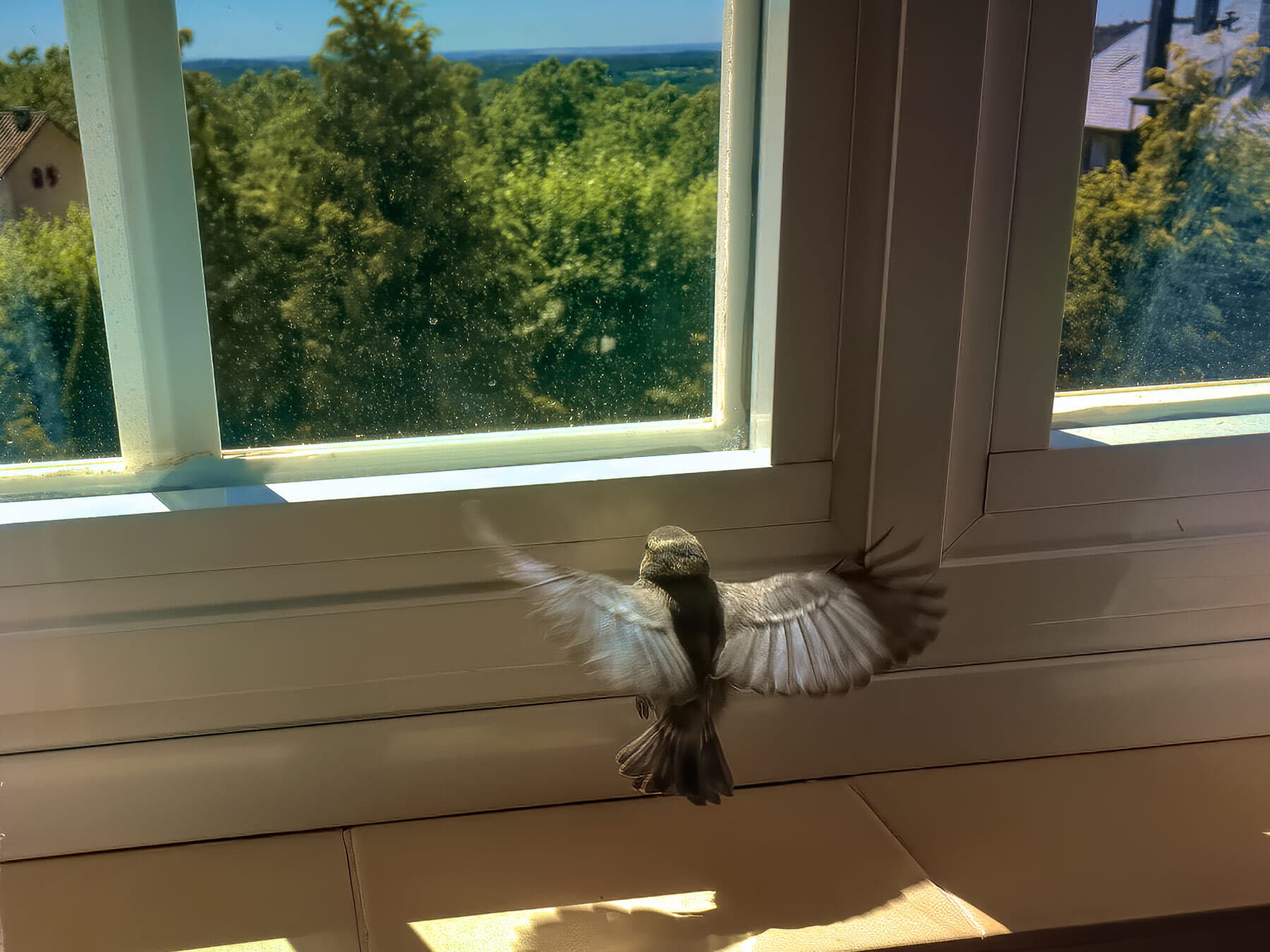
- Open clear exit routes. Create a path by opening a main door and at least one window that leads outside. Turn off indoor lights and, if safe, direct natural light toward the open exit.
- Darken the room away from the exit. Close curtains or doors to other rooms so the bird sees the bright open area as the only way out.
- Give the bird space. Stand back and watch from a distance. Often the bird will find the exit on its own within a few minutes.
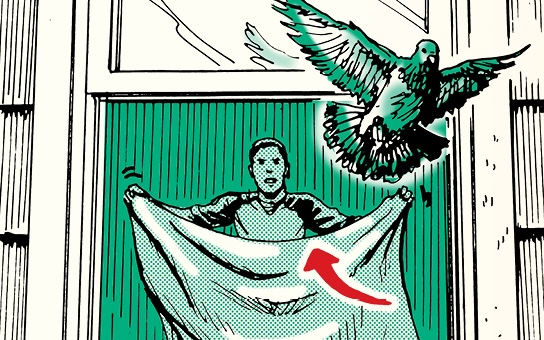
- Use gentle guidance if needed. If the bird won’t leave, softly guide it by walking slowly toward the exit or by using a large sheet to steer it without touching.
- Avoid chasing or grabbing in the air. Capture attempts can harm both you and the bird.
These steps answer the core question of how do you get a bird out of your house with low stress and low risk. If the bird remains after 20–30 minutes, consider tools or expert assistance.
Tools, supplies, and makeshift aids that help
- A towel or sheet to form a visual barrier and gently herd the bird.
- A cardboard box and gloves for safe capture if the bird is grounded or injured.
- A large net only if you are experienced; nets can injure birds if used incorrectly.
- Tape to secure open windows after the bird leaves and reduce re-entry risk.
- Flashlights to help see corners at dusk but avoid shining directly at the bird’s face.
Keep tools ready but use them only when necessary. Using the right tool at the right time answers practical parts of how do you get a bird out of your house without harm.
Source: artofmanliness.com
If the bird is injured, stressed, or a protected species
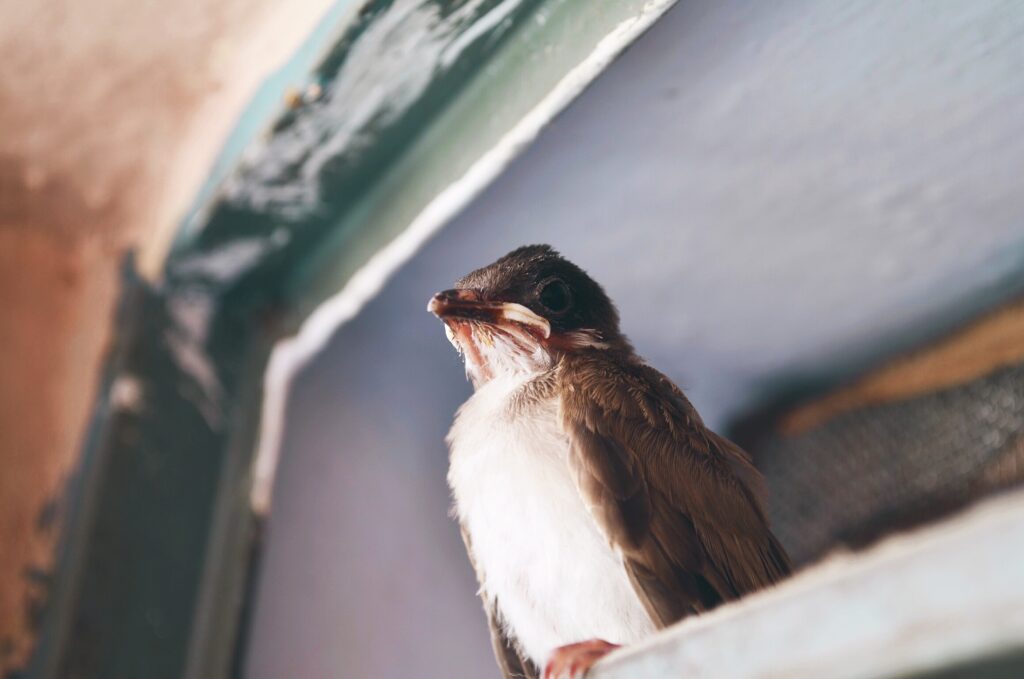
If you see blood, broken wings, or the bird is weak, do not force it outdoors. Keep the bird in a quiet, warm, dark box with air holes and minimal handling. Contact a local wildlife rehabilitator or animal control for guidance. Many regions protect native birds by law, so handling or relocating them without permits can be illegal. When in doubt, call a professional to avoid causing legal or welfare issues.
Source: chirpforbirds.com
Preventing future incidents and bird-proofing
- Inspect and seal common entry points such as open vents, chimney gaps, loose screens, and pet doors.
- Use visible window decals to reduce collisions and keep indoor plants and feeders away from open windows.
- Add one-way exits like temporary funnels that let birds leave but not re-enter.
- Maintain attic and roofline screens and close garage doors when not in use.
Prevention reduces the need to ask how do you get a bird out of your house in the first place. Small fixes cut the chance of repeat visitors.
My real-world experience and lessons learned
Early in my work I rushed in to net a sparrow and scared it into the vents, making rescue harder. Now I use light, space, and one clear exit. I once guided a stunned pigeon out by dimming lamps and opening a back door; it left within ten minutes. The key lesson: patience beats panic. Keep a basic kit and a list of local rehabbers handy.
Common mistakes to avoid when removing a bird
- Chasing the bird through the house. This raises stress and risk of injury.
- Using small nets or hands on flighted birds. This can break wings or cause shock.
- Leaving pets unsupervised. Dogs and cats often make the situation worse.
- Ignoring local wildlife laws. Some birds are protected and require specialist care.
Avoiding these mistakes makes your response safer and more effective when confronting how do you get a bird out of your house.
Source: birdfact.com
Frequently Asked Questions of how do you get a bird out of your house
How long should I wait for the bird to leave on its own?
Wait at least 20–30 minutes while providing a clear, lit exit. Most birds will find their way out once they feel safe and see daylight.
Can I use a net to catch a bird in my house?
Only use a net if you are trained. Nets can cause injury; a towel and gentle guidance are safer for most small birds.
What if the bird is trapped in vents or a chimney?
Do not reach blindly into vents. Shut furnace systems off and call a professional who can safely access vents and chimneys.
Is it legal to catch and keep a wild bird found indoors?
In many places, native wild birds are protected by law. Do not keep them; contact a wildlife rehabilitator for legal and safe options.
Should I call animal control or a wildlife rehabilitator first?
If the bird is injured, stuck, or a protected species, call a wildlife rehabilitator or animal control right away for guidance. For a healthy bird simply flying in, try the safe exit steps first.
Conclusion
Removing a bird from your home is usually a short, manageable task when you stay calm, open clear exits, and let light lead the way. Start with space and patience, use simple tools only when necessary, and call experts for injured or protected birds. Take action now by checking common entry points, assembling a small response kit, and saving contact info for local wildlife help. If you found this guide useful, try these tips and share your experience or questions in the comments.