
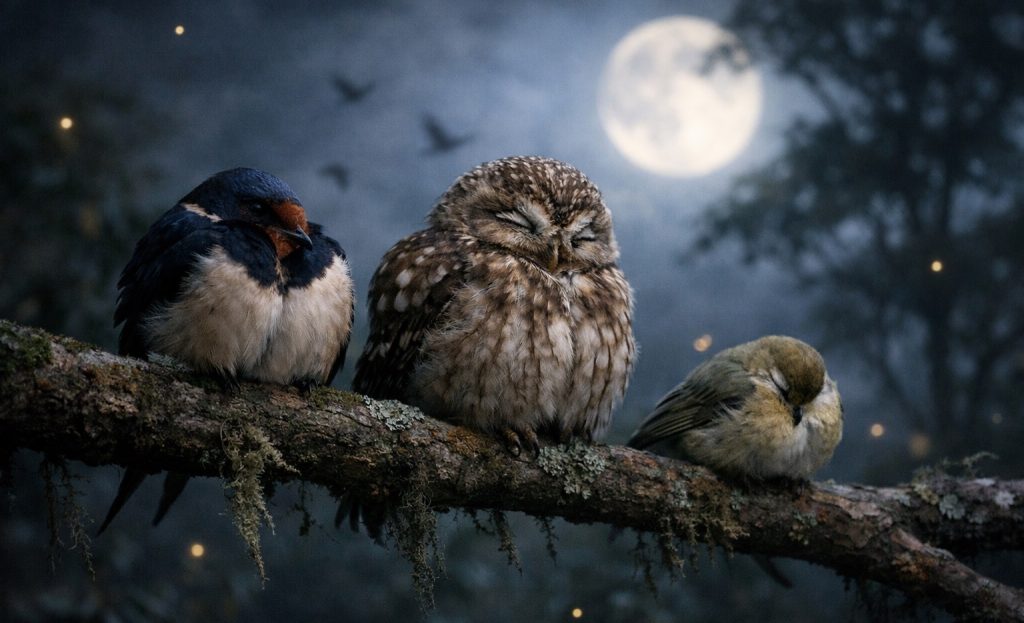
Most birds sleep with one eye open, using one brain hemisphere at a time for safety.
I have studied bird behavior and spent years observing wild and captive birds. This article explains how do birds sleep, why their sleep looks different from ours, and what that means for safety, health, and everyday care. You will get clear definitions, solid science, practical tips, and real-life observations that help you recognize normal and abnormal sleep in birds.
How birds sleep: the basics
Sleep in birds is a real and vital state. Birds cycle through sleep stages like non-REM and REM, though these stages look different from mammals. Many species use unihemispheric sleep to rest one half of the brain while the other half stays alert. Understanding these basics helps answer why birds often seem partly awake while they rest.
Source: todayifoundout.com
Common sleeping positions and roosting habits
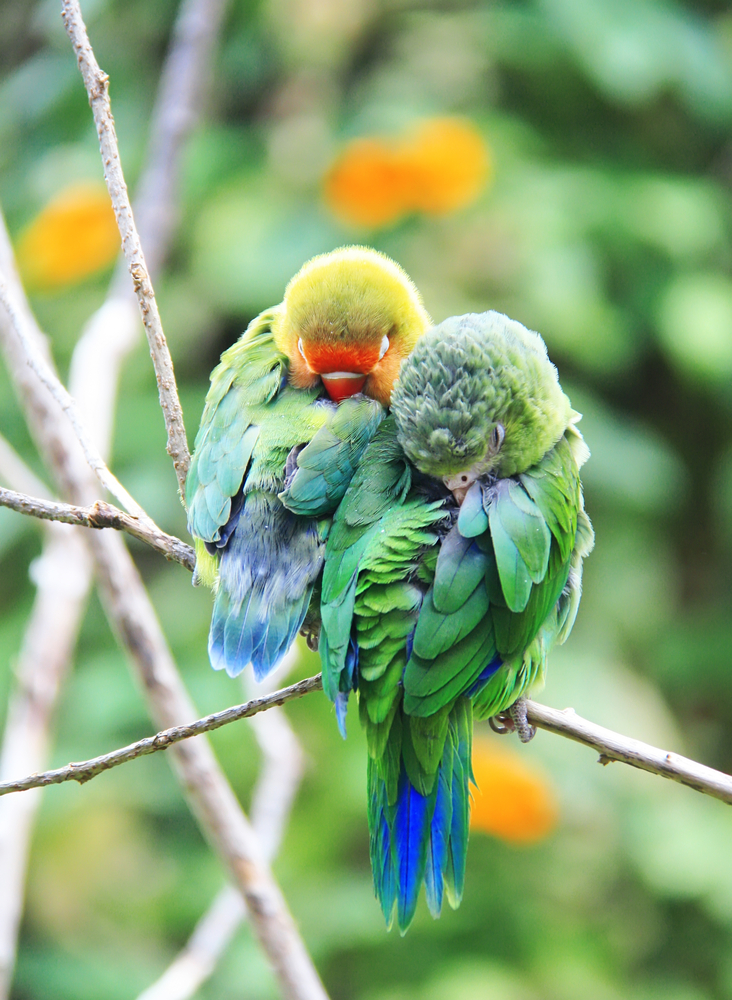
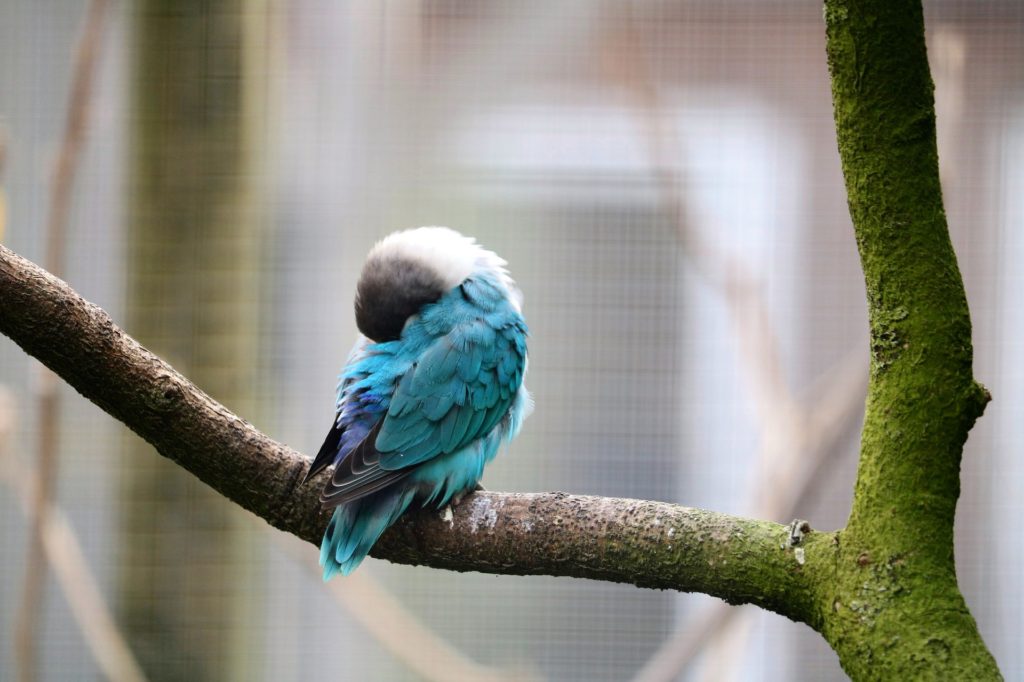
Birds sleep in varied ways depending on species and habitat. Perching birds often tuck their head under a wing and grip with a locking tendon in the foot. Water birds may sleep while floating or huddled with bills tucked in feathers to reduce heat loss. Ground-nesting birds lie flat and use camouflage, while some raptors and owls sleep perched with an upright, alert posture.
Brain and sleep cycles: REM, non-REM, and unihemispheric sleep
Bird brains show both slow-wave sleep and REM sleep. REM lasts shorter in birds but still supports memory and learning. Many birds use unihemispheric slow-wave sleep so one hemisphere rests and the other monitors the environment. This adaptation balances the need for deep rest with the demand for predator vigilance.
Adaptations for safety and survival
How do birds sleep safely in the wild? Several clear adaptations explain this:
- Unihemispheric sleep lets birds keep one eye open for threats.
- Roosting in groups adds safety through numbers and alarm signals.
- Locked tendons allow stable perching with minimal energy.
- Some migratory birds take short naps while flying, using micro-sleeps to stay aloft during long trips.
These strategies reduce risk while allowing birds to get enough rest.
How long do birds sleep? Factors that affect sleep
Sleep duration varies widely across species. Small songbirds may sleep 8 to 12 hours, while some raptors sleep less and take naps. Factors that change sleep time include:
- Season and daylight length
- Migration status and fatigue
- Age and health
- Predation pressure and habitat safety
Knowing these factors helps explain the big range in bird sleep habits.
Source: chirpforbirds.com
How to tell if a bird is sleeping: signs for owners and watchers
Recognizing sleep in birds is useful for care and study. Common signs include:
- Head tucked under wing or resting on back
- Slow, regular breathing and lack of vocalization
- Closed or half-closed eyes, sometimes with one eye open
- Fluffed feathers and minimal movement
For pet birds, a quiet, darkened area helps regular sleep. For wild birds, avoid disturbance near roosts.
Practical tips for caring for sleeping birds
If you keep birds or watch them regularly, these steps help support healthy sleep:
- Provide a consistent light-dark cycle to match natural day length.
- Offer safe roosting spots that feel secure and are shielded from drafts.
- Minimize nighttime noise and sudden disturbances.
- Watch for changes: restless sleep, unusual posture, or loss of appetite can signal health issues.
Simple changes can improve sleep quality and overall bird health.
My observations and lessons learned
From years of fieldwork and caring for pet birds, I’ve seen many sleep styles. I once observed a starling flock that shifted positions at dusk, showing how group sleeping reduces risk. With pet parrots, I learned that a covered cage at night reduced stress and improved mood. The key lesson: observe patterns, not single events—changes matter more than one odd night.

Source: centerofthewest.org
Frequently Asked Questions of how do birds sleep
How do birds sleep with one eye open?
Many birds use unihemispheric sleep. One brain hemisphere rests while the other stays alert, so one eye remains open to watch for danger.
Can birds sleep while flying?
Some migratory birds can take very brief naps during flight. Evidence shows they use micro-sleeps or short bouts of unihemispheric sleep while gliding.
Do birds dream?
Birds show REM sleep, which is linked to dreaming in mammals. REM in birds is shorter, but it likely supports memory and learning, similar to dreams.
Why do birds tuck their head under a wing?
Tucking the head reduces heat loss and protects the head. This position also signals deep rest and helps the bird sleep more comfortably.
How long do baby birds sleep?
Young birds often sleep more than adults to support growth. Sleep time varies by species, but chicks typically rest frequently and for longer total hours each day.
How do nocturnal birds sleep during the day?
Nocturnal birds rest during daylight hours in hidden spots and use camouflage, tight perches, or tree cavities to stay safe and conserve energy.
Can stress change how birds sleep?
Yes. Stress, illness, and environmental disturbance can shorten or fragment sleep. Consistent sleep disruption often points to a welfare or health issue.
Conclusion
Understanding how do birds sleep gives insight into their survival and welfare. Birds use a suite of clever adaptations—unihemispheric sleep, secure roosting, and behavioral cues—to rest safely in varied environments. If you care for birds or watch them, pay attention to sleep patterns, support natural light cycles, and act on changes quickly. Try observing a local roost this week, note the positions and noises, and comment with your findings or questions to continue learning.