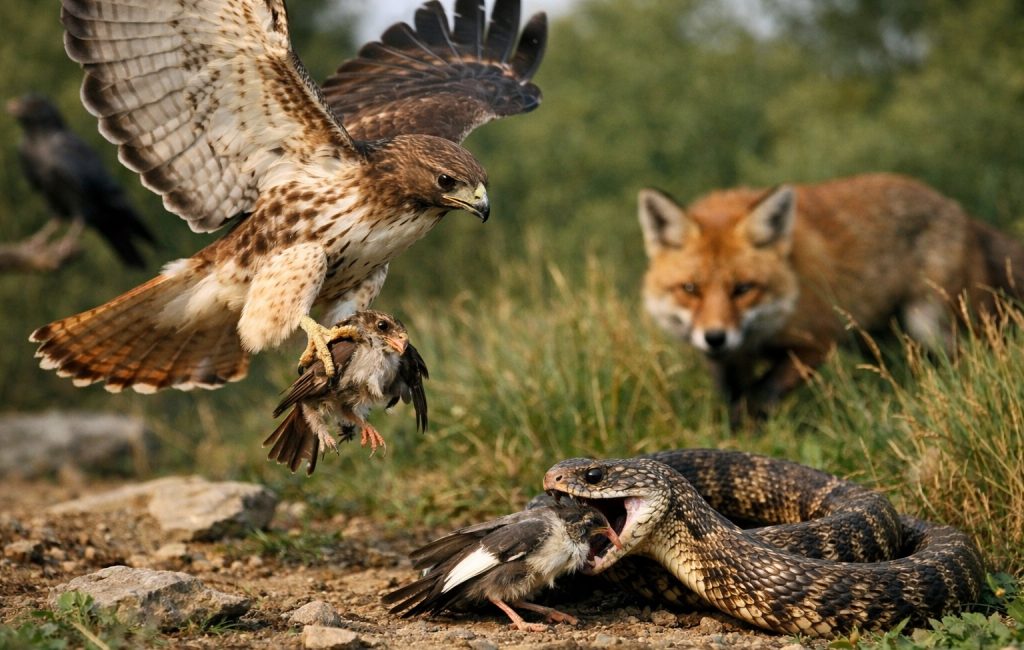
Most birds fall prey to predators like cats, hawks, snakes, raccoons, and larger birds.
As an avian ecologist with years of fieldwork and wildlife rehabilitation experience, I will guide you through who eats a bird, why predation happens, and how to protect vulnerable species. This article breaks down predators by group, explains predation patterns, shares practical advice from real cases, and answers common questions so you can understand what eats a bird and what to do about it.
Bird predators: a concise overview
Predation is a normal part of ecosystems. What eats a bird varies by region, species, size, and behavior. Small songbirds face different threats than waterfowl or ground-nesting birds. Understanding who eats a bird requires looking at habitat, predator types, and human impacts.
Predators take eggs, chicks, juveniles, and adults. Some predators are specialists. Others are opportunistic. Seasonal cycles and nesting sites change risk levels.

Source: tufts.edu
Mammalian predators that eat birds
Mammals are major predators of birds. Domestic and feral cats are among the most common. They hunt small to medium birds around homes and in suburban areas. Raccoons prey on nests, eating eggs and chicks at night. Foxes and coyotes take fledglings and ground-nesting adults. Rodents, such as rats, eat eggs and nestlings on islands and in urban areas.
Common mammalian predators:
- Domestic and feral cats: Catch adult birds and nestlings near homes.
- Raccoons: Raid nests and eat eggs and young birds at night.
- Foxes and coyotes: Hunt ground-nesters and fledglings.
- Rats and mice: Eat eggs and nestlings, especially on islands.
- Weasels and martens: Enter cavities and take small birds and eggs.
From my fieldwork, I often saw raccoon predation in suburban parks after a peak in raccoon numbers. Removing easy access to nests lowered losses noticeably.
Avian predators: hawks, owls, and other birds
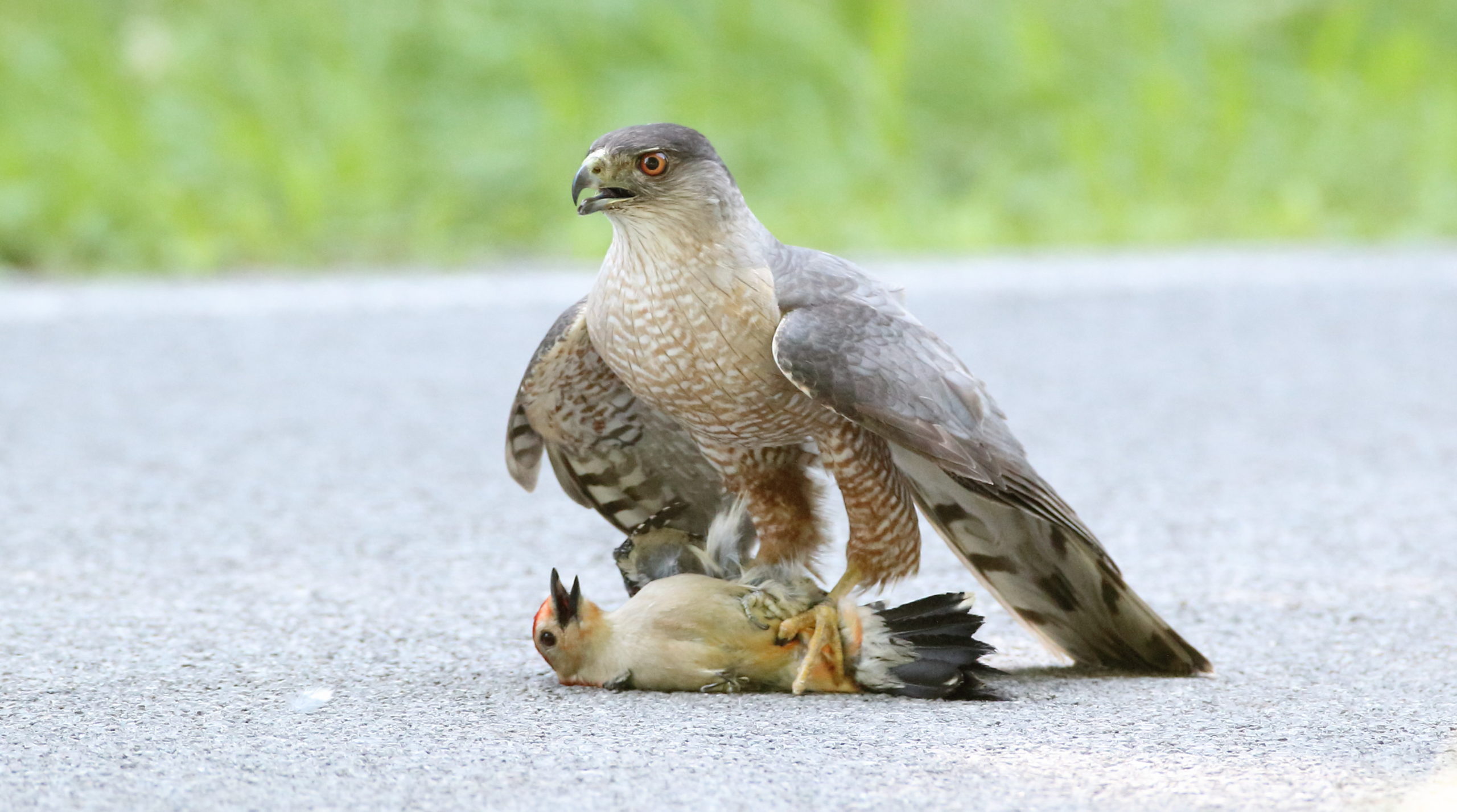
Birds of prey eat many types of birds. Hawks and falcons hunt by day and take songbirds, pigeons, and waterbirds. Owls hunt at night and often catch roosting birds and fledglings. Corvids, like crows and jays, raid nests for eggs and chicks. Larger waterbirds may be preyed upon by eagles.
Key avian predators:
- Hawks and falcons: Fast hunters of small to medium birds.
- Owls: Nocturnal predators that target roosting birds.
- Crows and jays: Nest predators and opportunistic feeders.
- Eagles and large raptors: Can take larger birds and fledglings.
I once documented a sharp decline in swallow nests where a single Cooper’s hawk took several adults daily. Simple changes in perching structure reduced the hawk’s hunting success.

Source: aaacwildliferemoval.com
Reptiles, amphibians, and other predators
Snakes are efficient nest raiders. They eat eggs, nestlings, and sometimes adult birds in nests. Large lizards take similar prey where present. Frogs and larger amphibians rarely eat adult birds, but may eat nestlings in wetlands. Fish can prey on young waterbirds that fall into the water.
Examples:
- Snakes: Climb trees and raid nests for eggs and chicks.
- Large lizards: Prey on ground nests in warm climates.
- Fish and turtles: Consume fallen or weak waterbird young.
On a coastal survey, snake control on certain islands dramatically improved tern chick survival. Predator control must be responsible and limited to protect ecosystem balance.
Source: feederwatch.org
Human-related threats and indirect predators
Humans indirectly increase what eats a bird. Habitat loss concentrates birds into smaller areas. This raises encounter rates with predators. Domestic pets, especially cats, are a major human-linked threat. Introduced species, such as rats and cats on islands, have wiped out local bird populations.
Human-related issues:
- Pet predation: Cats kill millions of birds annually.
- Habitat loss: Increases exposure to predators.
- Introduced predators: Devastate island and fragmented populations.
- Pollution and light: Change predator-prey behavior, increasing risk.
From rehabilitation work, I found that educating pet owners and controlling invasive species reduced local bird mortality more than any other single action.
How predation works: patterns, timing, and risk factors
Predation risk depends on nest location, timing, and behavior. Ground nests face higher mammal and reptile risk. Cavity nests reduce some predators but attract snakes and certain birds. Open-cup nests are vulnerable to corvids, raccoons, and snakes. Fledglings are especially at risk as they learn to fly.
Risk factors:
- Nest height and concealment
- Time of day and predator activity
- Local predator diversity and abundance
- Human disturbance and habitat fragmentation
Research and field observation show that timing matters. Many predators target eggs in spring and nestlings in early summer. Adult birds face higher risk during migration and when feeding young.

Source: youtube.com
How to protect birds: practical steps for homeowners and bird lovers
You can reduce the chance of predation while supporting bird populations. Small actions make a big difference.
Practical steps:
- Keep cats indoors or supervise them outside.
- Use predator-resistant nest boxes for cavity nesters.
- Remove food sources that attract rats and raccoons.
- Place feeders away from dense cover where ambush predators hide.
- Protect ground nests by limiting pets in nesting areas during breeding season.
From hands-on experience, adding baffles to poles and securing lids on compost and trash containers quickly lowered raccoon visits. Simple habitat improvements can favor birds without harming native predators.
Signs of predation and how to respond
Knowing the signs helps determine what eats a bird and how to act. Disturbance at a nest, missing eggs, or scattered feathers point to predation. Tracks, droppings, or camera footage help identify the predator.
Signs and responses:
- Scattered eggshells and feathers: Likely raccoon or corvid.
- Clean plucking with feathers in one spot: Often raptor.
- Hole in nest covering: Possible snake or weasel.
- Use trail cameras and local wildlife experts to confirm the cause.
If you find an injured bird, contact a licensed wildlife rehabilitator. Handling wildlife without training can cause more harm.
Human ethics, legal issues, and conservation context
Predator control can be controversial. Laws protect many bird species and some predators. Conservation efforts must balance predator management and ecosystem health. Removing invasive predators is often legal and beneficial. Lethal control of native predators can harm ecosystems and is usually illegal without permits.
Considerations:
- Check local laws before intervening.
- Focus on non-lethal prevention first.
- Support habitat restoration and native predator balance.
I advise partnering with local wildlife authorities before taking action. Ethical and legal steps protect both birds and broader biodiversity.
Frequently Asked Questions of what eats a bird
What eats a bird in urban areas?
Urban birds face domestic cats, rats, raccoons, and some raptors. Nest placement and human activity shape the main threats.
Do snakes eat adult birds?
Yes, some snakes can and do eat adult birds, especially those in nests or small species. Most snake predation targets eggs and chicks.
Will a hawk eat a house sparrow?
Hawks commonly eat small birds like house sparrows. Hawks hunt them for food, especially near feeders and open perches.
How can I stop my cat from killing wild birds?
Keep your cat indoors, use a leash outside, or fit a bird-safe collar or bell. These steps reduce bird deaths and keep cats safer too.
Are eggs more at risk than adult birds?
Eggs and nestlings are generally more vulnerable because they cannot escape. Adults can fly away but still face raptors and mammalian predators.
Conclusion
Understanding what eats a bird helps you make smarter choices. Predators range from cats and raccoons to hawks, snakes, and introduced species. Simple, informed actions—like keeping cats indoors, securing food sources, and using safer nest boxes—reduce predation and support bird survival. Use local guidance, observe carefully, and act responsibly to protect birds in your area. Share your experiences, subscribe for more wildlife tips, or leave a comment to join the conversation.