
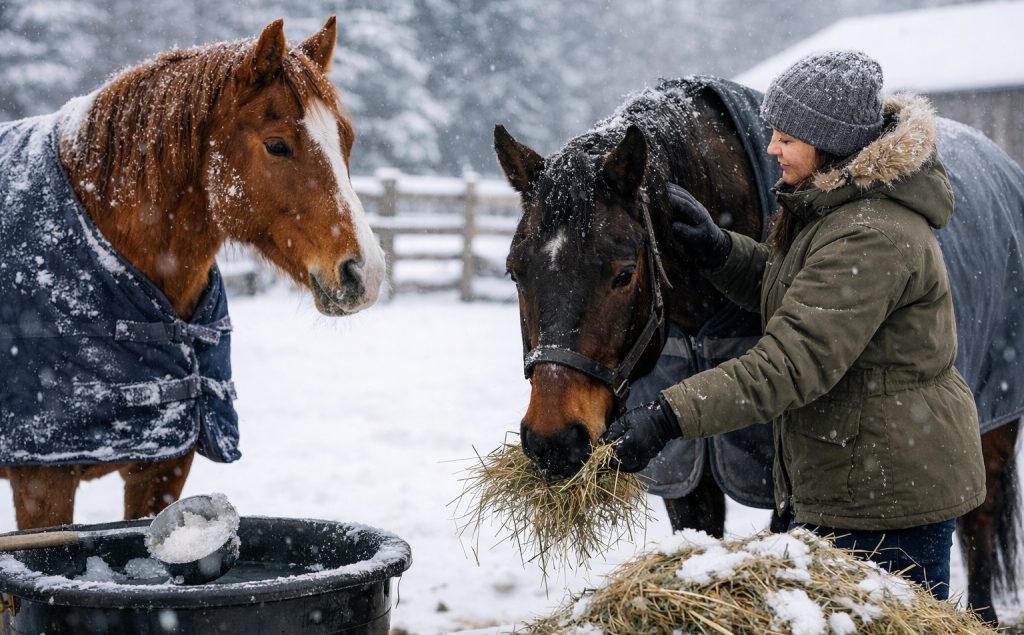
Horses usually do fine above 20°F (-7°C); below 20°F risks increase and shelter may be needed.
As an equine professional with years managing stable routines in varied climates, I’ll walk you through how cold is too cold for horses to be outside. This guide explains temperature thresholds, risk factors, warning signs, and practical steps you can take to keep horses safe and comfortable when temperatures drop. Read on for clear, experience-backed advice you can use tonight.
How cold affects horses
Horses are built to handle cold. Their large body mass, winter coat, and natural fat stores help conserve heat. Still, thermoregulation has limits and prolonged cold can cause stress, reduced immunity, and weight loss.
Cold demands more energy. Horses burn extra calories to maintain core temperature. If feed, shelter, or body condition are inadequate, cold exposure leads to poor condition and health issues. That’s why understanding how cold is too cold for horses to be outside matters for turnout decisions and daily care.
What temperature is too cold for horses to be outside?
There is no single answer, but practical thresholds help:
- Above 40°F (4°C): Most horses are comfortable without changes.
- 20–40°F (-7°C to 4°C): Comfortable if dry, acclimated, and healthy. Increase feed slightly if very active.
- Below 20°F (-7°C): Many horses benefit from shelter or blanketing, especially if wet, thin, aged, or ill.
- Below 0°F (-18°C): High risk for vulnerable horses; limit exposure and ensure heated water, windbreaks, and extra calories.
Ask yourself: how cold is too cold for horses to be outside in my situation? Use the thresholds above, then factor in wind, wetness, age, and body condition to decide. Repeating checks during cold snaps is essential because conditions change quickly.
Source: kppusa.com
Factors that change cold tolerance
Not all horses react the same to low temperatures. Key factors include:
- Coat and winter hair: A full, dry winter coat insulates well.
- Body condition: Fat and muscle store energy; thin horses lose heat faster.
- Age and health: Old, young, or ill horses struggle to regulate temperature.
- Breed and metabolism: Some breeds have thicker coats and better cold tolerance.
- Shelter and wind: Wind and wetness amplify cold by stripping insulation.
- Access to feed and water: Digesting forage generates internal heat; frozen water reduces intake.
Considering these factors helps answer how cold is too cold for horses to be outside for each individual animal. Tailor decisions to the horse, not just the thermometer.
Signs of cold stress and hypothermia
Recognize early signs so you can act fast:
- Shivering, tucked stance, and seeking shelter.
- Rapid weight loss or reduced appetite over days.
- Lethargy, slow movements, or poor coordination—signs of advanced hypothermia.
- Cold extremities, especially ears and lower limbs, and decreased gut sounds.
If you see shivering or disorientation, move the horse to shelter, offer warm water, increase calories, and call your veterinarian for severe symptoms. Timely action prevents escalation.
Practical turnout and blanketing strategies
Decide turnout by combining temperature with horse-specific factors. Use these practical steps:
- Check temperature, wind chill, and precipitation before turnout.
- Provide shelter: a three-sided run-in, windbreaks, or barn access.
- Ensure constant access to unfrozen water; use heated buckets or trough heaters.
- Increase calorie intake with quality hay; digestion boosts internal heat.
- Use blankets selectively for thin, clipped, elderly, or ill horses.
- Monitor frequently during extreme cold and after storms.
Blanketing tips:
- Use a waterproof outer sheet if wet weather is expected.
- Choose appropriate fill for the climate — lighter for chill, heavier for deep cold.
- Remove or adjust blankets during activity or sunny days to prevent overheating.
- Check fit and skin condition daily to prevent rubbing or sores.
PAA-style questions (brief):
What temperature should I blanket my horse?
Blanket if the horse is clipped, thin, elderly, or below 20°F (-7°C) with wind or wet conditions; adjust by behavior and body condition.
Does snow keep horses warm?
Dry snow on a horse’s back can add insulation, but wind and wet snow reduce insulation and increase risk; shelter is still important.
How long can a horse stay outside in cold weather?
Healthy, acclimated horses can stay out all day in dry cold above 20°F; below that, limit exposure for vulnerable animals and monitor constantly.
My experience: lessons from the barn
I’ve managed horses through severe winters and learned practical lessons the hard way.
A young mare once lost condition after we underestimated wind chill. We added a sturdy run-in, increased hay, and used a midweight blanket at night; she recovered in two weeks. That taught me to factor wind and forage access into every decision.
Common mistakes to avoid:
- Relying on a blanket alone without shelter or water.
- Forgetting to check blankets for fit and rubs.
- Assuming a thick coat eliminates all risk—wetness and wind change everything.
These experiences make clear that answering how cold is too cold for horses to be outside requires hands-on assessment and frequent checks.
Cost, equipment, and logistics
Preparing for winter has practical costs but pays off in healthier horses.
Budget considerations:
- Blankets: midrange models cost more but last longer and fit better.
- Heaters and heated buckets: reduce labor but add energy costs.
- Shelter construction: a simple three-sided run-in is often the most cost-effective option.
Plan logistics:
- Stock extra hay before cold spells.
- Have a blanket inventory and a plan to rotate and dry wet blankets.
- Train staff and helpers to watch for signs of cold stress and to respond quickly.
Investing in preventative measures reduces vet bills and weight loss over winter.

Source: lhf.org
Frequently Asked Questions of how cold is too cold for horses to be outside
At what temperature should I be worried about horses being outside?
Worry increases below 20°F (-7°C), especially with wind, wetness, or if horses are thin, young, or old. Evaluate shelter, water access, and body condition to decide.
Can healthy horses stay outside in subzero temperatures?
Healthy, well-fed, and acclimated horses sometimes tolerate subzero temps for limited periods, but prolonged exposure, wind, or wetness raises risk. Provide shelter, extra hay, and unfrozen water to lower danger.
Do I need to blanket every horse in cold weather?
No. Use blankets for clipped, thin, elderly, or sick horses and in wet or windy conditions; healthy, unshod horses with a full winter coat often do well without blankets. Monitor each horse’s behavior and condition.
How does wind chill affect horse safety?
Wind removes the insulating air layer of the coat and greatly increases heat loss, making lower temperatures more dangerous. Provide windbreaks or enclosed shelter to protect against wind chill.
What immediate steps should I take if a horse shows cold stress?
Move the horse to dry shelter, offer warm water and extra forage, and provide a blanket if appropriate; call your veterinarian if the horse is shivering excessively, weak, or disoriented.
Conclusion
Knowing how cold is too cold for horses to be outside means combining temperature guidelines with real-world inspection of coat, body condition, shelter, and water. Use the thresholds and checklists here, monitor horses daily, and be ready to act when conditions worsen. Take action now: review your turnout plan, stock extra hay, and inspect shelters so your horses stay safe and healthy this winter. Share your experiences or questions below and subscribe for more practical equine care tips.