Use covers, timed sowing, and simple deterrents to keep birds from eating grass seed.
I have spent years restoring lawns and helping homeowners protect new seed. This guide draws on field experience, research, and tested techniques to explain how to prevent birds from eating grass seed effectively and humanely. Read on to get clear, practical steps that work in real yards and commercial sites.
Why birds eat newly sown seed and what to know about the problem
Birds look for easy food. Newly sown grass seed sits on the soil surface and is an obvious, high-energy snack for many species. Understanding why birds target seed is the first step to knowing how to prevent birds from eating grass seed.
Birds are drawn by visibility, easy access, and predictable timing after sowing. Different species prefer different seeds, so local bird behavior matters when planning. Knowing this helps choose the right mix of physical, cultural, and deterrent methods to protect seed without harm.
Source: co.uk
Choose seed types and blends that reduce bird interest
Seed choice changes risk. Some grass seed types and blends are less obvious or less tasty to birds than others. Picking the right seed is a low-effort way to lower losses and is a key part of how to prevent birds from eating grass seed.
Recommendations to cut bird interest:
- Select finer, smaller-seeded turf mixes rather than large, visible seeds when appropriate.
- Use blends with fast-germinating varieties so seedlings establish quickly and reduce exposure time.
- Choose coated or pelleted seed when possible; coatings make seed bulkier and less attractive to birds.
Sowing techniques and timing that limit bird access
How and when you sow matters. Proper sowing reduces the window when seeds are exposed and tempting to birds. These simple tactical choices are central to how to prevent birds from eating grass seed.
Best practices to follow:
- Sow just before forecasted light rain or irrigate immediately so seeds settle into the soil.
- Lightly rake or roll after broadcasting so seed contacts soil and is less visible.
- Time sowing for early morning or evening when birds are less active, and avoid peak feeding periods.
- Consider split seeding: smaller batches allow quicker germination and less loss per event.
Physical barriers and coverings that reliably protect seed
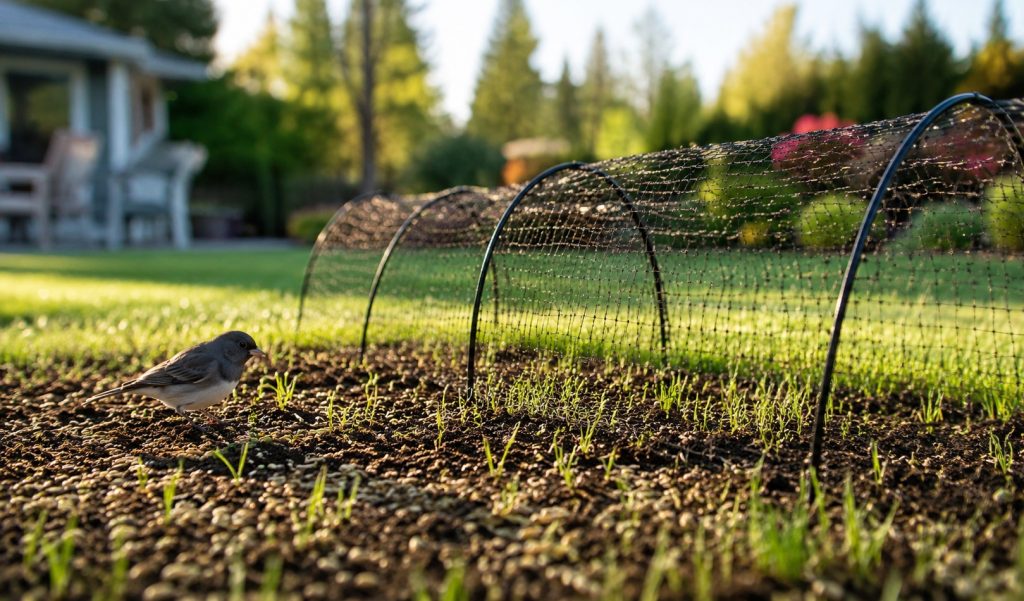
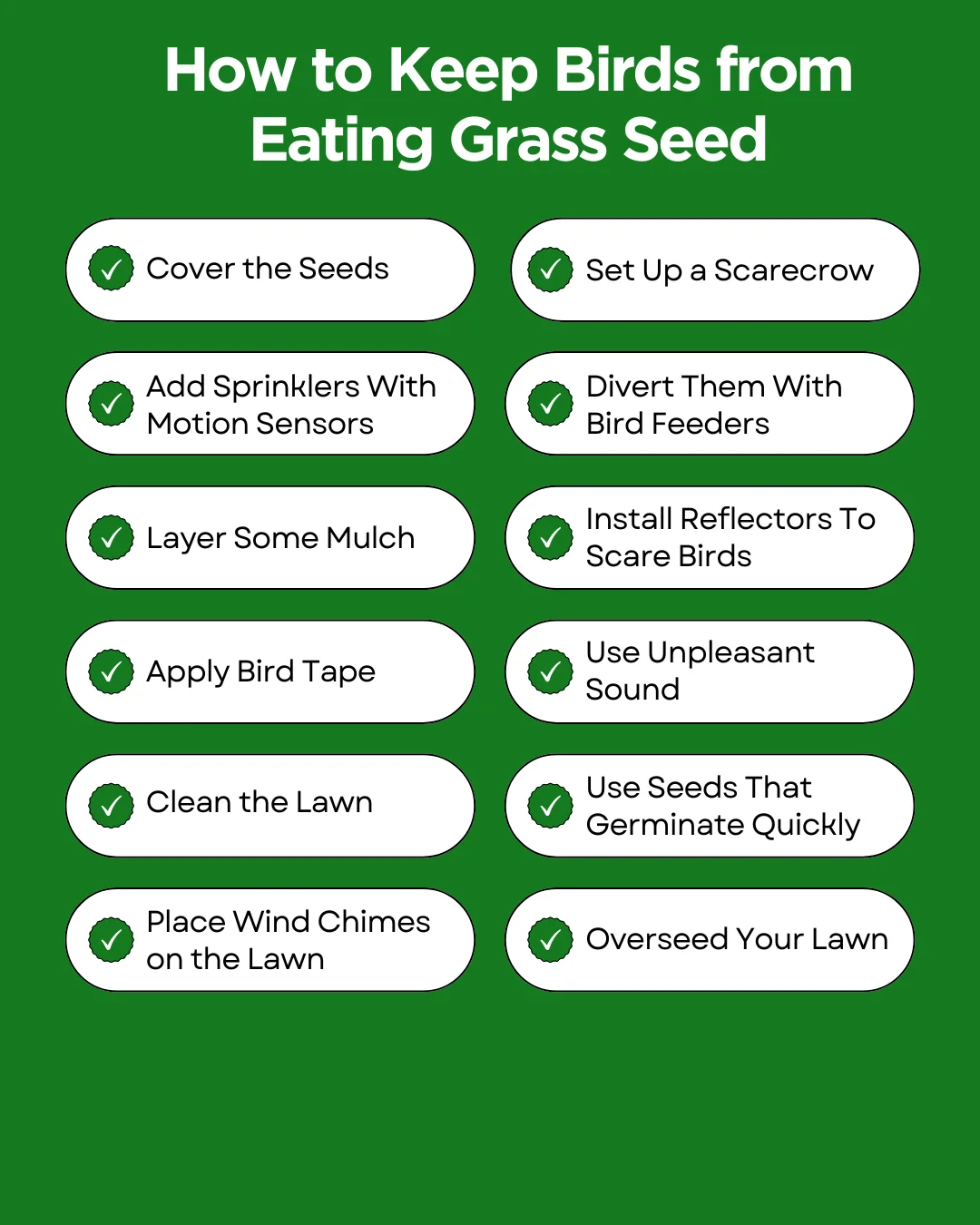
Physical covers work well and are humane. Barriers keep birds from reaching seed while it germinates and give grass a head start. Using covers is one of the clearest methods of how to prevent birds from eating grass seed.
Effective barrier options:
- Floating row covers placed over the seeded area to block birds while letting light and water through.
- Netting stretched a few inches above the ground to prevent birds from pecking seed; use bird-safe mesh with warning flags.
- Straw or light mulch applied thinly to conceal seed without blocking germination.
- Biodegradable mats or erosion control fabric that anchor seed against disturbance.
Pros and cons:
- Covers are very effective but require setup and removal at the right time.
- Netting can snag wildlife if not installed correctly; use raised supports and regular checks.
- Mulch hides seed but may slow warming; use shallow layers to balance protection and germination.
Source: co.uk
Non-lethal bird deterrents: visual, auditory, and scent methods
Deterrents add a behavioral barrier. Visual and sound deterrents can keep birds away long enough for seedlings to establish. Combining deterrents with covers is a good strategy for how to prevent birds from eating grass seed.
Practical deterrent tools:
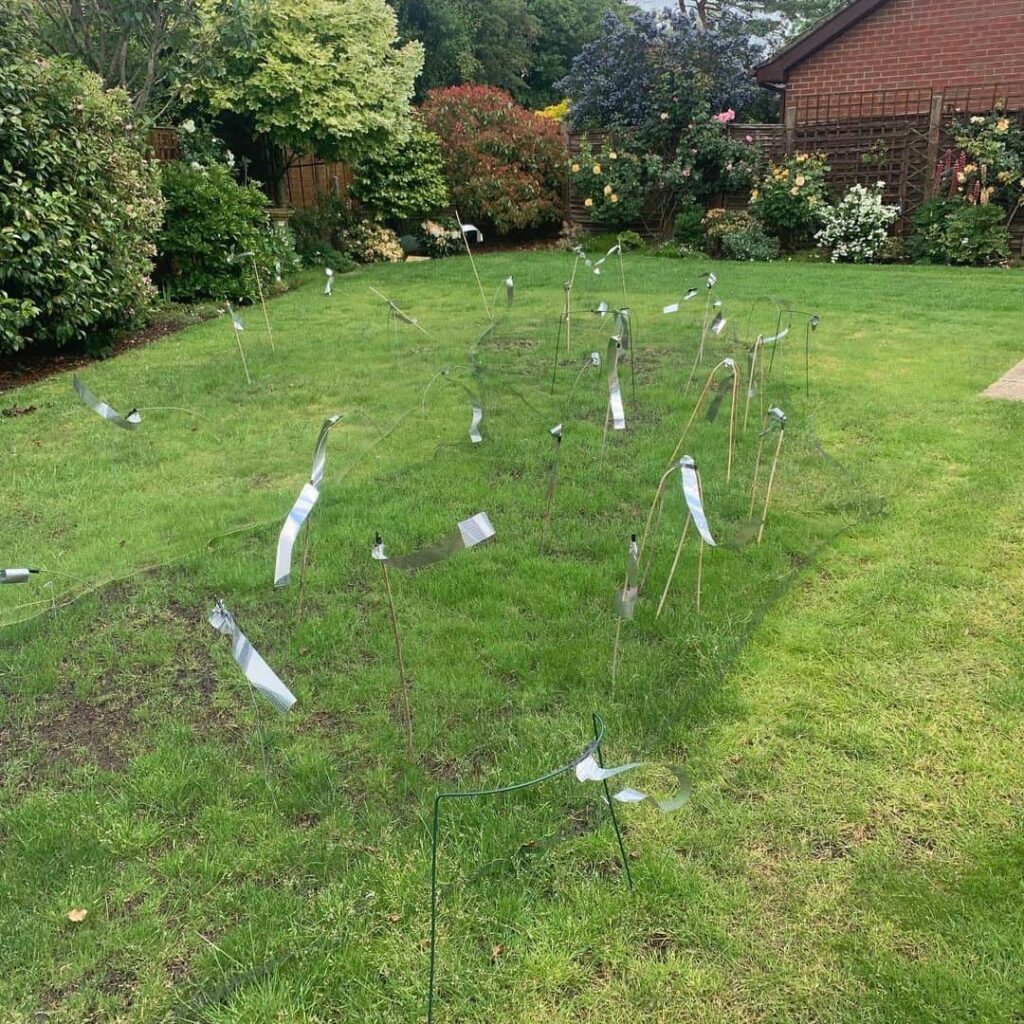
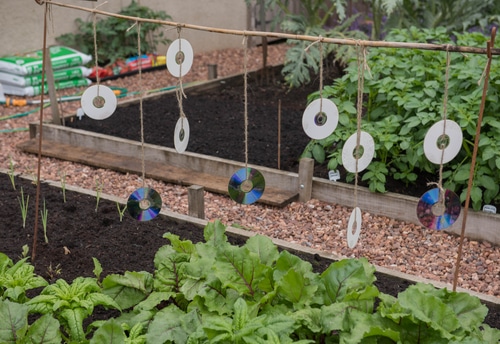
- Reflective tape, shiny disks, and motion-activated decoys to create an unpredictable scene.
- Visual decoys like owls or hawk silhouettes used sparingly and moved often to avoid habituation.
- Sound deterrents, such as recorded distress calls or motion-activated devices, used at low volume and rotated.
- Safe scent repellents placed around the perimeter, though birds rely more on sight and sound than smell.
Limitations:
- Birds can get used to static deterrents, so change type and placement regularly.
- Avoid lethal methods; they are illegal in many areas and harm local ecosystems.
Source: falconslandscaping.com
Seed treatments and alternative establishment methods
Treatments and alternatives can cut losses at seeding time. Some approaches modify the seed or sowing method to make seed less accessible. These methods are part of a layered plan for how to prevent birds from eating grass seed.
Options to consider:
- Use pelleted or coated seed that birds find harder to handle.
- Hydroseeding or slurry mixes incorporate seed into a mulch matrix and adhere it to soil.
- Plugging or using sod eliminates broadcast seed exposure entirely.
- Seed mixed with fertilizer or starter granules can speed germination; handle with care to avoid burning young grass.
Monitor, maintain, and troubleshoot during establishment
Active care wins. Regular checking and quick adjustments reduce seed loss and improve results. Monitoring is a key step when you want to know how to prevent birds from eating grass seed successfully.
What to monitor and adjust:
- Inspect seed beds daily for bird activity and signs of disturbance.
- Remove or reposition deterrents if birds adapt.
- Adjust watering patterns to favor rapid germination without surface pooling.
- Replace damaged nets or covers immediately and repair any gaps.

Source: reddit.com
Costs, environmental impact, and legal considerations
Plan costs and rules before you act. Some methods are cheap, others more costly, and local laws protect many bird species. Balancing cost, impact, and legality is part of how to prevent birds from eating grass seed responsibly.
Things to weigh:
- Netting and covers are moderate-cost and reusable; hydroseeding is pricier but often more effective.
- Avoid chemicals or lethal methods that can harm non-target species and break regulations.
- Choose biodegradable and wildlife-safe materials where possible to minimize environmental footprint.
Personal experience: lessons from real lawn projects
I’ve overseen many lawn restorations where birds were the top threat to new seed. I learned that combining quick soil contact, a thin mulch, and a temporary cover works best. Those three steps form a dependable routine for how to prevent birds from eating grass seed in most yards.
Lessons learned in the field:
- Don’t rely on one method. Layers work better than a single tactic.
- Move decoys and visual deterrents often to avoid habituation.
- Start small and test methods on a patch before treating an entire lawn.

Source: co.uk
Frequently Asked Questions of how to prevent birds from eating grass seed
How long will birds keep bothering newly sown seed?
Bird pressure is highest in the first one to three weeks after sowing, before most seedlings emerge. Protect seed through this critical window with covers and quick germination methods.
Can I use netting without harming other wildlife?
Yes, if you install netting off the soil surface with supports and inspect it daily to prevent entanglement. Use bird-safe mesh and remove nets once seedlings are established.
Are chemical repellents safe and effective for this purpose?
Most chemical repellents are not recommended for grass seed because they may hinder germination or harm wildlife. Prefer physical and behavioral deterrents that are proven safe.
Will mulching the seed attract rodents instead of birds?
A light mulch can reduce visibility and often lowers both bird and rodent activity when applied properly. Keep mulch thin and monitor for any signs of increased rodent presence.
Is hydroseeding a good option to avoid bird predation?
Hydroseeding binds seed into a matrix and greatly reduces losses to birds, making it a strong option for vulnerable sites. It is more costly but often pays off when bird pressure is high.
Conclusion
Protecting new grass seed is about timing, technique, and layered defenses. Use quick soil contact, choose suitable seed or coatings, and add covers and deterrents until seedlings are rooted to reduce losses. Start with a small trial, apply the combined methods here, and you’ll see better germination and less frustration—try one change this week and note the difference. Leave a comment with your experiences or subscribe for more lawn care tips.