Mount safely, sit balanced, and use reins plus leg aids to guide and control the horse.
I’ve taught riders and worked with horses for over a decade, and this guide explains exactly how do you ride a horse with clear steps, safety tips, and real-world advice. Read on to master mounting, balance, steering, pace control, and after-ride care so you can ride confidently and responsibly.
Why learn how do you ride a horse?
Riding a horse builds fitness, balance, and partnership with a living animal. Learning how do you ride a horse safely reduces risk for rider and horse and speeds skill development. I’ll show proven basics, common pitfalls, and progressions that fit beginners and returning riders. This helps you enjoy rides and train effectively over time.
Essential gear and tack before you ride
Good gear keeps you safe and helps you learn how do you ride a horse correctly.
- Helmet: Certified ASTM/SEI helmet fits snugly and protects your head.
- Saddle: English and western saddles sit differently; choose one suited to your discipline.
- Bridle and bit: Match the bit to the horse’s experience and mouth comfort.
- Boots and clothing: Closed-toe riding boots with small heels and close-fitting pants reduce chafing and improve leg contact.
- Safety items: Gloves, a riding crop for cues, and a body protector for beginners or jumping riders.
Check every piece of tack for wear and fit before mounting. Proper tack means clearer aids and fewer surprises when you practice how do you ride a horse.

Source: horseback.com
Preparing horse and rider: the pre-ride checklist
Preparation sets the tone for a good ride and makes learning how do you ride a horse easier.
- Groom the horse: Remove dirt and tangles under the saddle to avoid discomfort.
- Check legs and hooves: Clean hooves and inspect for heat, cuts, or swelling.
- Fit the saddle and bridle: Ensure the saddle sits level and the girth/latigo is snug but not tight.
- Warm up the horse: Walk the horse for 5–10 minutes to loosen muscles.
- Warm up the rider: Do light stretches for hips and ankles to improve balance.
These steps prevent injuries and make your first attempts at how do you ride a horse comfortable for both of you.
Mounting and basic riding position
Mounting correctly is the first physical skill in how do you ride a horse. Follow these steps.
- Approach and safety check: Stand at the horse’s left shoulder and speak softly. Check girth, stirrups, and surroundings.
- Hold reins and mane: Keep the reins in your left hand with enough slack to mount safely.
- Use a block if needed: A mounting block reduces strain on the horse’s back and helps beginners.
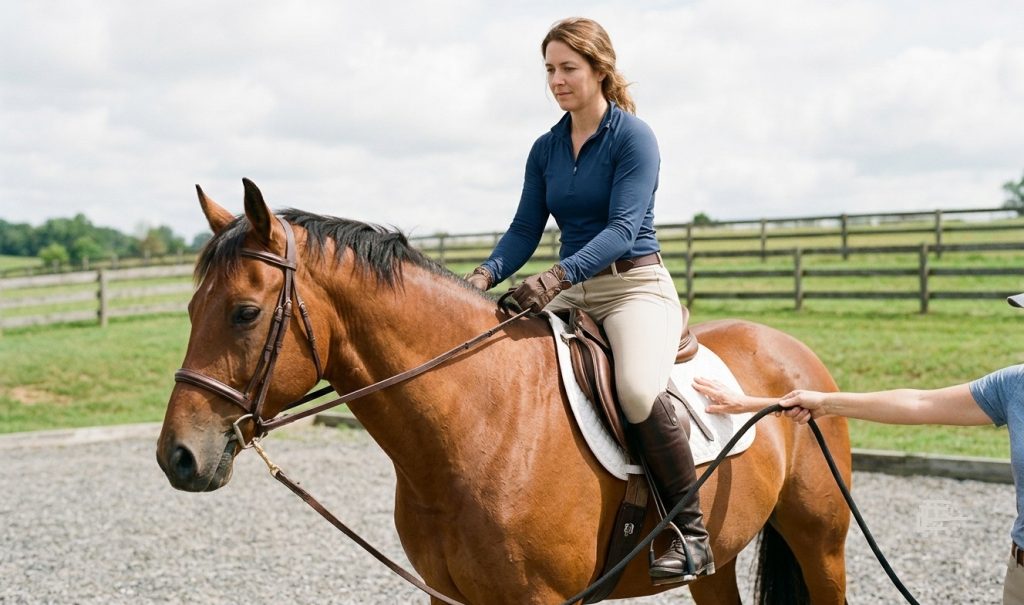
- Swing into the saddle: Place left foot in stirrup, push with right leg, swing right leg over gently, and land softly in the seat.
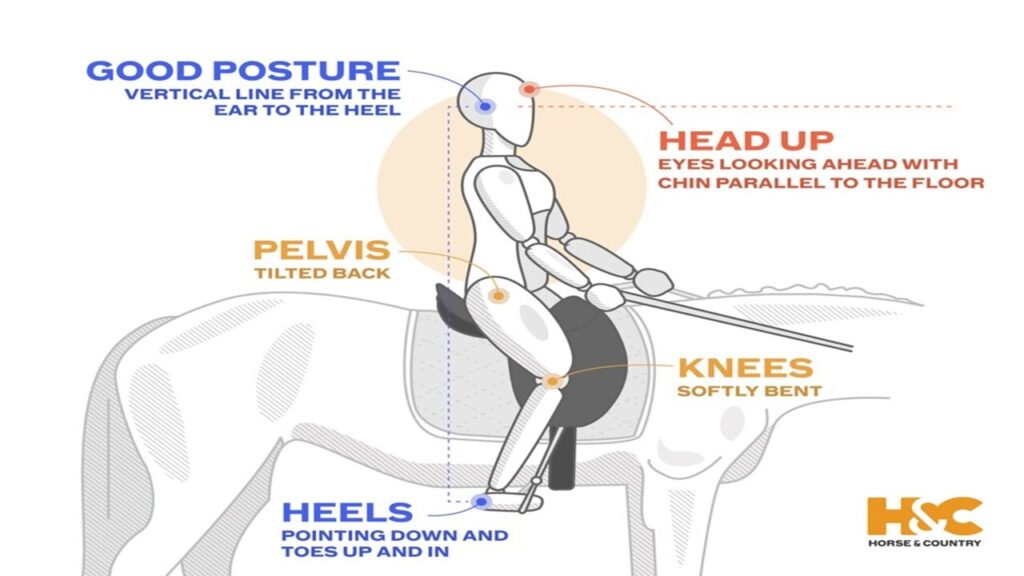
- Settle into a balanced seat: Sit tall with shoulders back, eyes forward, and a deep seat that follows the horse’s motion.
When learning how do you ride a horse, focus on a quiet seat and steady hands. A balanced rider feels lighter and gives clearer cues.
Steering, pace control, and stopping
Understanding aids—how you communicate—is central to how do you ride a horse.
- Reins: Use direct rein to turn, and neck rein or indirect rein for finer cues. Keep hands soft and steady.
- Legs: Squeeze with both legs for forward; one leg applied gently at the girth asks for lateral moves or turns.
- Seat and weight: Shift weight slightly to influence direction and balance. A centered seat helps maintain rhythm.
- Voice and taps: Say “walk on” for forward or use a light tap for reinforcement.
- Stopping: Sit deep, close both legs, and apply steady back rein pressure. Practice a calm, consistent stop.
Practice these aids at the walk first. Repeating basics is how do you ride a horse well and safely.
Gaits and how to ride them: walk, trot, canter
Each gait has its own feel and technique. Learning how do you ride a horse through the gaits builds confidence.
- Walk: A four-beat gait; sit relaxed and follow the horse’s motion. Use rein and leg aids gently to steer.
- Trot: A two-beat bounce; learn to post (rise and sit) or deepen the seat to absorb motion. Count rhythm as “one-two.”
- Canter: A three-beat gait with a leading leg; sit deeper and follow the horse’s motion with your hips. Use leg and seat cues to ask for and maintain canter.
- Transitions: Practice clear, calm transitions between gaits to teach responsiveness and balance.
Begin each new gait at low speed and under supervision. Good repetition teaches you how do you ride a horse across all paces.

Source: wikihow.com
Common errors and safety tips to avoid
Mistakes are normal. Knowing them makes how do you ride a horse safer and more effective.
- Gripping with knees: This blocks your hip movement and makes you unbalanced. Use lower leg contact instead.
- Looking down: Eyes up improves balance and helps steer correctly.
- Pulling the reins: Harsh hands confuse the horse. Use soft, steady aids.
- Rushing the process: Trying advanced moves too soon creates bad habits and risk.
Always wear a helmet and ride with a knowledgeable instructor when learning how do you ride a horse. Keep cell phones away and be aware of nearby traffic, obstacles, and other horses.
Troubleshooting behavior and common problems
Horse and rider issues happen. Here’s how to handle them when learning how do you ride a horse.
- Spooking: Stay calm, hold a secure seat, and guide the horse forward in a straight line to regain confidence.
- Refusal to move: Check tack, use clear leg aids, and ask for a ground person if needed.
- Bolting: Sit deep, close legs softly, and use steady rein contact; seek professional help if it repeats.
- Soreness or resistance: Stop, dismount, and examine saddle fit and the horse’s body. Consult a vet or farrier when in doubt.
Document patterns and consult a trainer. Fixing root causes is key to improving how do you ride a horse over time.
Progressing: lessons, practice routines, and realistic goals
A plan helps you learn how do you ride a horse efficiently.
- Schedule lessons: One to two lessons per week speeds learning and keeps progress steady.
- Homework: Short, focused practice sessions of 15–30 minutes work better than long unfocused rides.
- Drills: Circles, transitions, serpentines, and halt-walk-trot transitions build control and balance.
- Set milestones: Aim for confident walk-trot transitions, consistent posting, and safe canter departures in stages.
- Cross-train: Groundwork, balance exercises, and fitness work off the horse improve your riding body.
Consistency and small goals are how do you ride a horse well and sustain progress.
After-ride care for horse and tack
Good care after a ride protects health and equipment, and it honors the partnership at the heart of how do you ride a horse.
- Cool down: Walk the horse for 10 minutes to lower heart rate and remove lactic acid.
- Groom again: Remove sweat and check for rubs or sore spots.
- Offer water: Provide water once the horse has cooled enough to drink safely.
- Tack care: Wipe leather tack, oil as needed, and store gear dry.
- Record notes: Keep a short log of the ride, horse behavior, and any concerns.
Consistent after-ride routines make subsequent rides better and teach you how do you ride a horse responsibly.
Source: horseandcountry.tv
My experience and lessons learned
I learned how do you ride a horse over many years of lessons, trail rides, and teaching beginners. Early on I gripped with my knees and looked down; that made my horse tense. I learned to relax hips, look forward, and use soft hands. Teaching others taught me that small, clear cues and consistent routines produce the fastest gains. Expect setbacks, but keep practice short and focused.
Frequently Asked Questions of how do you ride a horse
What is the easiest way to learn how do you ride a horse?
Start with a certified instructor, a calm lesson horse, and short, focused lessons. Emphasize balance, basic aids, and mounting before moving to faster gaits.
How long does it take to learn how do you ride a horse safely?
With regular lessons, most beginners manage basic walk-trot control in 6–12 weeks. Full confidence at all gaits and independent riding often takes several months to a year.
Do I need to be physically fit to learn how do you ride a horse?
Basic fitness helps, but riding is accessible to many fitness levels when paced properly. Core strength, flexibility, and balance improve riding quickly.
What should I wear when learning how do you ride a horse?
Wear a certified helmet, close-toed boots with a small heel, and comfortable, fitted pants. Avoid loose clothing that can flap or catch in tack.
Is horse temperament important when learning how do you ride a horse?
Yes. A calm, trained school horse is ideal for beginners. Horse temperament affects learning speed and safety.

Source: horseandrider.com
Conclusion
Riding well comes from clear basics, consistent practice, and respect for the horse. Start with proper gear, safe mounting, balanced position, and gentle aids. Progress with short, focused lessons and steady goals. Remember that learning how do you ride a horse is as much about building a partnership as it is about skill. Take the next step: book a lesson, practice the drills here, and share your progress or questions below to keep improving.